
 By Iffa Jayyana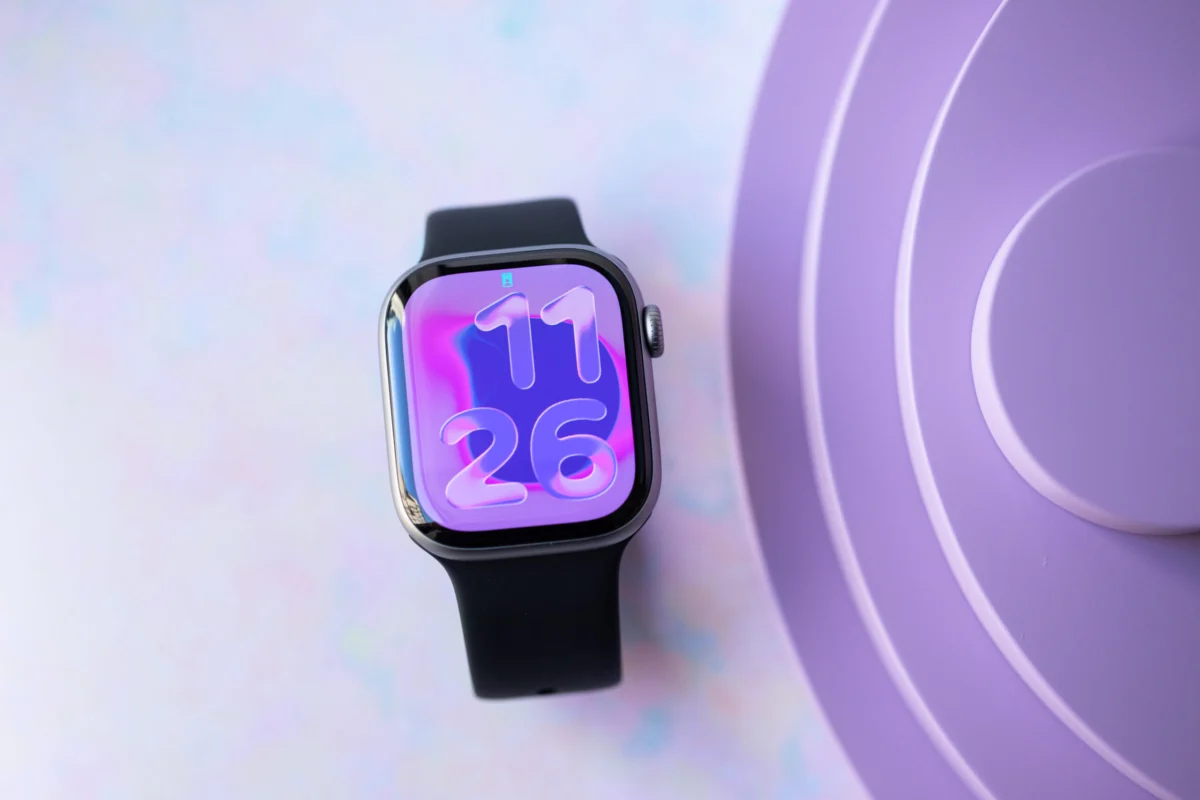
The annual digital shopping frenzy known as Amazon Prime Day has officially arrived, signaling a high-stakes period for tech enthusiasts looking to refresh their ecosystems. While the event is traditionally known for its rapid-fire lightning deals and massive volume, the current landscape of Apple hardware has shifted the strategy for bargain hunters. In a departure from previous years, many of the most compelling discounts on Apple’s flagship lineup surfaced well ahead of the official start date, forcing consumers to navigate a marketplace that is as volatile as it is lucrative.
For those tracking the current retail environment, the message is clear: patience may be a virtue, but agility is a necessity. With major players like Walmart and Amazon vying for dominance, price fluctuations have become a hallmark of this year’s sale.

The State of the Market: Main Facts and Trends
As of June 23, 2026, the retail sector is experiencing a significant surge in interest regarding Apple’s latest hardware. The "Prime Day effect" is not merely about discounting aging inventory; it is a strategic effort by retailers to push current-generation models into the hands of a broader user base.
The standout trend this year is the aggressive pricing on wearable technology and audio equipment. The Apple Watch Series 11, for instance, has hit a new all-time low price, marking a significant entry point for those who have been hesitant to upgrade from older series. Simultaneously, audio products—specifically the AirPods Pro 3 and the refreshed AirPods Max—have seen price points that represent some of the most competitive values in recent memory.

However, the market is currently defined by high velocity. Deals that appear at record-low prices, such as the initial $169 dip for the AirPods Pro 3 at major retailers, have already fluctuated or sold out, only to be replaced by slightly higher—though still heavily discounted—price points. This volatility suggests that inventory management remains a critical challenge for retailers in 2026, and consumers should be prepared to act quickly when a target price is reached.
A Chronological Breakdown of the Sale
The buildup to this year’s Prime Day was unconventional. Rather than a static countdown, we witnessed a "rolling" launch of deals that began in the second week of June.

- Pre-Event Phase (June 10th – June 20th): Early indicators of price drops appeared on secondary marketplaces and select big-box retailers. This period saw the first significant downward pressure on the Apple Watch SE 3, positioning it as a "loss leader" to drive traffic.
- The "Kick-Off" (June 22nd): As the official countdown concluded, Amazon and its competitors synchronized their discounting strategies. The Apple Watch Series 11 saw a definitive price drop to $279, signaling to the market that the "official" sale had begun.
- The Current Window (June 23rd – Ongoing): We are currently in the peak of the sale. As of the latest update, retailers have begun adjusting pricing based on real-time sell-through rates. Notably, the AirPods Pro 3 saw a brief spike in demand that caused a temporary stock exhaustion at major retail chains, before replenishing at the current $179 price point.
Supporting Data: Product Performance and Pricing Analysis
To understand why certain deals are trending, one must look at the technical improvements of the 2026 lineup. The value proposition of this year’s deals is bolstered by meaningful hardware updates.
Audio Excellence: AirPods and Beats
The AirPods Pro 3 remains the centerpiece of Apple’s audio strategy. Priced at $179 during this cycle, the device offers enhanced noise cancellation and, perhaps most notably, integrated heart sensors that interface directly with the Apple Fitness app. This cross-functionality between audio and health tracking is a major driver of the product’s popularity.

Additionally, the second-generation AirPods Max ($399) and the Beats Studio Pro ($132) offer premium alternatives for those prioritizing sound quality and comfort. The Beats Studio Pro, in particular, has become a favorite for its platform-agnostic nature, offering high-fidelity lossless audio over USB-C while maintaining native support for both iOS and Android ecosystems.
The Wearables Segment
The Apple Watch Series 11 ($279) and the Apple Watch SE 3 ($199) dominate the wearables category. The Series 11’s appeal lies in its ruggedness; the display is touted as twice as durable as its predecessor, a direct response to consumer feedback regarding screen vulnerability. The inclusion of a 5G modem on cellular models has also expanded the watch’s utility for users who prefer to leave their iPhones behind during fitness activities.

Productivity and Utility
The 11th-generation iPad ($299) remains a staple for casual users and students. While some critics argue it is "long in the tooth," its A16 processor remains highly capable for daily tasks, from streaming to light productivity. Furthermore, the $59 price point for the USB-C Apple Pencil makes the tablet experience more accessible, even if it lacks the pressure sensitivity found in more expensive stylus iterations.
Official Responses and Industry Context
While Apple typically maintains a "wall of silence" regarding third-party discounting strategies, industry analysts note that these sales events are sanctioned in a way that protects the brand’s premium image. By allowing retailers to handle the discounting, Apple can maintain its MSRP at official Apple Stores while clearing inventory through high-volume channels like Amazon.

Retail analysts point out that Amazon’s logistics network has been optimized to handle the extreme influx of orders, with delivery windows for these Apple products remaining remarkably tight despite the volume. There has been no official statement from the Cupertino giant regarding a potential "successor" to the current lineup in the immediate future, which adds a layer of security for buyers—the products on sale today are firmly the "current" flagship devices, not obsolete models being dumped by retailers.
The Broader Implications for the Tech Ecosystem
The current state of Prime Day 2026 suggests several long-term shifts in how we consume personal technology:

- Ecosystem Lock-in: The heavy discounting of the Apple Watch and AirPods is not just about moving units; it is about anchoring users to the Apple ecosystem. Once a user adopts the Apple Watch’s health tracking or the AirPods’ seamless switching, they are significantly more likely to remain within the Apple hardware sphere for future smartphone or laptop purchases.
- The "Good Enough" Plateau: The fact that the 11th-generation iPad and older-chipset iPads are being aggressively promoted highlights a shift in consumer demand. Many users are realizing that they do not need the top-tier "Pro" silicon for their daily workflows. Consequently, the mid-range and entry-level tiers are becoming the primary battlefield for manufacturer market share.
- Price Volatility as a Feature: The "flash sale" culture, where prices change within hours, has changed consumer psychology. Buyers are no longer waiting for a "better" deal; they are waiting for an "acceptable" deal that is available at that specific moment. This is a testament to the sophistication of algorithmic pricing models currently employed by major e-commerce platforms.
Looking Ahead
As Prime Day 2026 continues, consumers should remain vigilant. The current data shows that while inventory levels are sufficient, the most popular configurations—such as specific colorways for the Apple Watch or storage capacities for the iPad—are likely to experience stock shortages as the sale enters its final hours.
For the prudent buyer, the strategy remains: identify your must-have hardware, set a threshold price, and monitor the product pages. The aggressive competition between Amazon, Walmart, and other retailers is, for the time being, a win for the consumer. Whether you are looking to upgrade your fitness tracking or simply seeking a more reliable pair of headphones, the current window represents one of the most advantageous periods in the 2026 fiscal calendar to invest in the Apple ecosystem.

We will continue to update this guide as new deals arise and as we receive reports on further inventory adjustments. Stay tuned to the latest developments to ensure you don’t miss out on the best prices of the season.
 Raul Delapena Setiawan
  Siti Muinah
  Asro
Asro 