
 By Asro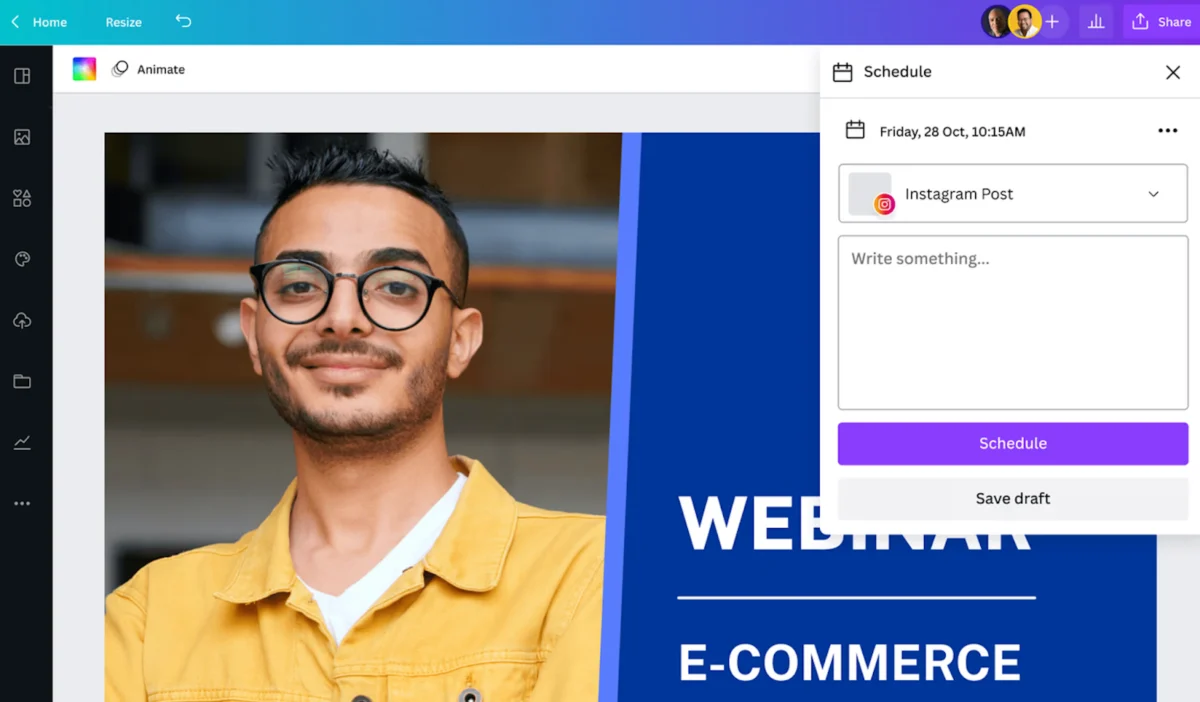
In the hyper-competitive landscape of 2026, a brand’s presence is defined not just by the quality of its content, but by the precision of its delivery. As social media platforms continue to evolve—favoring real-time engagement, algorithmic visibility, and cross-channel consistency—the manual process of posting has become a liability. For modern marketing teams, social media scheduling software is no longer a luxury; it is the central nervous system of a digital strategy.

By automating the publication of content, these platforms allow marketers to transition from "scramble mode" to strategic, data-driven execution. This article explores the current state of social media scheduling, the tools leading the charge, and the implications for businesses looking to scale their digital footprint.

The Evolution of Social Media Management
Scheduling tools function as the bridge between creative vision and audience interaction. By connecting to social networks via Application Programming Interfaces (APIs), these tools enable a "secure handshake" that allows for automated publishing. This capability is critical for maintaining consistency across time zones and diverse platform requirements.
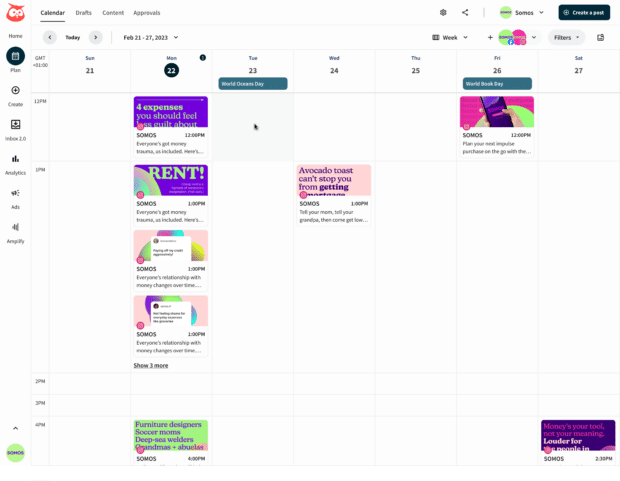
In the past, scheduling was a basic task of queueing a photo and a caption. Today, these platforms handle multi-format assets, including ephemeral Stories, high-production Reels, and long-form video, while simultaneously providing deep-dive analytics and team-wide approval workflows.
Chronology of Modern Social Media Workflows
The adoption of these tools has followed a distinct trajectory, reflecting the changing needs of digital marketers:
- The Manual Era (Pre-2015): Marketers posted natively on each platform, leading to fragmented branding and high burnout rates.
- The Automation Era (2015–2020): The rise of basic scheduling tools allowed for simple time-stamped queues, though analytics remained thin.
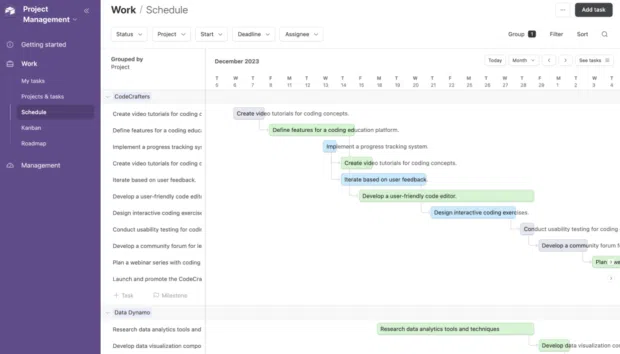
- The Integrated Era (2020–Present): Today’s tools are sophisticated ecosystems. They integrate with CRM systems (like HubSpot), design suites (like Canva), and analytics engines, allowing for a "plan-once, publish-everywhere" approach that includes sophisticated team collaboration and performance tracking.
Comparative Analysis: The Top 13 Scheduling Solutions
| Tool | Best For | Platforms Supported | Key Competitive Advantage |
|---|---|---|---|
| Hootsuite | Large Teams | All major platforms | Comprehensive management + Analytics |
| Later | Small Creators | Instagram-heavy focus | Visual grid planning |
| Canva | Design Teams | FB, IG, X, LinkedIn | Design and post in one flow |
| HubSpot | CRM-centric | IG, FB, X, LinkedIn | CRM/Campaign integration |
| Buffer | Simplicity | Multi-platform | Minimalist, no-frills UI |
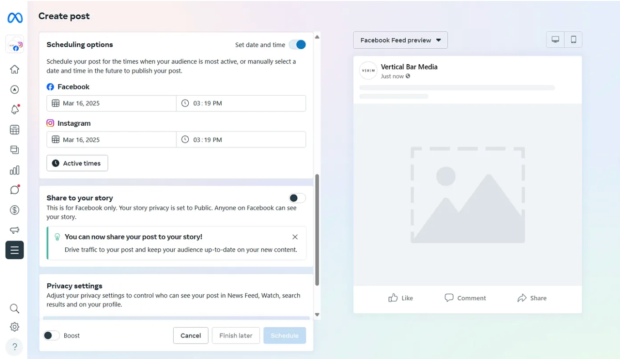
| Meta Business | Meta Users | FB + Instagram | Free, native access |
| Tailwind | Pinterest, IG, FB | Pinterest-specific optimization | |
| MeetEdgar | Small Biz | Multi-platform | Evergreen content recycling |
| Airtable | Process-heavy | FB, X (via integration) | Automation-driven workflows |
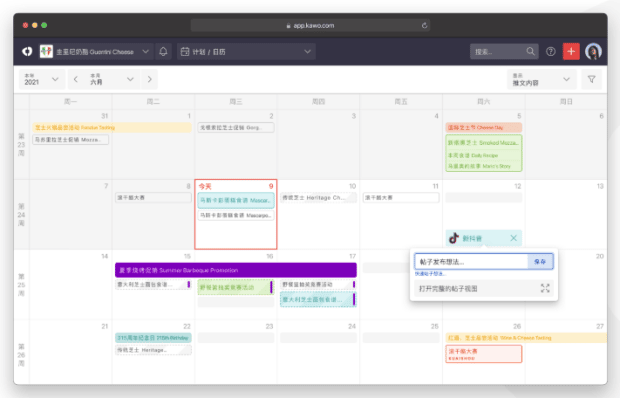
| KAWO | China Market | WeChat, Weibo, etc. | Regional platform specialization |
| RSS Auto | Bloggers | FB, LinkedIn, X | Automated feed-to-post |
| Post Studio | E-commerce | Shopify-integrated | Auto-product promotion |
| Mailchimp | Email Marketers | IG, FB, X | Campaign-linked scheduling |
Deep Dive: Key Platforms and Strategic Value
1. Hootsuite: The Enterprise Standard
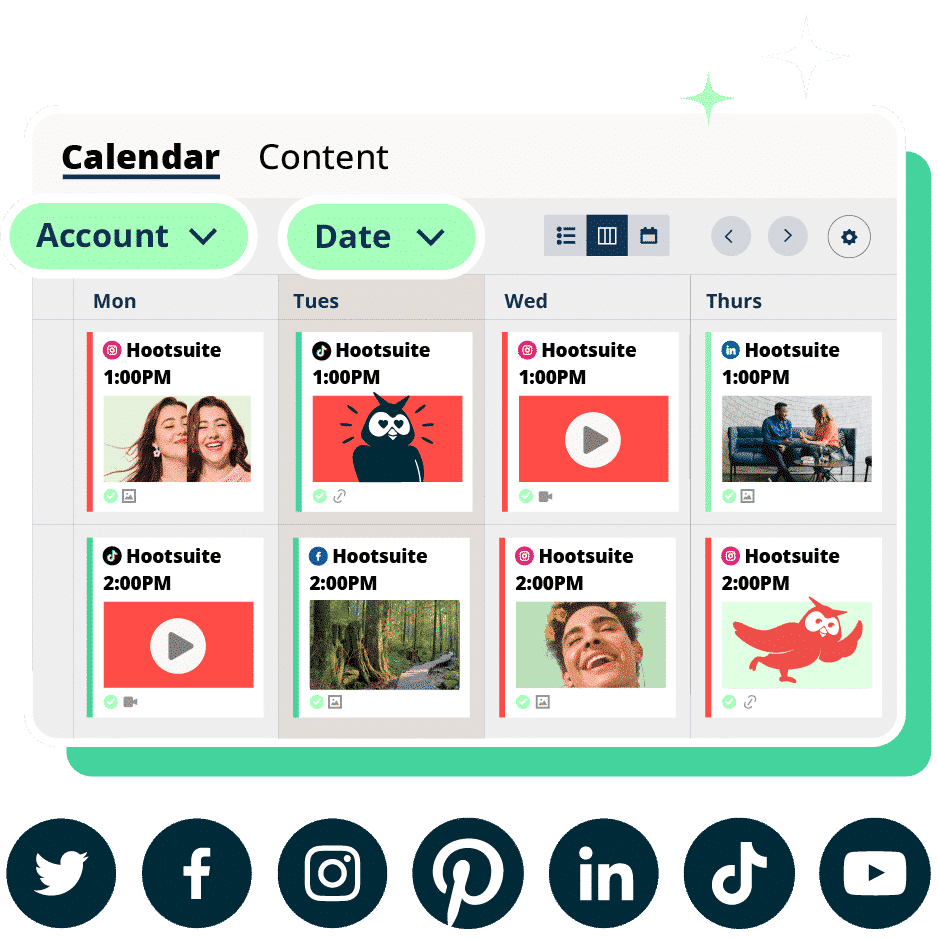
Hootsuite remains the industry leader for large-scale operations. Its strength lies in its ability to manage high-volume social traffic across multiple regions and accounts. For enterprises, the value is in the governance: role-based permissions, complex approval chains, and advanced analytics that translate social metrics into business ROI.
2. Later: The Visual Storyteller
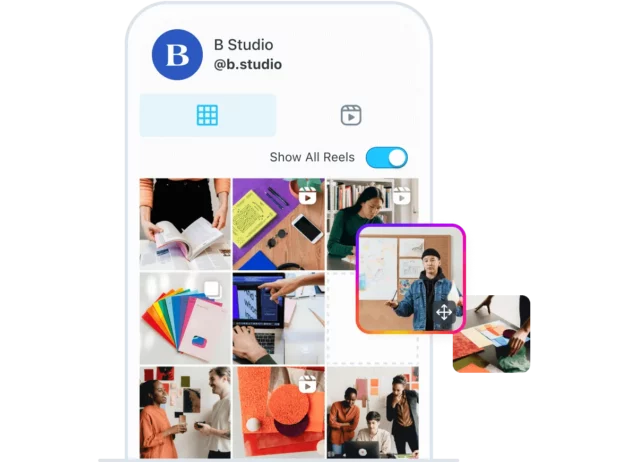
Later is the premier choice for visual-first brands. Its "visual grid planner" allows creators to drag and drop assets to see exactly how their feed will look before it goes live. This aesthetic-first approach is invaluable for Instagram-heavy strategies where the "look and feel" is the primary driver of brand equity.
3. Canva: Bridging Design and Delivery
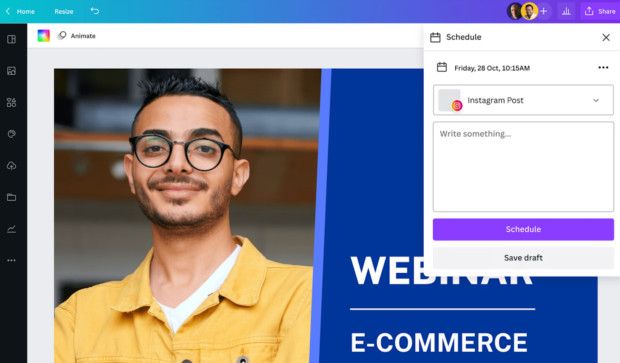
Canva has revolutionized the workflow by removing the "export-and-upload" friction. By allowing designers to schedule directly from the design interface, it keeps the creative process fluid. For teams that rely heavily on visual consistency, this eliminates the need for third-party file management.
4. HubSpot: The CRM Powerhouse
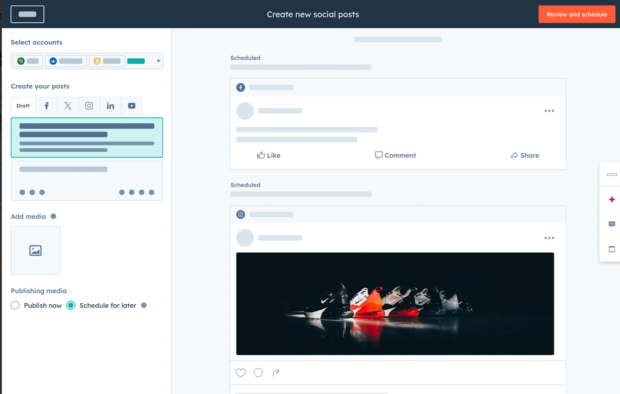
For B2B brands, social media is not just about likes—it’s about lead generation. HubSpot integrates social scheduling directly into the CRM, meaning marketers can track a post all the way to a closed sale. It turns social media into a measurable revenue channel rather than just a brand awareness tool.
Supporting Data: The Efficiency Gains
Research from 2026 indicates that teams utilizing dedicated social scheduling tools save an average of 10 to 15 hours per week. These gains are attributed to three primary factors:
- Batch Creation: Producing a week’s worth of content in a single four-hour block.
- Reduced Context Switching: Managing five platforms from one dashboard prevents the "platform hopping" fatigue that leads to errors.
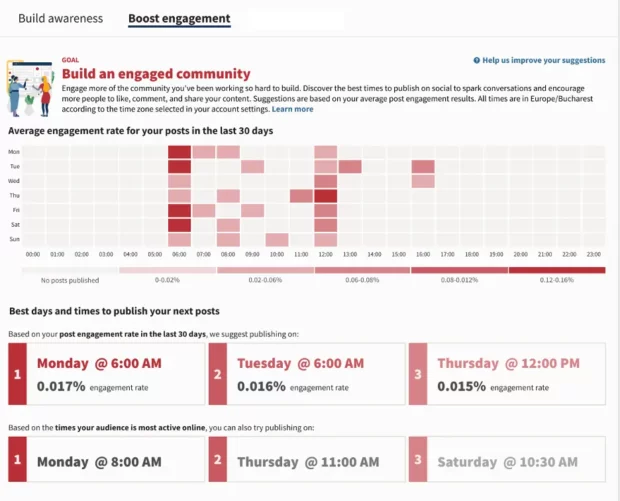
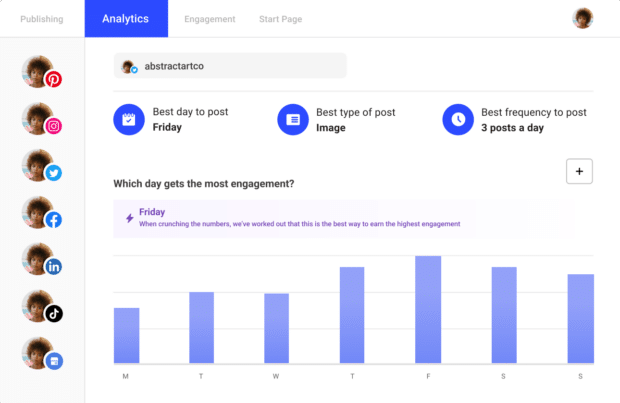
- Optimal Timing: Most tools now leverage AI to predict the exact minute an audience is most likely to engage, resulting in an average engagement lift of 18-22%.
Implications for Future Strategy
The shift toward automated scheduling has significant implications for how brands communicate.

1. The Rise of "Evergreen" Recycling
Tools like MeetEdgar allow brands to build a library of high-performing posts that rotate automatically. This ensures that a brand’s presence remains active even during off-hours, keeping the algorithm satisfied without constant manual intervention.
2. The Integration of E-commerce
With tools like Post Studio, the barrier between a product catalog and a social post has collapsed. Brands can now ensure that when a product is added to a Shopify store, it is automatically queued for social promotion, shortening the path to purchase.
3. Governance and Compliance
For enterprises, scheduling tools act as an audit trail. With global regulations on advertising and data privacy, having a centralized system where every post is documented, approved, and tracked is essential for risk management.
Expert Perspective: Why Native Schedulers Aren’t Enough
While platforms like Meta Business Suite offer free, native scheduling, they are limited by their silos. They cannot provide a unified view of a brand’s presence across X, LinkedIn, Pinterest, and TikTok.
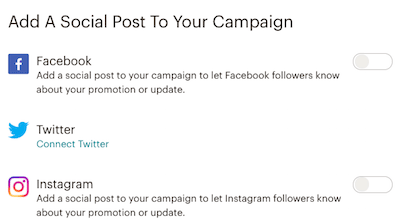
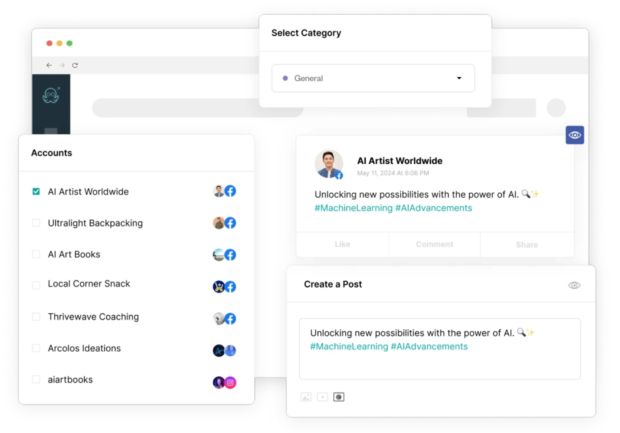
Professional marketers require a centralized command center. A unified dashboard allows for cross-channel strategy alignment—ensuring that a product launch is teased on X, visually showcased on Instagram, and detailed on LinkedIn in a cohesive, synchronized rollout.

Conclusion: Investing in Your Workflow
In 2026, the question is not if you should use a scheduling tool, but which tool fits your specific operational maturity. Small creators may find the simplicity of Buffer or the visual clarity of Later sufficient. However, scaling businesses and global enterprises must look toward robust solutions like Hootsuite or HubSpot to ensure their social media efforts scale alongside their business goals.
By centralizing content, automating routine tasks, and leveraging data-backed insights, marketing teams can stop managing their feeds and start managing their strategy. The technology is available; the competitive advantage goes to those who implement it with the most intention.

About the Author: Christina Newberry has been tracking the evolution of digital marketing for over two decades. A veteran of the industry since 2002, she has watched the transition from email-focused marketing to the complex, multi-channel social media ecosystems of today. She has been a lead contributor to the Hootsuite blog since 2016, providing actionable insights for social media managers worldwide.
 Reynand Wu
  Muslim
  Nila Kartika Wati