
 By Ali Ikhwan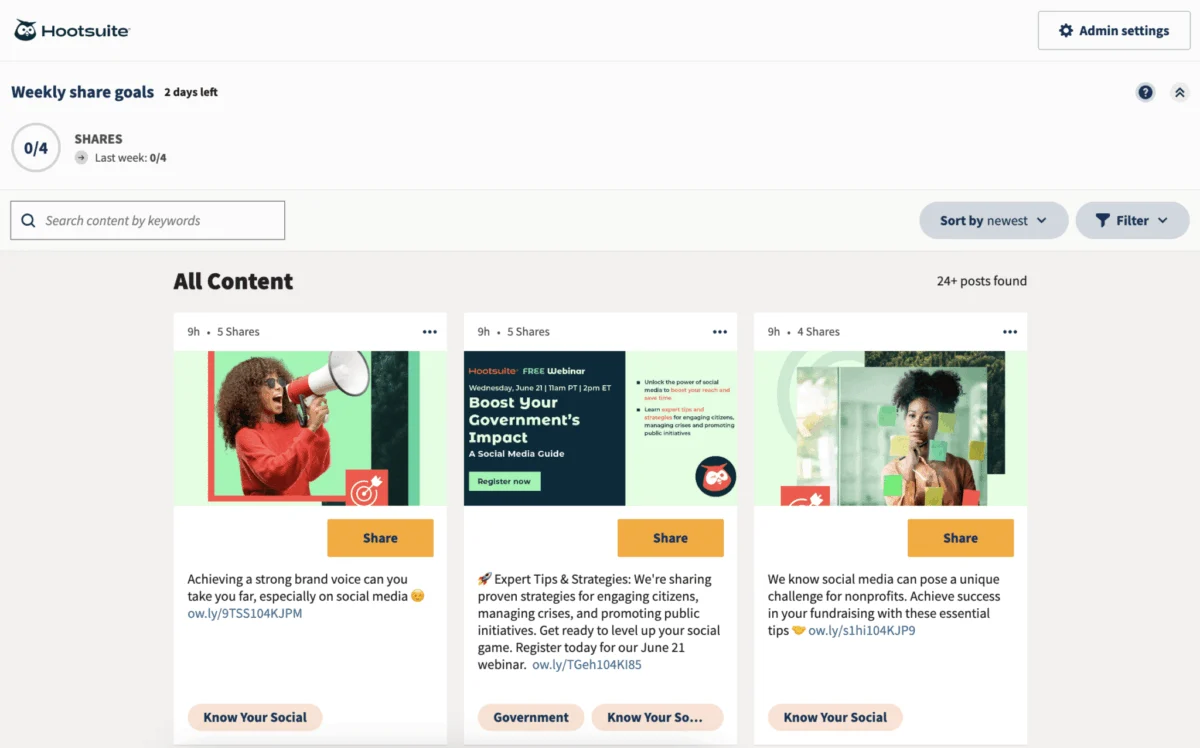
For over a decade, social media was treated as the "fun" department—a digital playground for memes, brand banter, and the occasional viral stunt. While those elements still serve a purpose in building community, the landscape has undergone a seismic shift. Today, social media is no longer just a megaphone for brand personality; it has matured into a critical, data-dense driver of revenue and business growth.
In an era of tightening marketing budgets and heightened scrutiny from the C-suite, the transition from "vanity metrics" to "performance marketing" is no longer optional. It is the survival strategy for modern marketers.

The Paradigm Shift: What is Performance Marketing?
Performance marketing is a results-driven philosophy that prioritizes tangible outcomes—clicks, qualified leads, and final sales—over mere visibility. In traditional marketing models, objectives like "brand awareness" were often vague and difficult to tether to a balance sheet. Because these efforts were hard to quantify, marketing departments frequently bore the brunt of budget cuts during fiscal downturns.
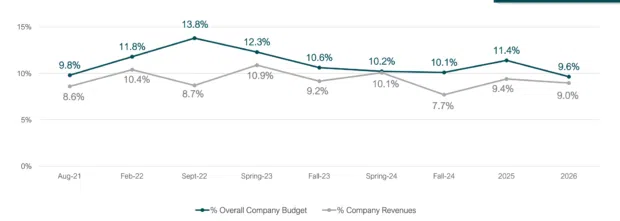
Data from the 2026 CMO Survey highlights the urgency of this transition: marketing budgets have dipped to 9.6% of overall company budgets, their lowest point since 2021. When profits fall short, marketing is the first department to see a reduction in spend 45% of the time. To avoid this, marketers must transform their departments from "cost centers" into "profit centers" that demonstrate a clear, high-return-on-investment (ROI) path.

Chronology of the Social Media Evolution
To understand how we arrived at the current performance-focused era, we must look at the trajectory of the medium:
- 2010–2015 (The Viral Era): Success was measured by "likes," "shares," and follower counts. The focus was on reach and sentiment, with little correlation to bottom-line revenue.
- 2016–2020 (The Platform Saturation Era): As platforms introduced sophisticated advertising tools (like Meta’s Business Manager), businesses began to see the potential for direct response. However, organic content remained largely separated from paid performance.
- 2021–2024 (The Attribution Era): Advanced tracking tools and AI-driven analytics emerged, allowing marketers to trace the customer journey across multiple touchpoints. The rise of social commerce (TikTok Shop, Instagram Shopping) blurred the lines between discovery and checkout.
- 2025–Present (The Performance Integration Era): We have reached the point where social media is fully integrated into the broader revenue funnel. Today, a single social post is expected to be as trackable and accountable as a search engine ad or an email marketing campaign.
The Data-Driven Foundation: Measuring What Matters
To convert social media into a performance-driven channel, marketers must stop obsessing over vanity metrics and start building a robust data infrastructure. This begins with aligning social goals with the broader business objectives of the company.
Mapping Goals to KPIs
Every social media action must be linked to a business outcome. If the company is focused on rapid market share growth, social media KPIs should revolve around lead generation and customer acquisition costs (CAC). If the company is focusing on profitability, the focus should shift to high-intent traffic and conversion rates.
The Power of Social Listening
Social listening is the "unstructured data" goldmine. By monitoring conversations, sentiment, and trending topics, marketers can gather real-time intelligence that informs product development, customer service, and market research. This moves the social team from the edge of the organization to the center of strategic planning.

Attribution Modeling
The most common mistake in social media marketing is relying on "last-click" attribution. A customer rarely buys after a single social post. They see an ad, read a blog post, visit the site, abandon the cart, and then return via an email link. Using sophisticated attribution models in tools like Google Analytics ensures that social media gets the credit it deserves for its role in the "top-of-funnel" and "middle-of-funnel" stages.
Implications for the Modern Enterprise
The shift to performance marketing has profound implications for how teams are structured and how they communicate with leadership.

Breaking Down Silos
Performance-based social media requires cross-functional collaboration. The social team must work closely with data analysts, marketing operations, and sales departments. This ensures that the leads generated on social media are being nurtured effectively by the sales team, creating a seamless revenue loop.
The Role of Strategic Recommendations
When social teams leverage A/B testing and performance tracking, they gain insights that no other department has. The most effective social media managers today act as internal consultants. They don’t just present "a report of what happened"; they present "a strategy of what to do next." By recommending shifts in budget, creative direction, or product positioning based on data, social teams earn their seat at the table during budget reviews.

Proven Tactics for Performance Success
To drive measurable results, brands should adopt a proven, iterative approach to their social content.
1. Rigorous A/B Testing
Social media offers a unique advantage: the ability to test creative variations in real-time. By testing one variable at a time—such as a headline, a call-to-action button, or a video thumbnail—marketers can scientifically optimize for higher conversion rates. The use of AI-copywriting tools allows teams to generate the high volume of creative assets needed for continuous testing without exhausting resources.

2. Strategic Content Distribution
"Spray and pray" is dead. Performance-driven marketers treat every platform differently. A blog post might be repurposed as a thought-leadership carousel on LinkedIn, a quick-cut video on TikTok, and a poll on X (formerly Twitter). By tailoring the format to the platform’s algorithm, brands maximize organic reach, which in turn reduces the spend required for paid amplification.
3. Employee Advocacy Programs
Empowering employees to share brand content can amplify reach exponentially. When staff members share approved resources, they provide a level of social proof that corporate accounts simply cannot match. This builds trust and lowers the overall cost of acquisition.
4. Conversion Rate Optimization (CRO)
It is not enough to drive traffic to a website; that traffic must convert. High-performing social teams work with web teams to ensure that the landing pages linked from social media are optimized for conversion. This might involve creating gated whitepapers, hosting live webinars, or offering exclusive discounts that require an email sign-up.
Documenting the "Success Story"
Data is the backbone of the argument, but stories are the muscle. When a campaign drives a massive spike in revenue or leads to a breakthrough in brand sentiment, it is vital to document the journey. According to Gartner, over 50% of non-marketing leaders believe that marketing departments have an "inflated view of their importance."

A compelling, documented success story—where the social team identifies a trend, builds a campaign, tracks the results, and ties them to revenue—is the most effective way to disprove this perception. It transforms the social media team from a "creative shop" into a vital business asset.
Future-Proofing the Social Strategy
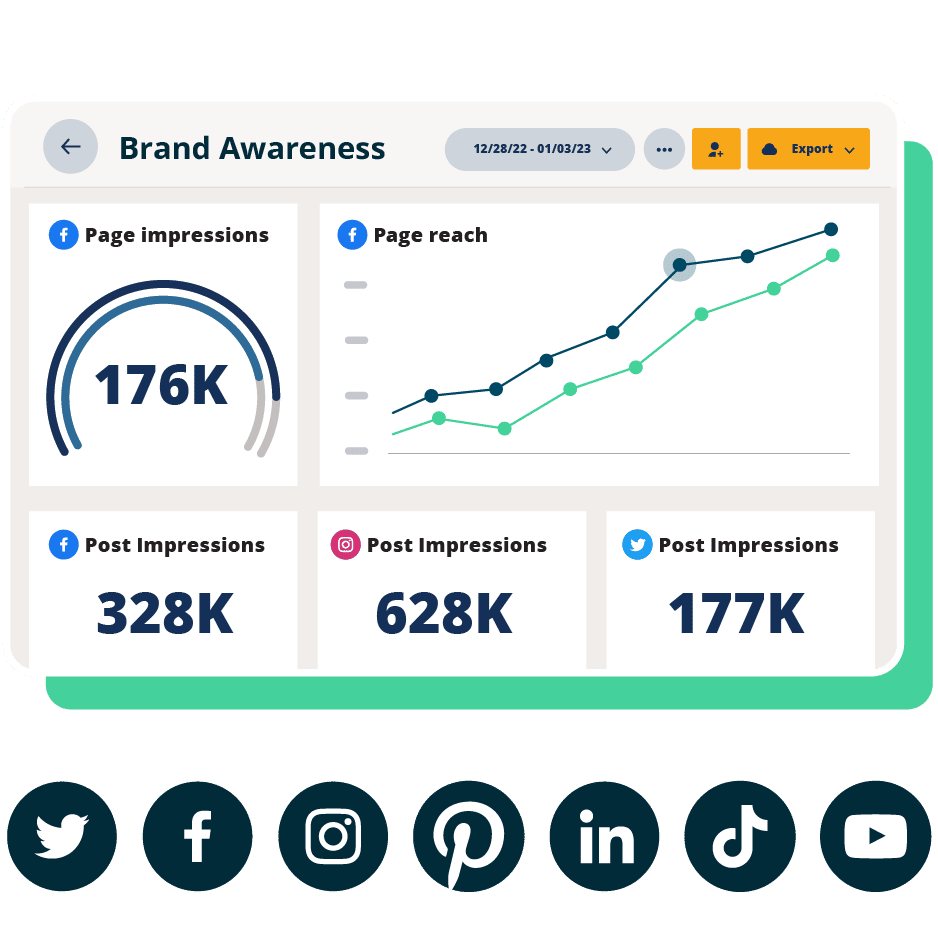
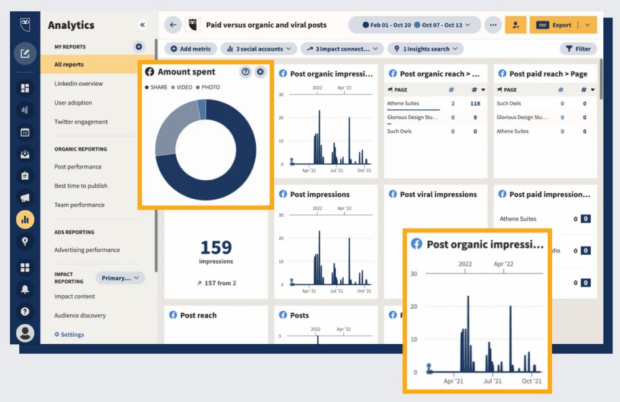
As the industry moves forward, the divide between "performance marketing" and "social media" will continue to vanish. The tools we use must reflect this reality. Advanced platforms like Hootsuite are leading this charge by integrating analytics, social listening, and ROI reporting into a single dashboard.

These tools allow for:
- Automated Reporting: Creating professional, stakeholder-ready reports that speak the language of the C-suite (revenue, cost savings, and ROI).
- Competitive Benchmarking: Measuring performance against industry standards, providing the context that executives need to evaluate success.
- Integrated Advertising: Managing organic and paid efforts in one place to prevent duplicate spend and ensure a consistent message.
Conclusion: The Path Ahead
The era of "likes" as a primary success metric is effectively over. While community building remains a core function of social media, the primary metric of success for the modern marketer is the ability to demonstrate value. By adopting a performance-driven mindset, utilizing advanced data tracking, and integrating social media into the broader business intelligence framework, marketers can secure their budgets, elevate their influence, and drive the bottom line in an increasingly competitive digital landscape.
The question for every social media professional is no longer "How many likes did we get?" but "How much value did we generate?" Those who answer this question with data, consistency, and strategic insight will be the ones who lead their organizations into the next decade of growth.
 Reynand Wu
  Muslim
  Nila Kartika Wati