
 By rifanmuazin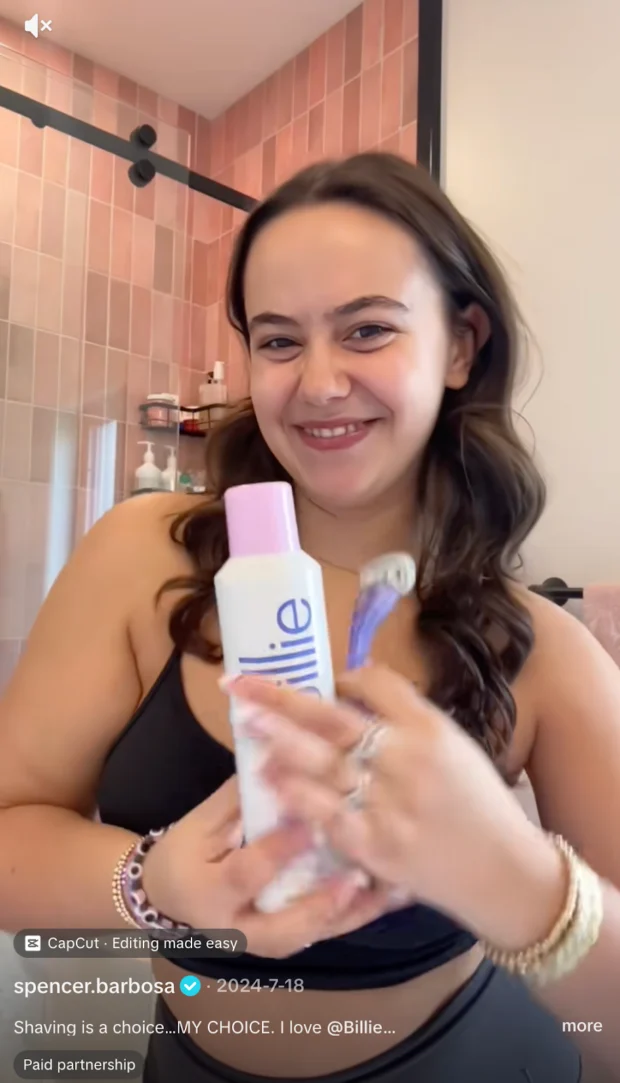
In the digital landscape of 2026, TikTok has transcended its origins as a short-form entertainment app to become a primary engine for global commerce. With over 1.59 billion active users, the platform now functions as a search engine, a storefront, and a community hub. For businesses looking to maintain a competitive edge, understanding the nuances of the TikTok ecosystem is no longer optional—it is a strategic imperative.

The Evolution of TikTok Marketing: From Entertainment to E-Commerce
TikTok marketing is the strategic practice of leveraging the platform’s unique algorithm to promote brands, products, and services. While early adopters focused on viral dances and lip-syncing, the modern iteration of the platform centers on "Social Commerce." Features like TikTok Shop and integrated in-app checkout have turned casual browsing into high-conversion shopping sessions.

Key Pillars of Modern TikTok Strategy
- Influencer Partnerships: Collaborating with creators who hold genuine sway over their niches.
- TikTok SEO: Optimizing video captions, on-screen text, and audio cues to rank in the platform’s search results.
- Community Engagement: Moving beyond one-way broadcasting to participate in comment-section dialogues.
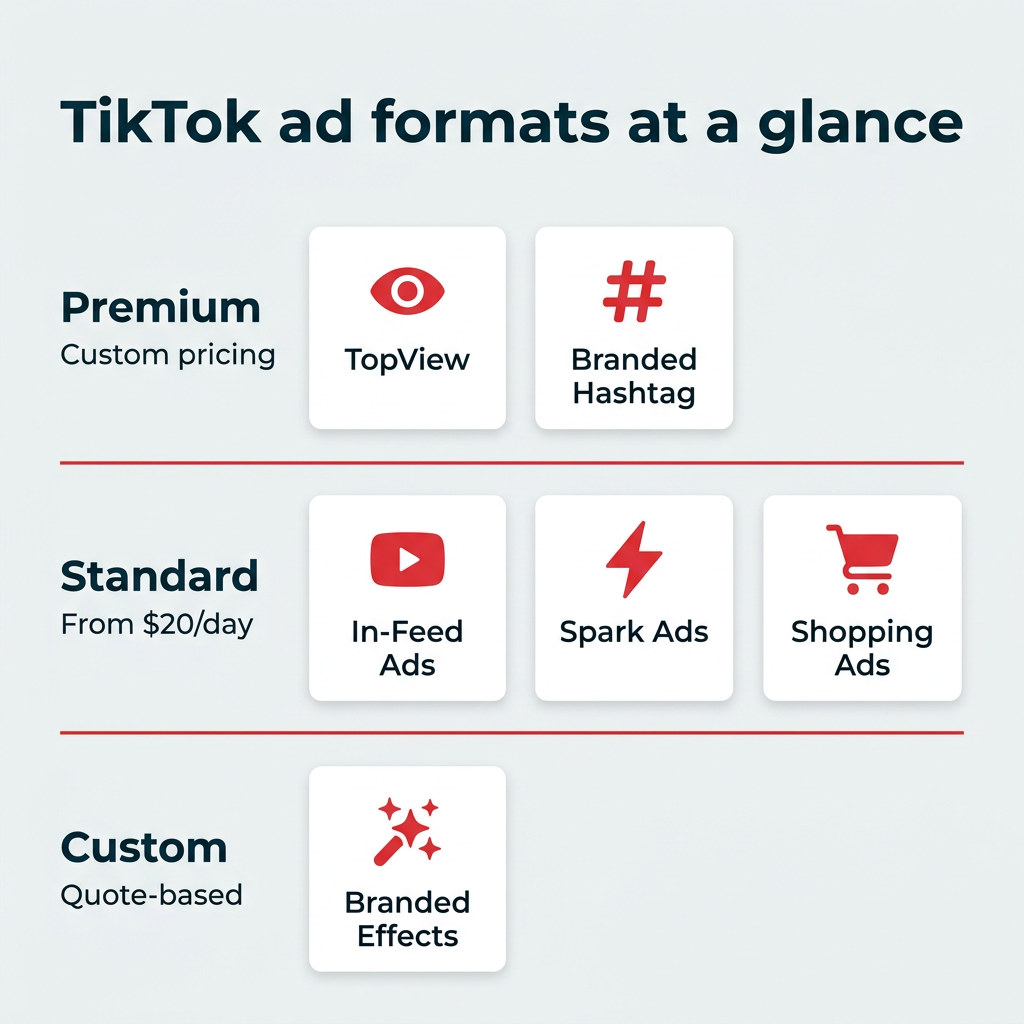
- Performance Advertising: Utilizing tools like Spark Ads to amplify successful organic content with paid precision.
Chronology of Platform Maturity
The trajectory of TikTok has been defined by rapid shifts in consumer behavior. Understanding this timeline is essential for planning future campaigns:
- 2020–2022 (The Growth Phase): The platform exploded in popularity, defined by viral challenges and a "creator-first" mentality. Brands began testing the waters with low-production, authentic content.
- 2023–2024 (The Commercial Pivot): The introduction of TikTok Shop and advanced affiliate marketing programs shifted the focus toward direct attribution and measurable ROI.
- 2025–2026 (The Search Engine Era): TikTok has solidified its role as a search engine, particularly among Gen Z and Millennials, who prefer video-based tutorials and reviews over traditional text-based search results.
Supporting Data: Why TikTok Remains a Powerhouse
Data from 2026 suggests that TikTok is a primary driver of consumer purchasing decisions. U.S. users currently spend an average of 44 hours per month on the app, a figure that dwarfs the time spent on many traditional media channels.
| Metric | Insight |
|---|---|
| Primary Age Demo | 25-34 (with a strong, loyal Gen Z base) |
| Average Monthly Usage | 44+ hours per user |
| Search Behavior | 1 in 3 users utilize TikTok as a primary discovery tool for products |
| Engagement Rate | Consistently higher than legacy platforms for short-form video |
Building a Robust TikTok Marketing Strategy
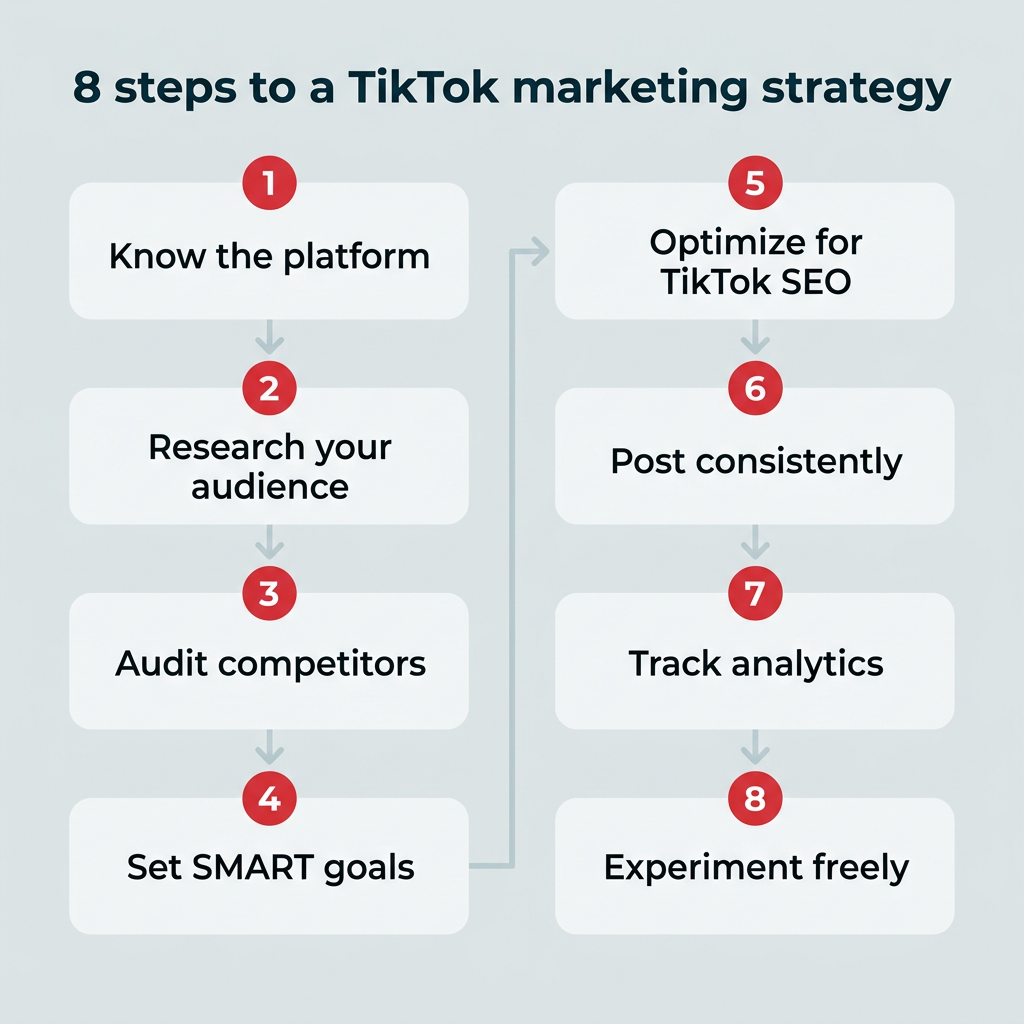
Creating content that resonates requires a disciplined, data-driven approach. Organizations should follow this established framework to maximize their impact.
1. The Audit and Research Phase
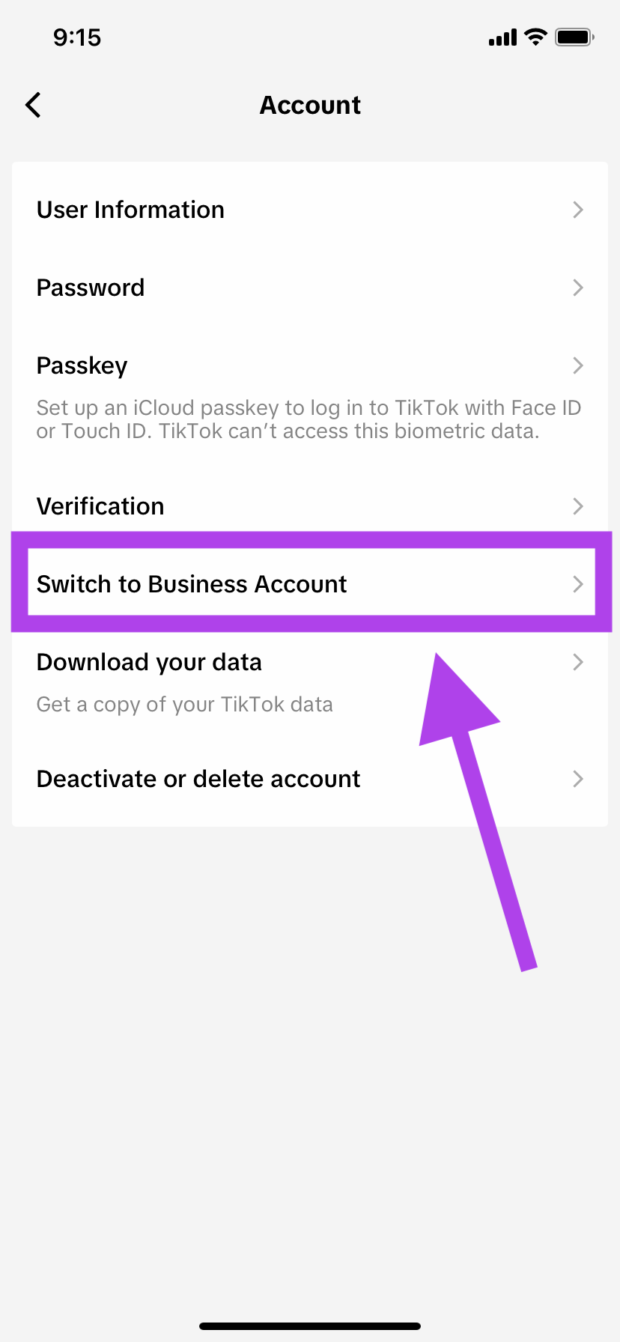
Before posting, businesses must perform a competitive audit. Using the S.W.O.T. (Strengths, Weaknesses, Opportunities, Threats) framework, teams should analyze 3–5 competitors. Identify their engagement strategies and note where they fall short. Furthermore, utilize the TikTok Creative Center to identify trending sounds, hashtags, and formats that align with your brand voice.
2. Setting S.M.A.R.T. Objectives
Avoid the "vanity metrics" trap. Goals should be Specific, Measurable, Attainable, Relevant, and Timely.
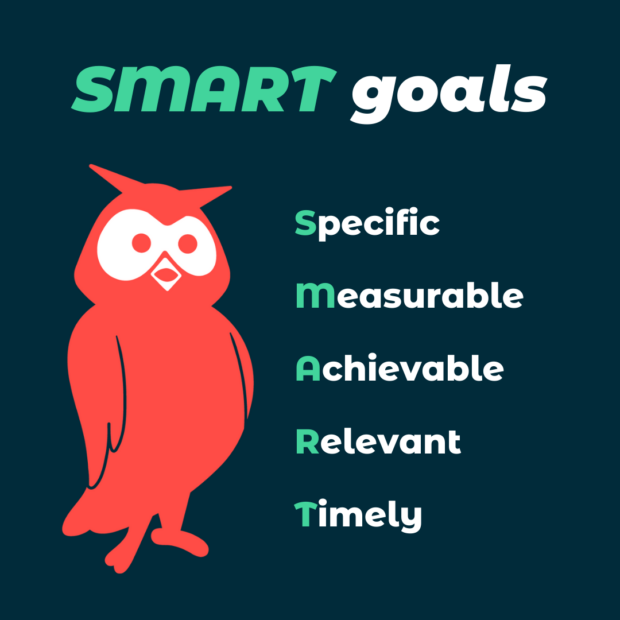
- Example: "Increase TikTok-driven website traffic by 25% by the end of Q3," or "Generate 500 direct sales through TikTok Shop in H2 2026."
3. Mastering the 3-Second Rule
Attention spans are finite. The first three seconds of your video are the most critical. You must provide a "hook"—a visual or auditory spark that gives the viewer a reason to stop scrolling. Whether it’s an intriguing question, a high-energy transition, or a bold statement, your hook dictates your retention rate.
4. Consistent Cadence
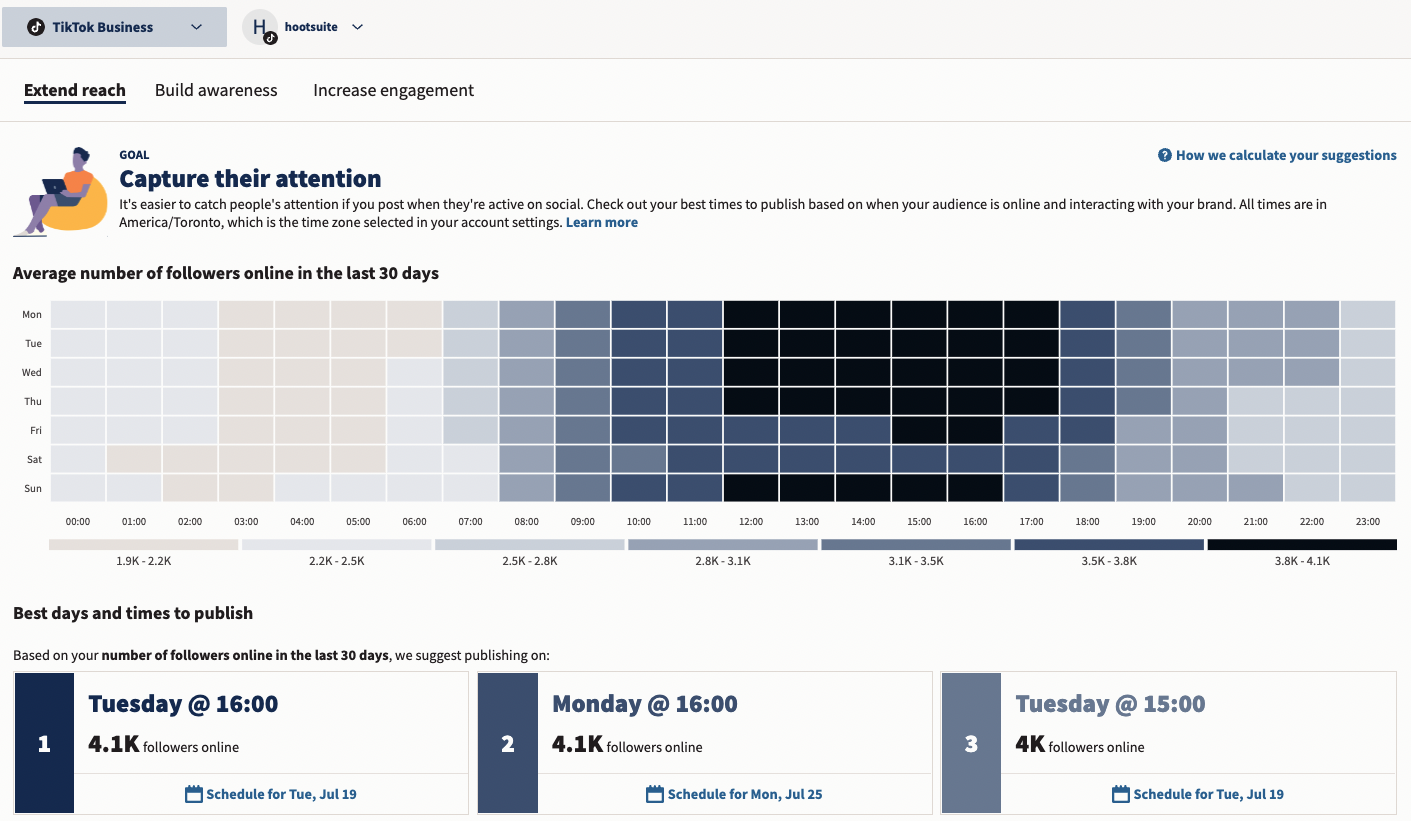
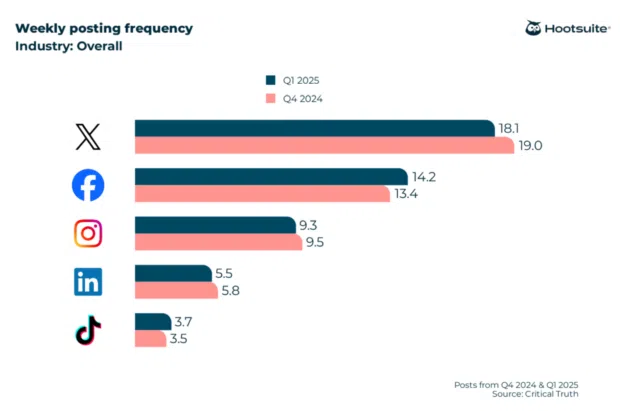
While TikTok recommends posting 1–4 times per day, this is often unsustainable for enterprise teams. Research indicates that 3–5 high-quality posts per week is the "sweet spot" for maintaining visibility without sacrificing quality. Utilize scheduling tools like Hootsuite to ensure your content hits the feed when your specific audience is most active.
Official Stance and Regulatory Considerations
As of 2026, TikTok remains a globally available platform; however, its regulatory status remains a subject of ongoing review in several jurisdictions. For marketing teams, the best strategy is "content portability." Ensure that your high-value video assets are stored and adaptable for other platforms like Instagram Reels and YouTube Shorts. This "omnichannel" mindset protects your brand if regional access or platform policies undergo sudden shifts.
Implications for Future Growth
The shift toward TikTok as a search engine has massive implications for how brands allocate their SEO budgets. Traditional website-based SEO is no longer sufficient. Brands must now prioritize "Video SEO," which involves:
- Keyword-Rich Captions: Ensuring your descriptions contain the terms your customers are searching for.
- On-Screen Text: Using clear, searchable text overlays that the TikTok algorithm can index.
- Spoken Keywords: Verbally mentioning product features or industry terms, as the platform’s voice-to-text indexing has become highly sophisticated.
Tactical Advice for 2026 Success
To thrive, brands must stop acting like advertisers and start acting like creators. Here are three proven tactics for the current year:
The "Comment-as-Content" Strategy
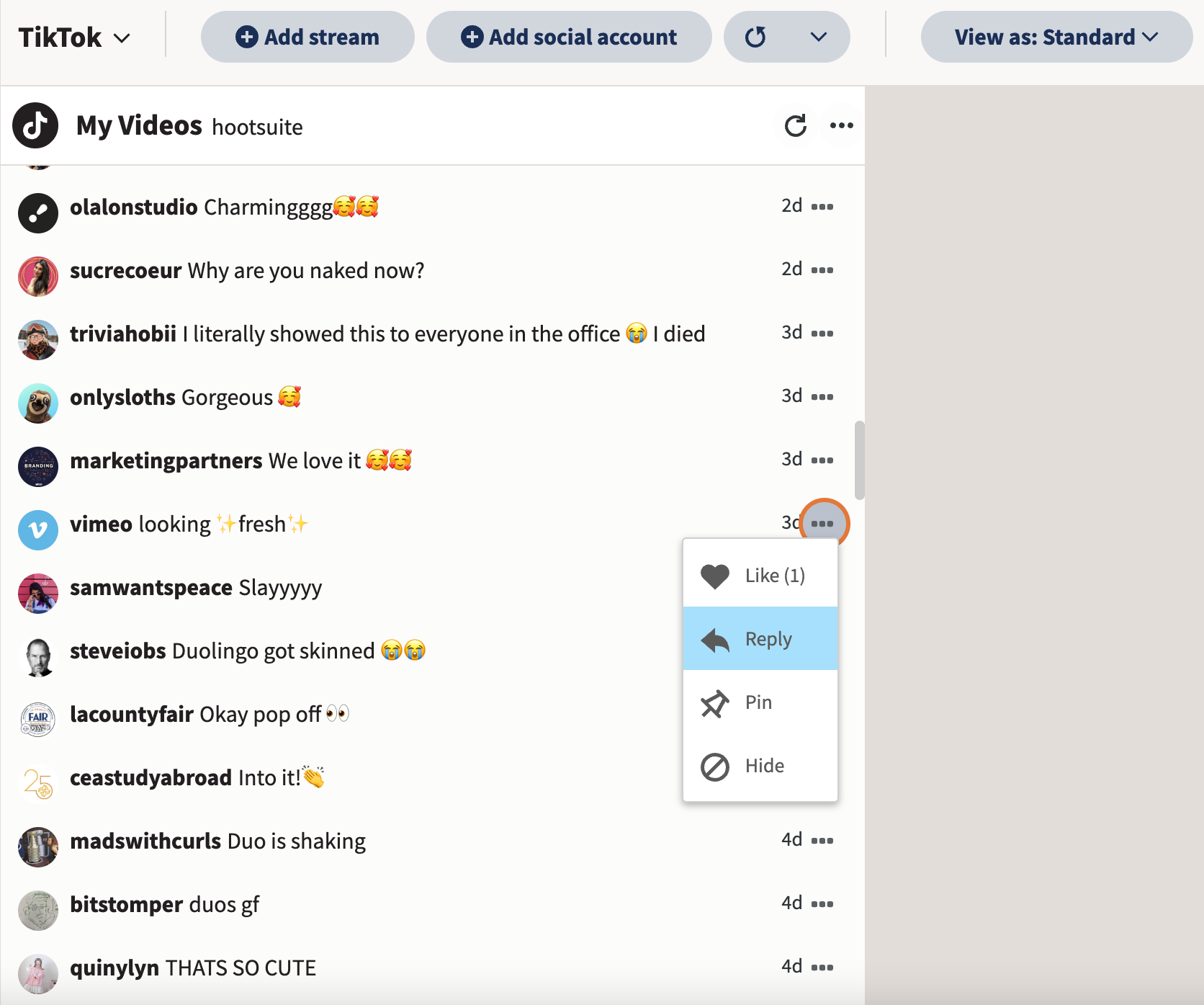
The TikTok algorithm prioritizes videos that generate conversations. When a user asks a question in the comments, respond with a video. This not only builds community trust but also doubles your content output while directly addressing your customers’ pain points.
Leveraging Influencer Micro-Partnerships
Instead of one massive, expensive influencer campaign, consider "micro-influencer" clusters. Partnering with 10 creators who have 50,000 followers each often results in higher engagement and better ROI than one celebrity endorsement. These creators often have deeper, more trusting relationships with their communities.
The "Behind-the-Scenes" Transparency
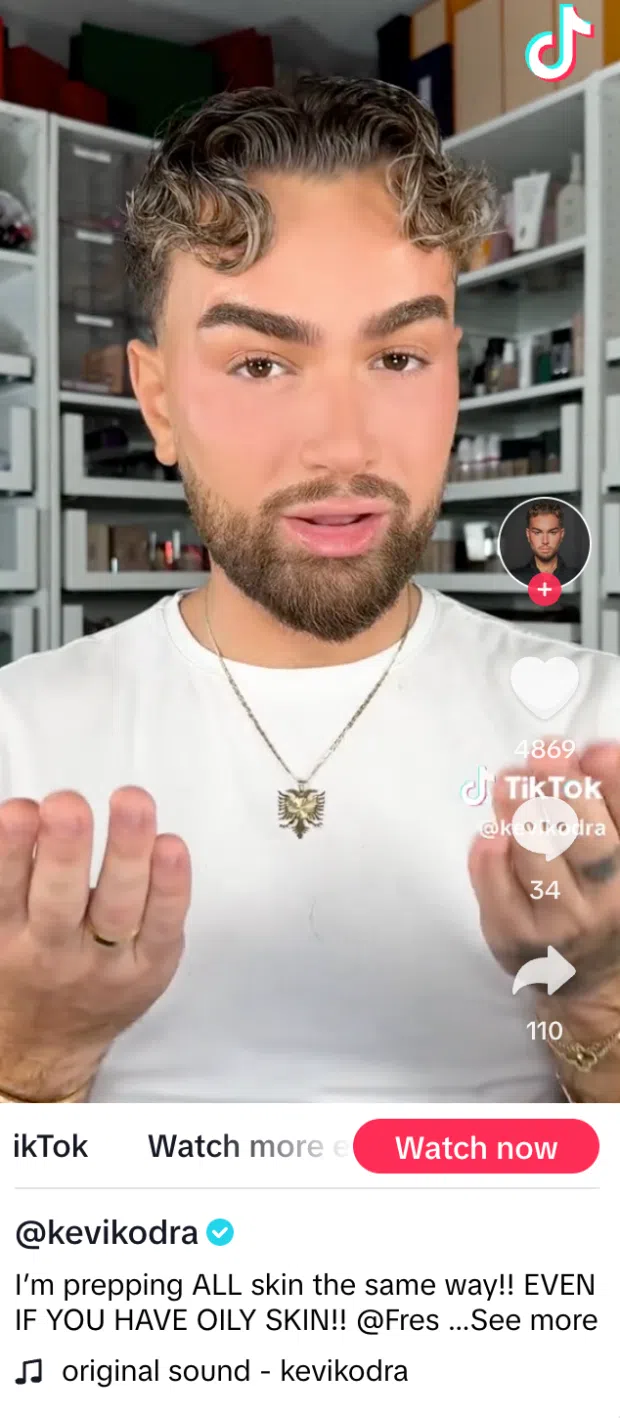
In 2026, consumers are weary of over-polished, corporate-style ads. Behind-the-scenes content—showing the manufacturing process, the packing of orders, or the "trial-and-error" of product development—builds radical transparency. This honesty is the currency of trust in the modern digital marketplace.
Conclusion: The Path Forward
TikTok marketing in 2026 is no longer about "going viral" by accident. It is about building a sustainable, data-backed ecosystem where content discovery leads directly to conversion. By focusing on SEO-friendly video, fostering genuine community, and maintaining a consistent publishing schedule, businesses can turn the world’s most engaging social network into their most profitable sales channel.
As you navigate this journey, remember that the most successful brands on TikTok are those that aren’t afraid to experiment. Use the analytics, trust the data, and—most importantly—have fun with the creative process. In the world of TikTok, being "human" is your greatest competitive advantage.
Need to streamline your social media workflow?
Try Hootsuite today to schedule posts, manage comments, and track your TikTok ROI from a single, intuitive dashboard.
 Reynand Wu
  Muslim
  Nila Kartika Wati