
 By Reynand Wu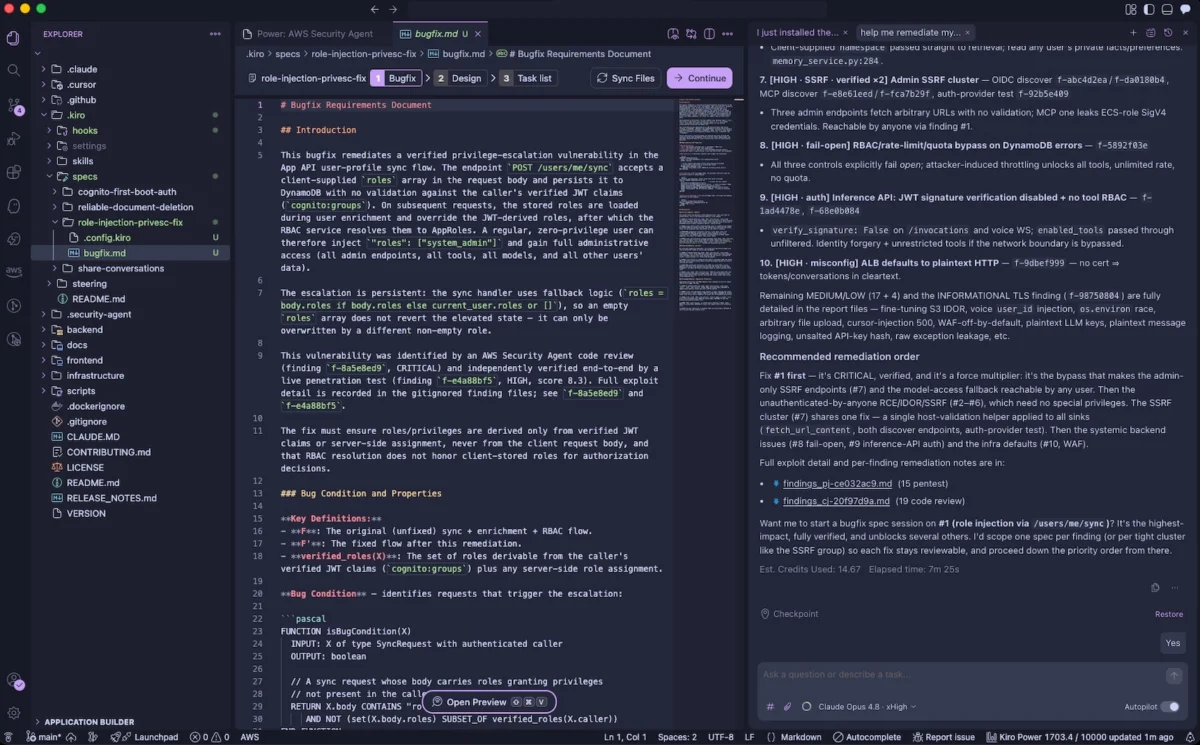
The modern software development lifecycle (SDLC) has become increasingly complex, with rapid deployment cycles and distributed architectures creating a vast surface area for potential security vulnerabilities. At re:Invent 2025, Amazon Web Services (AWS) introduced a paradigm shift in how organizations approach application security with the unveiling of the AWS Security Agent. Now a cornerstone of the AWS Continuum initiative, this frontier agent has evolved from a preview concept into a comprehensive, proactive security ecosystem that spans the entire development lifecycle.
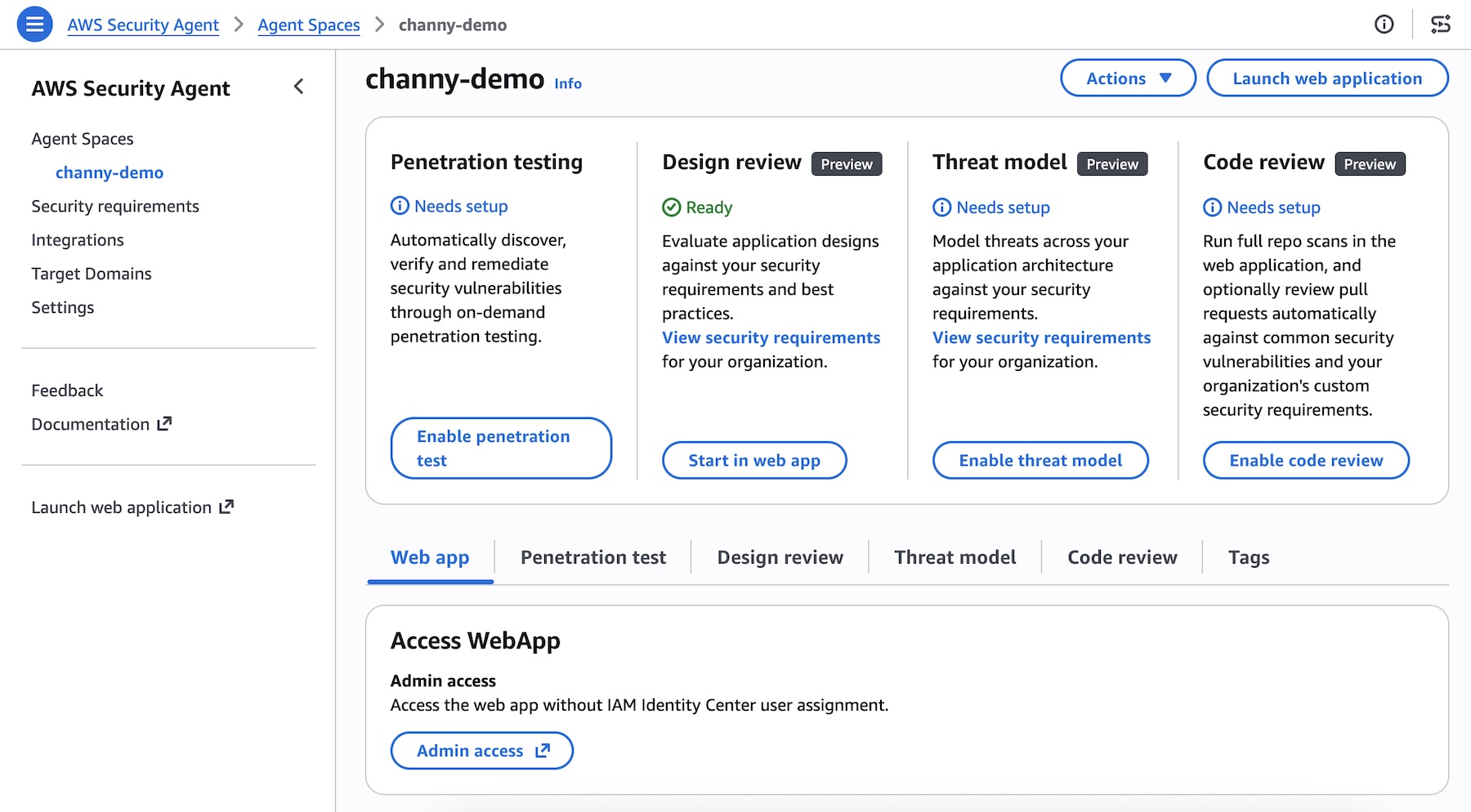
In a series of major updates announced in June 2026, AWS has significantly expanded the capabilities of the Security Agent, transforming it from a simple scanning tool into a sophisticated, AI-driven partner that integrates deeply into the developer’s workflow. By bridging the gap between design, code, and deployment, AWS is effectively democratizing enterprise-grade security.
The Chronology of Innovation: From Preview to Powerhouse
The trajectory of the AWS Security Agent reflects the rapid pace of innovation within the DevSecOps space.

- re:Invent 2025 (The Foundation): AWS unveiled the Security Agent in preview, promising a proactive security posture from the design phase through to deployment. Its core value proposition was the ability to perform on-demand penetration testing customized to individual application architectures.
- March 2026 (The GA Milestone): AWS announced the General Availability (GA) of the on-demand penetration testing feature, allowing security teams to verify vulnerabilities through actual exploitability testing rather than relying on theoretical risk assessments.
- May 2026 (Deep Analysis): The introduction of full repository code reviews moved the needle further, enabling the Agent to perform context-aware, deep security analysis across entire codebases.
- June 2026 (The Ecosystem Expansion): The most recent update introduces multi-platform repository support, automated threat modeling, and, crucially, the integration of "Kiro power" and Claude Code plugins, bringing security intelligence directly into the Integrated Development Environment (IDE).
Core Capabilities: Beyond Pattern Matching
The traditional approach to security scanning—often reliant on static analysis and simple pattern matching—has long struggled with high false-positive rates and a lack of context. The AWS Security Agent fundamentally changes this dynamic.
Intelligent Code Review and Multi-Repo Support
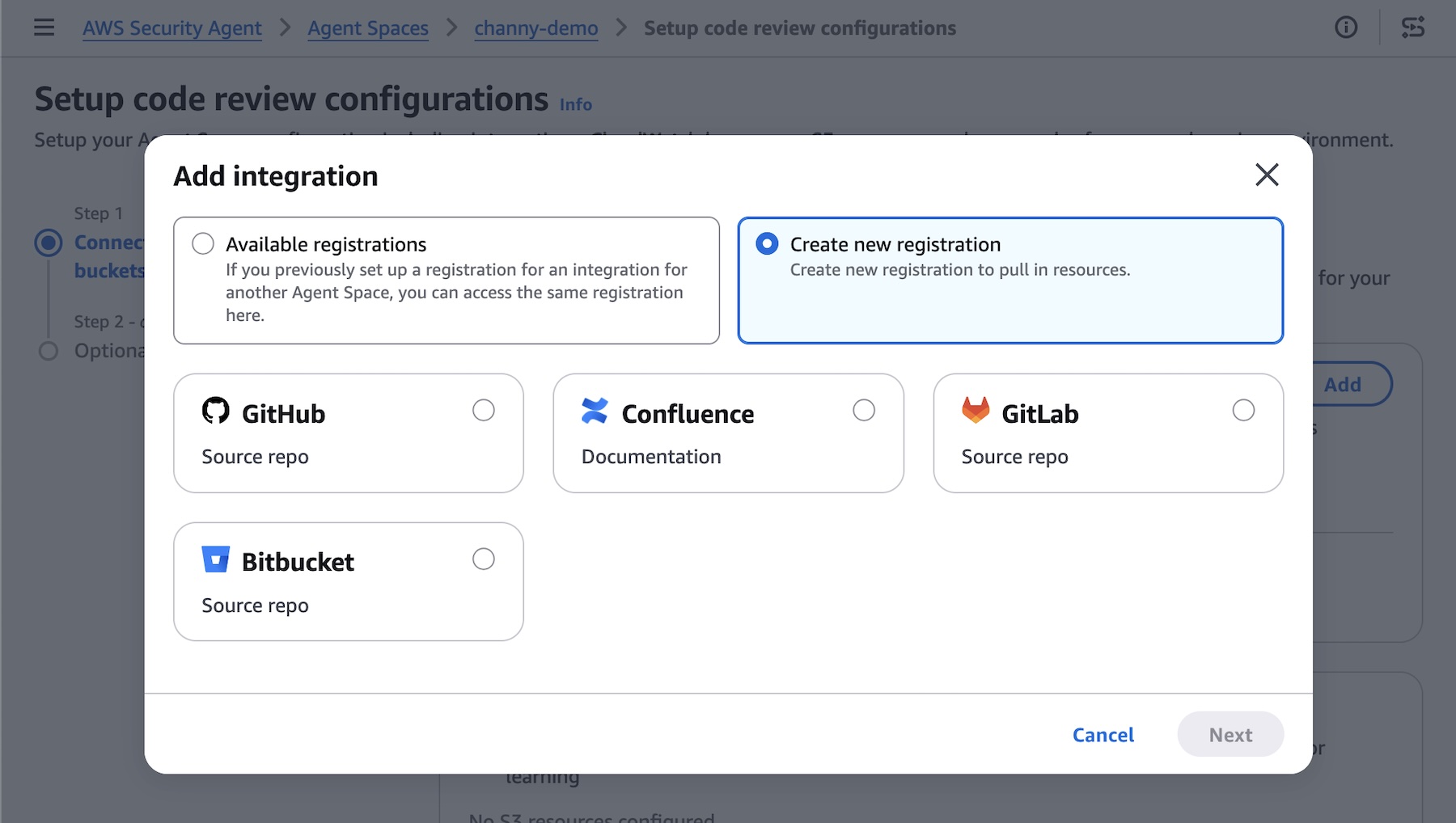
The latest iteration of the Security Agent allows developers to connect to GitHub, GitLab, and Bitbucket, supporting both SaaS and self-hosted instances. This ensures that security oversight is not siloed by the choice of version control. Furthermore, by integrating with Confluence, the Agent can now reference internal documentation to provide context-aware security analysis. It doesn’t just look for vulnerable code snippets; it understands the business logic and organizational security requirements, ensuring that every pull request adheres to internal standards.
Automated Threat Modeling
Perhaps the most significant addition is the automated generation of threat models. By analyzing design documents and source code, the Agent maps out data flows, architecture components, and trust boundaries. It identifies potential threat actors and attack vectors, prioritizing them based on risk. This shifts security "left," allowing architects to address structural flaws long before a single line of production code is written.

Managed Compliance Packs
To simplify the burden of audit readiness, AWS has introduced managed compliance packs. Whether an organization needs to adhere to the AWS Well-Architected Framework, NIST CSF, or PCI DSS, the Agent continuously validates designs and code against these benchmarks. Each finding is mapped back to the compliance posture, providing a real-time dashboard for security auditors.
The Developer Experience: Integrating Security into the IDE
The most critical barrier to robust security is often the friction it creates for developers. By forcing engineers to switch contexts between their code editors and external security consoles, organizations often see security checks bypassed or delayed.
The introduction of the Kiro power and the Claude Code plugin addresses this friction head-on. Through an open Model Context Protocol (MCP) integration, developers can now interact with the AWS Security Agent directly within their IDE.
Security at the Speed of Typing
Developers can trigger a threat model or a full repository security scan by simply asking the Kiro assistant. For instance, typing "Run a full security scan on this repo" initiates a deep analysis that surfaces findings inline. If a vulnerability is found, the agent doesn’t just report the issue; it provides remediation guidance and generates the fix commits.
This creates a "loop-closing" mechanism:
- Detection: The Agent identifies a security risk.
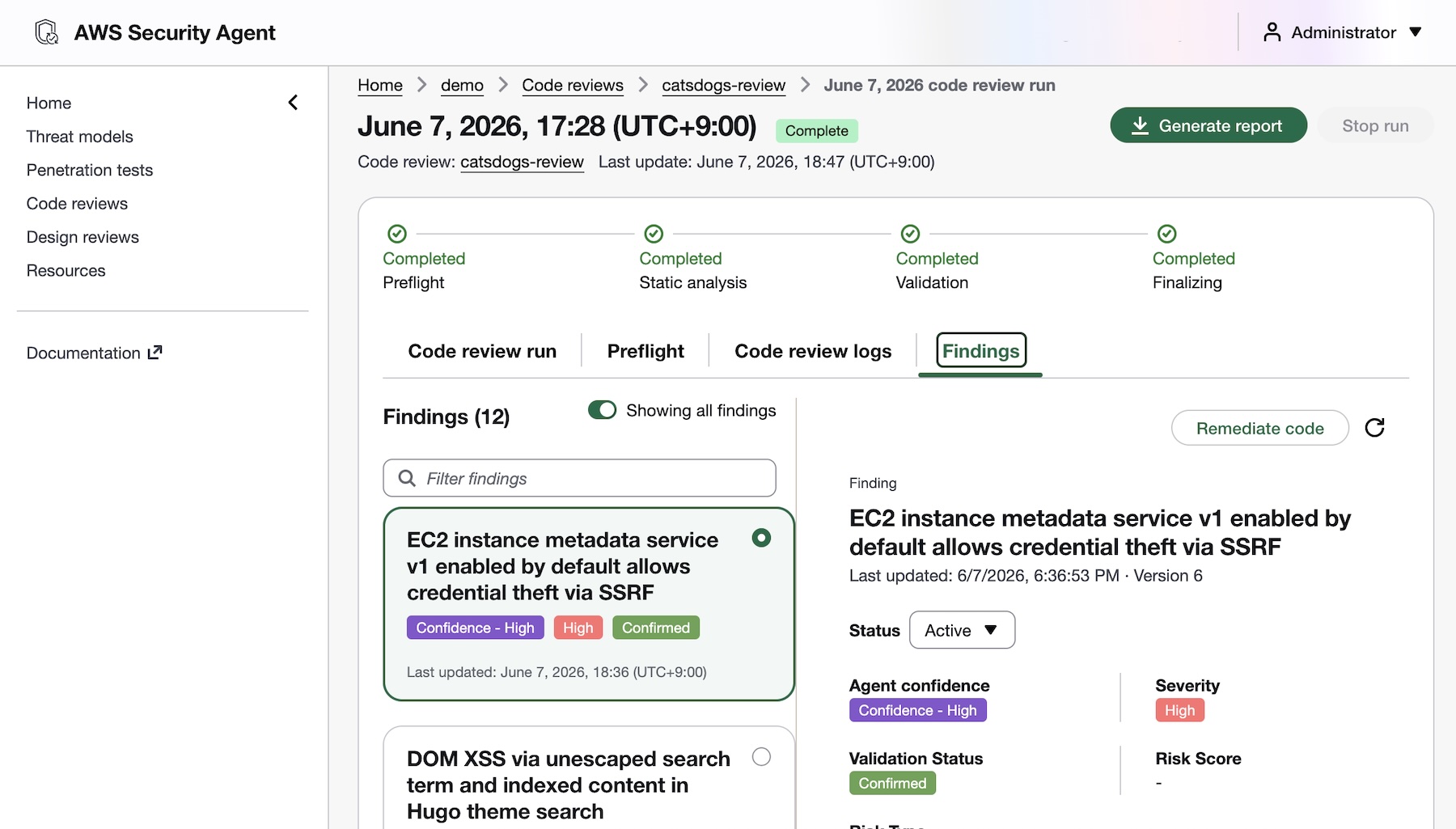
- Validation: The Agent attempts to simulate the exploit to verify it is not a false positive.
- Remediation: The Agent suggests a specific code fix, which the developer can review and apply without ever leaving their workflow.
Implications for the Industry
The maturation of the AWS Security Agent carries profound implications for the software industry at large.
1. The Death of the "Security Bottleneck"
Traditionally, security teams were viewed as a bottleneck, manually reviewing code and architecture at the end of the release cycle. By embedding security expertise into the IDE and the CI/CD pipeline, the AWS Security Agent enables a "Security by Default" culture. Security teams move from being manual gatekeepers to policy orchestrators, configuring the guardrails while developers execute the security measures in real-time.
2. Proof-Based Security
One of the most compelling aspects of the Security Agent is its focus on exploitability. By moving away from purely theoretical vulnerabilities to simulated proof-of-exploit, the agent helps development teams prioritize what truly matters. In a world of "vulnerability fatigue," where teams are often overwhelmed by thousands of alerts, the ability to distinguish between an actionable risk and a benign pattern is invaluable.
3. The Rise of Agentic Security
This rollout represents a broader trend toward "agentic" software—AI entities capable of performing complex, multi-step workflows with minimal human intervention. As the Security Agent gains the ability to "reason" about code and architecture, the role of the security engineer is evolving toward managing the agent’s configuration and ensuring its compliance with changing business requirements.
Supporting Data and Official Insights
According to AWS, the integration of these features has shown a marked reduction in security-related delays within the development pipeline. Early adopters have noted that the ability to perform on-demand penetration testing—which previously required scheduling external consultants or manual red-team exercises—has drastically shortened their deployment lead times.
The flexibility of the tool is further evidenced by its support for hybrid and multi-cloud environments. By allowing users to import their own organizational requirements, the Agent acts as a central repository for "Security Tribal Knowledge." When a new developer joins a team, the Agent’s ability to explain the rationale behind specific architectural constraints serves as a powerful onboarding tool, ensuring consistency across distributed teams.
Future Outlook: A Unified Security Posture
The vision for the AWS Security Agent is to provide a single, unified offering that covers the entire software lifecycle:
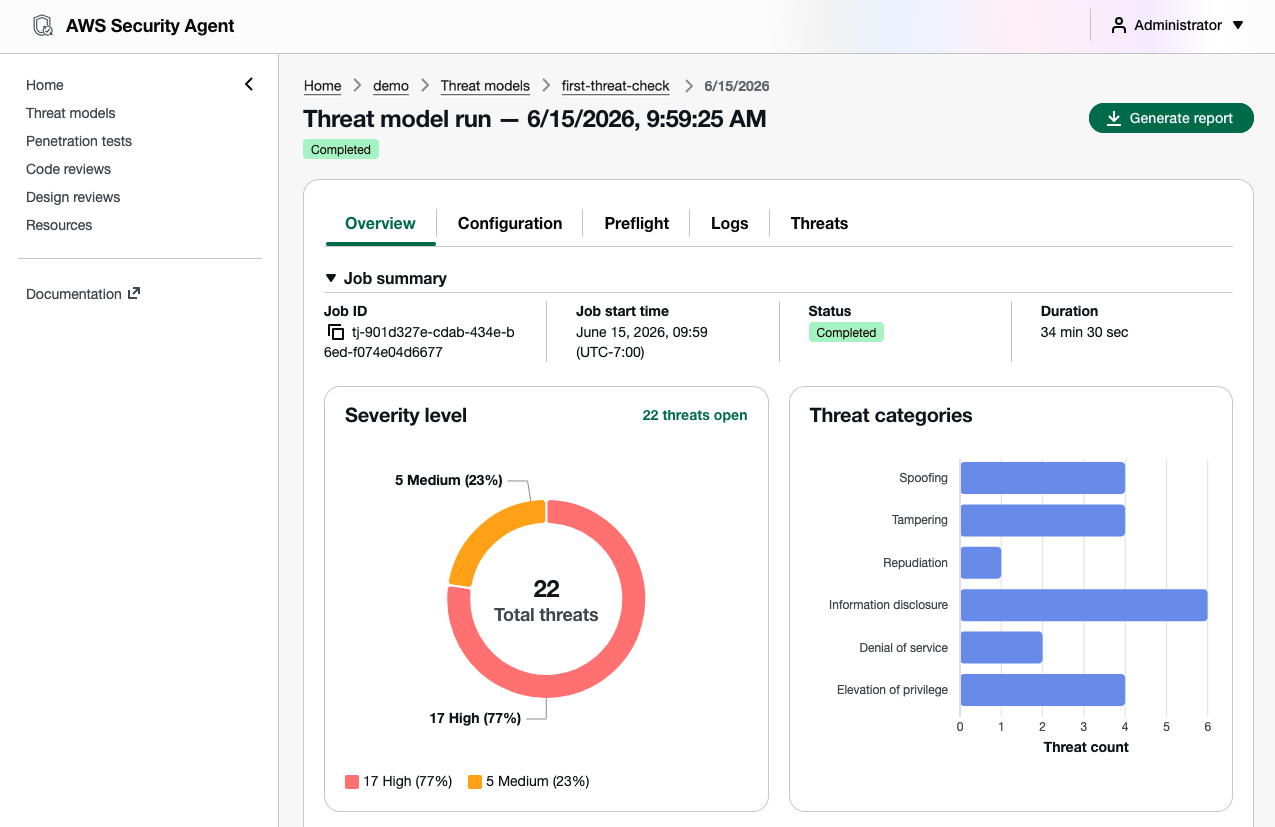
- Design-Time: Threat modeling and design review.
- Development-Time: Real-time code review and IDE integration.
- Deployment-Time: Continuous penetration testing and compliance monitoring.
As the industry continues to grapple with sophisticated supply chain attacks and zero-day vulnerabilities, the demand for this level of automated, proactive security will only grow. AWS has clearly positioned the Security Agent not as a replacement for security professionals, but as a "force multiplier" that enables organizations to scale their security posture in lockstep with their development velocity.
For organizations currently using AWS, the 2-month free trial offers a low-risk opportunity to test the efficacy of the Agent against their existing codebases. As noted by Channy Yun, Principal Developer Advocate at AWS, the feedback loop provided by the AWS re:Post community will be essential in refining the Agent’s reasoning capabilities, ensuring it remains at the cutting edge of the DevSecOps movement.
The message from AWS is clear: Security is no longer a final hurdle to clear before production; it is an integrated, automated, and continuous component of the development experience. With the introduction of the Claude Code plugin and expanded repository support, the barrier to adopting this "Security-First" philosophy has never been lower.
 Neng Nana
  Suro Senen
  Lina Hope