
 By Muslim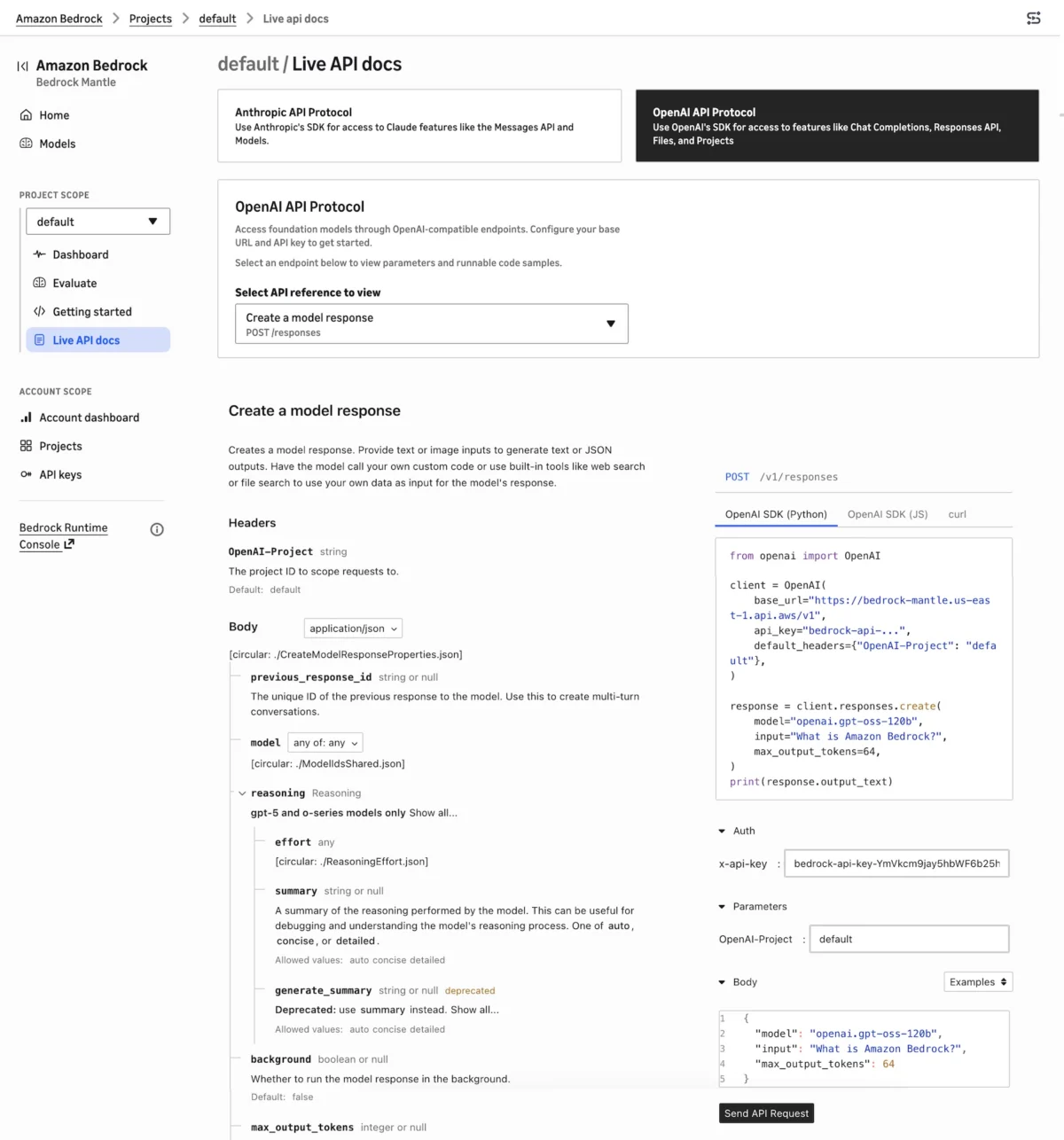
In a major shift for developers and enterprises building with generative AI, Amazon Web Services (AWS) has officially launched a reimagined console experience for Amazon Bedrock. This update is designed to streamline the lifecycle of AI development—from initial experimentation and model evaluation to production-grade scaling. Centered around the new bedrock-mantle inference engine, this refreshed interface offers native support for industry-standard APIs, including OpenAI’s Chat Completions and Anthropic’s Messages API, effectively bridging the gap between proprietary model ecosystems and AWS’s robust, secure cloud infrastructure.
Main Facts: A New Interface for the AI Era
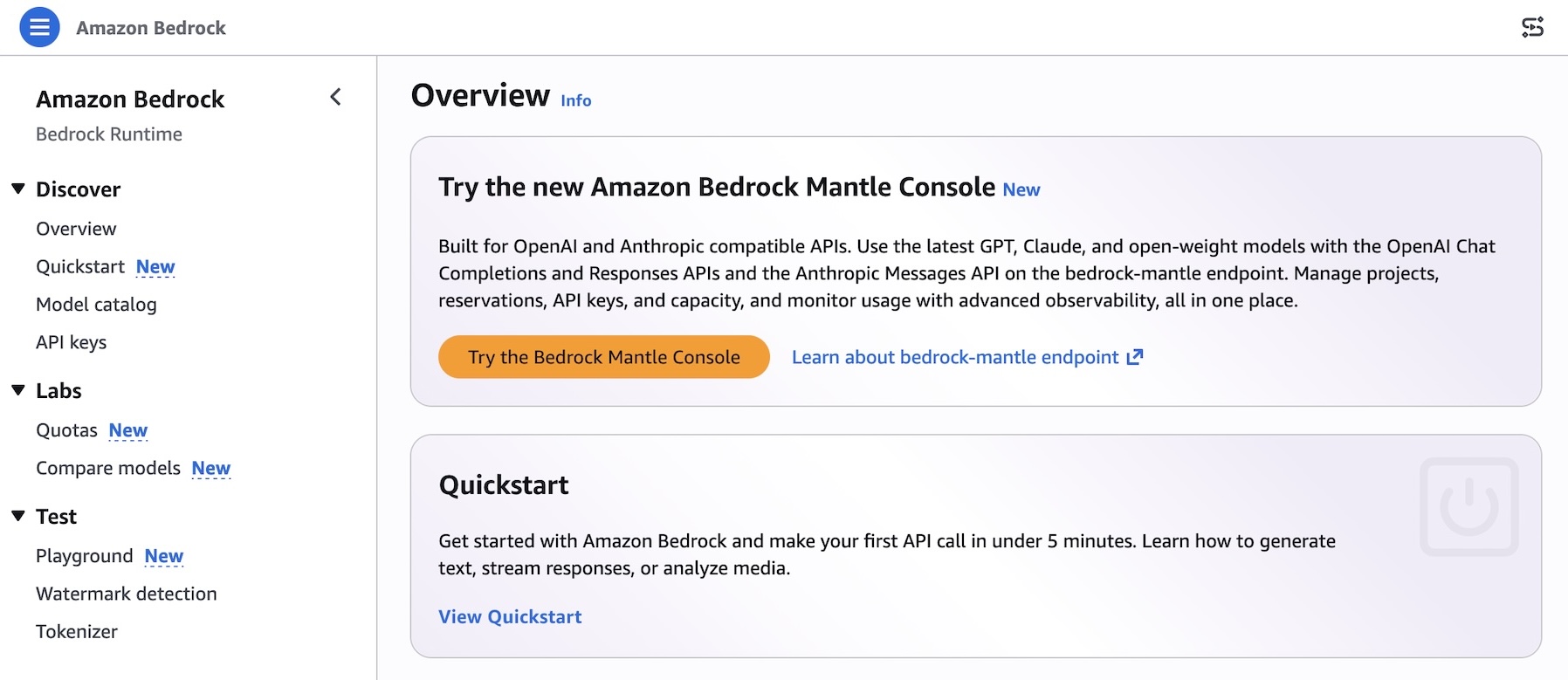
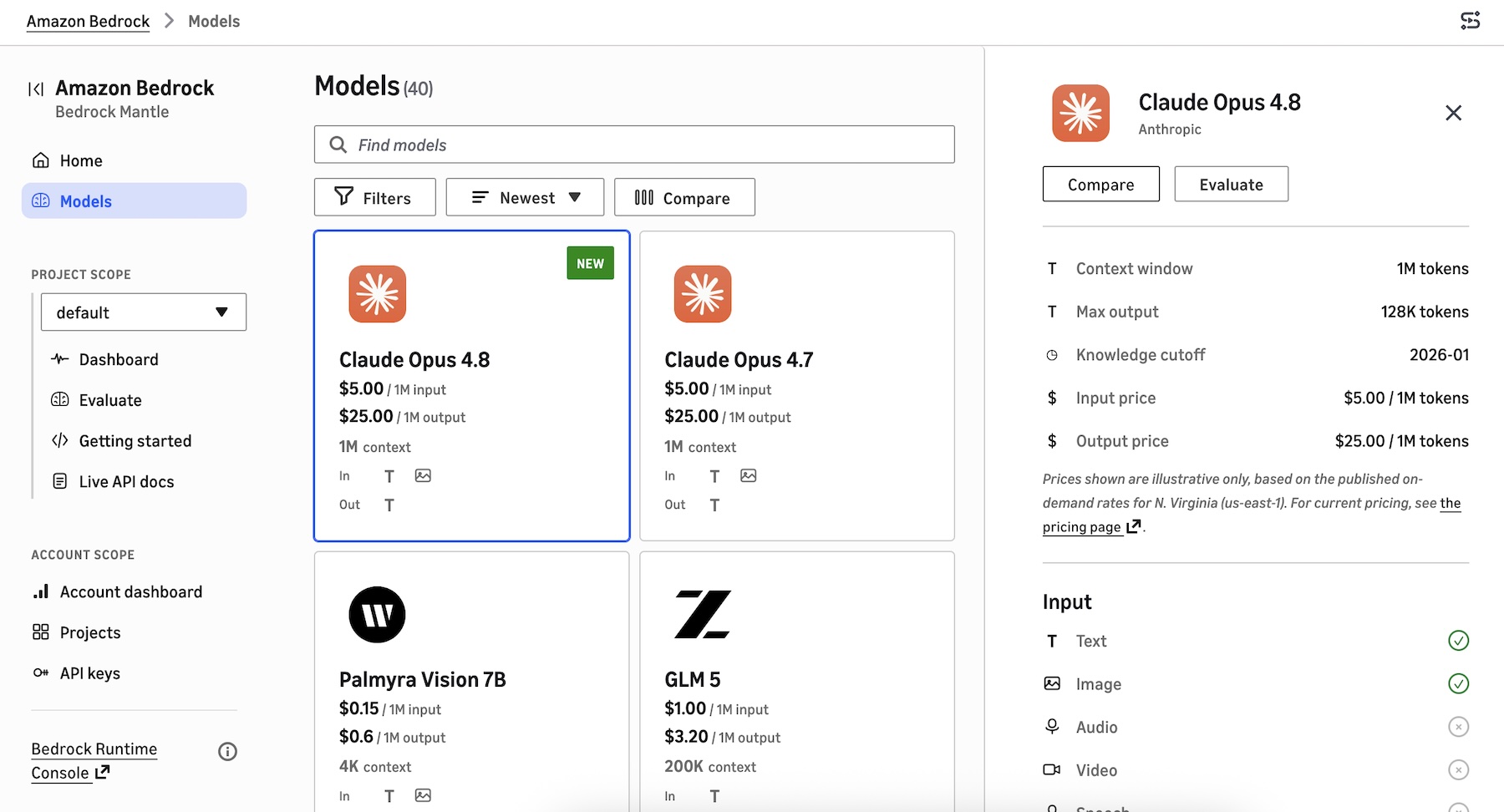
The core of this announcement is the introduction of the "Mantle" console, a specialized environment tailored for developers who prioritize high-performance inference and simplified integration. Unlike the traditional Bedrock console, which remains the primary hub for managed features like Knowledge Bases, Agents, and Guardrails, the Mantle console focuses on the core mechanics of model interaction.
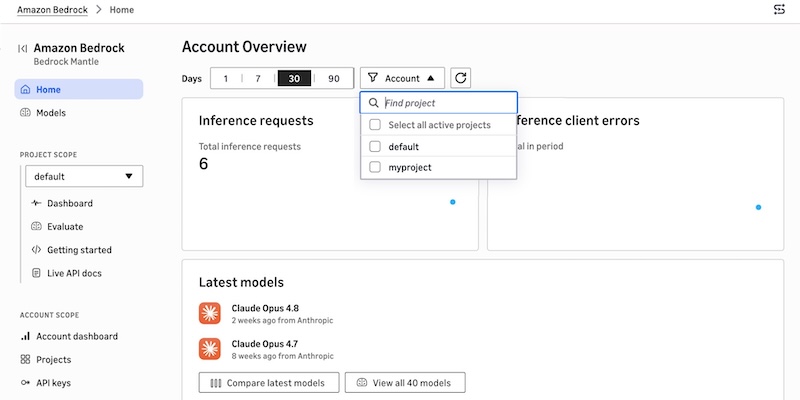
By optimizing the workflow for the bedrock-mantle endpoint, AWS has removed the friction traditionally associated with switching between different foundation models. Developers can now leverage GPT, Claude, and various open-weight models within a unified interface. The console facilitates a "project-based" architecture, allowing teams to isolate environments, manage API keys securely, and monitor performance metrics—such as tokens-per-minute and request latency—in real-time.
Chronology: The Evolution of the Bedrock Ecosystem
The path to this release marks a significant milestone in AWS’s generative AI strategy. Since the initial launch of Amazon Bedrock, the platform has grown rapidly, incorporating a diverse array of models. However, as the ecosystem matured, developers faced increasing complexity in managing heterogeneous model stacks.

- Early Phase: AWS focused on providing foundational access to models via the
bedrock-runtimeendpoint, emphasizing deep integration with AWS services like S3 and Lambda. - Expansion Phase: As the demand for OpenAI and Anthropic-compatible workflows surged, AWS began optimizing its infrastructure to support standard industry API protocols.
- The "Mantle" Development: Over the past year, AWS engineers worked to decouple the inference engine from the broader management plane, resulting in the
bedrock-mantleengine. - Current Milestone: The launch of the new dedicated console represents the culmination of this effort, providing a high-performance, specialized UI that caters to the specific needs of developers building AI-native applications.
Supporting Data: Operational Efficiency and Performance Metrics
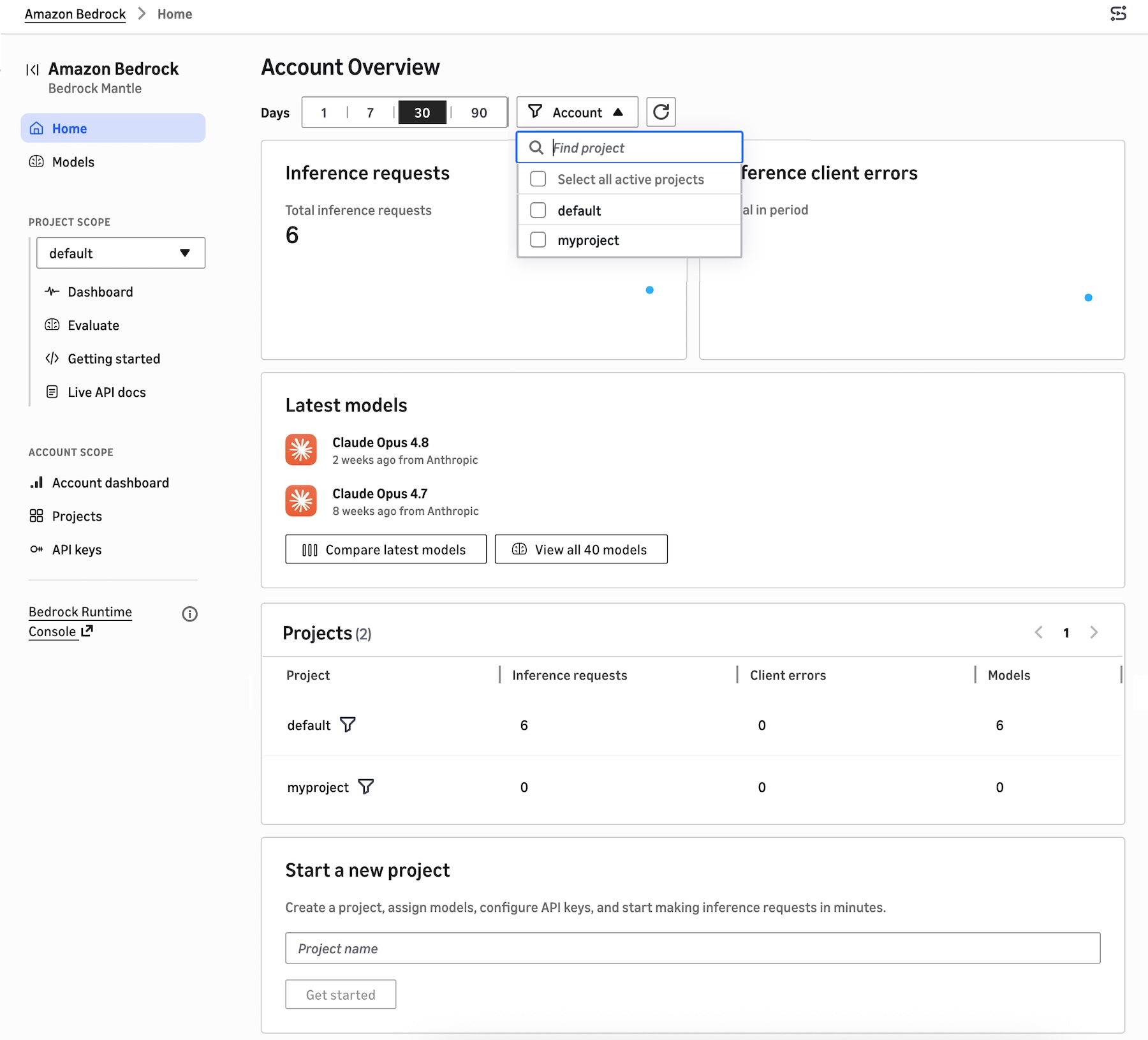
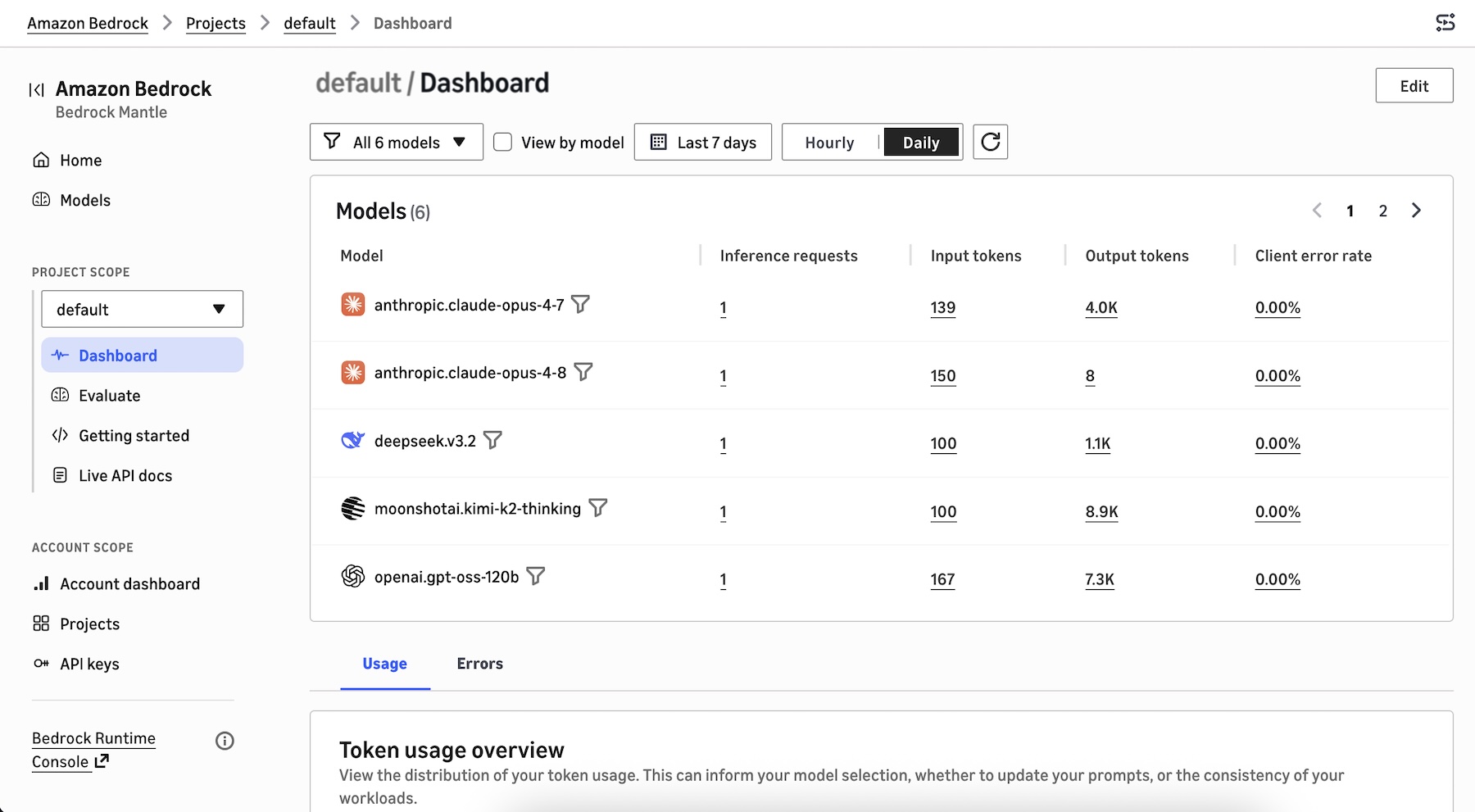
The transition to the Mantle console is not merely aesthetic; it provides deep, actionable insights into workload management. The project-based dashboard is a standout feature, offering granular visibility into token consumption. For organizations operating at scale, this data is critical.
Key Metrics Tracked:
- Token Distribution: Real-time monitoring of input versus output tokens allows developers to optimize prompt engineering and model selection, directly impacting cost management.
- Inference Throughput: By tracking requests per minute, teams can identify bottlenecks and adjust their architecture to maintain consistent performance.
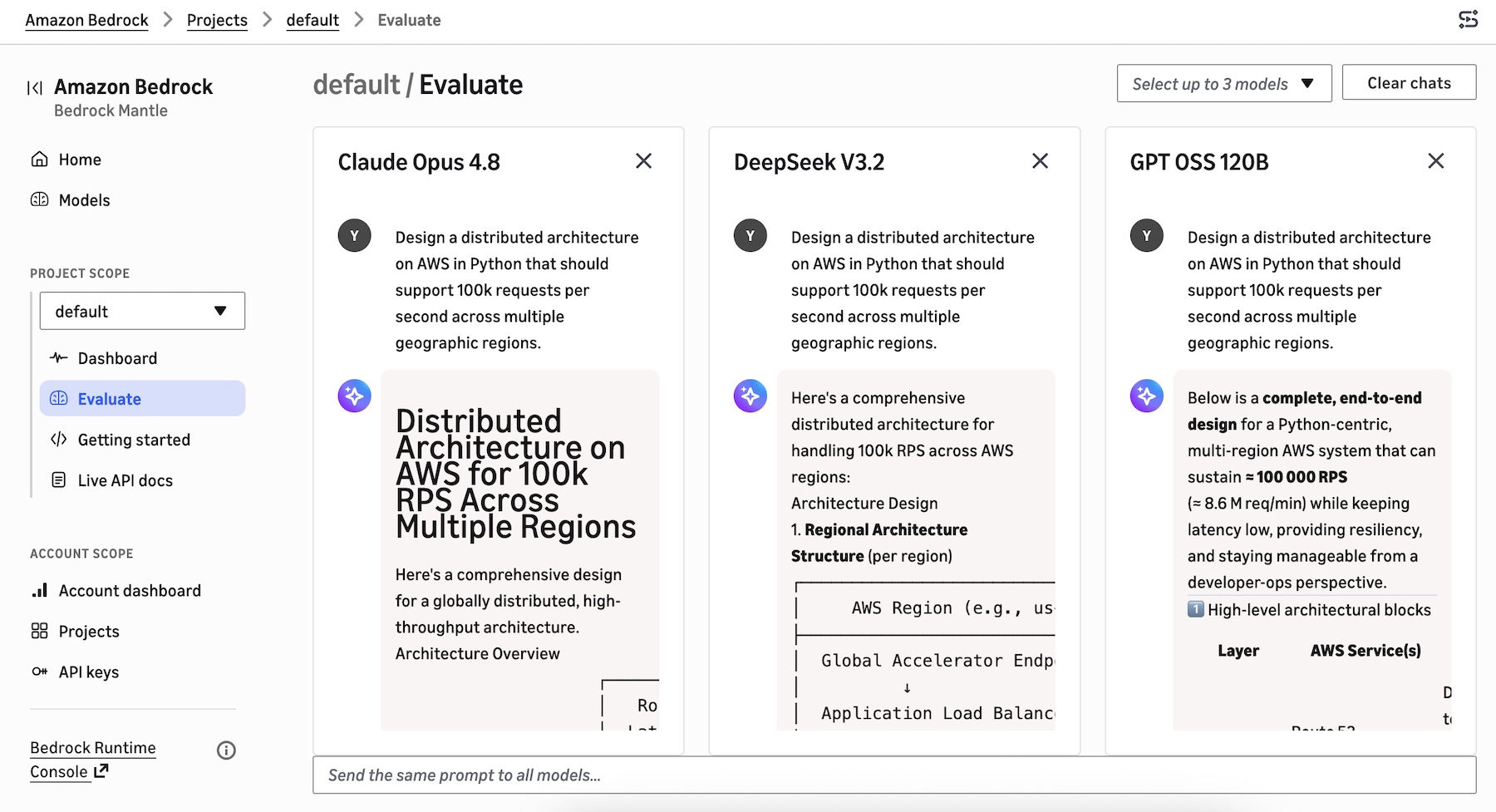
- Comparative Analysis: The "Side-by-Side" evaluation tool allows users to test up to three models against the same prompt simultaneously. This eliminates the need for manual copy-pasting, reducing evaluation cycles from hours to minutes.
- Regional Availability: The service has launched with broad support across major AWS regions, including US East (N. Virginia, Ohio), US West (Oregon), Asia Pacific (Jakarta, Mumbai, Sydney, Tokyo), Europe (Frankfurt, Ireland, London, Milan, Stockholm), and South America (São Paulo), ensuring low-latency access for global teams.
Official Responses and Strategic Intent
AWS’s shift toward this dual-console approach—separating "Management" (Agents, Guardrails, Fine-tuning) from "Performance/Inference" (Mantle)—signals a clear strategic intent. By providing native support for the OpenAI and Anthropic SDKs, AWS is lowering the barrier to entry for developers who are currently working in alternative environments.
"The new console experience makes it simple to find the right model and move quickly from evaluation to production," AWS stated in their release documentation. The emphasis on developer experience is clear in the inclusion of "Live API docs," which are dynamically updated based on the specific project, model, and authentication method selected. By automating the generation of SDK code snippets and environment configuration, AWS is effectively positioning Bedrock as the most developer-friendly "API-first" platform for generative AI.
Furthermore, the integration with AI coding assistants—such as Cursor, Cline, and Claude Code—demonstrates that AWS is aligning itself with the modern software development lifecycle. By providing direct routing instructions for these agents to the Bedrock-Mantle endpoint, AWS is ensuring that the "AI-building-AI" workflow is as seamless as possible.
Implications for the Industry
The launch of the Bedrock Mantle console has profound implications for both individual developers and enterprise CTOs.
For the Developer: Reduced Context Switching
Previously, developers often had to juggle multiple providers, each with different API structures and documentation. By standardizing on the bedrock-mantle endpoint, developers can write code once and swap models with minimal refactoring. The ability to use existing OpenAI-compatible SDKs means that code written for a local prototype can move to AWS production environments with little to no modification.
For the Enterprise: Security and Compliance
One of the primary value propositions of Amazon Bedrock has always been the security of the AWS environment. By moving high-frequency inference tasks to the dedicated Mantle engine, enterprises can maintain strict control over data privacy and IAM-based access while benefiting from the speed of the latest generation of LLMs. The console’s built-in monitoring helps organizations prove compliance and cost-efficiency to stakeholders, a vital requirement for enterprise-grade AI deployment.
For the Competitive Landscape: Standardizing the API
By adopting and supporting the OpenAI and Anthropic API protocols natively, AWS is effectively helping to set a "de facto" standard for how AI models are consumed. This puts pressure on other cloud providers to simplify their own inference interfaces. It suggests that the future of AI development is not just about who has the "best" model, but who provides the most frictionless experience for the developer to iterate, test, and deploy that model.
Future Outlook: The Path Ahead
As AWS continues to roll out updates, the distinction between the legacy bedrock-runtime and the new bedrock-mantle endpoints will likely become a blueprint for how they handle different classes of AI workloads. While the traditional console will continue to serve as the "Control Plane" for complex, agentic AI systems that require heavy guardrails and long-term memory, the Mantle console will serve as the "Execution Plane" for high-velocity, high-volume inference.
Developers are encouraged to migrate their inference-heavy workflows to the new console to take advantage of the refined SDK support and performance optimizations. For those who are still in the evaluation phase, the new side-by-side comparison tools offer the most robust environment currently available on a major cloud platform for deciding between competing model architectures.
As the industry moves away from the "novelty" phase of generative AI and toward the "utility" phase, tools like the Bedrock Mantle console are exactly what is required to bridge the gap between a chatbot prototype and a mission-critical business application. By focusing on the developer’s journey—from the first line of code to the final deployment—AWS is solidifying its position as the preferred backbone for the next generation of intelligent software.
Interested users can start by navigating to the new Amazon Bedrock console interface and exploring the project-based workflow. For those seeking to integrate existing agents or build custom applications, the "Getting Started" guide provides a comprehensive path to connecting popular AI coding assistants to the powerful Bedrock backend. The future of AI development is here, and it is built on the foundation of performance, compatibility, and simplicity.
 Neng Nana
  Suro Senen
  Lina Hope