
 By Ali Ikhwan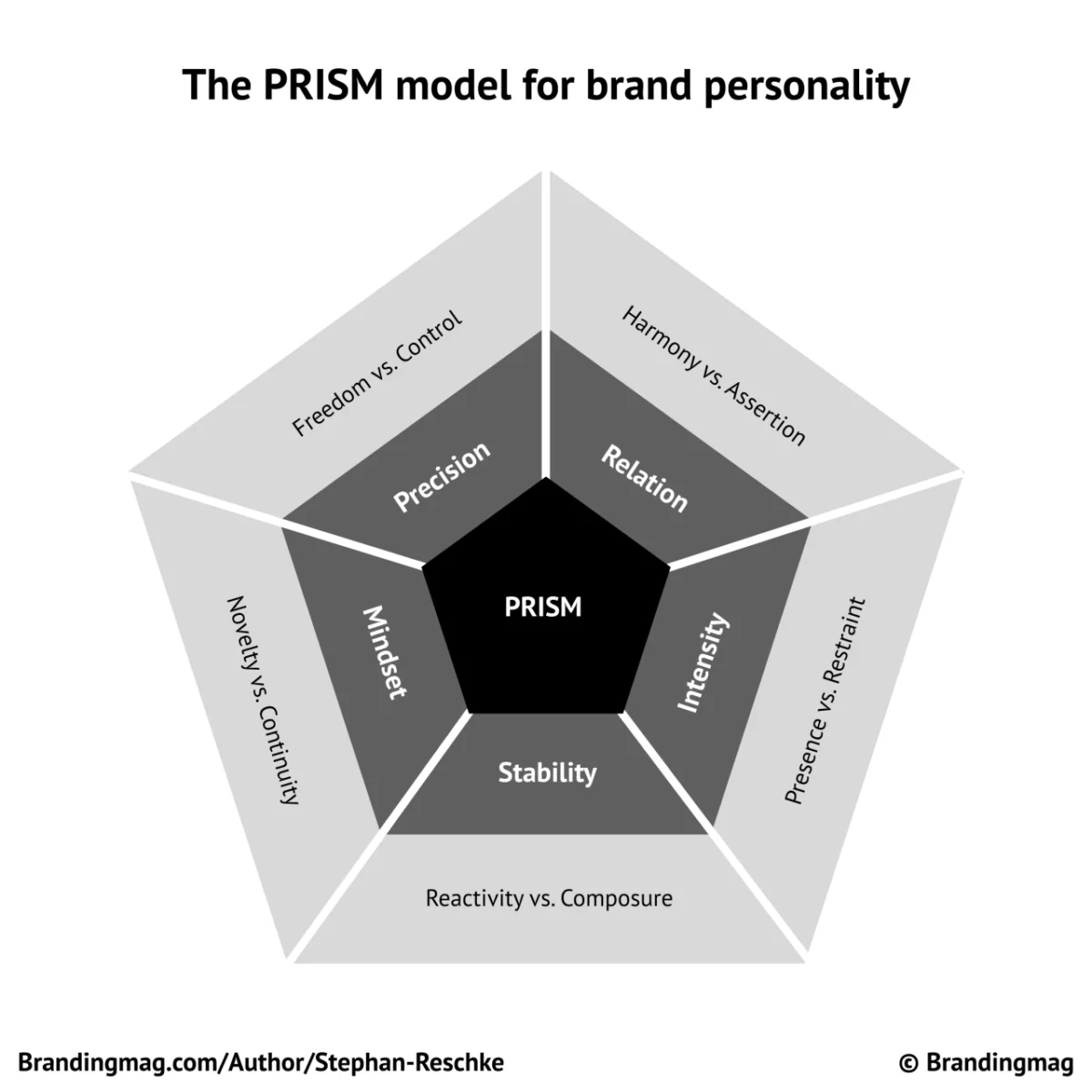
Technology was once a tool we operated; today, it is an environment we inhabit. As Artificial Intelligence (AI) shifts from a passive utility to an active, autonomous participant in our daily lives, the fundamental nature of brand interaction is undergoing a seismic transformation. We have moved from a transactional era—where brands pushed messages to consumers—to a conversational era, where AI agents curate, recommend, and define our choices.
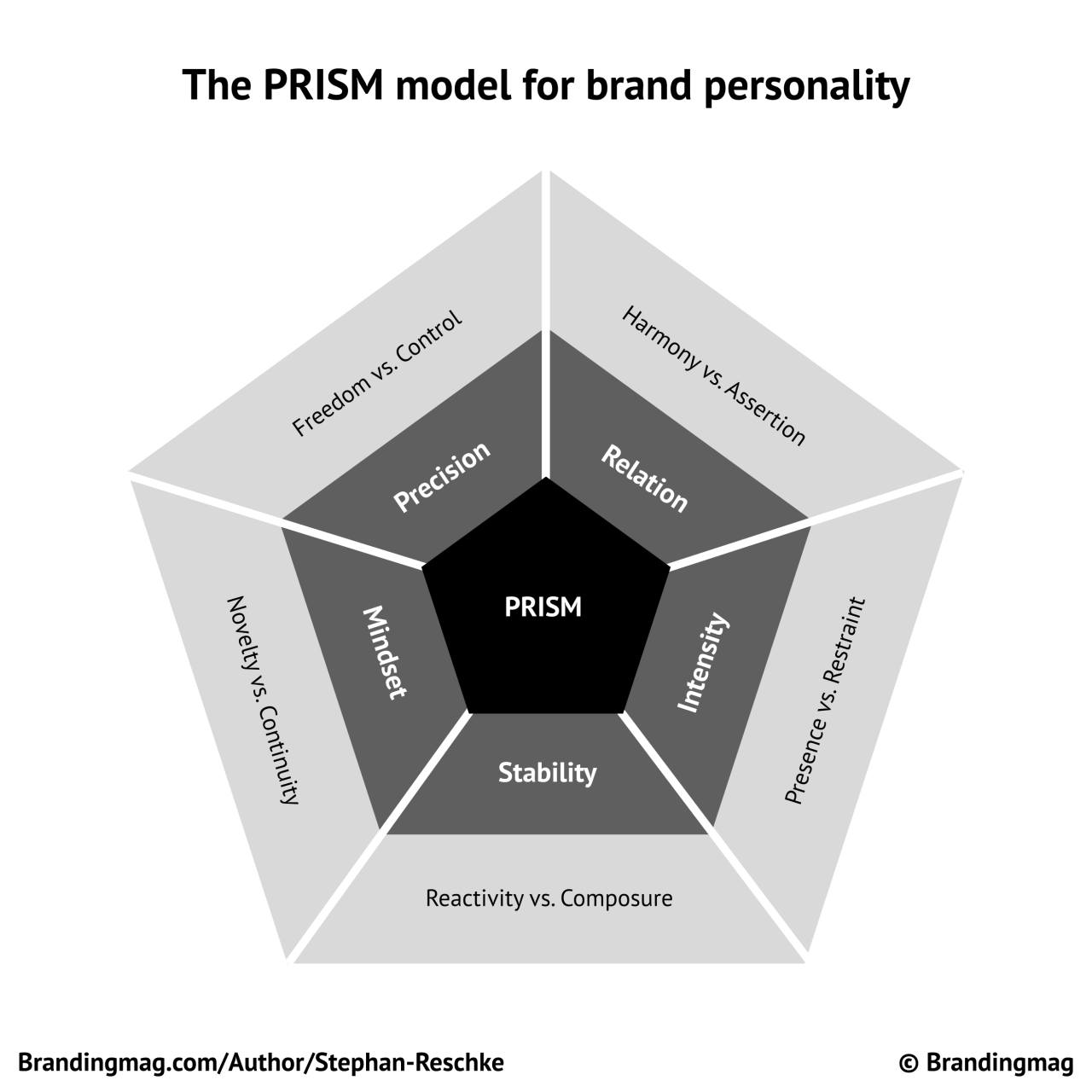
In this new reality, the established rules of marketing are being rewritten. The rise of the "Agentic Economy" demands that brands transcend their traditional visual identities and move toward "Agentic Lovemarks." To navigate this, the industry is looking toward the PRISM model: a sophisticated, psychology-based framework designed to ensure that brands remain both legible to AI and lovable to humans.
Main Facts: The Shift from Archetypes to Algorithms
For decades, the gold standard for brand personality was the 12-archetype model, popularized by Margaret Mark and Carol Pearson in their seminal 2001 work, The Hero and the Outlaw. These archetypes—The Sage, The Rebel, The Lover, and others—gave marketers a human-centric shorthand to build emotional resonance.
However, as Arjan Kapteijns, former CEO of Saatchi & Saatchi Netherlands, has argued, these archetypes are no longer sufficient for an AI-infused world. In a landscape where autonomous agents act on behalf of consumers and companies, the ambiguity of a "brand archetype" creates a reliability problem. If an AI interprets an archetype differently every time a consumer asks a question, the brand experience becomes fragmented and incoherent.
The core challenge is clear: brands must be legible (understandable and actionable by machines) and lovable (emotionally resonant to humans). This "Legible-Lovable Law," as described by brand strategist Thomas Marzano, requires a transition from static brand guidelines to "Brand Constitutions"—operational frameworks that function as the instruction manual for a brand’s digital soul.
A Chronology of Emotional Branding
The trajectory of marketing has always been a quest to bridge the gap between inanimate products and human desire.
- Early 20th Century: Psychology enters the marketing fray. Advertisers move beyond functional benefits, realizing that emotional persuasion creates deeper, more resilient bonds with consumers.
- 1990s – 2000s: The "Lovemark" concept is introduced by Kevin Roberts. Brands are encouraged to move beyond "trust" and aim for "love" and "respect," fostering irrational loyalty that transcends price points and features.
- 2001: Mark and Pearson solidify the use of the 12-brand archetype framework, providing a rational guide to the irrationality of human connection.
- 2023 – 2025: The explosion of Generative AI changes the primary interface of the internet. Search engines and browsers give way to conversational AI agents.
- 2026: The introduction of the PRISM model marks the beginning of the "post-archetype" era, shifting focus toward quantifiable, data-driven personality frameworks that LLMs (Large Language Models) can process.
The PRISM Model: A New Framework for the Digital Age
The PRISM model is not a rejection of human psychology but an adaptation of it. It is built upon the "Big Five" personality traits (OCEAN)—Openness, Conscientiousness, Extraversion, Agreeableness, and Neuroticism—recalibrated to define how a brand should behave in a machine-led conversation.

The Five Domains of PRISM
The model classifies personality through five core domains, each meticulously detailed to prevent the "randomness" associated with abstract archetypes:
- Openness to Experience: Defines how a brand approaches innovation, curiosity, and abstract thinking.
- Conscientiousness: Dictates the brand’s reliability, precision, and drive for goal-oriented outcomes.
- Extraversion: Measures the brand’s energy, social presence, and conversational assertiveness.
- Agreeableness: Governs the brand’s empathy, cooperative spirit, and warmth.
- Neuroticism (Emotional Stability): In a brand context, this defines how the brand handles high-pressure, reactive, or sensitive situations.
Unlike the 12 archetypes, which categorize brands into "buckets," PRISM uses a scale for each characteristic. This creates a granular "digital DNA" that provides clear parameters for LLMs. When an AI agent adopts a brand’s personality via the PRISM framework, it doesn’t just guess; it follows a calibrated set of behavioral constraints that ensure consistency across every interaction.
Supporting Data: Why "Brand Language" is the New Touchpoint
The shift toward voice-driven technology—smart speakers, wearables, and AI assistants—means that "visual" brand identity is losing its monopoly. Language is now the primary touchpoint.
Data shows that in the current market, users prioritize speed and accuracy in AI responses. However, retention and long-term brand equity are built through the "human-like" quality of the conversation. When an LLM is given a PRISM-based prompt, it can adjust:
- Verbal Tone: Shifting from formal to casual based on the context of the user.
- Vocabulary: Selecting specific jargon or accessible terminology that mirrors the brand’s core values.
- Response Behavior: Determining the appropriate level of proactivity or deference in a customer support interaction.
By embedding these guidelines into the system prompts of an LLM, a brand moves its personality out of a PDF document and into the active code of the AI. This is the definition of a "branded AI."
Implications for the Future of Industry
The implications of this shift are profound for both the C-suite and the creative department.
For the C-Suite: Brand as Operational Infrastructure
Brands must stop treating their identity as a "marketing asset" and start treating it as "infrastructure." If a brand is not legible to the AI agents that control the majority of consumer discovery, it effectively ceases to exist. CEOs and CTOs must collaborate to ensure that the "Brand Constitution" is integrated into the technological stack of the company.
For Creative Agencies: The Death of the "Campaign"
The traditional, serialized "ad campaign" is becoming a relic. In its place is the "Brand Engine"—a continuous, responsive system that generates content in real-time. Creatives will need to transition into "System Designers," defining the rules, boundaries, and personality traits that allow AI to generate on-brand content autonomously.
For the Consumer: The Personalization Paradox
While AI agents offer a hyper-personalized experience, they also pose a risk of "echo chambers." Brands that successfully deploy the PRISM model will be those that can provide that personalized, intimate connection while maintaining the core values that make them distinct.
Conclusion: Embracing the Uncertainty
The emergence of the Agentic Lovemark and the PRISM model should be viewed not as a threat, but as an evolution. The anxiety surrounding AI often stems from the fear of losing control over the brand narrative. However, the PRISM model offers a path to regain that control through precision rather than prohibition.
The brands of the future will be those that embrace this dual existence—digital in their execution, yet human in their intent. By treating brand personality as a set of legible, actionable parameters, companies can ensure that when a customer asks an AI for a recommendation, the answer is not just a calculation, but an experience.
The conversation has already started. The question for brands today is not whether they will use AI, but whether they have built the "soul" for their machines to inhabit. The PRISM model provides the blueprint; the future of brand loyalty depends on the willingness to use it.
 Azzam Bilal Chamdy
  Nana Wu
  Raul Delapena Setiawan