
 By Nana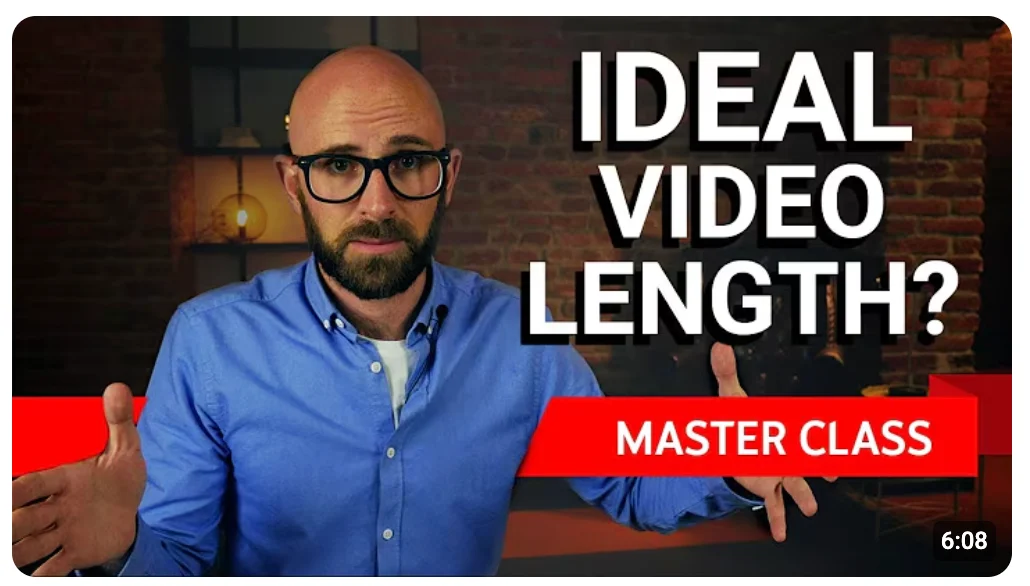
In the modern digital ecosystem, video content has transcended from a mere marketing trend to the primary language of the internet. From the frantic, high-energy scrolling of TikTok to the professional, curated feeds of LinkedIn, video is the undisputed king of engagement. Yet, for content creators and brand managers, the question remains: "How long should a social media video be?"
There is no single "magic number" that guarantees virality. However, data-driven insights suggest that the optimal duration is a delicate balancing act between platform algorithms, user psychology, and the specific intent of your content. Understanding these nuances is essential for any brand looking to convert passive viewers into loyal followers.
The Core Metric: Why Length Matters
The primary goal of social media video is not just to be seen, but to be finished. Algorithms across Instagram, TikTok, and YouTube prioritize "completion rates"—the percentage of viewers who watch a video to its end. Consequently, shorter videos often perform better because they have a statistically higher chance of being viewed in their entirety.

However, "short" is relative. While a 15-second clip is perfect for a brand awareness campaign on Instagram, it would likely fail to provide the necessary value for an educational tutorial on YouTube. The following analysis breaks down the landscape of video optimization across the major social networks.
Chronology of the Social Video Evolution
To understand current best practices, one must look at the shift in user behavior. A decade ago, long-form video dominated platforms like YouTube, while "social video" was relegated to short, looped clips on platforms like the now-defunct Vine.
The rise of TikTok fundamentally changed this trajectory. By prioritizing the "For You" page (FYP) and short-form, high-retention content, TikTok forced competitors like Instagram (Reels) and YouTube (Shorts) to adapt. This created an era of "vertical short-form" dominance. Today, we are seeing a secondary shift: as platforms mature, they are allowing for longer uploads to keep users within their walled gardens, yet the "hook" remains as short as it was in 2016.

Platform-by-Platform Breakdown
Instagram: The Multi-Format Ecosystem
Instagram requires a nuanced strategy because it hosts multiple formats, each with distinct expectations.
- Reels: The sweet spot for discovery is 15 to 45 seconds. While Instagram technically allows for much longer durations, internal data and statements from leadership, including Head of Instagram Adam Mosseri, emphasize that "short is better." The first three seconds are critical; if you haven’t captured attention by then, the viewer has already swiped.
- Stories: These are ephemeral and tap-heavy. Aim for 5 to 15 seconds per slide. Anything longer risks viewer fatigue.
- In-Feed: While these can stretch to 60 minutes, most successful brands keep them under 60 seconds to compete with the rapid consumption habits of the Reels feed.
TikTok: The Pacing Revolution
On TikTok, length is secondary to pacing. The platform’s algorithm favors videos that maintain interest throughout.
- The Optimal Range: 20 to 35 seconds.
- Ad Strategy: For paid promotions, the optimal window is even tighter—between 9 and 15 seconds. On TikTok, you are competing with an infinite stream of highly entertaining content; your ad must feel native and get to the point before the "skip" impulse kicks in.
YouTube: The Long-Form Exception
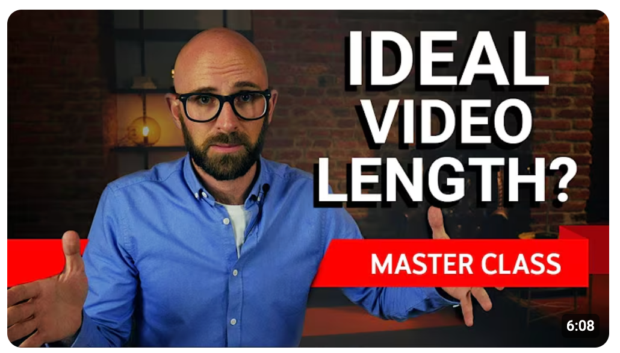
YouTube remains the outlier. While "Shorts" follow the 15–45 second rule, standard videos thrive at 6 to 12 minutes.

- Monetization Implications: For creators in the YouTube Partner Program, the 8-minute mark is a crucial threshold, as it allows for the insertion of mid-roll ads. However, creators are cautioned against "padding" content. YouTube’s own creators’ channel notes that viewers prioritize utility; if a 15-minute video can be a 3-minute video, it should be.
LinkedIn: The Professional Context
LinkedIn is unique because the audience is there with a specific intent: professional development.
- Data-Backed Strategy: LinkedIn reports that videos under 30 seconds see a 200% increase in completion rates. In a professional setting, brevity is a sign of respect for the viewer’s time.
Supporting Data: The Science of Retention
Retention charts are the most important tool in a social media manager’s arsenal. Most platforms (especially Instagram and YouTube) provide "Retention" analytics that show exactly where viewers drop off.
- The "3-Second Rule": Across all platforms, the first three seconds are the most valuable real estate. If your drop-off rate is high at the start, your "hook" is likely too slow or fails to establish the value proposition.
- Completion Rates vs. Reach: Longer videos can be successful if they provide high value (e.g., a deep-dive tutorial), but they are less likely to be "discovered" by new audiences compared to short-form content. Use short content for reach and long-form content for depth and community building.
Official Responses and Platform Guidance
Major platforms have been increasingly transparent about their algorithmic preferences.
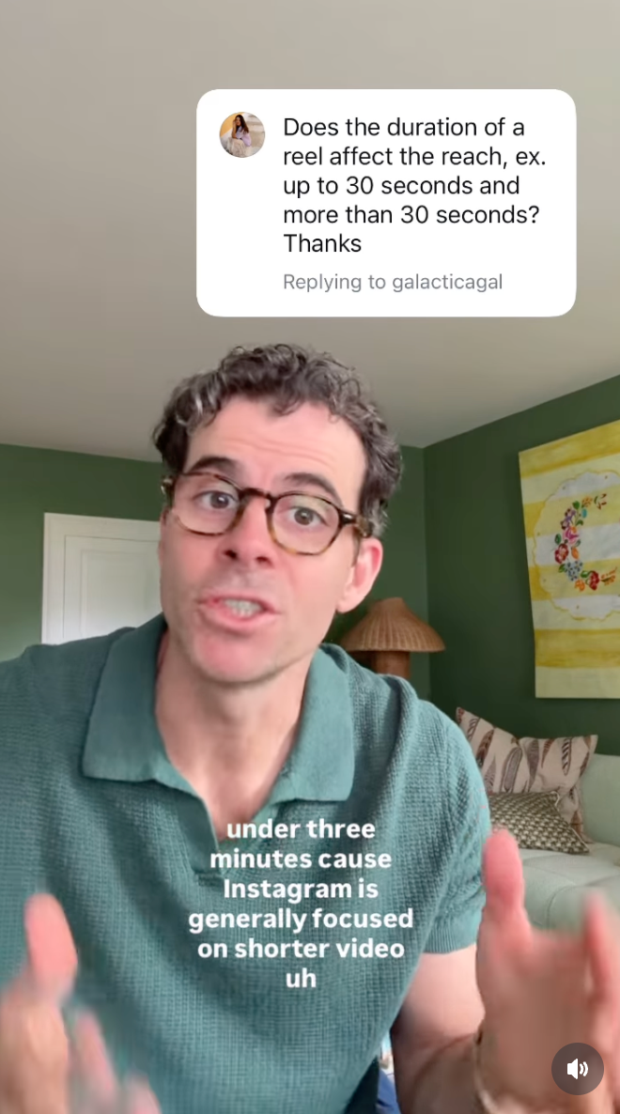
- Instagram (Adam Mosseri): "There is no perfect length… but we are focused on short video." This confirms that Instagram’s internal machinery is tuned to favor content that fits within the "scrollable" window of a mobile device.
- YouTube Creators: The consensus from the YouTube team is that "genre dictates length." A gaming walkthrough naturally requires more time than a quick "how-to" for a software product. The platform encourages creators to look at their specific niche’s "average view duration" to determine their target length.
Implications for Content Strategy
What does this mean for your marketing team? It requires a shift from "content creation" to "content engineering."
- Segment Your Goals: If your goal is Awareness, aim for 6–15 seconds. If your goal is Consideration (explaining a product or service), aim for 30–60 seconds.
- Repurpose with Intent: A 10-minute YouTube video should be chopped into 30-second "hooks" for TikTok, Reels, and YouTube Shorts. Never force the long-form content to fit the short-form platform without significant editing.
- The "One Idea" Rule: A common mistake is cramming too many messages into one video. A successful social video should communicate one clear idea. If you have three points, make three videos.
- Audit the "Drop-Off" Point: Once a week, analyze your retention graphs. If you see a spike in departures at the 5-second mark, change your opening. If you see a dip at the 30-second mark, tighten your editing in the second half.
Best Practices for Execution
To ensure your videos perform well regardless of the specific length chosen, integrate these fundamental habits:
- Visual Hooks: Start with movement or a visually striking image.
- Captions are Mandatory: A significant portion of social media video is consumed on "silent" mode. Ensure your message is conveyed through on-screen text.
- Clear Call to Action (CTA): Whether it is "Link in bio" or "Subscribe," keep your CTA clear and place it either at the very end or integrated naturally during a moment of high engagement.
- Consistency: While you can experiment with length, pick a format and stick to it for at least 30 days to give the algorithm time to learn your audience’s preferences.
Conclusion: Quality Over Quantity
Ultimately, the length of your video should be dictated by the amount of time it takes to deliver your message effectively—and not a second longer. In an era of infinite content, the most precious resource is your viewer’s attention. By respecting that attention and optimizing for the specific quirks of each platform, brands can move beyond the "scroll" and into the "engagement" phase of the marketing funnel.
As you refine your strategy, remember that these guidelines are a starting point, not a cage. Use them to build your foundation, but let your specific audience’s data be the final arbiter of what works for your brand. Consistent testing, data analysis, and a commitment to high-value content will always outperform any arbitrary rule on duration.
 Reynand Wu
  Muslim
  Nila Kartika Wati