
 By Layla Zulfa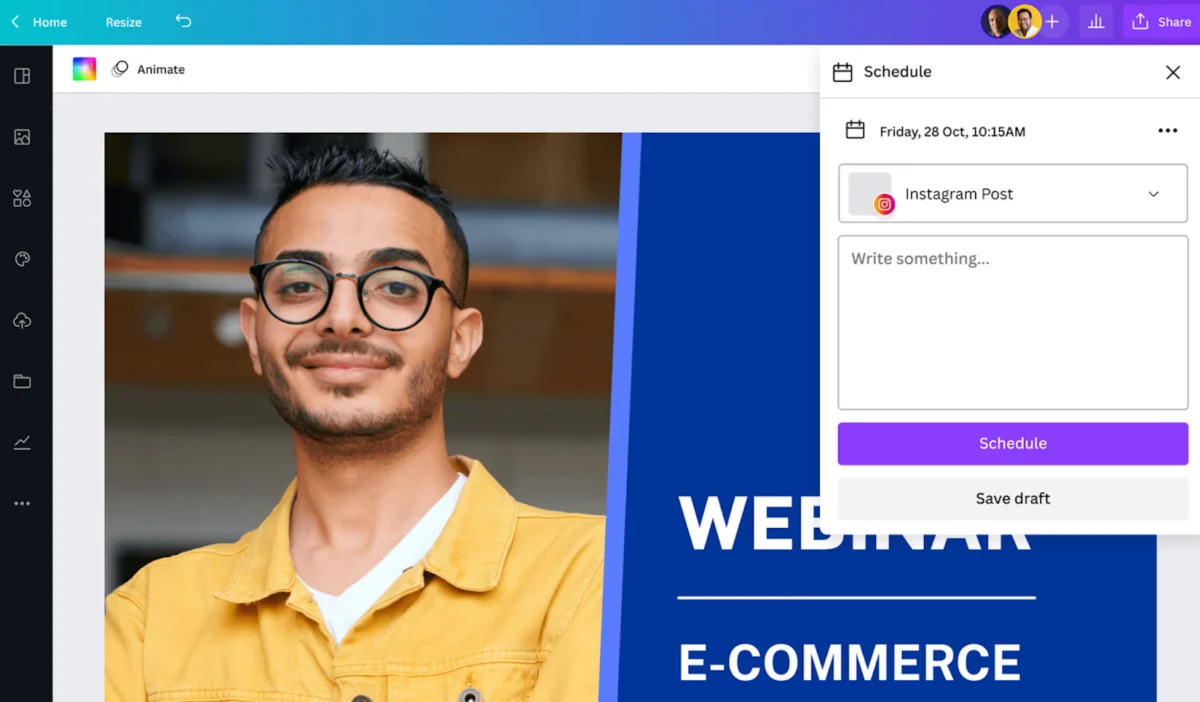
In the hyper-competitive digital landscape of 2026, the mantra "content is king" has evolved into "consistency is currency." For marketing teams, small business owners, and solo creators alike, the ability to maintain a constant presence across an ever-expanding array of social platforms is no longer a luxury—it is a baseline requirement for survival. As the demand for 24/7 engagement grows, social media scheduling tools have transitioned from "nice-to-have" utilities to mission-critical infrastructure.

These platforms serve as the command centers for modern digital strategy, enabling users to move beyond the reactive "post-and-pray" method toward a proactive, data-driven approach to audience management.

The Evolution of Social Media Automation: A Chronology
The necessity for scheduling software was born from the fragmentation of the social web.
- The Early Days (2008–2012): The rise of platforms like Twitter and Facebook forced early adopters to manually post updates throughout the day, tethering marketers to their desks.
- The Automation Boom (2013–2018): Tools like Buffer and Hootsuite entered the fray, allowing users to queue content for the first time. This era focused primarily on time-saving.
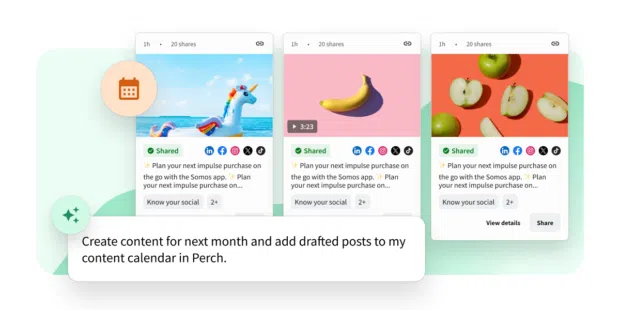
- The Intelligence Era (2019–2024): With the explosion of short-form video (TikTok, Instagram Reels) and the rise of AI, scheduling tools shifted toward "smart" features—predictive analytics, AI-generated captions, and automated visual planning.
- The Unified Command Era (2025–Present): Today’s tools, such as Perch by Hootsuite, act as comprehensive ecosystems. They no longer just "post" content; they manage the entire lifecycle, from cross-channel asset creation and regulatory compliance to deep-funnel performance tracking.
Why Scheduling Tools Are Essential for ROI
The return on investment (ROI) for social media scheduling tools is multifaceted, moving well beyond simple time-saving metrics.
1. The Power of Batching
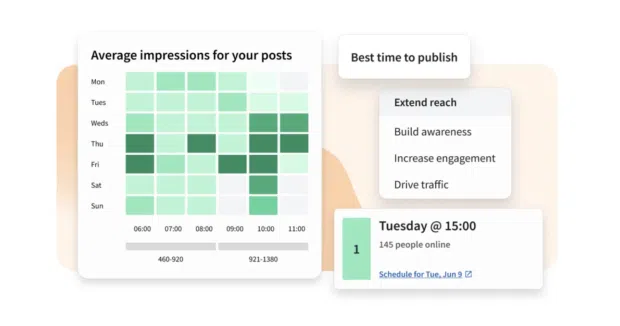
Psychological studies on productivity indicate that "context switching"—moving between different tasks—significantly degrades performance. By utilizing scheduling tools, a team can dedicate three hours on a Monday to batch-create and schedule the entire week’s output. This creates a state of "flow," resulting in higher-quality creative work and fewer errors.
2. Data-Driven Timing
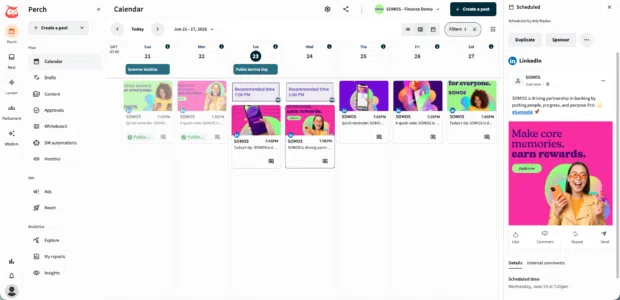
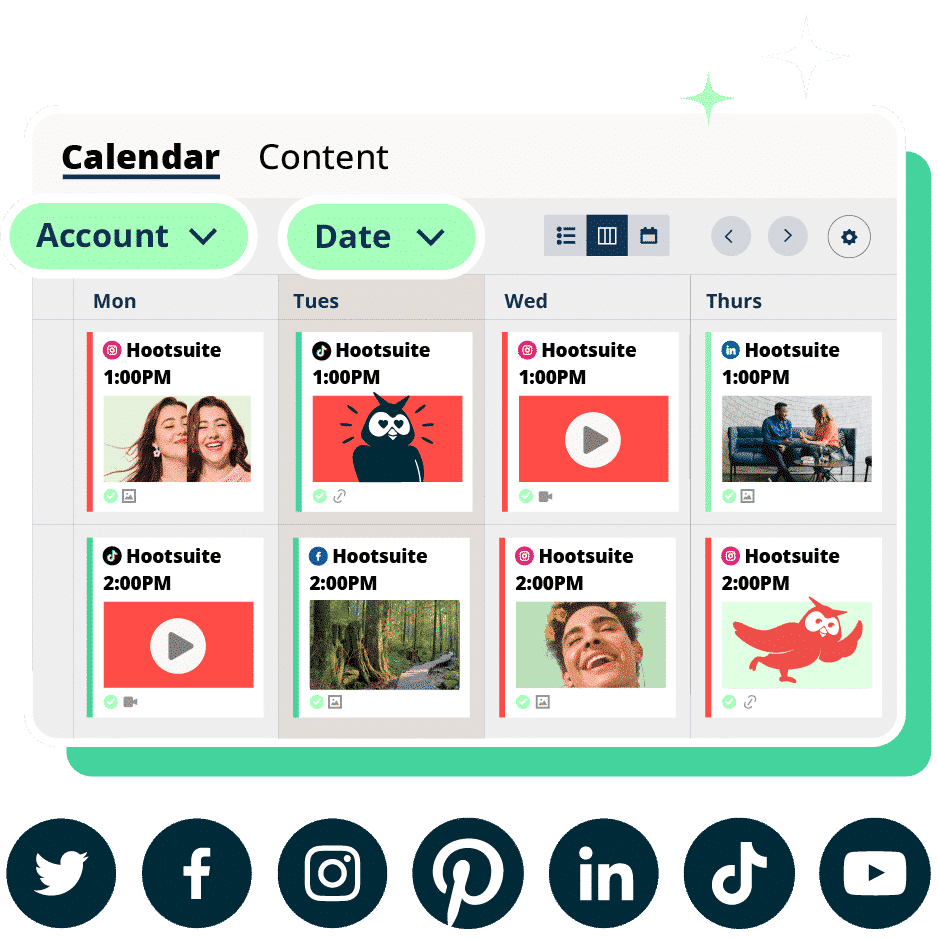
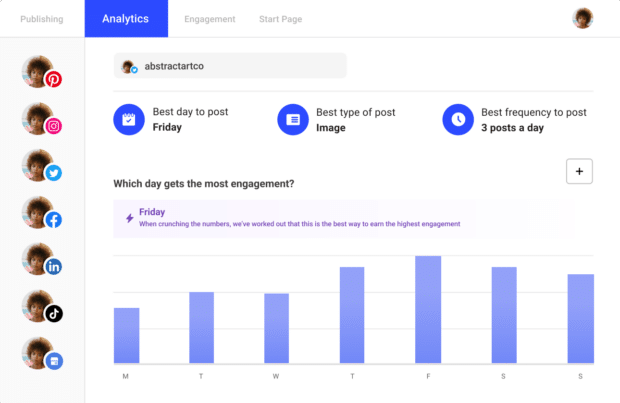
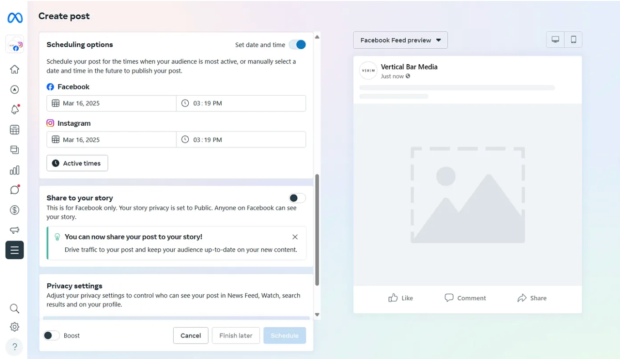
Manual posting often relies on gut feeling. Modern scheduling platforms utilize "best time to post" heatmaps. By analyzing years of historical engagement data, these tools automatically trigger posts when your specific audience is most likely to be active, thereby maximizing organic reach and conversion potential.
3. Unified Governance
For enterprises, the risk of a "rogue" social post is high. Scheduling platforms offer approval workflows, ensuring that content created by junior team members or regional offices passes through a compliance filter before going live. This audit trail is essential for protecting brand equity.
Top 13 Social Media Scheduling Tools for 2026
Choosing the right tool depends on your organization’s size, budget, and specific platform requirements.
The Heavy Hitters
- Perch by Hootsuite: The gold standard for enterprises. It combines sophisticated scheduling with AI-driven content creation (via Wisdom AI) and granular reporting. It is the only choice for teams that need to integrate social into their broader marketing stack.
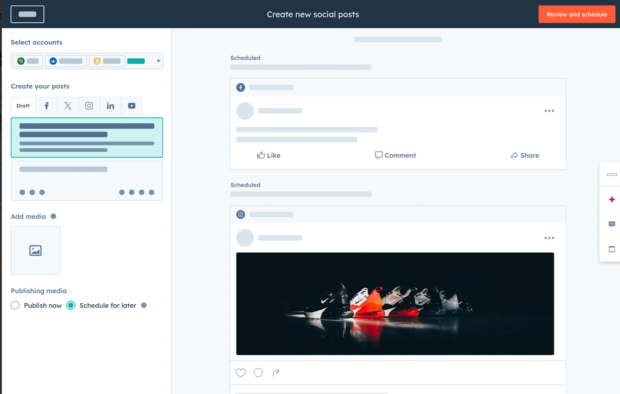
- HubSpot: Best for organizations that view social as a lead-generation engine. It ties social interactions directly to CRM data, allowing for closed-loop reporting.
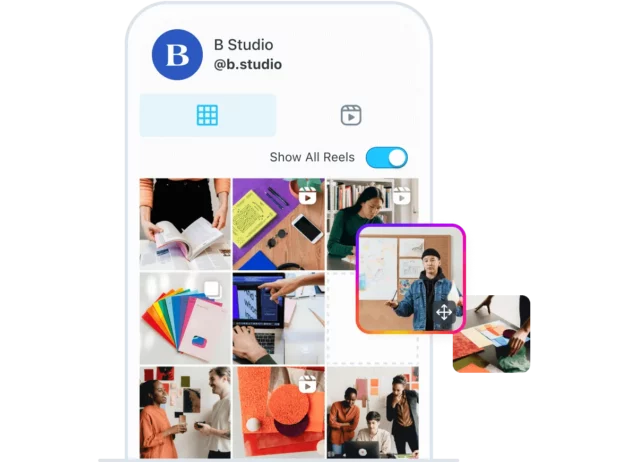
- Later: The premier choice for Instagram-heavy brands. Its visual grid planner is unparalleled for aesthetics-focused industries.
The Specialist Tools
- Tailwind: Remains the undisputed leader for Pinterest optimization, helping creators turn pins into consistent traffic.
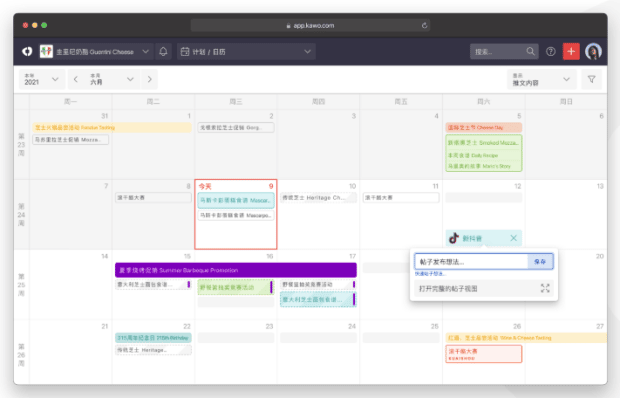
- KAWO: A critical tool for global brands looking to penetrate the Chinese market. It bridges the gap between Western workflows and platforms like WeChat and Douyin.
- Post Studio (Shopify): An essential plugin for e-commerce stores, turning product catalog updates into automated social content.
Implications for Modern Marketing Teams
The move toward advanced scheduling platforms carries significant implications for how marketing departments are structured.
From "Poster" to "Strategist"
When a tool handles the mechanical aspect of publishing, the role of the social media manager shifts. They are no longer "posters"; they become community managers and data strategists. The time once spent manually uploading files is now reallocated to engaging with comments, monitoring social listening trends, and optimizing campaigns based on the analytics provided by the dashboard.
The AI Integration Shift
The integration of AI, such as Hootsuite’s Wisdom, is perhaps the most significant implication for 2026. Teams can now generate a week’s worth of high-performing copy from a single prompt. While this increases output, it places a higher premium on human oversight—ensuring that AI-generated content aligns with the brand’s unique voice and tone.
Official Perspectives: The Value of Centralization
Industry leaders emphasize that the value of these tools is not found in the automation itself, but in the visibility they provide. As one expert noted, "If you can’t measure it, you can’t manage it. Scheduling tools provide the single source of truth for all brand communications, preventing the siloed efforts that lead to fragmented brand messaging."

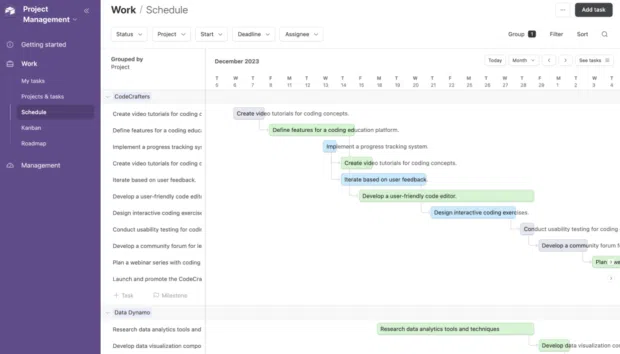
For large organizations, the ability to see a global content calendar allows for "campaign orchestration." Instead of disparate regional teams posting content that may conflict, a centralized scheduler ensures that every tweet, reel, and post is moving in service of the same quarterly business objectives.
How to Choose Your Tech Stack
When evaluating a tool, brands should follow this four-pillar assessment:
- Platform Coverage: Does it support the channels your audience uses? (e.g., Don’t settle for a tool that doesn’t support Threads or TikTok if that’s where your growth lies.)
- Collaboration Features: Can you assign tasks, track approvals, and manage permissions?
- Analytics Depth: Does it report on vanity metrics (likes) or business metrics (conversions/clicks)?
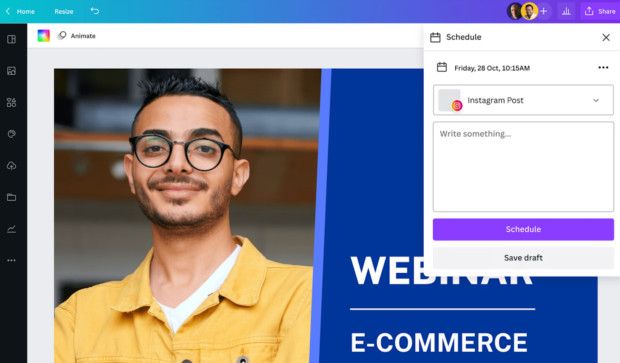
- Integration Ecosystem: Does it "talk" to your other software, like Slack, Canva, or your CRM?
Conclusion
The era of manual social media management has ended. As the digital landscape becomes increasingly saturated, the tools that provide efficiency, oversight, and strategic insight will separate the market leaders from the noise. Whether you are a small business owner using a free native tool or an enterprise team utilizing a sophisticated hub like Perch, the core objective remains the same: show up consistently, engage authentically, and leverage data to turn followers into customers.
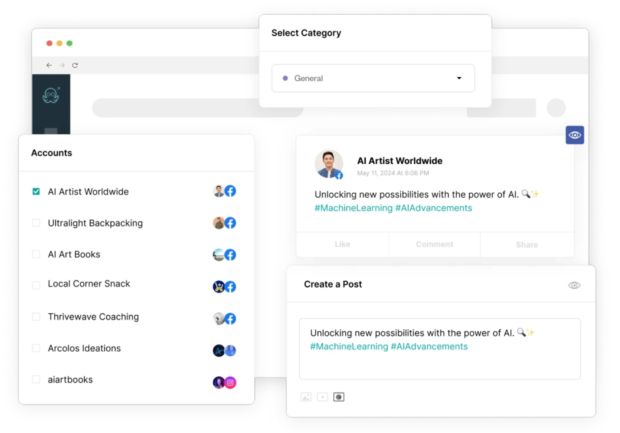
By embracing these technologies, you aren’t just saving time—you are reclaiming your ability to focus on the high-level strategy that drives true business growth. Start today, refine your workflow, and let the technology handle the clock while you focus on the conversation.
 Reynand Wu
  Muslim
  Nila Kartika Wati