
 By Laily UPN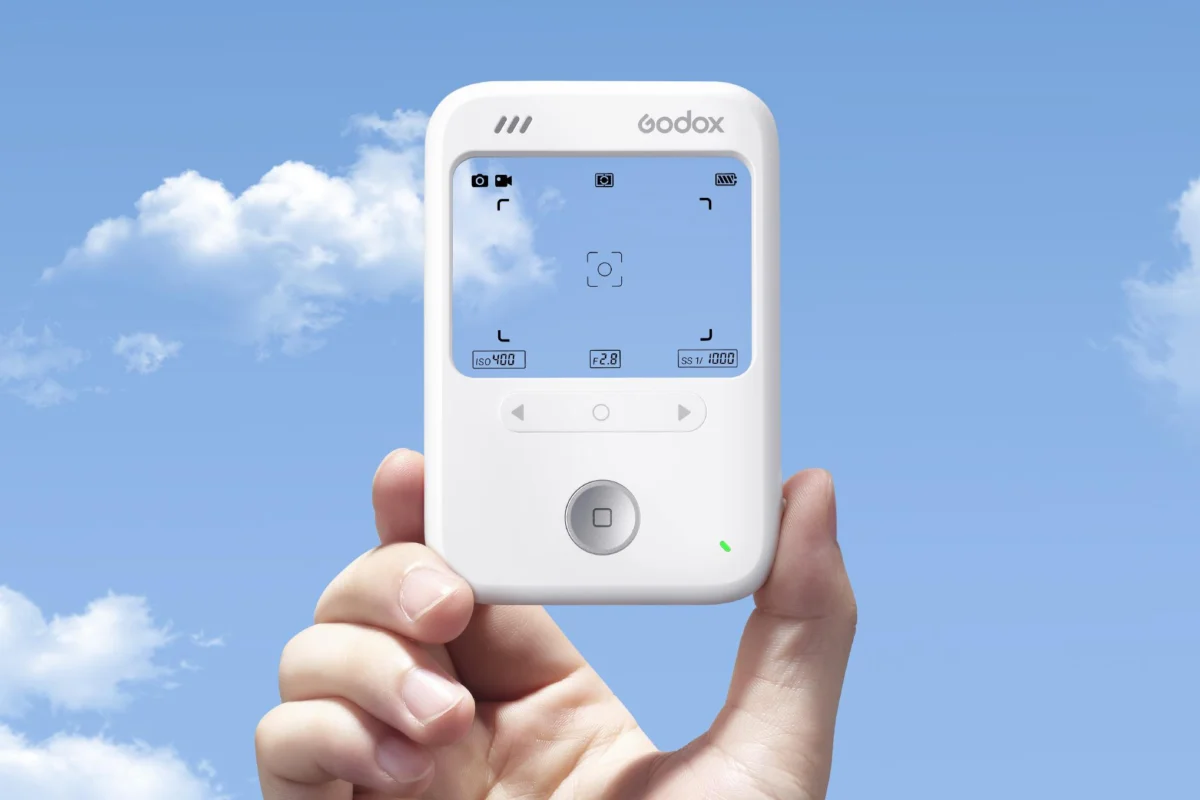
In an era where the average consumer smartphone boasts a triple-lens array capable of capturing cinematic 4K video and computational RAW photography, the market for standalone point-and-shoot cameras should, by all traditional metrics of technological evolution, be extinct. Yet, we are currently witnessing a defiant, nostalgic renaissance. From the viral frenzy surrounding the Kodak Charmera to the relentless pursuit of decade-old Canon PowerShot models on secondary marketplaces like eBay, the modern photographer is increasingly trading clinical digital perfection for the idiosyncratic charm of dedicated, simplified hardware.
The latest entrant to this burgeoning "simple camera" movement is Godox. A brand synonymous with professional-grade studio lighting and strobe equipment, Godox has pivoted in a surprising direction with the release of the C100. By eschewing the standard digital display in favor of a unique transparent LCD that doubles as an optical viewfinder, Godox is positioning its new device not just as a budget shooter, but as an aesthetic statement in a world dominated by touchscreens.
Main Facts: A Bare-Bones Approach to Photography
The Godox C100 is a study in intentional limitation. Weighing a mere 65 grams—roughly the weight of a standard deck of cards—the camera is designed for portability and immediate, distraction-free shooting. While Godox has remained tight-lipped regarding the specific technical specifications of the image sensor and internal processing power, the device is clearly not intended to compete with high-end mirrorless systems.
The standout feature of the C100 is its viewfinder. In a departure from the traditional rear-mounted LCD screens that dominate modern digital cameras, the C100 utilizes a transparent panel. This allows the user to frame their shot while simultaneously viewing critical metadata, such as battery life, remaining storage, and current exposure settings, overlaid directly on the scene.
Functionally, the C100 transcends its role as a simple image-capture device by doubling as a portable light meter. By assessing the ambient light levels within the frame, the camera suggests exposure parameters that users can apply to their primary, more complex camera systems. This duality positions the C100 as a potential "pro-sumer" tool—a lightweight companion for photographers who want a quick, analog-inspired workflow without sacrificing the precision of professional gear.

Chronology: From Lighting Rigs to Pocket Cameras
The path to the C100’s release reflects a broader shift in the imaging industry. For years, Godox built its reputation on the backbone of the photography industry: reliable, affordable lighting. However, the company’s internal research and development teams clearly took notice of the "Y2K aesthetic" trend that has dominated platforms like TikTok and Instagram since 2022.
- 2022–2023: The "Digital Camera Renaissance" takes hold. Gen Z users, disillusioned by the heavy post-processing and AI-smoothing inherent in modern smartphone cameras, begin seeking out the "look" of early 2000s CCD sensors.
- Early 2024: Godox begins prototyping a device that bridges the gap between a utility tool (the light meter) and a functional camera. The goal is to provide the "vibe" of vintage digital photography without the hassle of tracking down deteriorating hardware on the used market.
- Late 2025: Initial rumors circulate regarding a "secret project" from Godox. Leaks suggest a device with a unique, minimalist interface.
- July 2026: The Godox C100 officially launches in the Chinese market. It is met with immediate intrigue from niche photography forums and tech enthusiasts, largely due to its unconventional display technology and aggressive price point.
Supporting Data: The Economics of the Minimalist Shooter
While official technical manuals remain sparse, industry analysts and early hands-on reports from outlets like Digital Camera World have helped flesh out the C100’s capabilities.
The camera supports four distinct aspect ratios, including the standard 16:9 for video and the increasingly popular 1:1 square format. Media is saved to a microSD card, supporting capacities up to 128GB—a generous inclusion for a device of this size. Connectivity is strictly wired; the device lacks Wi-Fi or Bluetooth, forcing a deliberate, manual workflow. Users must connect the camera to a PC or smartphone via USB-C to retrieve their files, a limitation that, ironically, serves as a selling point for those looking to disconnect from the "always-on" cloud ecosystem.
The most staggering data point, however, is the price. At approximately ¥199 (roughly $29 USD), the C100 is positioned as an impulse buy. By comparison, used Canon G7X models, which have seen their prices inflated by social media influencers, often command prices well into the hundreds of dollars. Godox is effectively undercutting the secondary market by offering a brand-new, warranty-backed, and modern-serviced alternative for less than the price of a mid-range camera bag.
Official Responses and Corporate Strategy
Godox has been remarkably quiet regarding a global rollout. On the official product page, the marketing copy focuses heavily on the "pure" experience of photography—a direct nod to the minimalist design philosophy.

Industry experts speculate that Godox is using the C100 as a "Trojan Horse" to test market demand for non-lighting consumer electronics. If the device performs well in China, it could pave the way for a more robust lineup of "lifestyle" imaging tools. However, for now, the company remains focused on the domestic market, leaving international enthusiasts to navigate import services and third-party resellers to get their hands on the device.
There has been no formal statement regarding why the company chose to omit wireless connectivity. However, industry insiders suggest this was a conscious design choice. By removing the need for an accompanying mobile app—which often becomes a security and support burden for the manufacturer—Godox has ensured the C100 remains a "fire and forget" product that requires zero software updates to remain functional.
Implications: The Death of Perfectionism?
The emergence of the Godox C100 signifies a critical juncture in the history of consumer technology. For over a decade, the industry has been locked in a "spec war," with smartphone manufacturers competing to see who can produce the most hyper-realistic, AI-enhanced images. The C100, and the trend it represents, is a rejection of this paradigm.
The Shift Toward Intentionality
The primary implication of the C100’s design is the return of "intentionality." When a photographer is forced to use a device that doesn’t provide an instant, high-fidelity color preview, they are forced to engage with the environment. They must understand exposure, framing, and light in a way that modern smartphone "point-and-shoot" convenience often renders obsolete.
A Threat to the Used Market
The success of the C100 could have profound effects on the secondary camera market. As companies like Godox—and potentially others—begin to flood the market with affordable, new digital cameras that mimic the vintage aesthetic, the "eBay bubble" surrounding old point-and-shoots may finally burst. Why spend $300 on a 15-year-old camera with a dying battery and a non-existent warranty when you can purchase a new, USB-C rechargeable unit for $29?

The Future of "Analog-Digital" Hybrids
Finally, the C100 demonstrates that there is a viable market for hardware that sits between the professional and the toy. By integrating a light meter, Godox has given the camera a utility that keeps it relevant even for photographers who own multi-thousand-dollar mirrorless rigs. This "hybrid" approach—where a device serves as both a primary camera for casual use and a utility for professional work—is likely to be the blueprint for the next generation of niche photography products.
As the tech world continues to push toward more complex, AI-driven experiences, the Godox C100 stands as a reminder that sometimes, less is significantly more. Whether or not it sees a wide international release, its very existence confirms that the appetite for tactile, simple, and affordable photography is stronger than ever. The revolution may not be televised, but it will certainly be photographed—one low-resolution, 65-gram frame at a time.
 Raul Delapena Setiawan
  Siti Muinah
  Asro
Asro 