
 By Nila Kartika Wati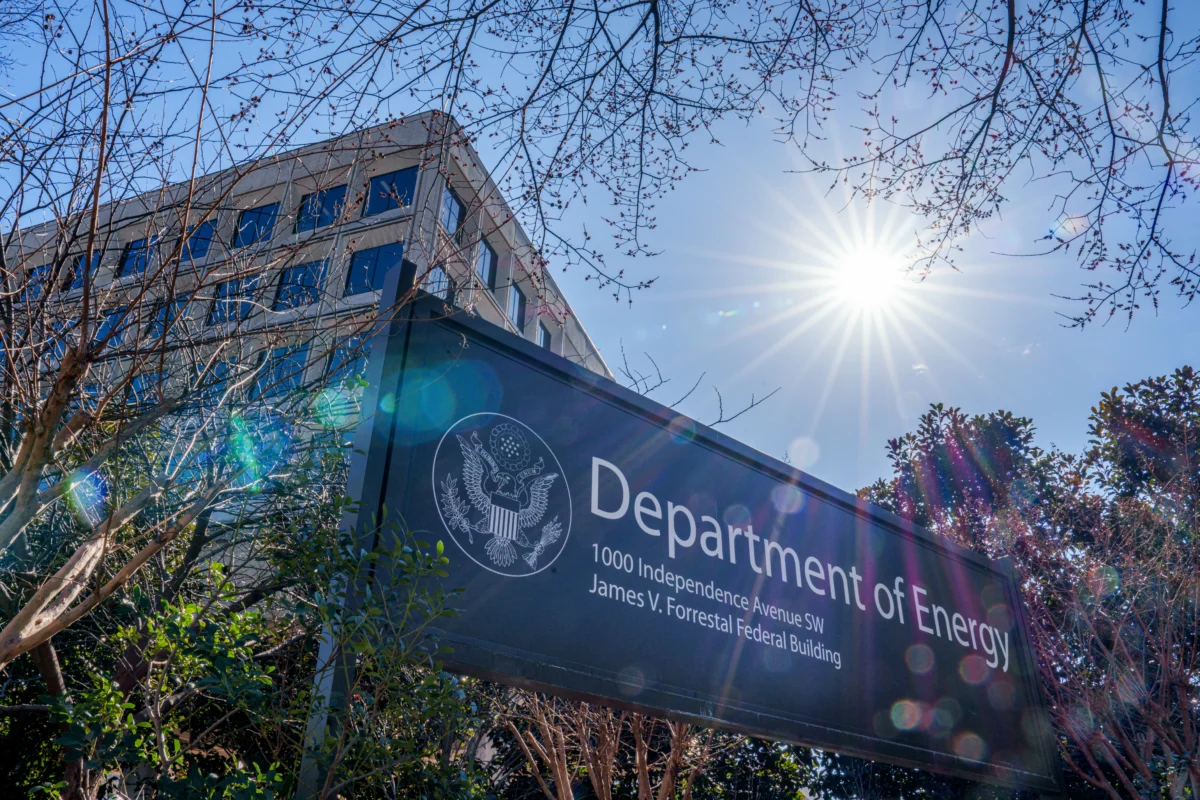
By Terrence O’Brien
In an era where digital archives are often touted as the bedrock of public policy and institutional knowledge, the U.S. Department of Energy (DOE) has taken the unprecedented step of scrubbing approximately 6,000 pages of online documentation. The purge, which occurred during one of the most punishing heatwaves in recent American history, has effectively erased a decade’s worth of energy conservation guidance, technical advice on home insulation, and materials related to the agency’s long-standing solar decathlon initiatives.
The removal of this data—much of which was originally hosted under the "Energy Saver" portal—has sparked a fierce debate over the politicization of public utilities. While the DOE has yet to issue a comprehensive formal explanation for the deletion, the timing of the move suggests a direct, reactionary response to a burgeoning culture war centered on how Americans manage their household electricity during extreme weather events.
The Catalyst: A Request for Restraint
The controversy traces its roots to a recent, high-stakes plea from New York City Mayor Zohran Mamdani. As temperatures across the Northeast soared, threatening the stability of the regional power grid, Mamdani urged citizens to consider setting their residential air conditioning units to 78 degrees.
The request was intended as a common-sense mitigation strategy to reduce peak load during a period of critical demand. However, the suggestion ignited a firestorm of criticism from prominent Republican figures. Senators Ted Cruz and Nikki Haley, alongside Representative Nancy Mace, were among the most vocal, characterizing the request as an overreach of government power. The rhetoric quickly escalated, with critics framing the energy conservation request as a form of "socialist" control and, in some instances, attacking the premise as an affront to women’s health, particularly those experiencing menopause.
The political theater surrounding the request stood in stark contrast to the historical consensus held by energy experts and, until recently, the DOE itself. The irony of the situation is profound: the very advice Mayor Mamdani offered—setting thermostats to 78 degrees—has been the gold-standard recommendation for decades, endorsed by both Democratic and Republican administrations alike.
A Chronology of Climate Conflict
To understand the gravity of the DOE’s data purge, one must examine the timeline of the current energy crisis.
- June 2025 (Early Month): Heat indices across the Northeast and Midwest reach triple digits. The U.S. electrical grid begins to show signs of extreme stress, with utility providers issuing warnings about potential rolling blackouts.
- The Mamdani Announcement: Mayor Zohran Mamdani publicly asks New Yorkers to adjust their thermostats to 78 degrees to prevent grid collapse.
- The Political Backlash: Within hours, Republican leaders take to social media and cable news to denounce the request. The messaging shifts rapidly from energy policy to cultural grievance.
- The Purge: Following the peak of the media frenzy, the Department of Energy begins a systemic deletion of its "Energy Saver" web pages. Over the course of 48 hours, thousands of documents, guides, and educational resources are rendered inaccessible.
- The Archive Intervention: Archivists and digital preservationists, noting the sudden disappearance of government documents, scramble to compare the DOE’s current site architecture against cached versions held by the Internet Archive. The disparity confirms the loss of approximately 6,000 unique pages.
The Historical Precedent: When Red States Recommended Conservation
The political furor over thermostat settings overlooks a long history of bipartisan support for energy efficiency. In fact, many of the most ardent critics of the current advice have, in the past, advocated for the exact same measures.
In Texas, a state known for its independent and often volatile power grid, Republican leadership has frequently resorted to public appeals for conservation. During previous summers, Governor Greg Abbott issued executive directives urging Texans to limit energy consumption, including setting thermostats higher during peak hours. Similarly, during his tenure as Secretary of Energy under the Trump administration, Rick Perry—a former Texas governor—repeatedly advised citizens to be "good neighbors" by conserving power during times of extreme weather.
The DOE’s historical documentation—now deleted—provided the technical framework for these recommendations. It detailed how proper home insulation, shading, and the strategic use of cooling systems could not only save consumers money but also prevent the catastrophic failure of power grids. By removing this data, the agency has effectively severed the public’s access to the technical "why" behind these conservation efforts.

Supporting Data: The Reality of Heatwaves
The necessity of energy conservation is not merely a political talking point; it is a matter of public safety. According to the Centers for Disease Control and Prevention (CDC) and the National Oceanic and Atmospheric Administration (NOAA), extreme heat is currently the deadliest weather phenomenon in the United States. It claims more lives annually than hurricanes, tornadoes, and flooding combined.
During the recent New York heatwave, temperatures remained above 95 degrees for four consecutive days, with two days reaching over 100 degrees. In such conditions, the electrical grid becomes the single most important piece of public health infrastructure. When grids fail—as they have in past events in Texas and the Pacific Northwest—the consequences are often fatal.
Data from the Department of Energy’s own (now deleted) archives previously highlighted that residential cooling accounts for nearly 20 percent of total household energy use. By encouraging a modest adjustment in thermostat settings, grid operators can shave off peak demand, ensuring that essential services like hospitals, senior centers, and public cooling shelters remain operational.
The Scope of the Deletion: Beyond Thermostats
Perhaps the most concerning aspect of the DOE’s purge is that it was not limited to thermostat advice. The 6,000 deleted pages were broad in scope, suggesting an indiscriminate removal of content rather than a targeted update.
The deleted materials included:
- Water Conservation: Detailed guides on how to optimize residential water usage, which is critical in drought-stricken regions.
- Insulation Standards: Technical specifications for building materials that reduce heat gain and loss, which are essential for long-term climate resilience.
- The Solar Decathlon: Resources related to the Department’s flagship collegiate competition, which challenges students to design and build highly efficient, solar-powered houses.
By erasing these resources, the DOE has removed a roadmap for a more sustainable, resilient housing sector. While the Internet Archive has preserved many of these pages, their removal from the official government domain creates a barrier to entry for the average citizen who may not know where to look for credible, non-partisan information.
Official Responses and Implications
When questioned about the disappearance of the data, official representatives for the Department of Energy have provided vague responses, citing "website modernization" and "content review processes." However, there has been no clear indication as to when, or if, this information will be restored to the public domain.
The implications of this move are significant. First, it undermines the institutional credibility of the DOE. When a federal agency begins to purge data that conflicts with the political preferences of the current administration, it erodes public trust in government-provided technical expertise. Second, it creates a "knowledge gap" that leaves the public vulnerable. Without access to established best practices for energy conservation, consumers are left to rely on fragmented, often inaccurate information found on social media.
Finally, the deletion serves as a harbinger of a new, more polarized approach to public utility management. If the simple act of conserving energy becomes a partisan flashpoint, the technical challenges of modernizing the U.S. power grid—which will require immense public cooperation—become exponentially more difficult to solve.
As the climate continues to change and extreme weather events become the new norm, the role of government as a source of reliable, objective data is more vital than ever. By opting to hide that data rather than engage with the science, the Department of Energy has taken a step backward, leaving the grid—and the public—less prepared for the challenges that lie ahead.
 Raul Delapena Setiawan
  Siti Muinah
  Asro
Asro 