
 By Nana Muazin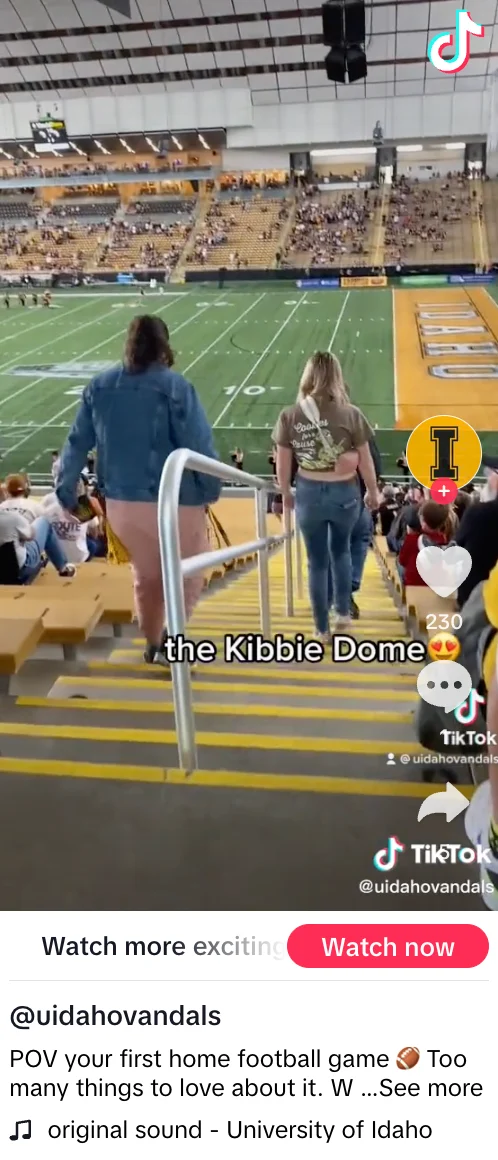
In the modern academic landscape, the digital front door is no longer a physical gate or a static university website—it is the social media feed. As we move through 2026, the intersection of higher education and social media has shifted from a "nice-to-have" marketing channel to a critical infrastructure for recruitment, institutional branding, alumni relations, and crisis management.

For administrators and marketing teams in post-secondary institutions, the challenge lies in navigating a landscape where Gen Z and Gen Alpha demand authenticity over polish, and where the line between institutional messaging and student-led content is increasingly blurred.

Main Facts: The New Academic Imperative
The core reality for higher education today is that students are making high-stakes decisions based on social media signals before they ever step foot on a campus. According to data from RNL, 56% of prospective students prioritize social media presence during the initial discovery phase of their college search.
This digital-first approach means that institutions must treat their social platforms as a 24/7 engagement hub. It is a space where the institution’s values, research breakthroughs, and day-to-day culture are synthesized into digestible, shareable content. When executed correctly, a social strategy does not just supplement the enrollment funnel; it accelerates it by humanizing the institution and providing "social proof" that the campus is a vibrant, inclusive, and forward-thinking environment.
Chronology of the Digital Shift
The evolution of social media in higher education has progressed through three distinct phases:
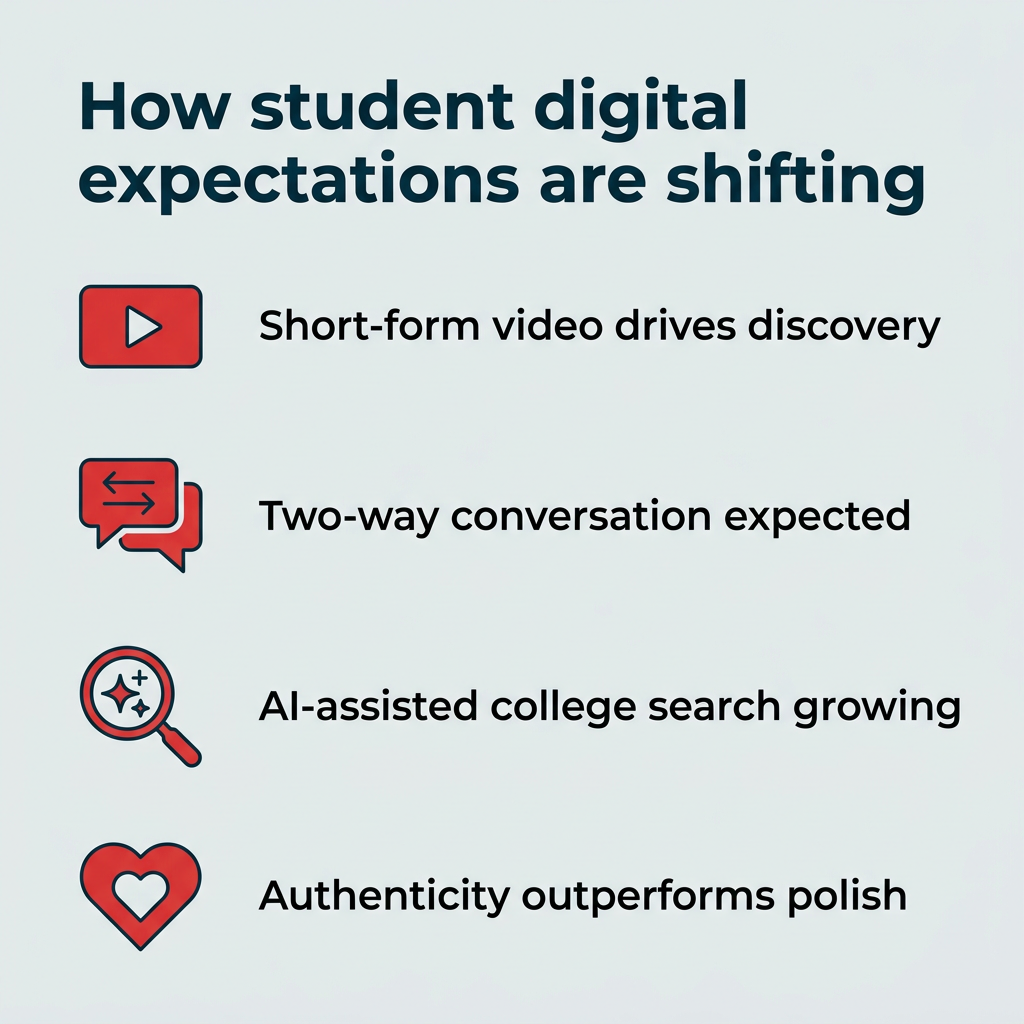
- The Broadcasting Era (Early 2010s): Institutions utilized platforms like Facebook primarily as a digital bulletin board to push press releases and event reminders. Engagement was largely one-way.
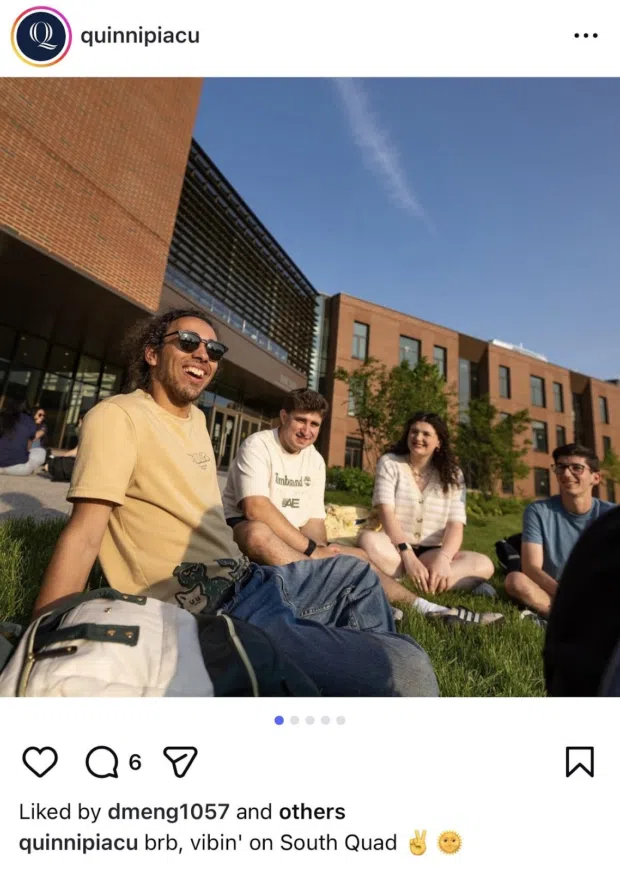
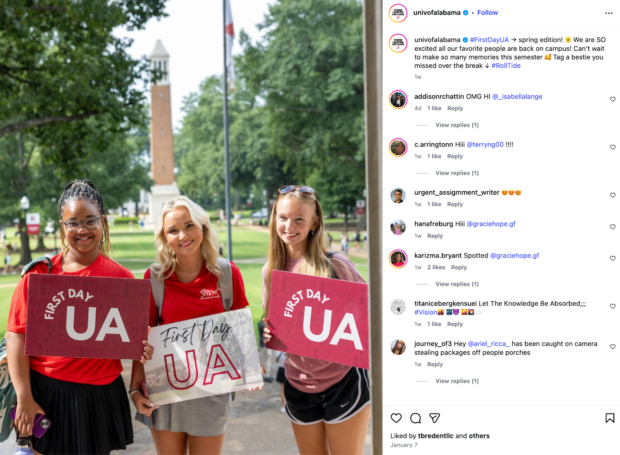
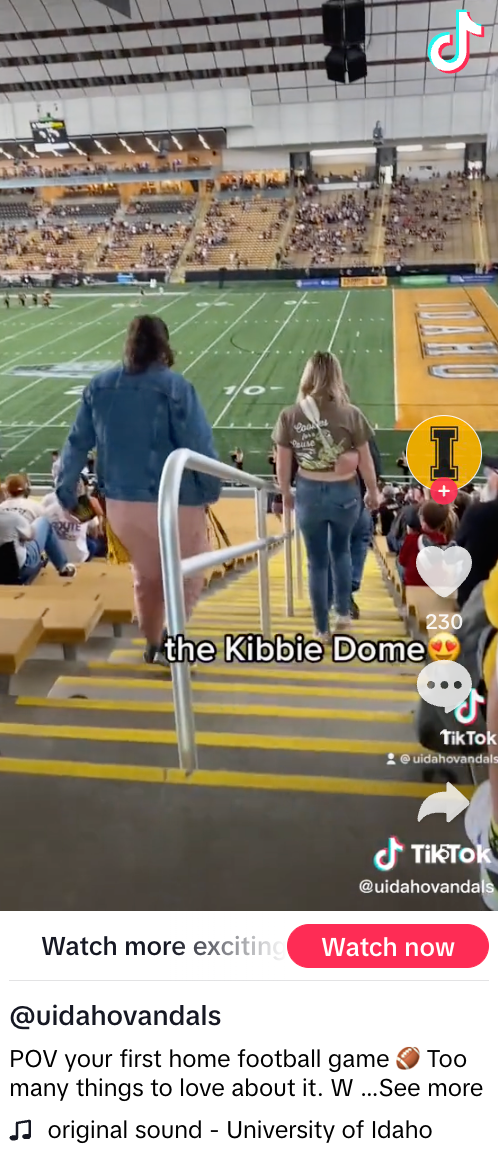
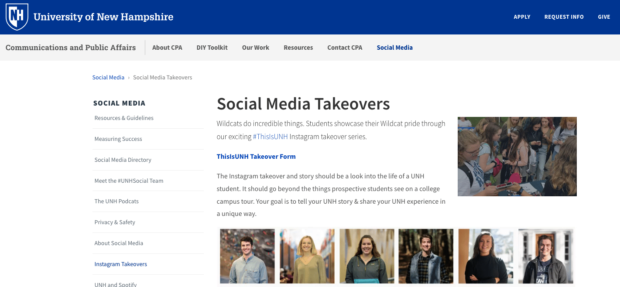
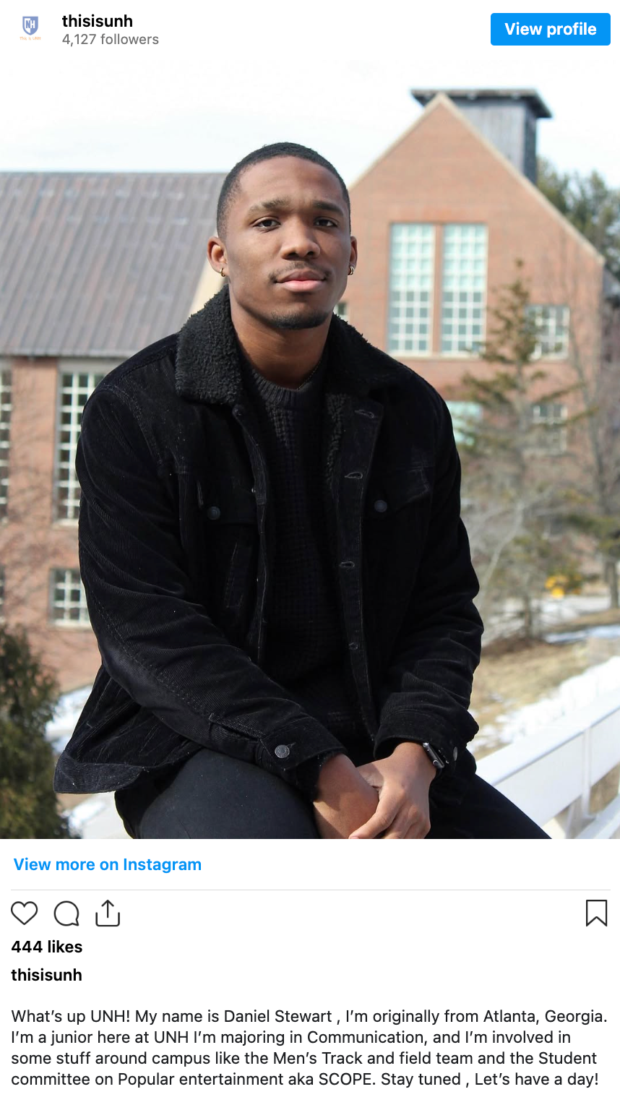
- The Influencer & Humanization Era (2015–2022): Universities began to recognize the power of student-led content. This era saw the rise of the "campus takeover" and the shift toward visual storytelling on Instagram, acknowledging that peer-to-peer validation carried more weight than administrative announcements.
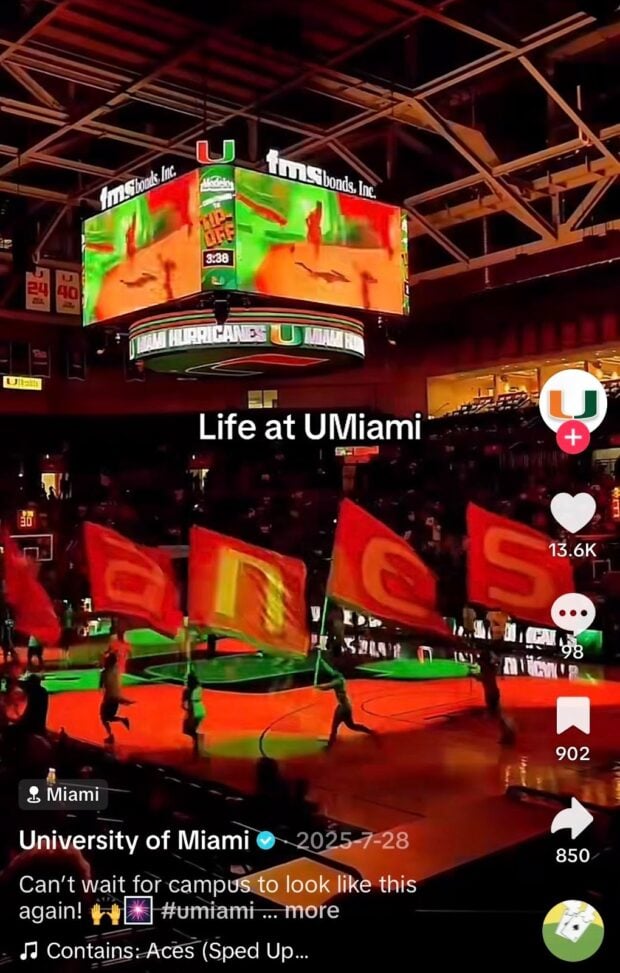
- The Authentic Discovery Era (2023–2026): We are currently in a phase defined by short-form video discovery (TikTok and Reels) and AI-assisted search. Students now expect real-time, conversational interaction. The "polished" look of corporate branding has been replaced by the raw, "lo-fi" aesthetic of student life, where authenticity serves as the primary currency for trust.
Supporting Data: Why Strategy Matters
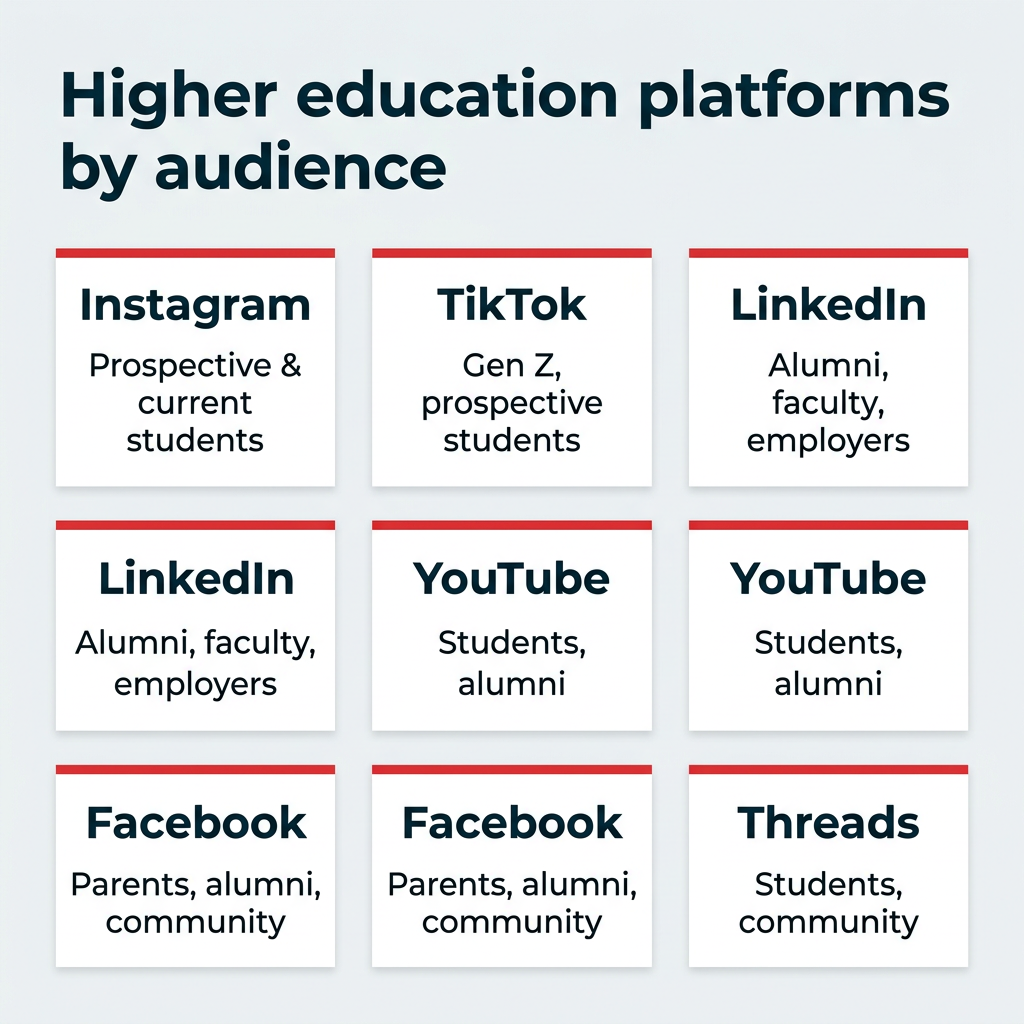
The shift toward social-first engagement is backed by hard numbers. Data indicates that 84% of prospective students find virtual tours and student-led video content essential to their research process. Furthermore, the demographic breakdown of platform usage remains a critical anchor for strategic planning:
- TikTok & Instagram: Dominated by prospective and current students looking for "day-in-the-life" content and campus vibe.
- LinkedIn: The primary hub for alumni networking, faculty research promotion, and career-readiness initiatives.
- Facebook: Remains the strongest channel for connecting with parents, alumni associations, and local community members (where Gen X and Boomer demographics are most active).
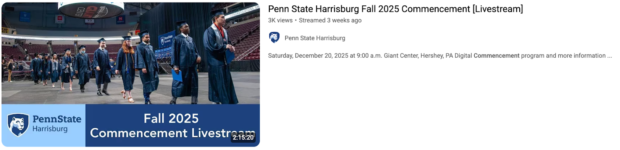
- YouTube: Continues to be the long-form archive for commencement ceremonies, lectures, and deep-dive virtual campus tours.
These metrics demonstrate that a "one-size-fits-all" approach is no longer viable. Institutions that segment their messaging by platform and audience—using LinkedIn for professional outcomes and TikTok for cultural discovery—consistently see higher conversion rates.
Institutional Implications: The Need for Governance
With the democratization of content creation—where student workers, various academic departments, and alumni chapters all manage their own handles—institutions face a significant risk of brand fragmentation.
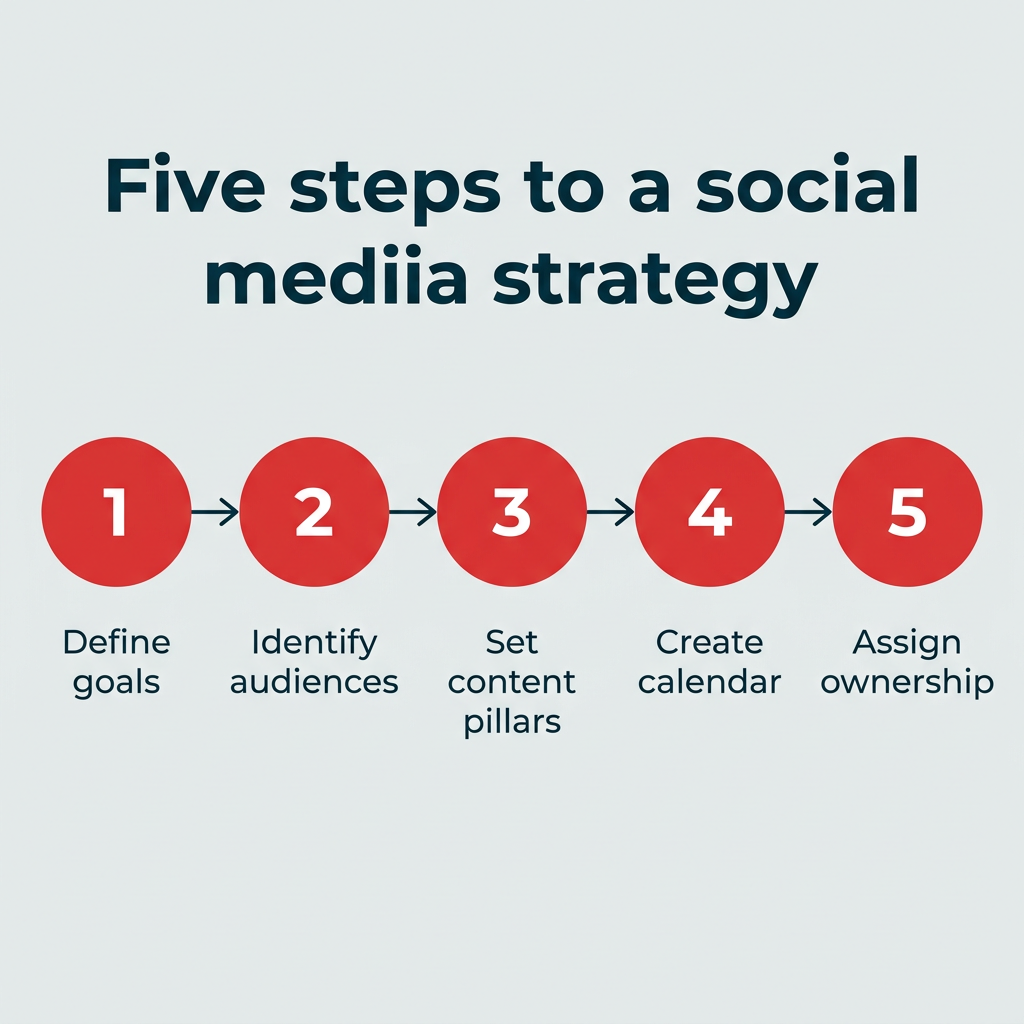
The Strategy-First Approach
To mitigate this, universities must implement a unified social media strategy that aligns individual department goals with the institution’s core mission. This begins with a "Social Campus" model:
- Centralized Governance: A core communications team sets the brand pillars, tone of voice, and crisis management protocols.
- Decentralized Execution: Individual departments are empowered to create content, provided they operate within the guardrails established by the central team.
- Approval Workflows: Utilizing enterprise management platforms allows for real-time collaboration, ensuring that every post is vetted for accuracy and tone before going live.
The Power of Social Listening
Beyond publishing, the most advanced institutions are leveraging "social listening" tools. By monitoring hashtags, keywords, and sentiment, administrators can track student concerns before they escalate. Whether it is a critique of campus dining or a debate over a new policy, social listening provides a real-time dashboard of the "campus temperature."
Crisis Communication and Real-Time Updates
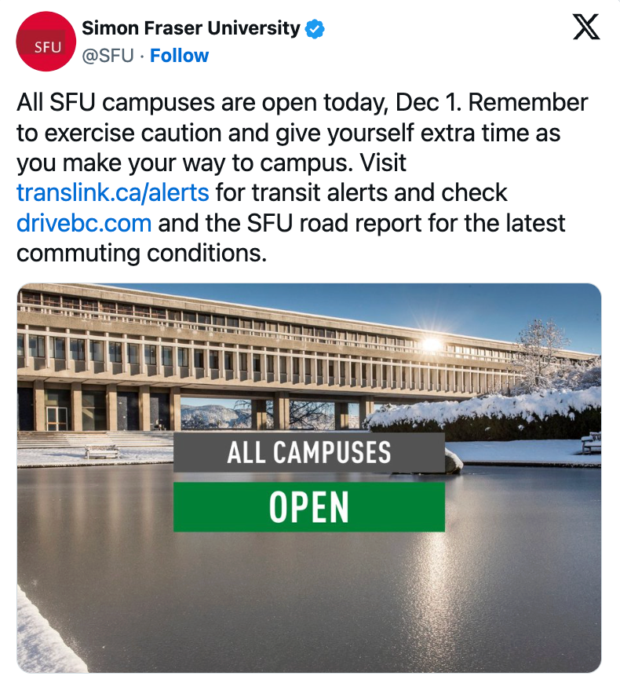
The role of social media in crisis management has never been more critical. In instances of severe weather, on-campus emergencies, or public controversies, social platforms serve as the primary source of truth. A pre-approved crisis communication plan—including pre-drafted templates and a clear chain of command for account access—is mandatory for modern safety.
By pushing updates across all channels simultaneously, universities can ensure that students, parents, and faculty receive accurate information without delay, thereby maintaining institutional credibility during high-stress events.
Cultivating Advocacy: Turning Students into Ambassadors
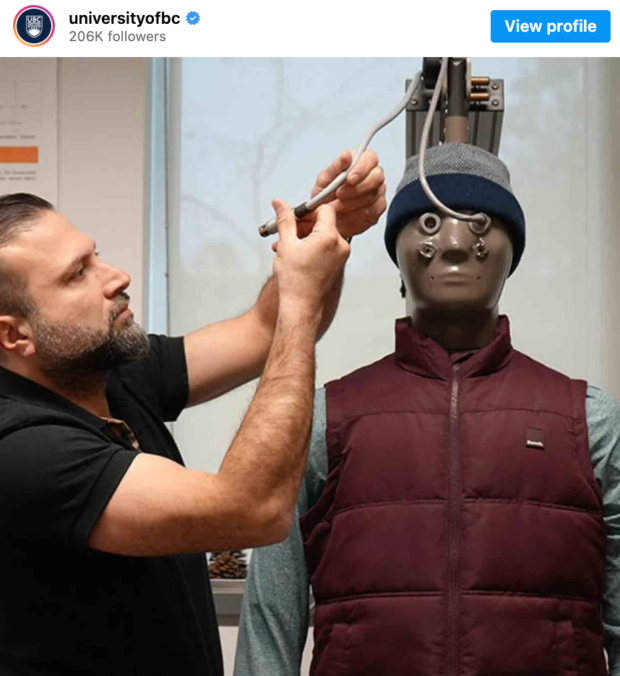
One of the most effective strategies in 2026 is the transition from "broadcasting" to "advocacy." By formalizing student and staff ambassador programs, institutions can amplify their reach far beyond their official follower count.
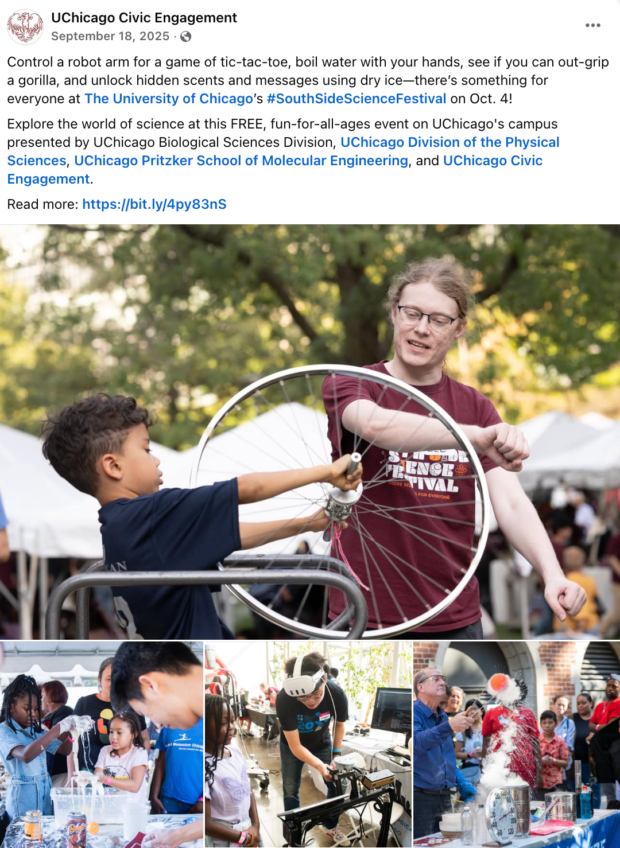
When a student shares a post about their research or a campus event on their personal account, it reaches a network that the university’s official page never could. Providing these advocates with high-quality, branded assets—and making the sharing process as seamless as a single tap—allows the university to scale its presence organically. This "Human-to-Human" (H2H) marketing approach is consistently ranked as the most trusted form of communication by prospective applicants.
Measuring ROI: Connecting Social to Outcomes
The final, and perhaps most difficult, hurdle for higher education is proving the Return on Investment (ROI) of social efforts. To move beyond vanity metrics like "likes," institutions must map social activity to specific institutional KPIs:

- Enrollment: Track link clicks from social channels to application pages or campus visit RSVP forms.
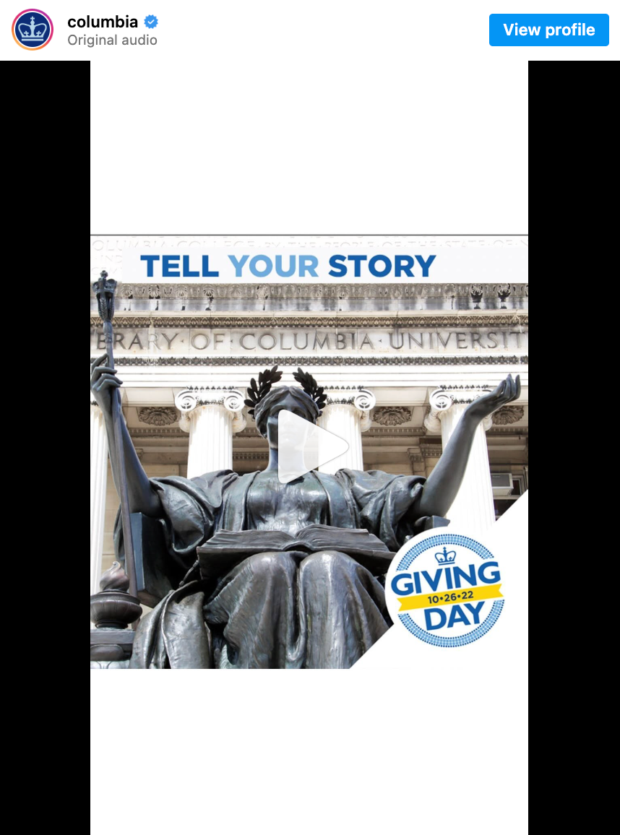
- Alumni Relations: Measure the impact of fundraising campaigns (like Giving Day) by tracking conversion rates from social-driven traffic to donation portals.
- Brand Sentiment: Use qualitative data from comments and shares to benchmark the university’s reputation against peer institutions.
By integrating social media analytics with Customer Relationship Management (CRM) systems, marketing teams can finally create a closed-loop reporting structure that justifies budget allocations and proves that social media is, in fact, a primary driver of the university’s bottom line.
Conclusion: The Path Forward
The future of higher education social media is not found in more posts, but in better connections. As we look ahead, the institutions that will succeed are those that embrace the messy, authentic, and rapid-fire nature of digital communication. By fostering a culture of student-led storytelling, maintaining rigorous governance, and using data to guide every decision, universities can transform their social media presence into a living, breathing digital campus that welcomes, informs, and inspires the next generation of scholars.
In an era of information overload, the universities that remain the most "human" online will be the ones that win the hearts and minds of their communities.
 Reynand Wu
  Muslim
  Nila Kartika Wati