
 By Neng Nana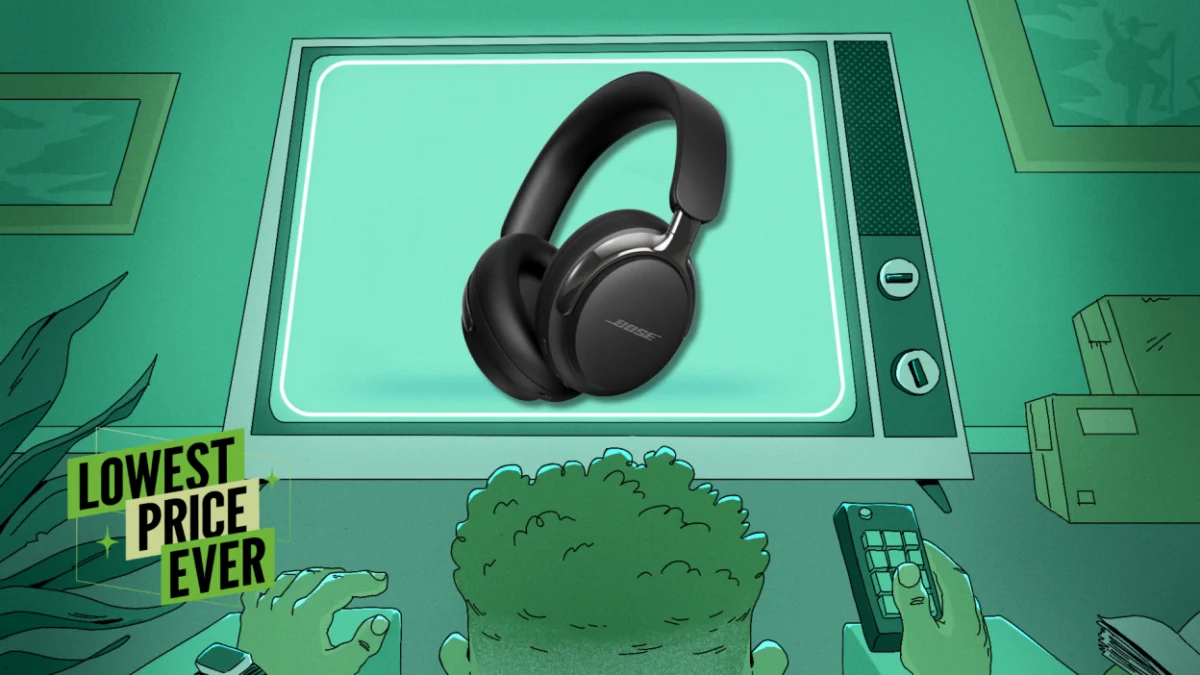
By Daniel Oropeza | July 10, 2026
In the fast-evolving landscape of personal audio, the constant race for the "newest" tech often distracts consumers from the best value. While recent headlines have been dominated by the debut of Sony’s luxury-tier 1000XM6 headphones—which carry a steep $600 price tag—many audiophiles are finding that premium quality doesn’t always require a premium tax. Today, the Bose QuietComfort Ultra (2nd Gen) headphones have hit their lowest price ever, dropping to $369 from an original MSRP of $449. This discount represents a significant opportunity for those who prioritize long-term comfort, industry-leading noise cancellation, and a streamlined user experience over the bells and whistles of more expensive, complex alternatives.
Main Facts: The New Standard for Premium Audio
The current market shift reflects a growing consumer fatigue regarding "feature creep." As manufacturers pack more AI-driven adjustments and complex EQ settings into their flagship models, the core requirements of a high-end headphone—sound quality, silence, and wearability—can sometimes get lost.
The Bose QuietComfort Ultra (2nd Gen) returns to the fundamentals that made the brand a household name. Key specifications include:
- Pricing: Currently $369, marking an all-time low.
- Active Noise Cancellation (ANC): Continues to be among the best in class, effectively silencing everything from jet engines to office chatter.
- Connectivity: Supports USB-C for lossless audio, a critical feature for users looking to bypass Bluetooth compression.
- Battery Life: Offers a robust 30 hours of playback, sufficient for the most demanding travel schedules.
- Codec Support: Features AAC and SBC, with the inclusion of AptX Adaptive for high-resolution streaming.
A Chronology of the Bose QuietComfort Line
To understand why the 2nd Gen Ultra headphones are significant, one must look at the lineage of the QuietComfort series. Since the inception of the product line, Bose has functioned as the industry benchmark for Active Noise Cancellation.
- Early 2000s: Bose established its dominance in the commercial aviation sector, with the QC series becoming an essential tool for frequent flyers.
- 2024: The launch of the original QuietComfort Ultra lineup marked a pivot toward "immersive audio," utilizing proprietary spatial processing to create a wider soundstage.
- 2025: Following the success of the Ultra earbuds, Bose refined the headphone architecture, focusing on clamping force, ear-cup material density, and the integration of USB-C audio, which had become a highly requested feature by the audiophile community.
- July 2026: The current price reduction coincides with mid-year sales cycles, positioning the Bose QC Ultra as a direct competitor to the recently released, higher-priced Sony 1000XM6, creating a "value-per-dollar" dilemma for prospective buyers.
Supporting Data: Why "Less" is Often "More"
The debate between the Bose QuietComfort Ultra and the Sony 1000XM6 often boils down to a conflict between philosophy and utility. While Sony’s software ecosystem is undeniably powerful, it is frequently criticized for being bloated. The Sony "Sound Connect" app, while deep in functionality, has become a point of frustration for users who simply want their headphones to work immediately.
In contrast, the Bose app is widely praised for its minimalism. By limiting the complexity of the EQ settings, Bose avoids overwhelming the average consumer. For the vast majority of users, the "out-of-the-box" sound signature of the QC Ultra is superior.
According to technical reviews from outlets like PCMag, the QuietComfort Ultra headphones excel in:
- Ergonomics: The clamping force is calibrated for long-term wear, making them ideal for 8+ hour workdays or trans-continental flights.
- Lossless Capability: By allowing USB-C input, Bose is acknowledging the shift in the music industry toward high-resolution files on platforms like Apple Music and Tidal. This bypasses the inherent limitations of Bluetooth bandwidth, providing a cleaner, more textured audio experience.
Official Perspectives and Industry Reception
The industry consensus on the 2nd Gen Ultra headphones is overwhelmingly positive. Reviewers have highlighted the "excellent" noise cancellation as the defining feature. While critics point to the limited EQ options as a drawback for "power users" who enjoy granular control over frequencies, this is framed by Bose supporters as a feature rather than a bug.

"The goal is accessibility," says a spokesperson familiar with the product’s design philosophy. "We wanted to ensure that the user spends less time managing software and more time engaging with their media."
Conversely, those who enjoy "tinkering" with their hardware may find the Sony 1000XM6 more aligned with their needs. The Sony flagship offers a more complex array of features, including advanced ambient sound modes and AI-predictive ANC, which some users find indispensable. The choice, therefore, becomes a question of intent: Are you buying a tool for daily focus, or a hobbyist device for audio exploration?
Implications: The Consumer’s Dilemma in 2026
The current price drop of the Bose QuietComfort Ultra serves as a bellwether for the broader tech market. It suggests that even in a landscape defined by rapid innovation, "proven technology" remains a massive driver of sales.
The Price-Performance Gap
Spending $600 on headphones in 2026 is an investment that requires significant justification. If the marginal gains provided by the newest models are not immediately perceptible to the average listener, the $369 price point of the Bose headphones becomes the "sweet spot" of the high-end market.
Long-Term Value
Consumers should consider the following before making their purchase:
- Longevity: Bose has a long history of hardware durability. The QC line is famously resilient, with parts—such as ear pads—being easily replaceable, extending the lifespan of the device well beyond the three-year mark.
- Software Support: As evidenced by the current app updates, Bose remains committed to supporting the 2nd Gen Ultra well into the future, ensuring that the headphones do not become obsolete with the next iOS or Android update.
- The "Silent" Advantage: For remote workers or commuters, the noise-cancellation performance of the QC Ultra is an investment in mental health. The ability to create a "bubble of silence" in a noisy environment is a tangible benefit that software-heavy competitors often fail to match with the same consistency.
Final Verdict
If you are currently in the market for a high-end pair of headphones, the current promotion on the Bose QuietComfort Ultra (2nd Gen) is an anomaly that should not be ignored. It represents the intersection of premium hardware and approachable software at a price point that makes the $600 alternatives look increasingly niche.
Whether you are a frequent flyer, a student, or a professional looking to tune out the world, these headphones offer a sophisticated, reliable, and—most importantly—comfortable solution. While the allure of the "latest and greatest" is strong, the data suggests that for the vast majority of users, the Bose QuietComfort Ultra is not just the smarter buy, but the better listening experience.
Disclaimer: This article contains affiliate links. If you make a purchase through these links, we may earn a commission. Deal pricing and availability are subject to change after the time of publication.
 Layla Zulfa
  Asro
Asro  Reynand Wu