
 By Suro Senen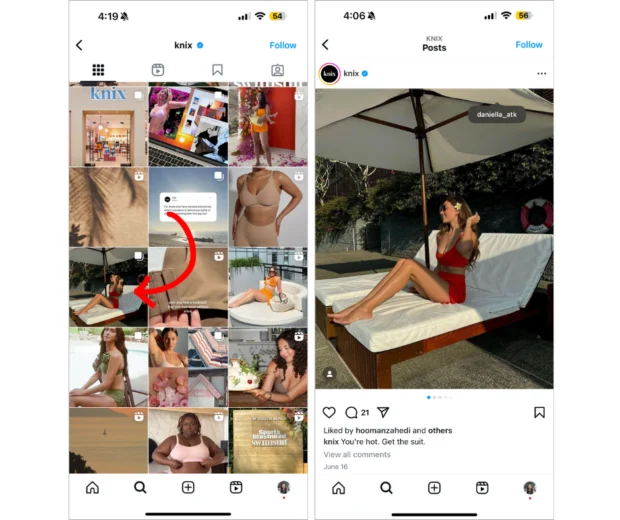
In the modern digital ecosystem, the most valuable currency is not the advertising dollar, but the unsolicited, authentic recommendation of a satisfied customer. As we move through 2026, the marketing landscape has shifted decisively away from top-down brand messaging toward a model driven by social proof and peer-to-peer influence. At the heart of this transformation lies "social listening"—a strategic discipline that has evolved from a simple monitoring tool into a $10.91 billion market imperative.

By leveraging sophisticated social listening, brands are no longer just broadcasting; they are participating in a global conversation, turning satisfied customers into vocal brand advocates who act as the most credible sales force a company could ever hope to employ.

Defining the Advocacy Flywheel
At its core, customer advocacy is the deliberate practice of nurturing relationships with a brand’s happiest users to transform them into active champions. The necessity of this approach is backed by data: 34% of consumers now cite "a focus on self-promotion" as a primary reason for disconnecting from brands on social media.
There is a critical distinction between customer advocacy and brand advocacy. Customer advocacy is the internal strategic effort—what the brand does to prioritize and champion the needs of its audience. Brand advocacy is the external result—what happens when those customers, feeling genuinely heard and valued, voluntarily promote the brand to their own networks. This creates a "flywheel" effect: the brand listens, improves the experience, delights the customer, and in turn, earns the advocacy that drives further growth.

A Chronology of the Modern Consumer Relationship
The evolution of the brand-customer relationship has undergone three distinct phases:
- The Broadcast Era: Brands spoke at consumers through television and print. Feedback loops were slow, often measured in weeks or months.
- The Monitoring Era: With the rise of early social media, brands began "monitoring" mentions to perform basic customer service. This was purely reactive—a digital suggestion box.
- The Strategic Listening Era (Current): Today, organizations use advanced AI-driven social listening to analyze sentiment, trends, and patterns across millions of conversations. This is proactive. It allows companies to anticipate market shifts, address pain points before they become PR crises, and identify "super-users" to build long-term partnerships.
Supporting Data: Why Advocacy Outperforms Advertising
The shift toward advocacy is driven by a fundamental truth: people trust peers more than they trust brands. When a customer recommends a product on TikTok or LinkedIn, they carry a level of credibility that no paid advertisement can replicate.
Furthermore, the economics are undeniable. Acquiring a new customer in 2026 remains significantly more expensive than retaining an existing one. Advocates do more than just lower acquisition costs; they also spend more, demonstrate higher lifetime value (LTV), and show increased resilience when a brand encounters a minor, temporary misstep. For CMOs and VPs of Marketing, advocacy is no longer a "soft" metric; it is a hard-hitting growth lever that directly impacts revenue and long-term brand equity.

Understanding the Tooling: Listening vs. Monitoring
While often used interchangeably, the technical difference between monitoring and listening is the defining factor in a successful advocacy strategy.

- Social Monitoring is tactical. It is the act of catching an individual alert—a complaint about a delayed shipment or a shout-out for a great purchase. It is about resolution.
- Social Listening is strategic. It is the analysis of the "why." It looks at the macro-level sentiment surrounding an industry, a competitor’s product line, or shifting consumer behaviors.
| Feature | Social Listening | Social Monitoring |
|---|---|---|
| Focus | Trends, sentiment, patterns | Individual mentions, alerts |
| Scope | Industry, competitors, audience | Specific brand mentions |
| Output | Strategic insights | Tactical responses |
| Advocacy Role | Uncovers the drivers of loyalty | Provides moments for engagement |
The Seven Pillars of Advocacy-Driven Listening
To turn passive followers into active advocates, brands must utilize listening data in seven distinct ways:

1. Surfacing Real-Time Insights
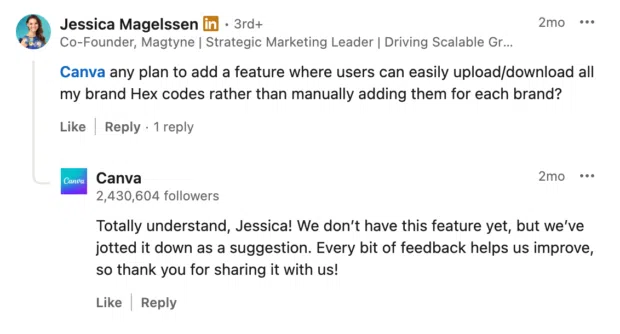
Listening allows brands to tap into unfiltered feedback. When a company publicly acknowledges this feedback—like Canva’s active engagement on LinkedIn—they signal to their entire audience that they are a "listening brand," which fosters deep-seated trust.

2. Identifying and Engaging Advocates
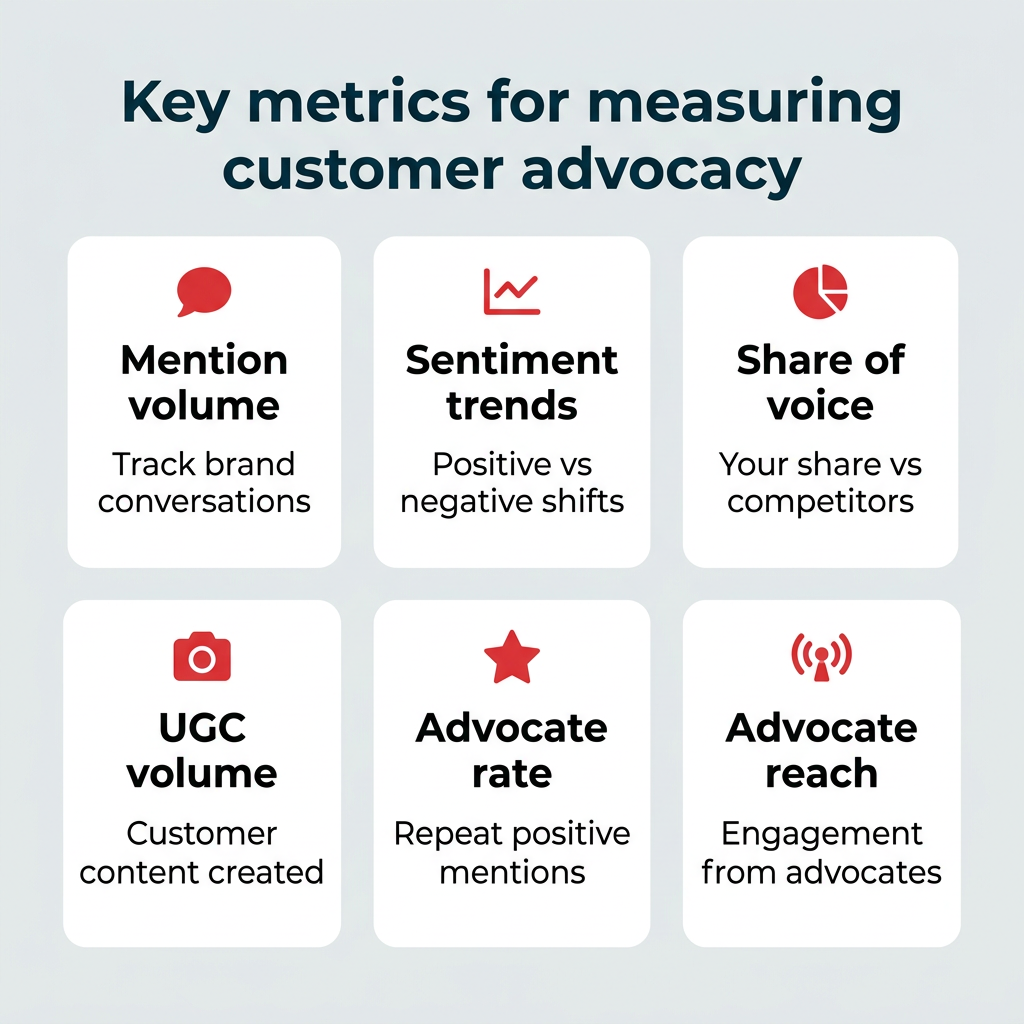
Social listening tools act as a filter, surfacing the most loyal voices from the noise. By identifying repeat positive mentions, brands can proactively engage these users, inviting them to beta programs or exclusive content partnerships.

3. Amplifying User-Generated Content (UGC)
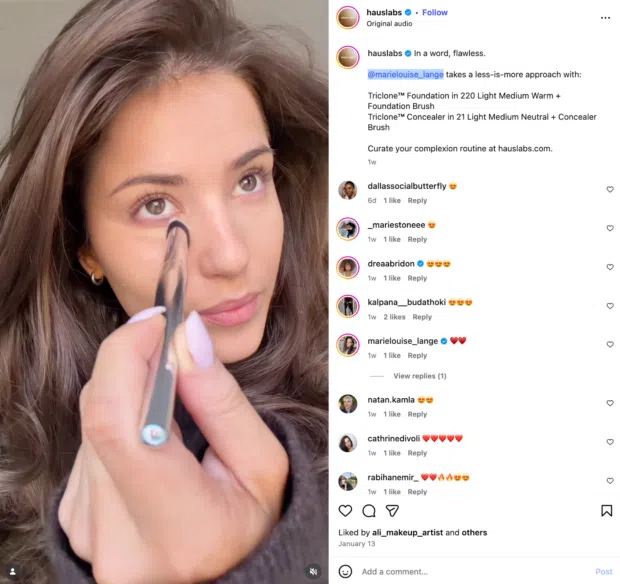
Authentic UGC is the gold standard of social content. Brands like Haus Labs successfully integrate customer tutorials into their feed, proving that a customer’s voice is often more persuasive than a brand’s high-production assets.
4. Closing the Loop on Feedback
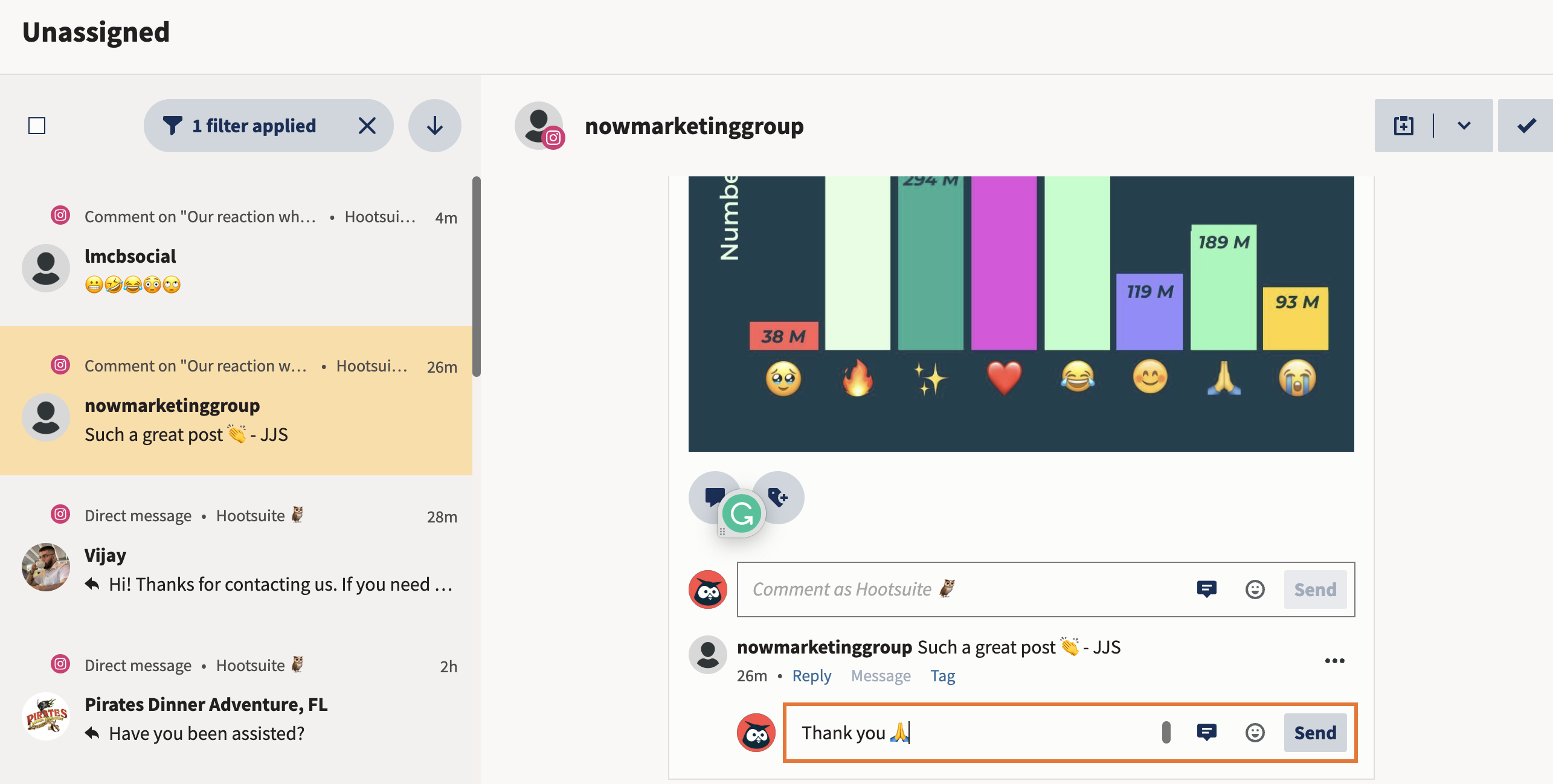
Responding to a complaint effectively in public can be more powerful than receiving a five-star review. It demonstrates that the brand stands behind its product and its customers, effectively converting a potential detractor into an advocate through excellent service recovery.
5. Building Customer-Centric Roadmaps
When a company like Slack uses listening data to inform their beta programs, they are not just developing features; they are creating a sense of ownership among their users. When customers help build the product, they are far more likely to advocate for it.
6. Competitive Benchmarking
By tracking the "share of voice" and sentiment surrounding competitors, brands can identify market gaps. If customers are complaining about a rival’s poor support, a brand can pivot its own messaging to highlight its superior service, winning over disillusioned customers from the competition.
7. Monitoring Sentiment Shifts
Advanced listening platforms provide alerts for sudden dips or spikes in sentiment. This real-time visibility allows leadership to protect the brand’s reputation and double down on the initiatives that are generating the most positive buzz.

Case Studies: Advocacy in Action
The effectiveness of these strategies is best viewed through the lens of industry leaders:
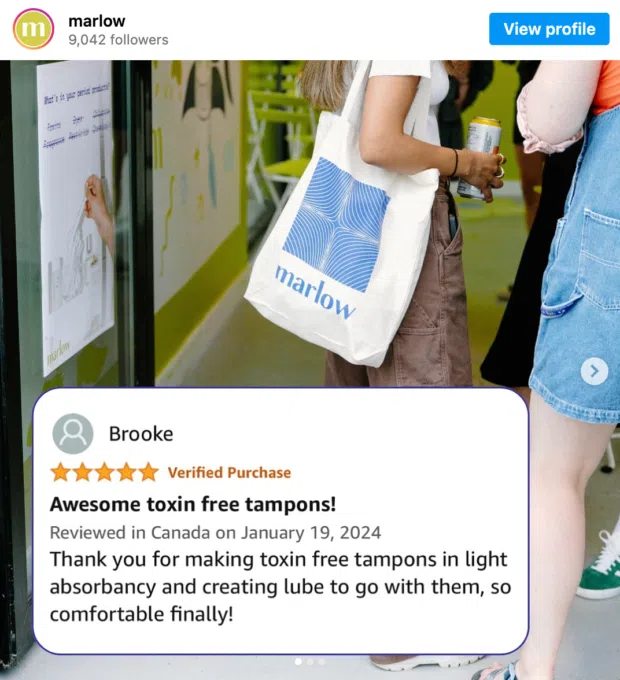
- Marlow: During industry-wide concerns regarding product safety, Marlow used social listening to provide transparent, reassuring information, simultaneously highlighting five-star reviews to maintain trust.
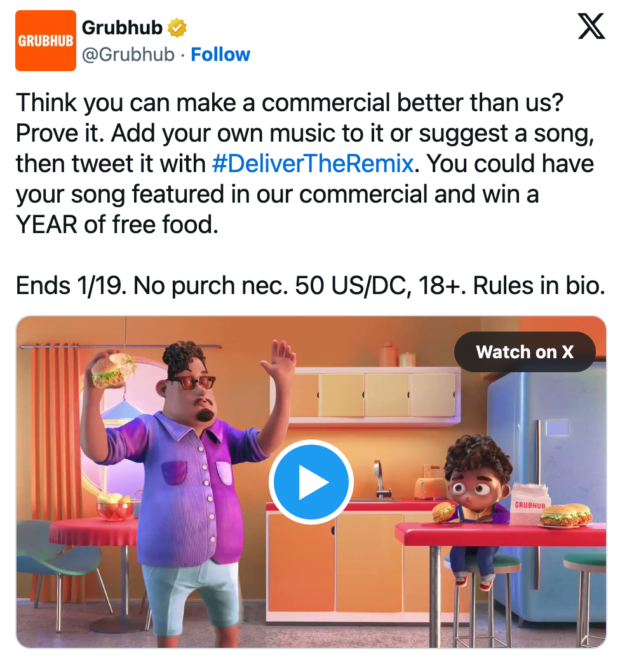
- Grubhub: By recognizing that their "Delivery Dance" ad had become an organic meme, the company leaned into the humor, launching the #DeliverTheRemix contest. This transformed a potentially passive ad into an interactive, community-driven event.
- HelloFresh: By upgrading from manual monitoring to an automated social listening suite, the company identified 400% more mentions, ensuring that no customer interaction—tagged or untagged—went ignored.
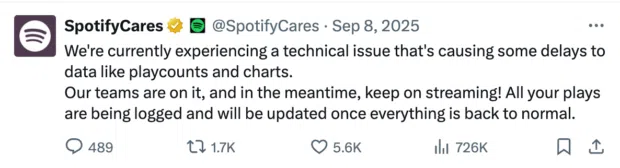
- Spotify: Through their dedicated "Spotify Cares" channel, the company monitors not just direct mentions but also broader technical discussions, ensuring they address issues at scale before they spiral.
- Cargolux: By monitoring the global conversation surrounding a specialized animal transport project, the company was able to engage with news outlets and the public in real-time, effectively turning a logistical operation into a global branding success story.
Implications for Future Growth
The future of brand growth lies in the hands of the customers themselves. As we look toward the latter half of the decade, the divide between companies that merely "post" on social media and those that "listen" will widen.

The companies that succeed will be those that view social media as a two-way conduit for empathy and intelligence rather than a megaphone for sales. By adopting a formal social listening strategy, brands can systematically identify their advocates, learn from their insights, and nurture a community that doesn’t just buy their products—it champions them.

As the data shows, advocacy is not a "soft" metric; it is the most robust, cost-effective growth strategy available to the modern enterprise. The question for leadership today is no longer whether they can afford to invest in social listening, but whether they can afford not to.
 Reynand Wu
  Muslim
  Nila Kartika Wati