
 By Siti Muinah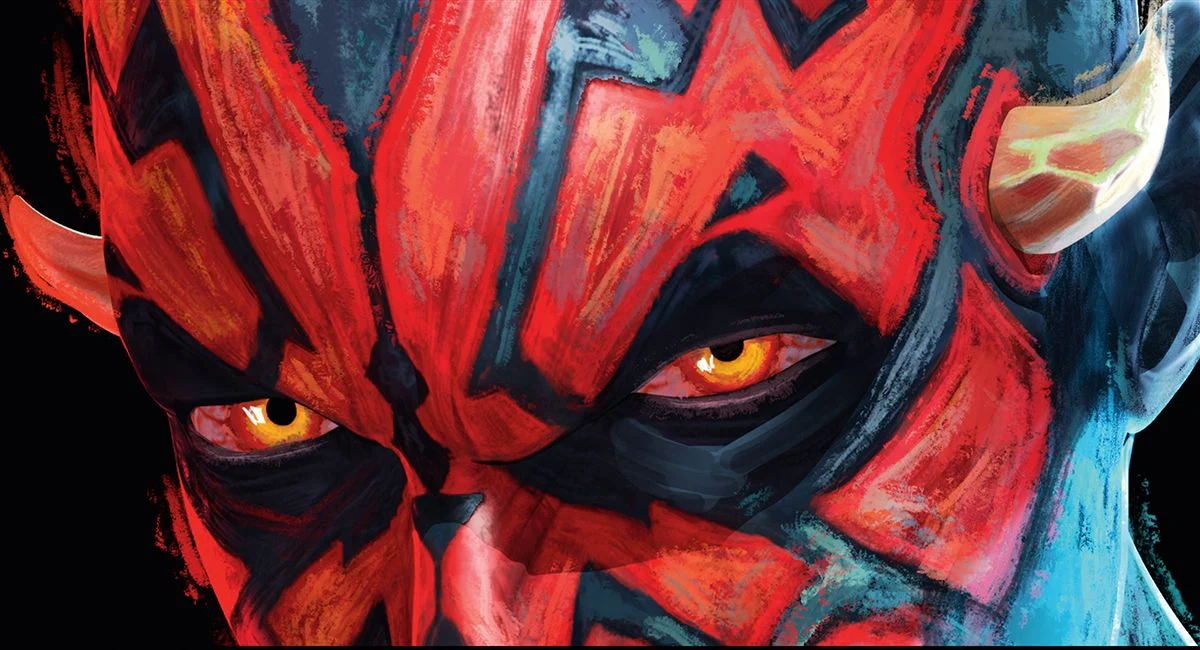
Los Angeles, CA – The expansive universe of Star Wars continues to captivate audiences with its rich narratives and iconic visuals. The latest animated installment, "Star Wars: Maul – Shadow Lord," streaming on Disney+, has garnered significant attention not only for its gripping storyline but also for its distinctive artistic style. To delve into the intricate creative process that brought this series to life, we recently sat down with Andre Kirk, the esteemed Art Director at Lucasfilm Animation. Kirk provided an exclusive, in-depth look at the challenges and meticulous processes involved in crafting the visual identity of the hit animation, emphasizing a unique "painterly" aesthetic that sets it apart.
The interview illuminated how artists meticulously developed the look and feel of several pivotal components of the series. From the fresh design of the new Jedi Master Eeko-Dio Daki to the sprawling urban landscape of Janix, and the nuanced portrayal of the titular Sith Lord, Maul, every element underwent rigorous artistic scrutiny. This deep dive reveals a commitment to innovation while honoring the saga’s storied legacy, offering a fascinating glimpse into the confluence of art, technology, and storytelling that defines modern animation.
The Genesis of a Galactic Aesthetic: A Chronology of Visual Development
The creation of an animated series on the scale of "Star Wars: Maul – Shadow Lord" is a monumental undertaking, beginning long before the first frame is rendered. Andre Kirk outlined a systematic yet creatively fluid process that underpins Lucasfilm Animation’s approach. The journey starts with a foundational understanding derived from the script, followed by extensive discussions with the supervising director. This initial phase is crucial for establishing the narrative’s emotional core and the specific roles each character and environment will play.
"A lot of discussion happens, between reading the script and talking to the supervising director, about what role does [a character] have? When can we lean into the whimsical things?" Kirk explained, highlighting the collaborative nature of early development. This iterative design approach is paramount, allowing for conceptual exploration while ensuring fidelity to the broader Star Wars canon. "We always want to make sure we’re paying respect to the previous versions when we’re iterating on what’s come before, but also creating our own version of these characters," he stressed. This delicate balance—respecting established lore while forging new ground—is a hallmark of Lucasfilm’s creative philosophy.
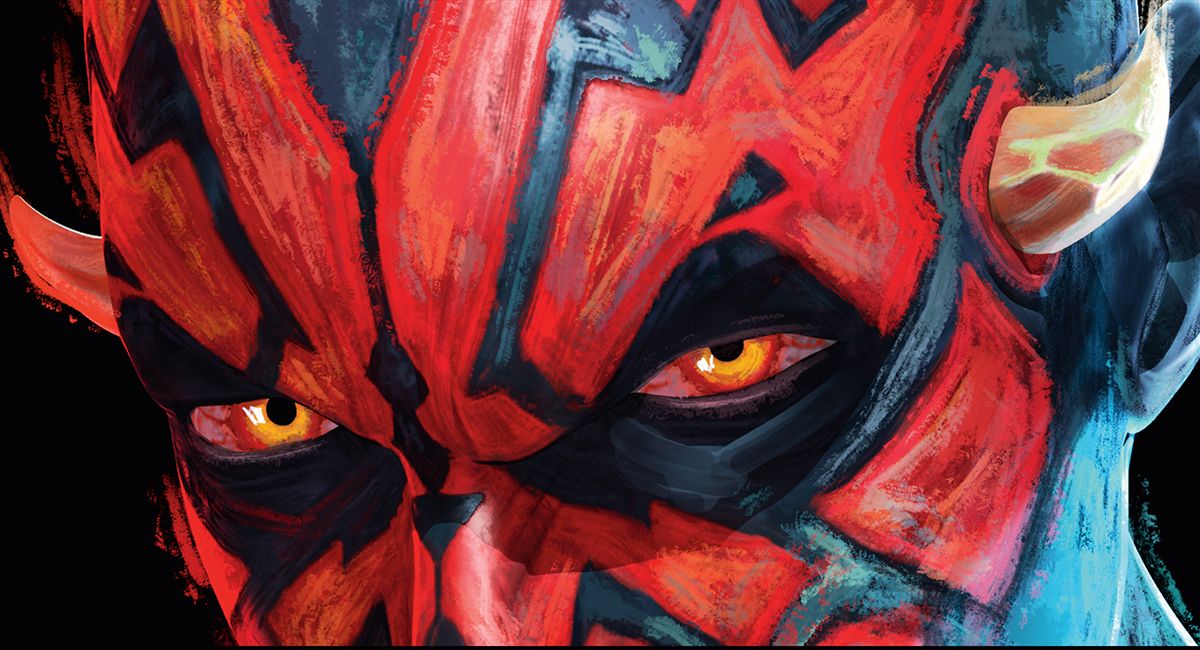
Central to "Shadow Lord’s" visual identity is a deliberate push towards a "painterly and stylised nature," a conscious departure from hyper-realism. This aesthetic choice is not merely superficial; it permeates every aspect of the design, from character skin textures to fabric weaves and environmental surfaces. The goal is to evoke the tactile quality of a traditional painting, with visible brushstrokes and nuanced color transitions, rather than attempting to replicate photographic reality. This artistic directive serves to unify the series’ diverse elements under a cohesive and distinctive visual umbrella, inviting viewers to appreciate the artifice of the animation as part of its charm.
A significant aspect of this development process involves encouraging designers to imbue characters with rich, unwritten backstories—what Kirk playfully refers to as "head-canon." "We always encourage designers to think of a back story when they’re designing. For example, asking: ‘How did this guy become a mob boss? Feel free to inject any of your ideas into there.’" This practice ensures that even the smallest design decision is rooted in a character-driven validity, adding layers of depth and authenticity that might not be explicitly stated in the script but are fully realized in the artists’ minds. This comprehensive approach to character conceptualization provides a solid foundation for their visual representation, allowing for more expressive and believable animated performances.
Supporting Data: Deep Dives into Key Visual Elements
Crafting a Whimsical Mob Boss: The Evolution of Looti Vario
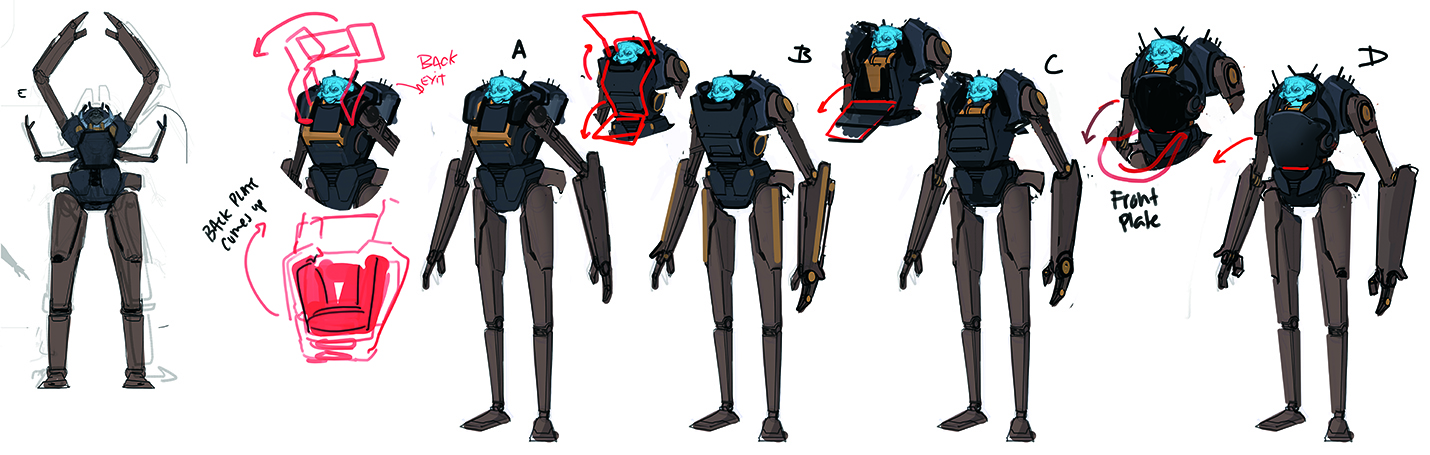
The character of Looti Vario exemplifies Lucasfilm Animation’s ability to blend established Star Wars species with fresh narrative roles. "Looti Vario was fun to work on," Kirk recalled, noting the initial premise: an Aleena, a small, lizard-like alien, housed within a mech suit. This duality—a diminutive creature commanding formidable machinery—immediately sparked creative possibilities.
The design process for Looti began by referencing previous depictions of Aleenas in "The Clone Wars" and live-action Star Wars productions. These existing versions served as a foundational base, upon which the team layered the specific needs of Looti’s character in "Shadow Lord." Kirk explained, "We started with those versions as a base and added in the flexibility that we knew we needed with the character." This iterative approach ensured that Looti felt familiar yet distinctly unique.
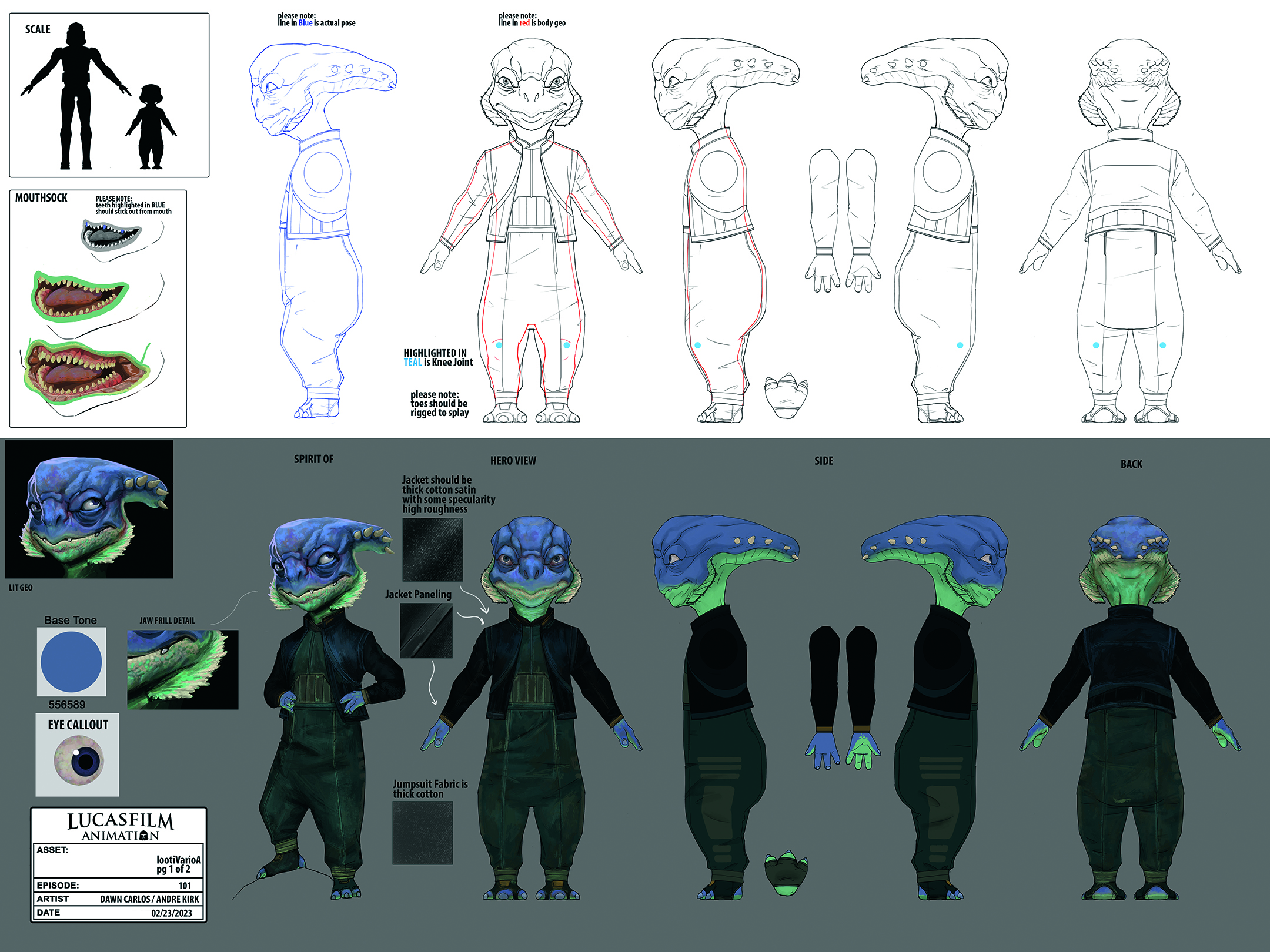
A key focus for Looti was his expressive range. As a character slated to display "a lot of expressive emotions," particular attention was paid to his facial features. "We concentrated on his open mouth, detailing out the teeth, gums, all of that to really realise his character," Kirk elaborated. This meticulous detailing ensured that Looti’s smaller stature didn’t hinder his ability to convey complex emotions, allowing animators ample room for nuanced performances. The contrast between his small scale and his imposing mech suit, further accentuated by "whimsical things like his teeny tiny gun," added a layer of comedic charm and character depth.
Beyond his physical form, Looti’s attire and backstory were extensively explored. Early concept art saw designers experimenting with various outfits, from "Napoleonic" styles to purely functional ensembles, all aimed at suggesting a rich personal history. This period of exploration underscored the "head-canon" philosophy. "It was about trying to suggest a back story for the character," Kirk stated. "If it’s not written down specifically, it could be that what you’re suggesting becomes what this character is." For Looti, this meant imagining his entire life arc, from "birth through college, and then graduating as a crime lord." This comprehensive character biography, though largely unseen by the audience, provided a "real and character-driven validity to all the design decisions," ensuring that his appearance and demeanor were deeply integrated with his narrative role.
Designing a Master of Mystery: Jedi Master Eeko-Dio Daki
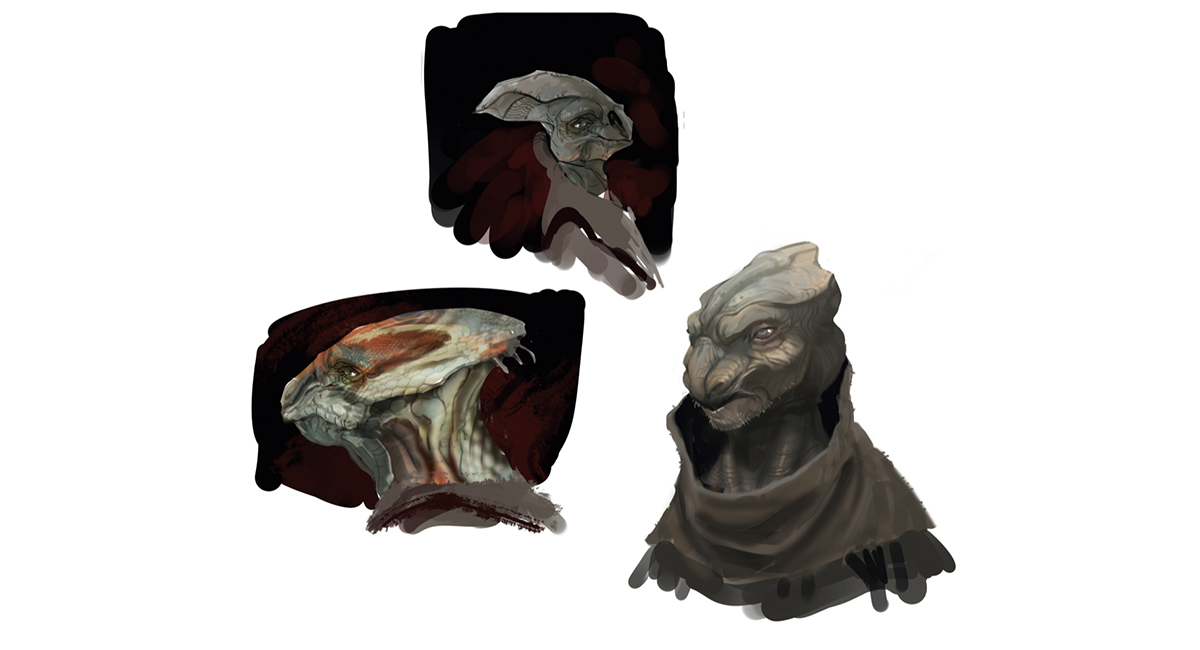
Jedi Master Eeko-Dio Daki presented a different set of design challenges, particularly given his role as a character on the run, possibly in disguise. The visual development team invested heavily in his backstory, which directly influenced his attire and overall presentation. "There was a lot of development on his back story, outfit and how he should be dressed," Kirk revealed. His costume, described as "very similar to a flight suit," prompted questions about its origin and purpose: "Where did he get it? Is it his originally? He’s on the run, but is he a pilot? In disguise?" This level of detailed inquiry is standard for all characters, ensuring every design choice is purposeful.
Daki’s cape, a seemingly simple garment, became a focal point for demonstrating the series’ painterly aesthetic. The team grappled with how to break it up into "multicolours" and incorporate "additional hues" while ensuring it stored light evenly. The challenge was to depict realistic fabric folds and tattered edges without veering into hyper-realism. "Ultimately the question becomes how do we retain the painterly and stylised nature of the world without things getting too realistic?" Kirk pondered. The solution often involved "oversized" real-world textures, such as a cotton weave, making them visibly stylized rather than photorealistic.
Kirk introduced an intriguing analogy: "It’s a bit like what you would have with plaster gypsum." He explained that much of the surface texture in "Shadow Lord" mimics gypsum, characterized by its interplay between paint and weave. This guidance, passed to the design team, ensures that textures "go in and out between paint, then weave, then paint, and then weave," creating a dynamic, hand-painted feel. This meticulous attention extends to Daki’s head shape and the subtle interplay of light and shadow, all calibrated to enhance the stylized aesthetic rather than a purely mimetic one. The result is a character whose design is rich with implied history and artistic intent, a true product of the series’ distinctive visual language.
Engineering an Immersive World: The Metropolis of Janix
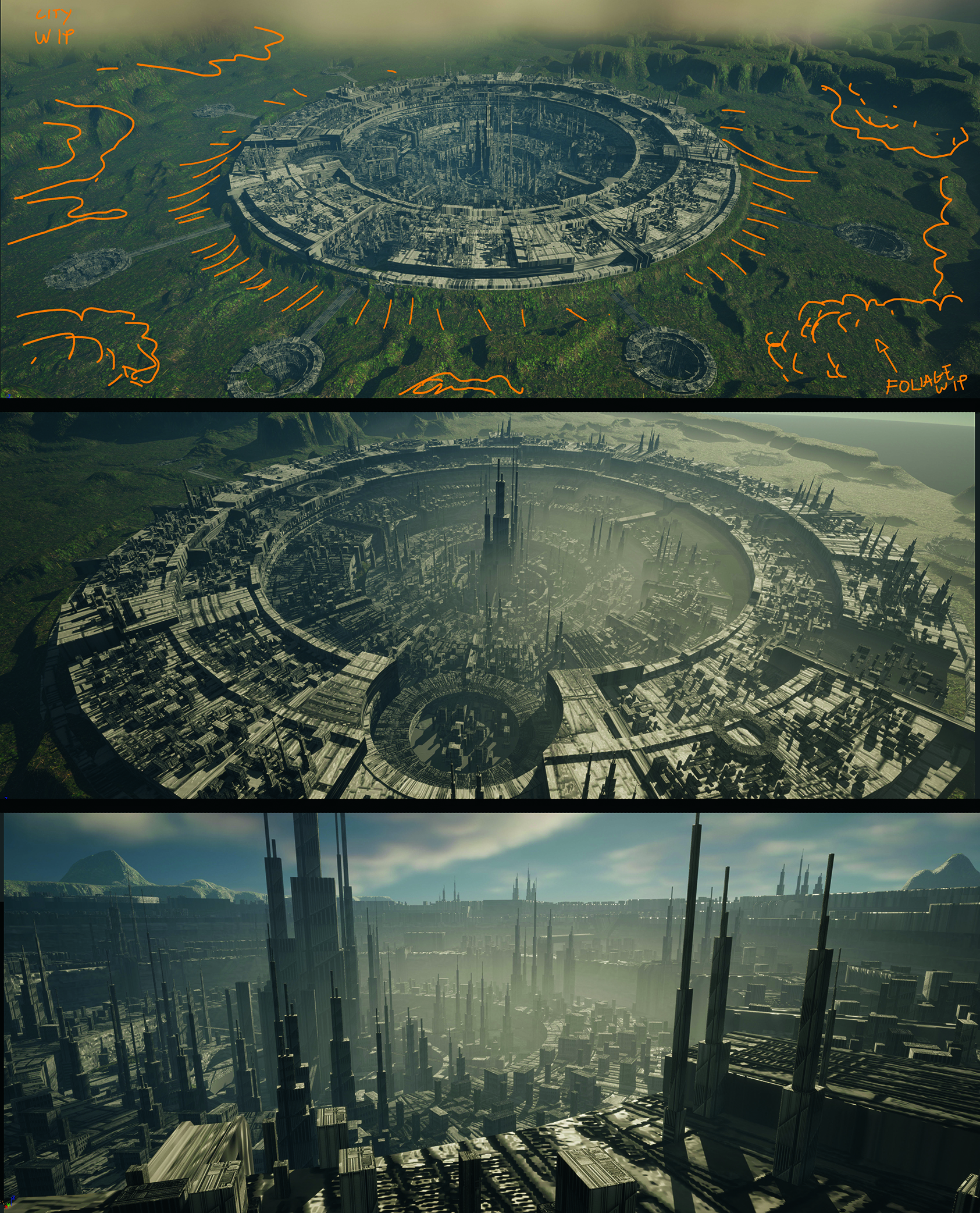
The planet of Janix, particularly its sprawling city, stands as a testament to the meticulous environmental design in "Star Wars: Maul – Shadow Lord." The visual development team, led by artists like Chris Felker, aimed to create a city that "fuses the technological and natural in a familiar Star Wars aesthetic," evoking the grand, multi-tiered designs seen in locations like Utapau from "Star Wars: Revenge of the Sith."
The commitment to comprehensive environmental design is absolute. Kirk detailed the responsibilities of the design team: "For instance, for the bridge (seen in episode 1 of the series), the design team would be responsible for showing you every angle of it: how it would work, how it connects to the buildings, how the buildings are made, what they look like from every angle." This exhaustive approach ensures that every structure, every street, and every detail, down to the "signs on those buildings," is thoroughly conceived and mapped out.
The objective is not just visual appeal, but also spatial coherence. "Just sort of laying out the space that you’re in," Kirk explained. While storyboard artists are given some flexibility to adjust elements for dramatic effect, critical structures and layouts are "locked down" after consultation with the supervising director. This stringent control is crucial to prevent viewer disorientation. "We don’t want someone to look at a scene and go ‘Wait. Where am I?’ It has to make sense not just for the story but also in a real-world city layout way, even though it’s something a viewer might never see." This dedication to internal logic and geographical plausibility, even for elements that might only be glimpsed briefly, underscores the immersive quality of Janix. The city functions as a believable, lived-in space, enhancing the narrative by providing a consistent and compelling backdrop for the characters’ adventures.
Refining an Icon: The Nuances of Darth Maul’s Design
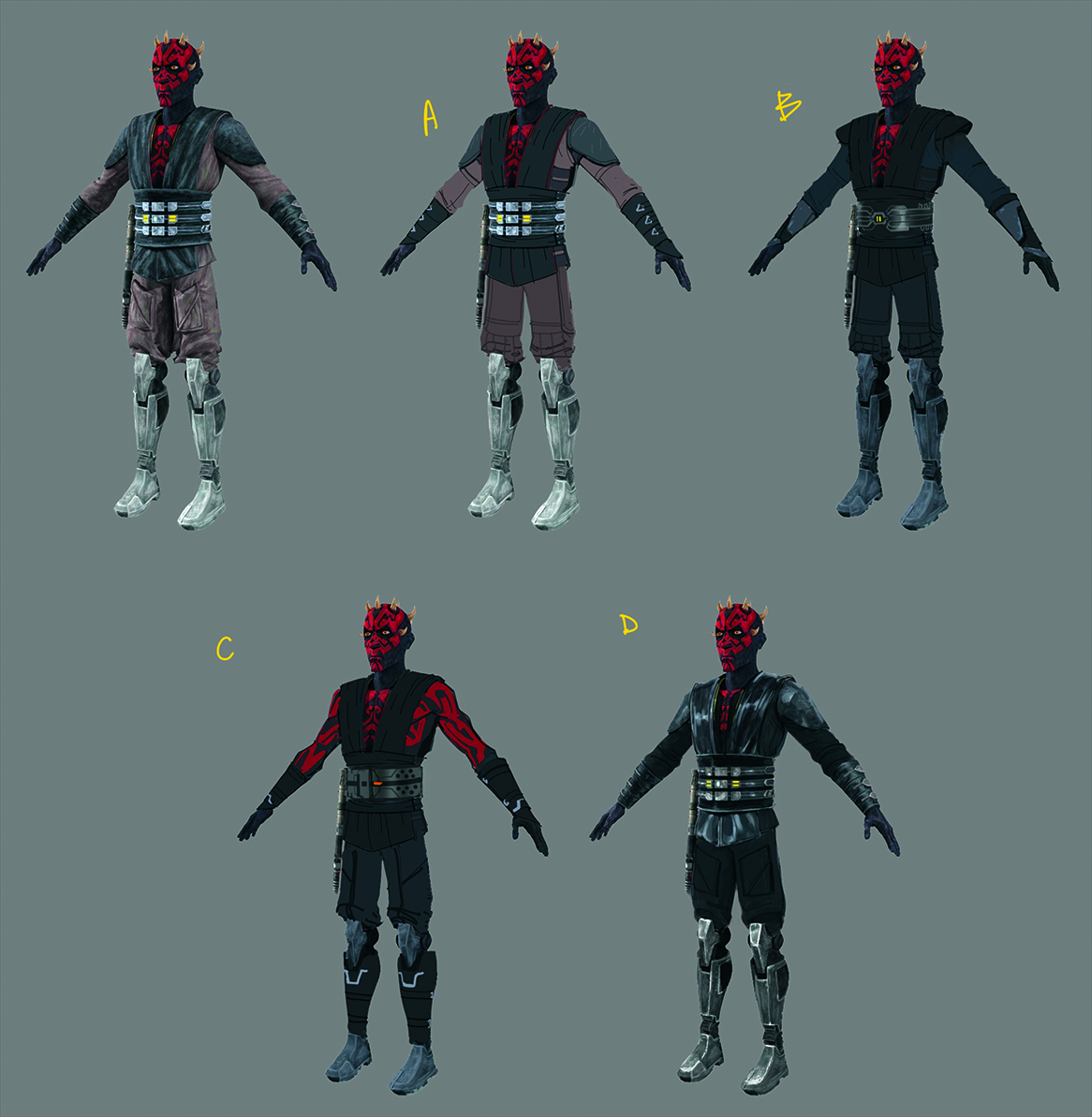
Darth Maul is one of Star Wars’ most enduring and visually striking villains. Iterating on such an iconic character for "Shadow Lord" presented a unique challenge: how to subtly evolve his appearance while retaining his instantly recognizable silhouette and menace. Chris Madden’s iterations, as highlighted by Kirk, achieved this delicate balance, maintaining Maul’s "iconic body shape whilst implementing subtle distinctions for the Shadow Lord story."
The core of Maul’s visual refinement lay in applying the series’ signature painterly aesthetic to his stark red and black design. Kirk explained, "A lot of it is about breaking up solid colours into complementary colours and having additional hues to make your eye realise that this is a painted surface. It’s not a solid colour." This technique prevents the flat, monolithic appearance often associated with CGI, instead imbuing Maul’s skin and outfit with a rich, textured depth. "We want to see that someone has painted that out of very similar hues and very similar values, but they’ve broken up that surface with paint."
This artistic choice extends to the most minute details. "With Maul, if we get in close, we don’t want to see the pores of the skin," Kirk stated emphatically. "We want to get closer to the painting… to see those brushstrokes. That is the surface of our world. It’s not reality." This commitment to a stylized surface over photorealism is a foundational principle of the series’ art direction.
Considerable effort was expended on Maul’s black outfit and his skin, ensuring that the introduction of complementary colors and hues did not inadvertently shift his appearance in neutral lighting. "For Maul, we favoured a cool look to offset the red and the black areas, rather than have him always be warm," Kirk elaborated. This decision was not arbitrary; it was a conscious choice to maintain a consistent visual presence, preventing him from appearing differently depending on the lighting environment, thereby simplifying the task for the lighting team and ensuring visual continuity.
Crucially, in terms of Maul’s fundamental anatomy and body topology, few radical changes were deemed necessary. "There weren’t too many changes because we were pretty happy with where he was in The Clone Wars season seven," Kirk confirmed. This decision reflects a deep respect for the character’s established visual history, ensuring that fans would recognize the Maul they know and love, even as he navigates new narrative terrain within a freshly rendered artistic style.
Implications: The Enduring Impact of Artistic Intent
The meticulous visual development process for "Star Wars: Maul – Shadow Lord," as detailed by Andre Kirk, underscores a profound commitment to artistic excellence and narrative immersion. The deliberate choice of a "painterly and stylised nature" is not merely an aesthetic preference; it is a foundational artistic statement that shapes every aspect of the series, from character design to environmental construction and lighting. This approach elevates the animation beyond mere storytelling, transforming it into a dynamic, moving work of art.
By prioritizing nuanced color breaking, oversized textures, and the illusion of brushstrokes over photorealistic rendering, Lucasfilm Animation creates a visual experience that is both unique and deeply connected to the artistic heritage of traditional animation and painting. This meticulous attention to detail, coupled with the rigorous development of character backstories and environmental logic, ensures that the world of "Shadow Lord" feels cohesive, authentic, and richly imagined.
The success of this approach in "Star Wars: Maul – Shadow Lord" has significant implications for the future of Star Wars animation and the broader industry. It demonstrates that embracing a distinct artistic vision, even within an established franchise, can lead to critically acclaimed and visually innovative results. This commitment to a carefully crafted aesthetic not only enriches the viewer’s experience but also sets a new benchmark for how beloved characters and worlds can be reinterpreted and expanded upon. The series stands as a testament to the power of artistic intent, proving that every stroke, every hue, and every conceived backstory contributes to a more profound and memorable narrative journey.
This article originally appeared in ImagineFX. Subscribe to ImagineFX to never miss an issue. Print and digital subscriptions are available.
Creative Bloq is now easier to access than ever before with our on-the-go app, which brings you all the content you know and love from our website, but in a super-streamlined design. Download the Creative Bloq app for iOS or Download the Creative Bloq app for Android.
 Lina Hope
  Layla Zulfa
  Lina Irawan