
 By Nana Muazin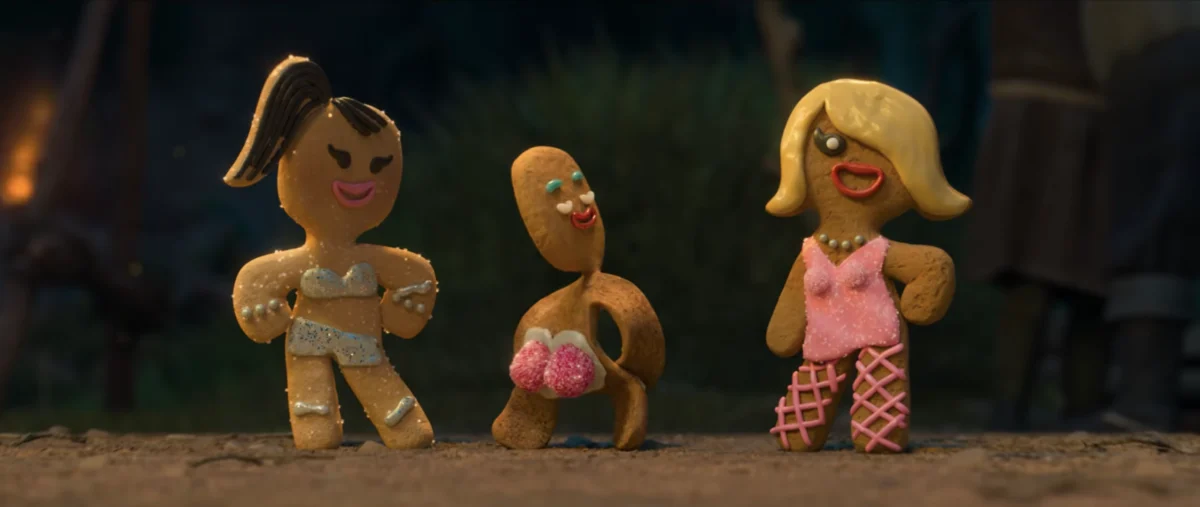
Hollywood, CA – The much-anticipated return to the whimsical, yet surprisingly grounded, world of Far Far Away is officially underway, with DreamWorks Animation dropping the first teaser trailer for Shrek 5. While the preview promises the familiar blend of irreverent humor, beloved characters, and adventurous spirit that has defined the franchise for over two decades, it has also sparked an intense debate among fans, centering on a significant departure in the film’s animation style. The shift from the original series’ distinctive "realism with a touch of fantasy" to a more overtly "cartoony" aesthetic has left a considerable portion of the fanbase feeling alienated, raising questions about artistic evolution versus the preservation of a cherished cinematic legacy.
The announcement of Shrek 5 itself has been met with widespread excitement. The franchise, which began in 2001, quickly ascended to cultural phenomenon status, redefining animated storytelling with its satirical take on classic fairy tales and its groundbreaking computer-generated imagery. After a considerable hiatus since 2010’s Shrek Forever After and subsequent spin-offs like the Puss in Boots series, the prospect of a new main installment featuring Shrek, Donkey, and Fiona has generated immense anticipation. However, the initial glimpse offered by the teaser trailer, while showcasing beloved characters and familiar comedic beats, has undeniably become a lightning rod for discussion, particularly concerning its visual presentation.
The Return of the Ogre: A Franchise Reawakens
The Shrek franchise holds a unique place in animation history. Its inaugural film, released by DreamWorks Animation in 2001, was a critical and commercial juggernaut, earning the first-ever Academy Award for Best Animated Feature. It successfully challenged Disney’s long-standing dominance in the fairy tale genre by subverting tropes, embracing anti-heroes, and injecting a dose of adult-oriented humor alongside its family-friendly narrative. The success continued with Shrek 2 (2004) and Shrek the Third (2007), which solidified the characters of Shrek, Donkey, Princess Fiona, Puss in Boots, and a host of other fairy tale creatures as pop culture icons. The series was lauded for its sharp writing, memorable soundtrack, and, crucially, its then-revolutionary CGI animation that offered a distinct alternative to traditional cel animation and the more stylized 3D animation emerging at the time.
The new teaser for Shrek 5 strategically opens with a nostalgic nod to the original film’s iconic storybook introduction, a move clearly designed to evoke sentimentality among long-time viewers. The trailer hints at a new adventure that sees Shrek and his family journeying to "Further Further Away," suggesting an expansion of their known world. Fans are treated to glimpses of classic Shrek humor, from the perpetually optimistic (and sometimes irritating) Donkey, to the mischievous Gingerbread Man, Gingy, whose "gumdrop booty cheeks" make a comical appearance. The dynamic between Shrek and Donkey, a cornerstone of the franchise’s appeal, appears to be as strong as ever, promising the familiar banter and camaraderie audiences have come to expect. There’s even a fleeting, albeit belated, "Frozen" reference, which, despite its timing, adds to the film’s irreverent spirit. On these narrative and comedic fronts, the teaser largely succeeds in assuring fans that the heart of Shrek remains intact.
A Closer Look at the Teaser: Narrative Glimpses and Humorous Beats
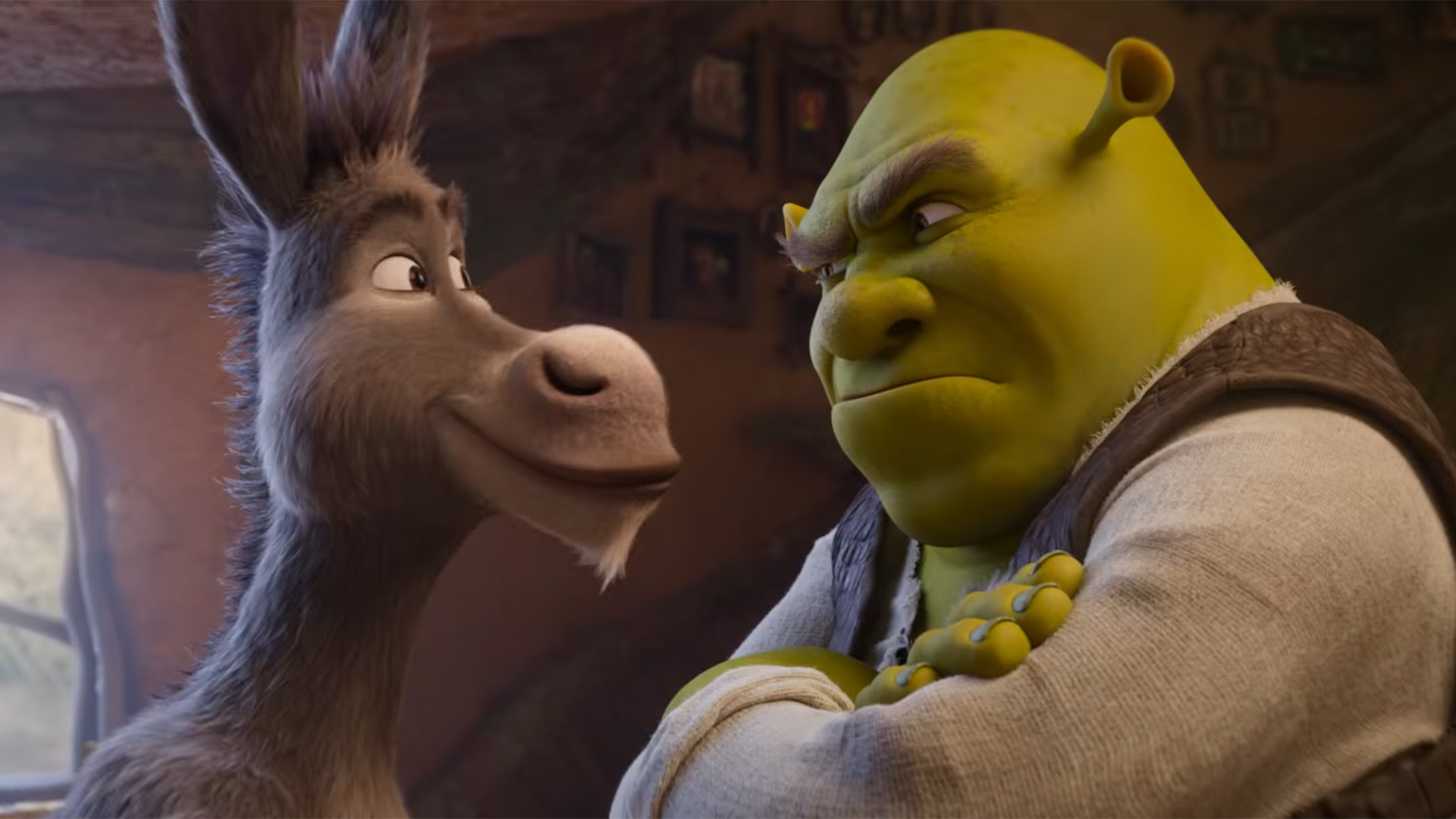
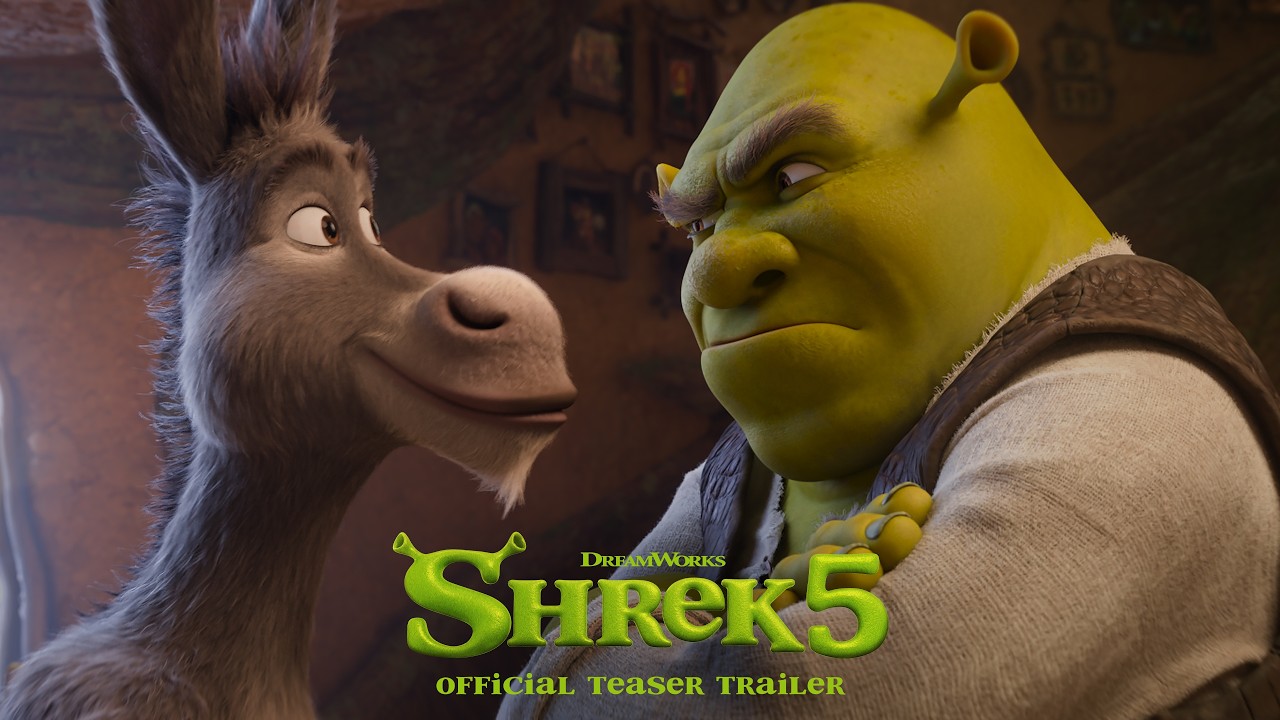
Beyond the overarching stylistic debate, the Shrek 5 teaser trailer offers intriguing narrative fragments and character interactions that hint at the film’s potential plot and comedic direction. The core dynamic between the curmudgeonly Shrek and the incessantly talkative Donkey appears to be rekindled with full force, a partnership that has consistently delivered some of the franchise’s most memorable moments. The brief shot of Shrek frowning at a smiling Donkey encapsulates their enduring odd-couple chemistry, promising a continuation of their beloved banter and unlikely friendship.
The inclusion of Gingy, complete with his signature "gumdrop booty cheeks," reassures audiences that the franchise’s unique brand of irreverent, slightly off-kilter humor will persist. Gingy has always been a fan favorite, embodying the series’ playful subversion of traditional fairy tale archetypes. His appearance, even in a fleeting moment, signals a commitment to maintaining the ensemble cast’s vibrant personalities and their contributions to the overall comedic tapestry.
The "Further Further Away" destination suggests a broader scope for Shrek’s next adventure, potentially introducing new fantastical landscapes and characters while expanding the lore of their world. This narrative choice could invigorate the series by moving beyond the familiar settings of Far Far Away and providing fresh challenges and opportunities for character development. The teaser manages to convey a sense of adventure and discovery, aligning with the traditional quest narratives that have underpinned previous Shrek films.
However, the inclusion of a "Frozen" reference, while serving as a contemporary pop culture nod, has drawn mixed reactions. Some view it as a harmless, albeit slightly dated, attempt at humor, while others perceive it as an anachronism that feels out of sync with the original films’ more timeless satirical edge. The Frozen phenomenon peaked a decade ago, leading some to question the relevance and freshness of such a reference in a Shrek film released in the mid-2020s. Despite this minor point of contention, the overall impression from the narrative snippets is that Shrek 5 aims to deliver a familiar, comforting, and humor-filled experience, designed to appeal to both returning fans and a new generation. The foundational elements of what made Shrek beloved seem to be firmly in place, leaving the animation style as the primary point of departure and discussion.
The Elephant in the Room: Decoding the New Animation Style
The most pronounced talking point emerging from the Shrek 5 teaser is undeniably the significant overhaul of its visual aesthetic. The original Shrek films, particularly the first two, were lauded for their pioneering CGI that struck a delicate balance between cartoonish exaggeration and a tangible sense of realism. Characters like Shrek, Fiona, and Donkey, while fantastical, possessed a textural depth, nuanced lighting, and intricate detailing that gave them a "grounded, lived-in" quality. Their environments, from the murky swamp to the opulent castles, felt robust and physically present. This style, often described as "realism with a touch of fantasy," was a deliberate counterpoint to the more overtly saccharine and stylized animation prevalent in other studios, particularly Disney, at the time. It fostered a satirical world that felt gritty yet magical, lending weight to its subversive narrative.
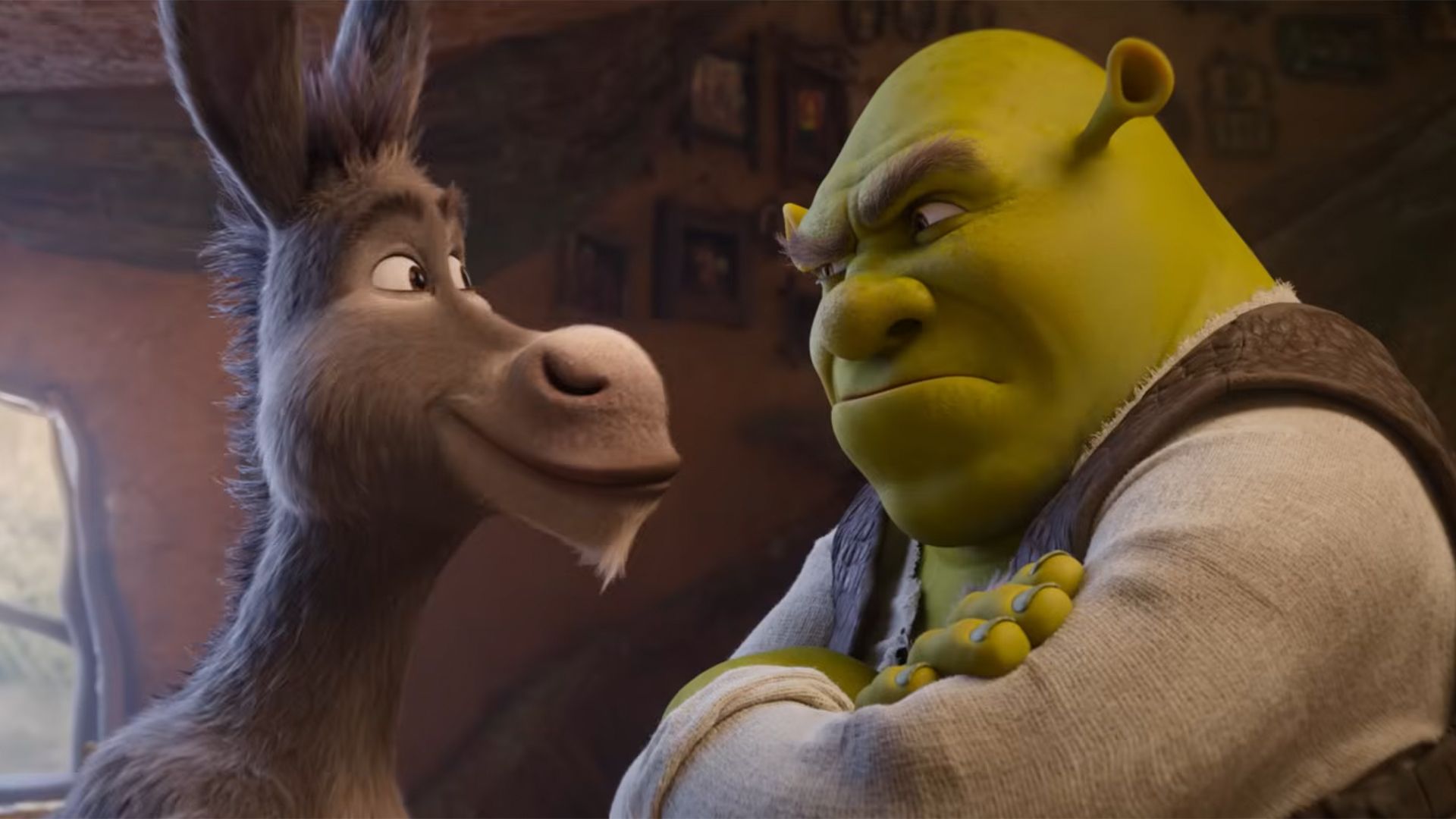
The new animation style, as showcased in the Shrek 5 teaser, represents a distinct shift towards a more stylized, "cartoony vibe." The characters feature "soft lines," "exaggerated expressions," and an overall "clean appeal." This aesthetic prioritizes simplified forms, vibrant colors, and more fluid, almost rubbery character movements. While modern and undeniably polished, it departs significantly from the original’s commitment to visual texture and subtle imperfections. The initial fan perception is that this new look leans heavily into a "childlike" sensibility, aligning more closely with contemporary animated features that often embrace highly stylized designs, sometimes to the point of abstracting physical reality.
This stylistic evolution raises fundamental questions about the visual identity of the Shrek universe. The original films’ aesthetic was integral to their charm, providing a visual contrast to their often-irreverent humor and adult themes. The juxtaposition of a relatively realistic world with fantastical creatures and modern sensibilities created a unique comedic tension. The "old realism animation style" offered a visual anchor that made the absurdity of the world even more potent. With the new, softer, and more exaggerated style, some argue that this crucial contrast is diminished, potentially flattening the unique charm that defined the franchise. The debate centers on whether this "stylistic switch-up" enhances the experience by modernizing it, or if it inadvertently strips away an essential component of Shrek‘s original magic.
Fan Reactions and the Weight of Nostalgia
The transformation in Shrek 5‘s animation has triggered a powerful wave of reactions across social media platforms, with many long-time fans expressing a profound sense of disappointment and even loss. The sentiment is heavily rooted in nostalgia for the original films’ distinctive aesthetic, which, for many, is inextricably linked to their childhood and the initial groundbreaking impact of the franchise.
One prominent sentiment, echoed by an X user quoted in the original report, states, "Shrek was built on realism with a touch of fantasy, which contrasted with Disney. It lended itself to the satirical fairytale world they built. Making Shrek bouncy and cartoony feels like the antithesis of what Shrek is." This perspective highlights a core belief among many fans: that the original animation style was not merely a visual choice but a foundational element of the franchise’s identity and satirical intent. The "realism" allowed the fantastical elements and the modern humor to land with greater impact, creating a unique comedic and narrative juxtaposition. The new "bouncy and cartoony" look, to these fans, feels like a betrayal of that original artistic vision, pushing Shrek closer to the very tropes it initially sought to subvert.
Another X user articulated a similar feeling, noting, "The new style feels polished, but it doesn’t have the same soul. The old Shrek had a grounded, lived-in look that made its fantasy world feel real." This comment speaks to the perceived loss of "soul" and "grounded" authenticity. The original films’ detailed textures, nuanced lighting, and slightly rougher edges contributed to a world that felt tangible and inhabited. This "lived-in look" allowed audiences to immerse themselves fully, accepting the fantastical elements because they were presented with a degree of visual credibility. The new "polished" aesthetic, while technically proficient, is seen by some as sacrificing that tangible quality for a more generic, contemporary animation style.
For many original viewers, who are now adults, the feeling is one of "losing an old friend." This emotional response transcends mere aesthetic preference; it taps into the personal connection forged with characters and worlds encountered during formative years. When a beloved franchise undergoes such a significant visual change, it can feel like a part of that cherished memory is being altered or erased. The debate, therefore, is not just about pixels and rendering, but about identity, legacy, and the emotional resonance of cinematic art.
While a vocal segment expresses dismay, it’s important to acknowledge that not all reactions are negative. Some viewers, particularly those less invested in the original’s precise aesthetic or younger audiences encountering Shrek for the first time, may find the new style appealing. They might view it as a necessary modernization, bringing the franchise in line with current animation trends and making it more accessible to a new generation. However, the intensity of the critical feedback underscores the profound impact the original animation had and the deep expectations fans hold for its continuation. The challenge for DreamWorks lies in navigating this complex landscape of nostalgia, evolving aesthetics, and diverse audience expectations.
DreamWorks’ Potential Rationale: Business, Aesthetics, and Evolution
In the absence of an official statement from DreamWorks Animation regarding the specific artistic choices behind the new animation style for Shrek 5, any discussion of their rationale remains speculative. However, by examining broader industry trends, the evolution of DreamWorks’ own animation pipeline, and the dynamics of modern franchise filmmaking, several plausible reasons emerge for this significant visual pivot.
One primary consideration is the target demographic shift. The original Shrek films resonated with a broad audience, but their primary viewership was children and families of the early 2000s. That generation has now grown up. To ensure the longevity and commercial viability of Shrek 5, DreamWorks likely aims to capture a new generation of younger viewers who are accustomed to different animation aesthetics. Current children’s animation often favors brighter colors, more stylized character designs, and exaggerated movements, which align more closely with the look seen in the new teaser. By adopting a "childlike" and "cartoony" style, DreamWorks might be deliberately positioning the film to appeal to today’s younger audiences, potentially at the risk of alienating some legacy fans.
Another significant factor is evolving industry trends and animation technology. While the original Shrek was groundbreaking for its realism, the animation landscape has diversified dramatically. Films like Sony Pictures Animation’s Spider-Man: Into the Spider-Verse and its sequel, or even DreamWorks’ own Puss in Boots: The Last Wish and The Bad Guys, have garnered immense critical acclaim and commercial success by embracing highly stylized, non-photorealistic animation techniques. These films have demonstrated that audiences are increasingly receptive to diverse visual styles that prioritize artistic expression and dynamic storytelling over strict realism. This trend might have encouraged DreamWorks to explore a more distinctive visual language for Shrek 5, moving away from the more uniform, photorealistic CGI that dominated the 2000s.
Creative vision also plays a crucial role. Filmmakers and animation directors often seek to put their unique stamp on a franchise, and a stylistic refresh can be a powerful way to achieve this. A new creative team might genuinely believe that a more stylized approach allows for greater comedic expressiveness, more dynamic action sequences, or simply a fresh interpretation of the characters that aligns with their artistic sensibilities. This could be a conscious decision to differentiate Shrek 5 from its predecessors, giving it a distinct identity within the franchise’s canon rather than simply replicating an old formula.
Finally, cost and production efficiency cannot be overlooked in large-scale animated features. While highly stylized animation doesn’t inherently mean cheaper production, certain approaches can streamline workflows. For instance, less emphasis on hyper-realistic texture rendering or complex physics simulations for clothing and hair can sometimes reduce computational demands and rendering times. If the new style allows for faster iteration, more flexible character rigging, or a more efficient production pipeline, it could be a pragmatic choice in a competitive industry where deadlines and budgets are paramount.
Ultimately, DreamWorks’ decision likely stems from a multifaceted strategy, balancing the desire to honor the franchise’s legacy with the need to remain relevant, creatively vibrant, and commercially successful in a rapidly evolving animation market. The challenge now is to convince both nostalgic fans and new audiences that this visual evolution serves the story and characters in a meaningful way.
The Broader Landscape: Animation’s Evolving Aesthetics
The debate surrounding Shrek 5‘s animation style is not an isolated incident but rather a microcosm of a larger, ongoing dialogue within the animation industry and among its global audience about evolving aesthetics. For decades, the pursuit of photorealistic CGI was considered the pinnacle of achievement in computer animation, a benchmark set by pioneers like Pixar and DreamWorks themselves. The original Shrek films, with their nuanced textures and attempts at physical believability, were at the forefront of this movement.
However, the landscape has shifted dramatically. The industry has witnessed a powerful resurgence of stylized animation, demonstrating that realism is just one facet of the vast potential of CGI. Films like Spider-Man: Into the Spider-Verse (2018) and Puss in Boots: The Last Wish (2022), both critically acclaimed for their innovative visual styles, have proven that audiences are eager for diverse and artistically distinct looks. These films blend traditional animation techniques with CGI, creating a unique visual language that often feels more dynamic and expressive than purely photorealistic rendering. This trend is not limited to feature films; television series and video games also explore a wide array of non-photorealistic styles, pushing the boundaries of what animated visuals can achieve.
The move towards a more "cartoony" aesthetic in Shrek 5 could be seen as DreamWorks aligning itself with this broader industry movement. After years of producing films that often shared a relatively consistent, polished CGI look, the studio, much like its competitors, appears to be embracing more varied and distinctive art directions. This strategy can help individual films stand out in a crowded market and offer fresh creative challenges for animators and directors.
However, this evolution comes with inherent risks, particularly for established franchises. When a beloved series alters a fundamental aspect like its visual identity, it inevitably clashes with the nostalgic expectations of its long-standing fanbase. Other franchises have faced similar challenges. While the Toy Story series, for instance, has seen subtle graphical improvements over its decades-long run, its core aesthetic has remained consistent. In contrast, franchises like Teenage Mutant Ninja Turtles have undergone numerous stylistic reboots across different animated iterations, each time prompting debates among fans about which version best captures the spirit of the characters.
The digital age, with its ubiquitous social media platforms, amplifies these debates exponentially. Fans now have immediate avenues to express their opinions, creating real-time feedback loops that can influence public perception even before a film’s release. This puts immense pressure on studios to carefully manage expectations and communicate their creative vision effectively. The Shrek 5 animation controversy highlights the delicate balance creators must strike between honoring a franchise’s foundational elements and embracing artistic evolution to remain relevant and creatively vibrant for future generations. It underscores that for many, animation style is not merely a superficial detail but an integral component of a film’s narrative, tone, and emotional impact.
Looking Ahead: The Future of Far Far Away
The unveiling of the Shrek 5 teaser trailer, and the subsequent animation debate, sets a fascinating stage for the film’s eventual release. The central question remains: will the narrative strength, comedic prowess, and beloved characters ultimately outweigh the visual stylistic concerns for a significant portion of the audience? For many, the true measure of a Shrek film has always been its wit, its heart, and its ability to subvert expectations, rather than just its graphical fidelity. If Shrek 5 delivers on these fronts, even the most ardent critics of the new animation might find themselves won over.
The challenge for DreamWorks is multifaceted. They must simultaneously appease the passionate legacy fanbase, many of whom feel a deep, nostalgic connection to the original aesthetic, while also attracting a new generation of viewers who may be more receptive to the updated, stylized look. This balancing act is crucial for the long-term health of the franchise. Alienating the core audience risks diminishing the very foundation that has sustained Shrek for over two decades, while failing to appeal to new viewers limits its future potential.
It is also possible that, like many stylistic shifts in long-running series, the new animation style for Shrek 5 will grow on audiences. Initial shock and resistance often give way to acceptance, or even appreciation, once the full context of the film is revealed. The animation might serve the story in ways that are not immediately apparent in a short teaser, enhancing character expressions or facilitating more dynamic action sequences that were previously constrained by a more "realistic" approach.
Ultimately, the success of Shrek 5 will be judged not just on its animation, but on the entirety of its cinematic experience. Will the story be compelling? Will the jokes land? Will the characters evolve in meaningful ways? The ongoing dialogue between creators and audiences in the digital age ensures that these questions will be fiercely debated up until the film’s release and beyond. The future of Far Far Away hinges on DreamWorks’ ability to prove that this new visual direction is not a deviation, but a thoughtful evolution that enriches, rather than detracts from, the beloved ogre’s enduring legacy.
Conclusion
The release of the Shrek 5 teaser trailer has ignited a passionate discussion, revealing the profound connection audiences have with the aesthetic identity of their favorite franchises. While the prospect of a new adventure with Shrek, Donkey, and Fiona has generated considerable excitement, the significant shift in animation style has emerged as a central point of contention. The departure from the original films’ "realism with a touch of fantasy" towards a more "cartoony" and stylized look has divided fans, with many expressing nostalgia for the past and concern for the franchise’s evolving visual "soul."
This debate underscores the delicate balance studios must strike between honoring a beloved legacy and embracing artistic and technological evolution. DreamWorks’ potential rationale for this change likely encompasses a desire to appeal to contemporary younger audiences, align with current industry trends towards diverse animation styles, and implement a fresh creative vision for the series. However, the emotional investment of long-time fans in the original aesthetic highlights the challenges inherent in reimagining iconic visual identities.
As Shrek 5 moves towards its release, the ultimate success will depend on its ability to weave a compelling narrative, deliver on its signature humor, and resonate with audiences both old and new. While the animation style remains a significant talking point, the enduring charm and timeless appeal of the characters and their world may yet transcend these visual differences. The journey back to Far Far Away is set to be as eventful off-screen as it promises to be on-screen, as fans eagerly await to see if this new chapter can recapture the magic that made Shrek a cinematic icon.
 Lina Hope
  Layla Zulfa
  Lina Irawan