
 By Ammar Sabilarrohman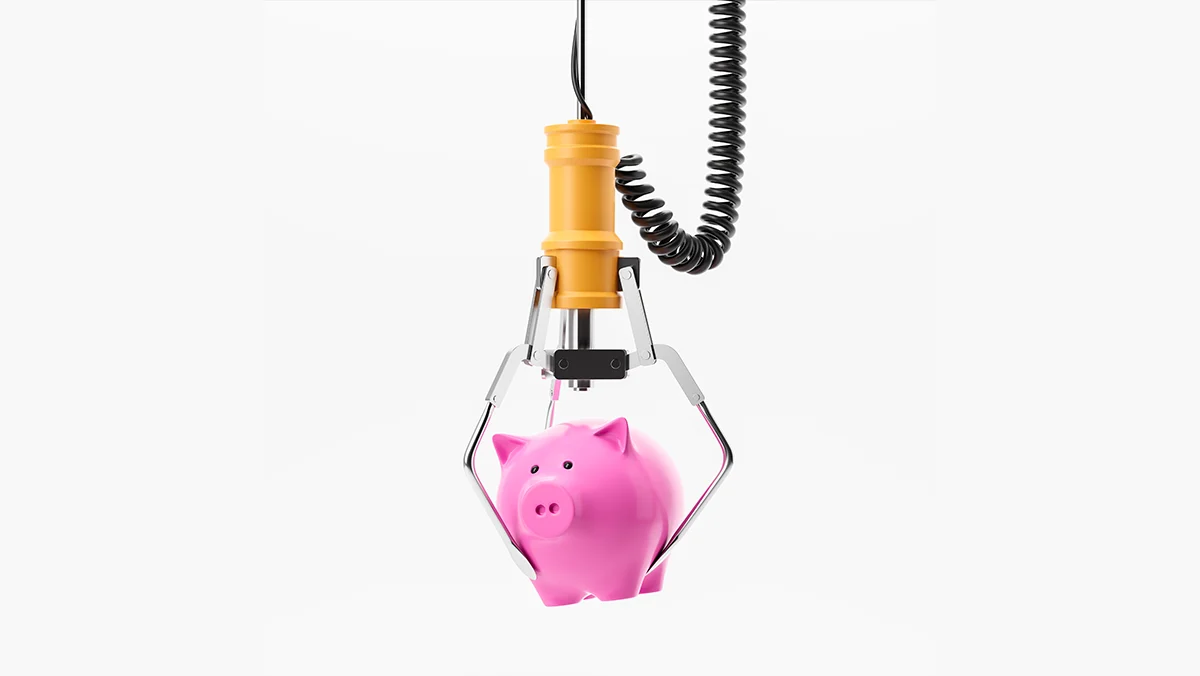
In the modern consumer landscape, the pursuit of a "frictionless experience"—the holy grail of e-commerce and retail design for the last decade—is facing a curious, paradoxical challenger. From the hyper-luxury window-shopping of reality television to the calculated scarcity of viral skincare drops, a new emotional strategy is emerging. It is a phenomenon that embraces the agony of the chase, the sting of the "Sold Out" banner, and the strange, communal pleasure of failing to acquire the object of one’s desire.
Welcome to the era of "Frust-Lust"—the deliberate design of curated, socially acceptable frustration.
The Anatomy of a Modern Craving
The premise is simple: human beings have a penchant for "benign masochism." Psychologists have long noted that we derive pleasure from negative stimuli—fear, frustration, or physical discomfort—provided we are fundamentally safe. It is why we watch horror movies, eat dangerously spicy food, or binge-watch Selling Sunset. We know the $17-million mansion is an unattainable fantasy, and we know the high-stakes drama of the real estate agents is performative. Yet, we watch. We engage. We nurture the frustration because it provides a safe, controlled environment to process desire.
Brands have recently realized that this "frustration ritual" is a potent tool for brand building. By moving away from the promise of immediate satisfaction, marketers are transforming the act of purchasing from a transactional necessity into a high-stakes, shared experience.
Chronology: From Scarcity to Strategy
The shift toward "designed friction" did not happen overnight. Its evolution can be traced through several key cultural and commercial milestones:
- 2018–2021: The Rise of the Drop Culture. Streetwear brands like Supreme and luxury houses pioneered the "drop" model, training consumers to associate specific launch windows with anxiety and excitement.
- 2023: The Rhode Phenomenon. Hailey Bieber’s skincare brand, Rhode, took the "drop" model to the masses. With waitlists exceeding 100,000 people and sales reaching 36 units per second during restocks, the brand turned the act of "failing to buy" into a viral badge of honor.
- September 2025: The Claw Machine Pivot. Uncommon Creative Studio installed an Hermès Birkin bag—a symbol of the ultimate, unattainable trophy—inside a claw machine on West Broadway. The game was physically rigged to be unwinnable. Yet, the social media fallout and the hundreds of people who queued to lose their coins confirmed a shift: the public was no longer chasing the bag; they were chasing the experience of the chase itself.
- Q4 2025: The Institutionalization of Frust-Lust. Major retail entities began exploring "gamified scarcity," moving beyond luxury goods into everyday categories like supermarkets and cleaning supplies, aiming to turn "dead time" shopping into a narrative event.
The Supporting Data: Why We Love to Lose
Data suggests that the "thrill of the hunt" activates dopamine receptors more effectively than the satisfaction of the actual acquisition. Research into consumer behavior indicates that when a consumer is forced to jump through hoops—signing up for emails, setting alarms, navigating website crashes—the perceived value of the product increases.
According to various retail analytics, "sold-out" products often generate more social media engagement than readily available ones. This "earned" consumption creates a sense of community. When a consumer finally secures the product, the victory is sweeter because it was contested. If they fail, they are part of a cohort of others who shared the same "digital wound," creating a sense of camaraderie in the group chat or on TikTok.
Official Perspectives: The Philosophy of Friction
Industry experts view this as a radical departure from the "frictionless" era. As one creative director noted, "We spent ten years trying to make the checkout button as invisible as possible. Now, we are realizing that if the journey is invisible, the brand is invisible, too."
The shift is effectively "Emotional User Experience (UX) Design." By re-introducing friction, brands are forcing consumers to slow down and invest mental energy into the transaction. It is no longer about the product; it is about the story of how you got it—or how you almost did.
Implications: Exporting Masochism to "Unsexy" Categories
The most provocative aspect of this trend is its potential expansion into categories historically defined by utility rather than emotion: supermarkets, home care, and sustainability.
The Supermarket as a Stage
Imagine a grocery store that moves away from static shelves. Instead, retailers could implement "phantom drops"—limited-edition yogurt flavors or mystery items hidden in the aisles, available for only an hour. This turns the mundane chore of grocery shopping into a treasure hunt, transforming a weekly errand into a low-stakes quest that invites participation rather than passive consumption.
Home Care and the "Impossible" Challenge
In the world of cleaning products, brands have traditionally promised "no effort." However, this fails to resonate with the reality of domestic life. A new strategy involves "stylized struggle." By leaning into the difficulty of removing a stain, brands can create content where the product is a "companion in the struggle" rather than a magic wand. By documenting the effort and the potential for failure, brands validate the consumer’s frustration, making the eventual success feel earned and authentic.
Sustainable Choices as a "Climate Quest"
"Worthy but boring" categories, such as eco-labels and organic food, often struggle with engagement. They feel like homework. By gamifying the "difficulty" of living sustainably—tracking streaks, celebrating the inconvenience of choosing the harder, more expensive option, and creating a community dashboard—brands can turn eco-anxiety into a shared, gamified journey. The frustration of paying more or driving further is no longer a burden; it is a ritualized badge of honor.
The Future of Brand-Consumer Relations
The move toward Frust-Lust suggests a fundamental shift in how we define value. We are entering a period where the "emotional operating system" of a brand is just as important as its functional output.
Brands that successfully implement this strategy are essentially choreographing a recurring cycle: wanting, failing, retrying, and storytelling. They are not merely selling goods; they are directing the narratives of our "ordinary Tuesdays."
As we look toward the future, the question for brands is no longer "How do we make this easier for the consumer?" but rather, "Where can we inject a bit of chosen, meaningful frustration to make this experience feel more alive?" By doing so, they transform the user experience from a passive transaction into a living, breathing, and occasionally agonizing, relationship.
The era of the "frictionless journey" is not dead, but it is no longer the only way to win. Sometimes, to truly capture the heart of the consumer, you have to make them work for it—and let them enjoy the frustration along the way.
 Evan Lee Salim
  Nana Wu
  Nila Kartika Wati