
 By Layla Zulfa
In a development that has sent shockwaves through the national security establishment, the Cybersecurity and Infrastructure Security Agency (CISA)—the federal body tasked with fortifying the nation’s digital defenses—is currently reeling from a major security breach. A CISA contractor with administrative privileges intentionally published highly sensitive credentials, including AWS GovCloud keys and internal system secrets, to a public repository on the software development platform GitHub.
The incident, which was first brought to light by security researcher Brian Krebs, has sparked a fierce bipartisan outcry in Congress. Lawmakers are now demanding an accounting of how such a catastrophic failure of operational security could occur at the very agency responsible for setting the cybersecurity gold standard for the federal government.
The Anatomy of the Breach: A "Private" Repository Made Public
The breach centers on a public GitHub profile titled "Private-CISA." Investigations into the repository revealed that a contractor, who possessed broad administrative access to CISA’s code development environment, had uploaded plaintext credentials to dozens of internal agency systems.
Security experts who analyzed the now-defunct repository noted that the contractor actively circumvented GitHub’s built-in security features. Specifically, commit logs indicate that the user manually disabled protection mechanisms designed to prevent the accidental publishing of sensitive keys and tokens.
The repository appears to have functioned as a digital "scratchpad"—a convenient, albeit grossly negligent, mechanism for the contractor to synchronize work files between professional and personal machines. This behavior suggests a fundamental breakdown in the "security culture" that CISA is supposed to exemplify. While the archive was originally established in November 2025, security researchers have identified that the most sensitive data—including critical infrastructure access tokens—was pushed to the repository as recently as late April 2026.
Chronology of a Digital Catastrophe
- November 2025: The "Private-CISA" GitHub repository is created by a contractor, beginning a months-long period of data exposure.
- Late April 2026: The repository is updated with the most critical and sensitive credentials, including AWS GovCloud access keys and system configurations.
- May 18, 2026: KrebsOnSecurity breaks the story after receiving reports of the exposure. CISA begins the frantic process of assessing the damage.
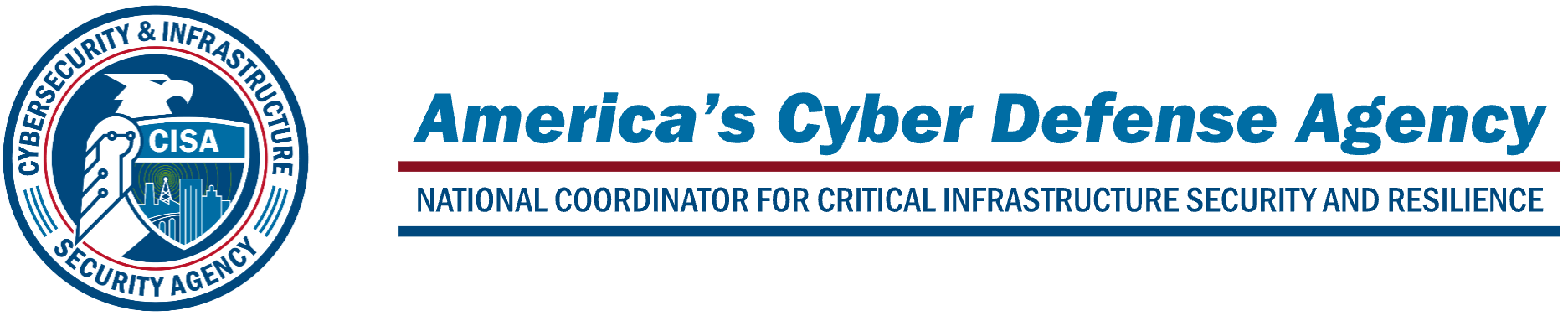
- May 19, 2026: Senator Maggie Hassan (D-NH) and Representative Bennie Thompson (D-MS) issue formal letters to CISA’s Acting Director, Nick Andersen, demanding answers regarding the scope of the breach and the agency’s internal security posture.
- May 20, 2026: Dylan Ayrey, creator of the open-source security tool TruffleHog, reveals that a high-level RSA private key remained valid and active long after the initial discovery. This key provided virtually unrestricted access to CISA’s enterprise GitHub organization.
- Late May 2026: CISA continues the arduous task of rotating compromised credentials, though experts warn that the window of opportunity for foreign adversaries to exploit the data may have already closed.
The "TruffleHog" Revelation: A Path to Total System Compromise
The severity of the leak cannot be overstated. According to Dylan Ayrey, the presence of a specific RSA private key in the repository created an "all-access pass" for any malicious actor who happened to be monitoring public GitHub events.
"An attacker with this key could read source code from every repository in the CISA-IT organization, including private repos," Ayrey explained. Beyond mere data exfiltration, the key allowed for the registration of rogue "self-hosted runners"—a technique that would enable an adversary to hijack Continuous Integration/Continuous Delivery (CI/CD) pipelines. By manipulating these pipelines, an attacker could inject malicious code directly into the agency’s software supply chain, potentially compromising the very tools used to defend U.S. infrastructure.
While CISA claims that the RSA key was eventually invalidated following notification from the security community, Ayrey remains critical of the agency’s response speed. He notes that several other critical credentials tied to agency-wide technology remain active or are being rotated at an unacceptably slow pace.
Official Responses and Congressional Outrage
The political fallout has been swift. Senator Maggie Hassan’s letter to Acting Director Nick Andersen is a scathing indictment of the agency’s current state. "This reporting raises serious concerns regarding CISA’s internal policies and procedures at a time of significant cybersecurity threats against U.S. critical infrastructure," she wrote.
The concern is amplified by the current climate within the agency. CISA has recently undergone significant organizational upheaval, losing over one-third of its workforce and almost its entire senior leadership team due to administrative restructuring and forced early retirements. Observers suggest that this "brain drain" has left the agency vulnerable, with a diminished institutional memory and a frayed security culture.
Representative Bennie Thompson, joined by Representative Delia Ramirez, echoed these sentiments in a joint letter, noting that the breach provided a literal "roadmap" for adversaries. "It’s no secret that our adversaries—like China, Russia, and Iran—seek to gain access to and persistence on federal networks," the letter stated. "The files contained in the ‘Private-CISA’ repository provided the information, access, and roadmap to do just that."
In response, CISA has maintained a stoic, if somewhat vague, defensive posture. In a written statement, the agency declared, "there is no indication that any sensitive data was compromised as a result of the incident," a claim that many cybersecurity analysts find difficult to verify given the nature of the exposure. In subsequent communications regarding the findings of researchers like Ayrey, the agency stated it is "actively responding and coordinating with the appropriate parties and vendors to ensure any identified leaked credentials are rotated and rendered invalid."
Implications: A Human Problem, Not Just a Technical One
The CISA incident highlights a sobering reality: the most sophisticated technical defenses are rendered useless by simple human error. James Wilson and Adam Boileau, hosts of the Risky Business security podcast, argue that while technical controls can be tightened, they cannot fully account for the "human element."
"This is a human problem where you’ve hired a contractor to do this work and they have decided of their own volition to use GitHub to synchronize content from a work machine to a home machine," Boileau noted. The incident underscores a critical gap in modern security policy: how to manage the boundary between authorized corporate environments and the personal, unmanaged environments where contractors often feel more comfortable working.
The "firehose" of data that GitHub provides—a live feed of every public commit—is a goldmine for cybercriminals. Automated tools, such as TruffleHog, monitor this data stream in real-time. If security researchers can find these keys in seconds, it is almost certain that state-sponsored intelligence services, who possess far more sophisticated monitoring capabilities, have already cataloged the contents of the "Private-CISA" repository.
Conclusion: The Long Road to Remediation
As Congress prepares to hold hearings on the matter, the focus will undoubtedly shift to accountability and systemic reform. CISA is now tasked with not only fixing the immediate security holes caused by the leak but also addressing the deeper, structural issues that allowed a contractor to bypass security protocols without immediate detection.
For the cybersecurity community, the lesson is clear: the public cloud and open-source platforms like GitHub are double-edged swords. They enable collaboration and speed, but they also demand a level of vigilance that, in this instance, CISA failed to maintain. The agency now faces the unenviable task of proving that it can secure its own house while simultaneously calling on the private sector to improve theirs. Until the full audit of the leaked credentials is complete, the extent of the "Private-CISA" exposure—and the potential long-term persistence of adversaries within federal networks—remains an open, and deeply concerning, question.
 Sagoh
Sagoh  Evan Lee Salim
  Ammar Sabilarrohman