
 By Asep Darmawan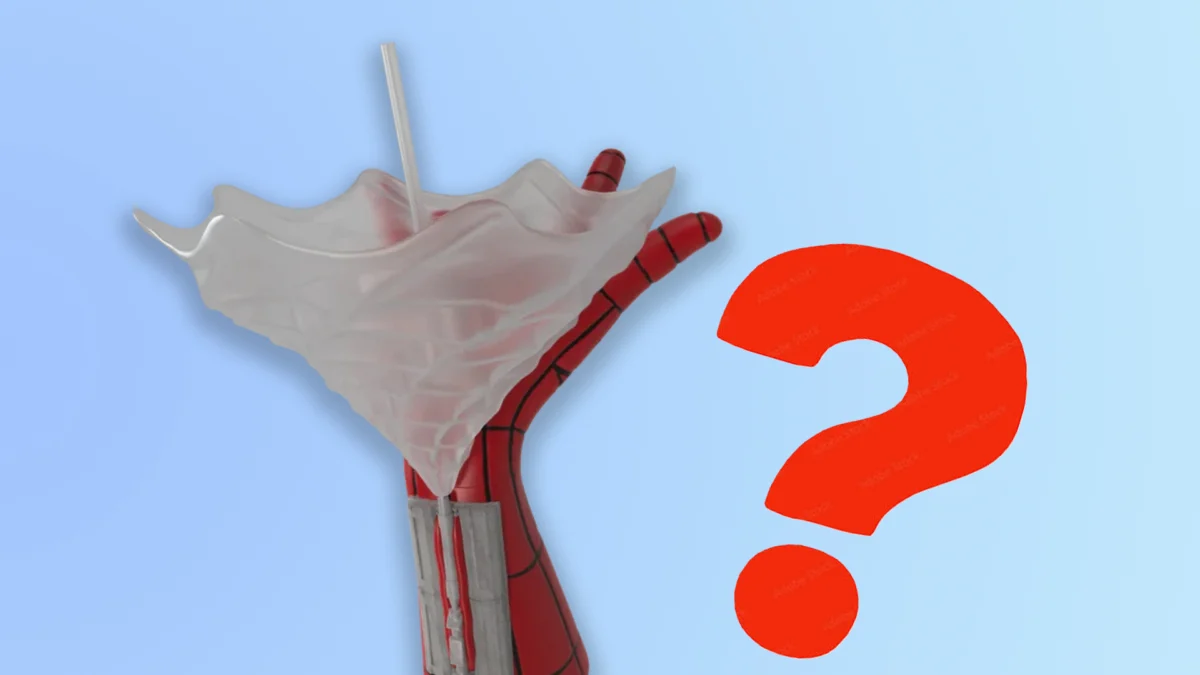
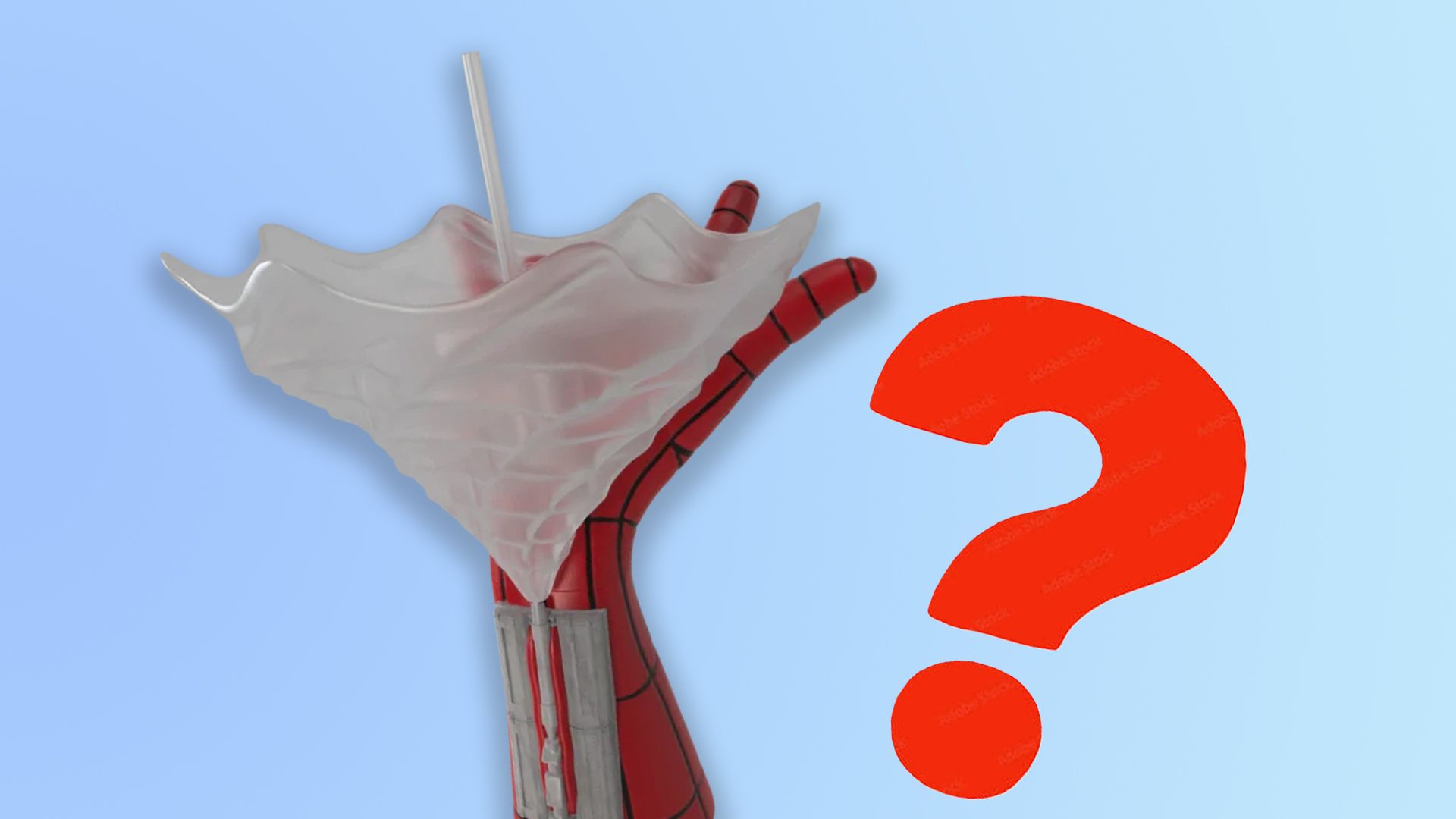
New York, NY – June 21, 2026 – In an era where movie theater concessions have transcended mere sustenance to become coveted collector’s items, Cinemark has once again seized the internet’s attention, this time with a promotional item for the upcoming film Spider-Man: Brand New Day. The latest addition to the pantheon of peculiar movie merchandise is a popcorn bucket designed to replicate Spider-Man’s iconic web-shooter, a concept that has inadvertently spawned a viral sensation due to its decidedly suggestive appearance.
The item, which features a stylized hand seemingly firing a "web blast" of a nondescript milky substance, has ignited a firestorm of online commentary, memes, and widespread incredulity. While intended to celebrate the superhero’s signature move, the execution has led countless observers to question the design’s intent, leading to a global debate: was this a deliberate marketing ploy to generate buzz, or an astonishing oversight by Cinemark’s design team?
This incident is not an isolated one. It follows a growing trend of increasingly bizarre and often controversial movie-themed popcorn buckets, cementing their status as a unique cultural phenomenon. From the widely mocked "sandworm" bucket for Dune: Part Two to other similarly questionable designs, these collectibles have become as anticipated as the films themselves, albeit often for entirely different reasons. Cinemark’s latest offering, however, appears to have swung straight into a new dimension of viral notoriety, proving that with great power—and great popcorn—comes great, and often awkward, responsibility.
Main Facts of the Viral Phenomenon
The heart of the controversy lies in the visual representation chosen for Spider-Man’s web-shooting ability. The Cinemark popcorn bucket is sculpted in the shape of a human hand, presumably Spider-Man’s, posed in the classic web-slinging gesture. Emanating from the wrist area, where the web-fluid would typically shoot, is a white, splash-like protrusion. This "web blast" is where the design’s perceived issues begin. Rather than a thin, precise stream or a traditional web pattern, the substance appears amorphous and, to many, disturbingly anatomical in its suggestion. The bucket is designed for consumers to drink directly from this "web blast," further amplifying the awkward implications.
Upon its reveal, primarily through leaked images and early promotional materials shared on social media, the internet quickly latched onto the design’s unintended implications. Users across platforms like X (formerly Twitter), Reddit, and TikTok immediately began pointing out the sexually suggestive nature of the "web" stream. Memes, jokes, and highly critical comments flooded timelines, transforming what was likely intended as a simple, novel collectible into a global talking point about design oversight and marketing intentionality.
The product’s virality has been explosive, with screenshots and videos of the bucket circulating widely. The conversation around it has overshadowed much of the pre-release buzz for Spider-Man: Brand New Day, demonstrating the immense power of internet culture to amplify certain aspects of product launches, sometimes to the detriment—or unexpected benefit—of the brand. The prevailing sentiment online oscillates between genuine amusement, feigned outrage, and a conspiratorial belief that the design team knew precisely what they were doing. Regardless of intent, the Cinemark Spider-Man popcorn bucket has firmly secured its place in the annals of bizarre movie merchandise, sparking a debate that extends beyond mere aesthetics to touch upon marketing ethics, public perception, and the evolving landscape of fan engagement.
Chronology of the Controversy
The journey of the Cinemark Spider-Man popcorn bucket from a theater lobby display to a global internet sensation unfolded rapidly, adhering to the typical lifecycle of viral content in the digital age.
Initial Leak and Public Revelation
While official release dates for promotional items can sometimes be staggered, the Spider-Man: Brand New Day popcorn bucket first surfaced in late May and early June through a combination of official Cinemark announcements and unofficial leaks. Images of the bucket began appearing on social media platforms, presumably shared by cinema employees, early attendees of promotional screenings, or even dedicated merchandise collectors who track such releases. The initial images provided a clear, if somewhat unflattering, look at the controversial design, showcasing the distinctive "web blast" feature. It was these early glimpses that first sparked hushed whispers and then outright exclamations of disbelief among online communities.
Rapid Online Spread and Amplification
Once these images hit the internet, their spread was almost instantaneous. Platforms like X (formerly Twitter) proved to be fertile ground for the controversy. A particular tweet, widely shared, highlighted the bucket with the caption, "Cinemark’s new Spider-Man popcorn bucket is going viral for all the wrong reasons. Fans say the web-shooter design looks more suggestive than intended, with buyers meant to drink directly from the bucket’s web blast." This post, dated June 21, 2026, quickly garnered hundreds of thousands of views, retweets, and comments, acting as a primary catalyst for the widespread discussion. Reddit forums dedicated to movies, design, and even general humor also picked up the story, with threads accumulating thousands of upvotes and comments within hours. TikTok, with its visual-first approach, saw creators making reaction videos, comedic sketches, and "unboxing" parodies, further embedding the bucket into the cultural zeitgeist.
Early Reactions and Emergence of Memes
The immediate reaction was a mix of shock, amusement, and a collective sense of "what were they thinking?" Many users focused on the phallic implications of the "web blast," with jokes ranging from explicit to subtly suggestive. Phrases like "Spidey’s got some new powers" or "Is this for Spider-Man: No Way Home… Alone?" quickly became common. The instruction to "drink directly from the web blast" was a particular point of humor and discomfort, prompting numerous memes depicting awkward cinema experiences.
One X user, @PixelPundit, quipped, "Design team definitely didn’t see that coming. With great power comes great… awkward merch." Another, @CinematicCynic, offered a more conspiratorial view: "The designer knew. The manager knew. We all know." This sentiment, that the suggestive design was either a deliberate provocation or an obvious oversight that should have been caught, was echoed by many. User @MovieBuffMark sarcastically noted, "Anyone who actually lines up to buy this deserves the judgment they are going to get in the theater lobby," highlighting the social awkwardness associated with owning such an item. The visual absurdity of the bucket quickly made it a prime candidate for internet memes, featuring edits, photoshops, and side-by-side comparisons that only amplified its "lewd look."
Comparison to Previous Incidents
The Cinemark Spider-Man bucket did not emerge in a vacuum. Its virality is part of a larger, evolving trend of controversial movie merchandise. The Dune: Part Two "sandworm" popcorn bucket, released earlier, featured a design that allowed users to reach into the creature’s mouth for popcorn, drawing widespread comparisons to explicit acts. Similarly, promotional items for Wicked and even a controversial "snack container" associated with Eminem’s ventures had previously sparked online debate due to unfortunate visual cues or suggestive typography. Each incident seems to build on the last, creating an "arms race" of novelty merchandise that pushes boundaries, sometimes unintentionally, and often with viral results. This pattern suggests that either designers are becoming increasingly daring, or the collective internet consciousness is becoming more attuned to spotting and amplifying these perceived blunders.
Supporting Data and Analysis
The rapid virality and intense discussion surrounding the Cinemark Spider-Man popcorn bucket offer a fascinating case study into modern marketing, consumer psychology, and the pervasive influence of social media.
The Psychology of Viral Marketing
In an increasingly saturated media landscape, attention is the most valuable commodity. Controversial designs, whether accidental or intentional, are potent generators of this attention. Market research consistently shows that content evoking strong emotions—humor, shock, embarrassment, or even mild disgust—is more likely to be shared. The Spider-Man bucket taps into several of these emotions simultaneously. Its absurdity elicits laughter, its suggestive nature provokes shock and discomfort, and the sheer audacity of its design fosters a sense of disbelief. This emotional cocktail makes it highly "shareable," providing Cinemark and Spider-Man: Brand New Day with an immense amount of free, albeit unconventional, publicity. Industry observers note that the cost of generating equivalent traditional media buzz would be astronomical, making the "viral gaffe" a surprisingly effective, if risky, marketing tool.
The Role of Social Media in Amplification
Social media platforms are the engine of modern virality. The algorithmic structures of X, TikTok, and Instagram are designed to prioritize engaging content, and few things are as engaging as a collective cultural moment of shared bemusement or outrage. A single tweet or post can quickly snowball into a global conversation as users retweet, comment, and create their own content in response. The visual nature of the popcorn bucket lends itself perfectly to this environment, as images and short videos are easily consumed and shared. Hashtags quickly coalesce, creating a searchable and trackable narrative that allows the controversy to persist and evolve, drawing in new participants and reinforcing its status as a trending topic. Data from social media analytics firms would likely show spikes in mentions for "Cinemark," "Spider-Man," and related keywords, demonstrating the undeniable reach of this organic, user-generated marketing.
Brand Perception and Risk Assessment
For Cinemark and the Spider-Man: Brand New Day franchise, the implications for brand perception are complex. On one hand, the bucket has undeniably boosted awareness. Many who might not have otherwise heard about the film or Cinemark’s promotions are now aware. This "any publicity is good publicity" adage often holds true for entertainment properties, where generating buzz is paramount. The controversy creates a memorable talking point, ensuring the film and the cinema chain remain top-of-mind.
However, there are risks. A segment of the audience might find the design genuinely off-putting or inappropriate, especially if attending with children. While the online conversation is largely humorous, the underlying suggestion can detract from the family-friendly image typically associated with Spider-Man. For brands, balancing viral potential with maintaining a positive, wholesome image is a delicate act. Marketing analysts suggest that while a temporary dip in brand favorability might occur among certain demographics, the overall effect on a major cinema chain or superhero franchise is likely minimal, possibly even net positive due to increased visibility and novelty-seeking purchases.
Design Ethics and Oversight in Product Development
A critical question arising from such incidents is how these designs pass through multiple layers of approval. Typically, movie merchandise undergoes rigorous review processes involving intellectual property holders (Sony/Marvel), the production studio, and the retailer (Cinemark). Each stage involves graphic designers, product managers, legal teams, and marketing specialists. The fact that the suggestive nature of the "web blast" apparently went unnoticed, or was deemed acceptable, raises questions about the thoroughness of these reviews.
One hypothesis is that the designers were so focused on the conceptual representation of a "web blast" that they overlooked its unintended connotations. Another, more cynical view, widely speculated online, is that the suggestive design was a calculated risk—a deliberate "easter egg" for the internet to discover and amplify. Regardless, it highlights the challenges in predicting how a global, internet-savvy audience will interpret visual cues, especially when abstracted from their original context. This case serves as a stark reminder of the importance of diverse perspectives in design review processes to catch potential misinterpretations.
Consumer Culture and the Collectibles Market
The phenomenon of the bizarre popcorn bucket is deeply embedded in contemporary consumer culture. Moviegoers are increasingly seeking unique, limited-edition items that serve as souvenirs and conversation starters. These items tap into the collector’s mentality, creating a secondary market where controversial or rare items can fetch significant sums. The "so bad it’s good" aesthetic also plays a role, as consumers might purchase these items precisely because of their notoriety, viewing them as humorous artifacts of internet culture. This demand drives cinema chains and studios to innovate (or perhaps, provoke) with their merchandise offerings, creating an unofficial "popcorn bucket industrial complex" where novelty often trumps conventional good taste.
Official Responses and Lack Thereof
As is often the case with viral controversies stemming from perceived design blunders, official responses from the involved parties—Cinemark, Sony Pictures, or Marvel Studios—have been conspicuously absent or minimal. This silence is a strategic choice, common in corporate communications during such events.
The Strategy of Silence
When a product goes viral for "all the wrong reasons," companies frequently adopt a strategy of non-response. Issuing a statement, whether an apology, an explanation, or a defense, often risks legitimizing the controversy, pouring fuel on the fire, and prolonging the news cycle. By remaining silent, companies allow the initial surge of online discussion to eventually subside naturally. Any official comment could be dissected, recontextualized, and used to generate further memes or critical discourse, inadvertently keeping the story alive longer than desired. In this instance, Cinemark likely calculated that the temporary amusement and viral attention, even if slightly risqué, would ultimately serve to boost visibility for the film and their brand, without requiring a formal intervention that could draw more negative attention.
Subtle Reactions and Market Adjustments
While no explicit statements have been made, companies sometimes implement subtle internal or market adjustments. This could include quietly limiting the availability of the controversial item, slightly altering future production runs (though unlikely for a pre-released item like this), or shifting marketing focus to other, less contentious merchandise. Anecdotal evidence from cinema staff, though not official, might suggest internal directives to simply ride out the wave of customer inquiries and jokes. For instance, some staff might be instructed to politely acknowledge the "novelty" of the design without engaging in discussions about its suggestive nature. In the context of the Dune sandworm bucket, AMC also largely remained silent, allowing the internet to run its course, demonstrating that this non-response strategy is a well-trodden path in the industry. The lack of an official statement from Sony or Marvel also underscores the likelihood that they view this as a retail partner’s promotional item, rather than a core branding issue requiring their direct intervention.
Precedents in Handling Viral Merchandise
Previous viral merchandise incidents have largely followed this pattern. The Dune sandworm bucket, the Wicked typo incident, and other similar controversies typically see the originating companies weather the storm without direct engagement. The sheer volume and speed of online content make it virtually impossible to control the narrative once it goes viral. Therefore, the most effective strategy often boils down to letting the internet’s attention span move on to the next viral sensation. This approach assumes that the benefits of increased awareness outweigh any potential, usually temporary, damage to brand image. For a blockbuster like Spider-Man: Brand New Day, any initial awkwardness is likely to be overshadowed by the film’s eventual release and success.
Implications and Broader Context
The Cinemark Spider-Man popcorn bucket, beyond its immediate viral impact, offers insights into the evolving landscape of entertainment marketing, fan engagement, and modern consumer culture.
Impact on "Spider-Man: Brand New Day"
Paradoxically, the controversy surrounding the popcorn bucket is likely to be a net positive for Spider-Man: Brand New Day. In a crowded cinematic marketplace, generating buzz is crucial. The bucket has undeniably placed the film in conversations it might not have otherwise entered, reaching audiences beyond typical fan circles. While the attention is not directly about the film’s plot, cast, or quality, it ensures that the title "Spider-Man: Brand New Day" is seen and heard by millions. This increased visibility translates to greater awareness, which often correlates with higher box office numbers. For a franchise as established as Spider-Man, a little bit of quirky, even risqué, publicity can serve to invigorate interest and remind audiences of the upcoming release, potentially drawing in both loyal fans and curious onlookers.
The Future of Movie Merchandise
This incident, building upon previous ones, suggests an accelerating trend in movie merchandise: the "popcorn bucket arms race." Cinema chains and studios are under pressure to create increasingly unique, elaborate, and eye-catching tie-ins to attract audiences to theaters, especially in an era dominated by streaming. This could lead to two potential paths: either companies become more cautious, implementing stricter design reviews to avoid future gaffes, or they embrace the viral potential, deliberately pushing boundaries to generate controversy and free marketing. Given the consistent virality of these items, it’s more probable that the latter path will be explored further, with designers and marketers walking a tightrope between novelty and outright inappropriateness. The aim will be to create items that are just provocative enough to spark conversation without alienating the core audience.
The "Popcorn Bucket Industrial Complex"
The term "Popcorn Bucket Industrial Complex" might sound whimsical, but it accurately describes the intense competition and creativity within this niche market. These aren’t just containers for snacks; they are collectible art pieces, conversation starters, and powerful marketing tools. The economics are compelling: a plastic bucket, often produced cheaply, can be sold at a significant markup, offering high-profit margins. When these items go viral, they become even more valuable, sometimes selling for exorbitant prices on secondary markets. This drives further innovation, making the humble popcorn bucket a significant component of a film’s overall merchandising strategy, often overshadowing other, more traditional promotional items.
Cultural Commentary and Internet Dynamics
The Spider-Man popcorn bucket saga is a vivid reflection of contemporary internet culture. It highlights how quickly visual information can be disseminated and reinterpreted through the lens of humor, cynicism, and collective intelligence (or lack thereof). It underscores the power of memes as a form of cultural commentary and a driver of public discourse. The phenomenon also speaks to the blurring lines between genuine design intent, accidental suggestive imagery, and the internet’s readiness to find double meanings. It’s a testament to fan engagement, where audiences are not passive consumers but active participants in shaping the narrative around popular culture. The debate over whether the design was intentional or an accident itself becomes part of the appeal, inviting everyone to become a detective and a comedian.
Conclusion
The Cinemark Spider-Man: Brand New Day popcorn bucket stands as a monument to the unexpected power of movie merchandise in the digital age. What began as a seemingly straightforward promotional item has spiraled into a global viral sensation, sparking laughter, debate, and a renewed focus on the peculiar world of cinema collectibles. Whether a stroke of accidental genius or a calculated risk, its "lewd look" has cemented its place in internet lore, proving that sometimes, the most memorable marketing campaigns are the ones that leave us scratching our heads and asking, "Did they really mean to do that?" As audiences eagerly await Spider-Man: Brand New Day, the controversial bucket ensures that Cinemark and the web-slinger are firmly in the spotlight, reminding us that in the realm of viral marketing, often the strangest designs weave the most expansive webs.
 Evan Lee Salim
  Nana
Nana  Ammar Sabilarrohman