
 By Ali Ikhwan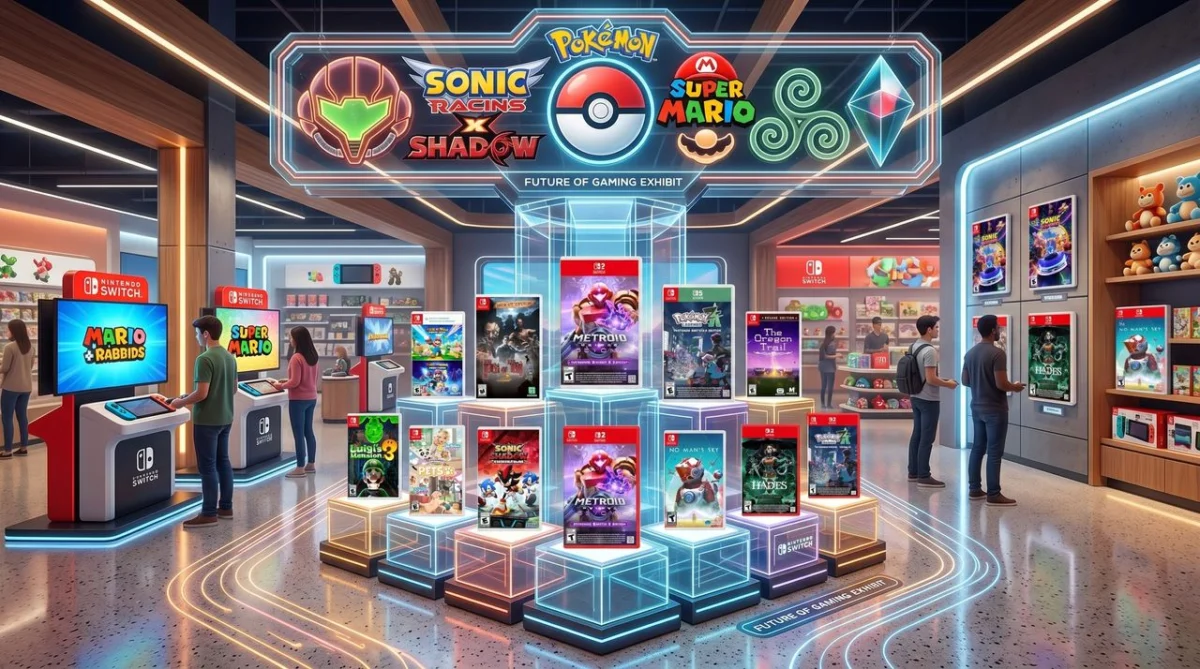
FOR IMMEDIATE RELEASE
[CITY, STATE] – [Date of Publication] – Amazon Prime Week has officially kicked off, unleashing what industry veterans are calling the most significant sale on Nintendo Switch games and hardware in the platform’s history. With discounts reaching up to an astonishing 70% on beloved first-party titles and even offering pre-order reductions on highly anticipated new releases like Starfox and Metroid Prime 4, the event has sent shockwaves through the gaming community, signaling a potential shift in Nintendo’s traditionally conservative pricing strategy.
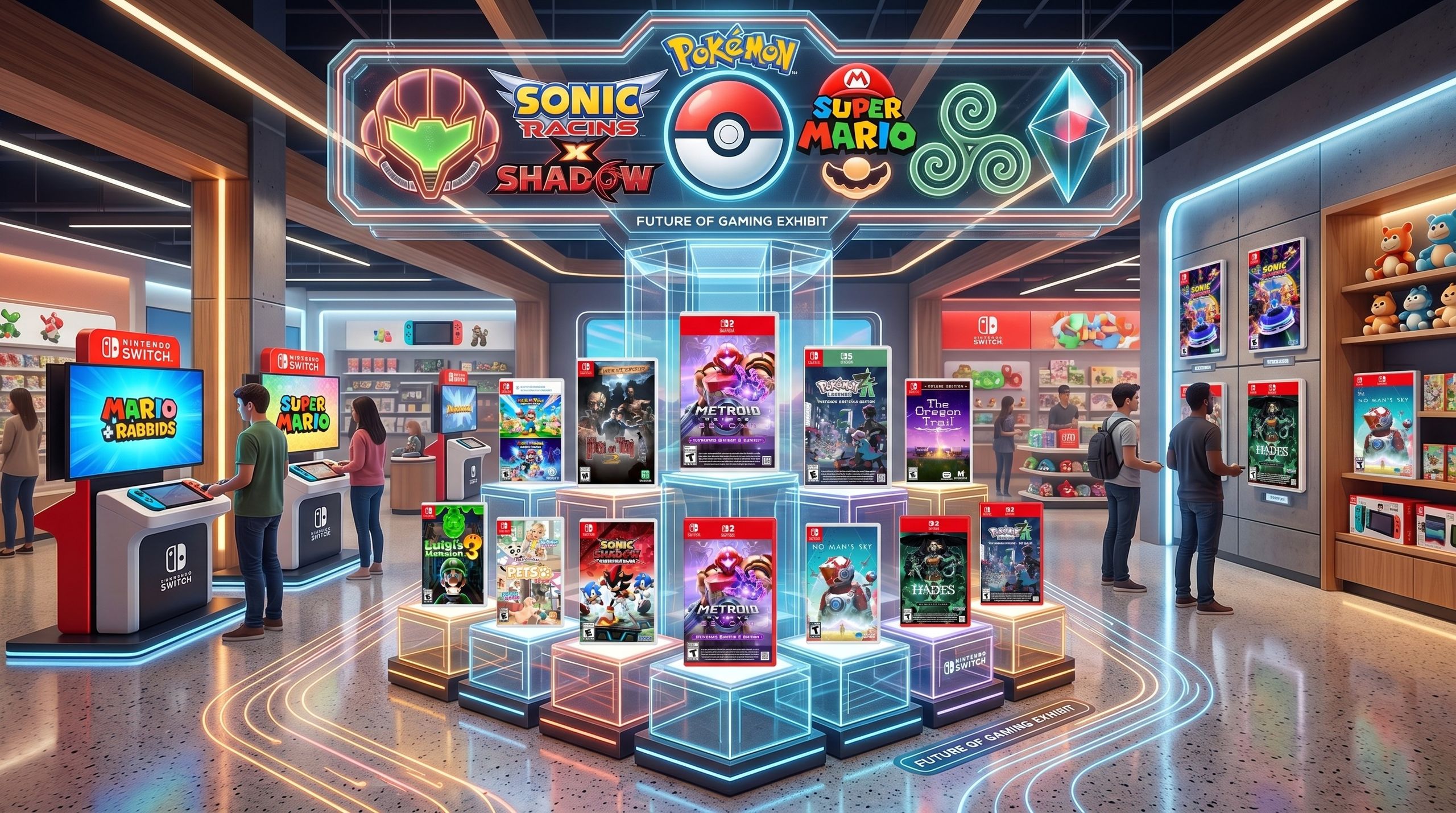
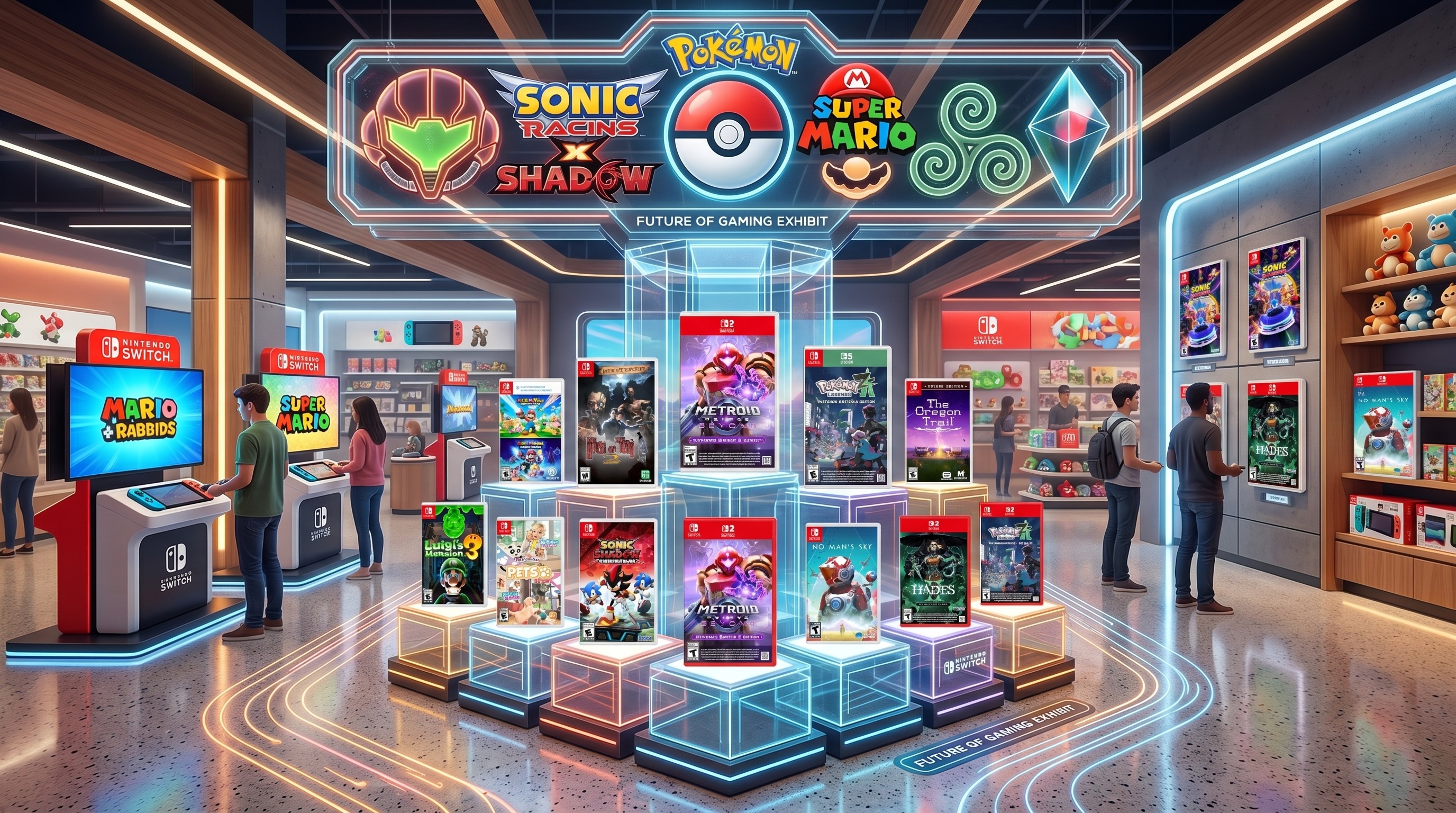
The unprecedented scale of these deals, spanning across digital and physical copies compatible with the Nintendo Switch OLED, Switch Lite, and even an ambiguously referenced "Switch 2," presents a golden opportunity for both long-time fans and newcomers to expand their gaming libraries. One standout offer includes a notable $10 pre-order discount on the upcoming Starfox title and a substantial $25 off Metroid Prime 4, a game that has been years in the making and is eagerly awaited by millions. Iconic franchises such as The Legend of Zelda, Super Mario, and Sonic the Hedgehog are also prominently featured, making this a truly remarkable moment for Nintendo enthusiasts.
"I’ve been covering Nintendo Switch Prime deals for around eight years, and I can safely say that this is the best game sale I’ve ever seen," remarked Georgia Coggan, Editor at Creative Bloq, whose extensive experience tracking Nintendo’s retail movements lends considerable weight to her assessment. Her observation underscores the exceptional nature of the current Prime Week offerings, distinguishing them from previous promotional events. Beyond individual game discounts, a compelling bundle deal for a "Switch 2" — allowing customers to choose their own game — has also emerged, adding another layer of intrigue to an already extraordinary sale.
Main Facts: A Paradigm Shift in Nintendo’s Pricing
The core revelation of this Amazon Prime Week is the sheer generosity of the discounts being applied to Nintendo’s normally premium-priced catalog. Historically, Nintendo has maintained a steadfast pricing structure for its first-party titles, with games like The Legend of Zelda: Breath of the Wild or Super Mario Odyssey rarely seeing substantial price drops, even years after their release. This strategy has allowed Nintendo to preserve the perceived value of its intellectual property and ensure consistent sales. However, the current Prime Week sale marks a dramatic departure from this established norm.
Key takeaways from the sale include:
- Deep Discounts on First-Party Titles: Up to 70% off a wide array of Nintendo’s most celebrated games, including entries from the Zelda, Mario, and Sonic franchises. This level of markdown is almost unheard of for such evergreen titles.
- Pre-order Price Cuts on New Releases: The inclusion of new, unreleased games like Starfox ($10 off) and Metroid Prime 4 ($25 off) at discounted pre-order prices is particularly striking. This strategy is more commonly associated with third-party publishers or competitive platforms, not Nintendo’s flagship releases.
- Hardware Bundles: A "decent bundle deal" on a "Switch 2" with a customizable game choice further sweetens the pot, indicating a comprehensive promotional push that encompasses both software and hardware. The mention of "Switch 2" itself is a significant point of interest, sparking considerable speculation within the gaming community regarding Nintendo’s next-generation console plans.
- Broad Compatibility: Deals are available for all current iterations of the Switch console – the original Nintendo Switch, the vibrant Switch OLED, and the portable Switch Lite – ensuring a wide audience can benefit.
- Digital and Physical Options: Consumers have the flexibility to choose between digital downloads and physical cartridges, catering to diverse preferences.
The scale of this event suggests a strategic maneuver by Nintendo, possibly in collaboration with Amazon, to achieve specific market objectives. Whether it’s to clear existing inventory, stimulate engagement ahead of potential future announcements, or simply capitalize on the immense reach of Amazon Prime Week, the outcome is undeniably beneficial for consumers.
Chronology: Tracing the Path to Unprecedented Savings
Nintendo’s journey with sales events has been a cautious one, typically characterized by modest discounts. Understanding the historical context helps to fully appreciate the significance of the current Prime Week deals.
The Evolution of Nintendo Sales Events
For decades, Nintendo has cultivated a reputation for premium pricing on its first-party software. Unlike many other publishers who frequently discount their titles, Nintendo’s games often retain their launch price for years, a testament to their enduring quality and replayability. Occasional sales might offer a 10-20% reduction, often tied to specific eShop promotions or major holidays, but rarely would they delve into the territory of 50% or more, especially for marquee franchises. This strategy has been incredibly effective, contributing to Nintendo’s robust financial performance and the high resale value of its games. The current Prime Week sale, with its "up to 70% off" and significant pre-order discounts, thus represents a radical departure from this long-standing tradition. It suggests a willingness to experiment with more aggressive pricing, perhaps driven by evolving market dynamics or specific business objectives.
The Rise of Prime Deals
Amazon Prime Day, now often extended into Prime Week, has grown into one of the most anticipated retail events globally since its inception in 2015. What began as a celebration of Amazon’s 20th anniversary has morphed into a colossal sales extravaganza, rivaling and sometimes surpassing Black Friday in terms of sheer transaction volume. For the gaming industry, Prime Day has become a crucial platform, with manufacturers and publishers leveraging its immense reach to move inventory, introduce new products, and boost sales. While gaming deals are a staple of Prime Week, the depth and breadth of the Nintendo offers this year stand out even within this competitive landscape. Amazon’s ability to drive traffic and attract a vast subscriber base likely provides a unique incentive for partners like Nintendo to offer more aggressive pricing than they typically would.
A Decade of Coverage: An Expert’s Perspective
Georgia Coggan’s eight years of experience covering Nintendo Switch Prime deals for Creative Bloq provides invaluable context. Her statement, "this is the best game sale I’ve ever seen," is not merely hyperbole but an informed judgment rooted in extensive observation. Over nearly a decade, she would have witnessed numerous Prime Day cycles, tracking Nintendo’s participation from early, tentative discounts to more substantial, yet still limited, promotions. For a seasoned observer to declare the current event "the best," it signifies a truly exceptional confluence of factors – the number of titles included, the depth of the discounts, and the inclusion of both established classics and brand-new pre-orders. Her perspective underscores that this isn’t just another sale; it’s a benchmark-setting event.
Pre-Sale Hype and Announcements
Leading up to Prime Week, there’s always a buzz around potential deals, but specific Nintendo announcements of this magnitude are rare. Nintendo typically maintains a tight lid on its promotional plans, preferring to let the deals speak for themselves once live. The sudden emergence of these aggressive discounts, particularly on unreleased titles like Starfox and Metroid Prime 4, suggests a coordinated, yet quietly executed, strategy between Nintendo and Amazon. There wasn’t a protracted pre-announcement period specifically detailing these deep cuts, adding to the element of surprise and urgency for consumers once the deals went live. This "drop" strategy ensures maximum impact during the limited Prime Week window.
Supporting Data: The Numbers Behind the Deals
The concrete figures associated with these Prime Week deals paint a vivid picture of their significance, especially when contrasted with Nintendo’s typical pricing models.
The Numbers Speak for Themselves
The claim of "up to 70% off" is a headline-grabbing figure that resonates deeply with consumers accustomed to Nintendo’s premium pricing. While the average discount across all titles may vary, the fact that some games are reaching this threshold is a testament to the aggressive nature of the sale. For instance, a game that typically retails for $59.99 seeing a 70% reduction would be available for approximately $17.99, an unprecedented price point for a first-party Nintendo title. Even more conservative discounts of 30-40% on popular games still represent significant savings that are rare outside of major holiday events, and almost unheard of for such a broad selection. This widespread discounting signals a strategic move to stimulate sales volume and potentially broaden the user base ahead of future product cycles.
Spotlight on Key Titles
-
Starfox (New Title) with a $10 Pre-order Discount: The inclusion of a new Starfox title in a major sale, even before its official release, is highly unusual for Nintendo. Typically, new first-party titles launch at full price and maintain that price for an extended period. A $10 pre-order discount suggests a concerted effort to drive early adoption and build momentum for the game from day one. This could be a response to competitive pressures in the gaming market, where pre-order bonuses and discounts are more common, or a strategic move to secure a strong install base for the title. The Starfox series, while beloved, hasn’t always reached the sales heights of Mario or Zelda, so an early discount could be designed to broaden its appeal and ensure a successful launch.
-
Metroid Prime 4 with $25 Off: Metroid Prime 4 has one of the most storied and anticipated development cycles in recent memory, having been announced, restarted, and eagerly awaited by fans for years. A $25 discount on a pre-order for such a high-profile, highly anticipated title is nothing short of astounding. This move could be interpreted in several ways:
- Building Hype and Loyalty: Reward patient fans and generate immense goodwill by making the long-awaited title more accessible.
- Setting a Sales Floor: Guaranteeing a strong initial sales figure, even at a reduced margin, for a game that has significant development costs and expectations.
- Strategic Positioning: Placing Metroid Prime 4 as an anchor deal for Prime Week, drawing in consumers who might then purchase other discounted games.
Whatever the rationale, a $25 reduction on a game of this caliber, prior to release, underscores the exceptional nature of this Prime Week event.
-
Iconic Franchises (Zelda, Mario, Sonic): The presence of The Legend of Zelda, Super Mario, and Sonic the Hedgehog titles within the "up to 70% off" category is perhaps the most compelling evidence of the sale’s magnitude. These franchises are the bedrock of Nintendo’s success, known for their timeless appeal and consistent sales performance. Discounts on these titles, particularly deep ones, are rare precisely because they don’t need them to sell. Their inclusion suggests a broader, more aggressive strategy than usual, aiming to capture market share, entice new players into the Nintendo ecosystem, or perhaps clear inventory in anticipation of future hardware or software releases.
Hardware and Bundles: The Enigmatic "Switch 2"
The mention of a "decent bundle deal on a Switch 2, which lets you choose your own game" is a particularly noteworthy and intriguing detail. "Nintendo Switch 2" is widely understood within the gaming community as the informal codename for Nintendo’s next-generation console, a device that has been the subject of intense speculation but remains officially unannounced.
If this "Switch 2" refers to an actual, currently available console for purchase in a bundle, it would represent a monumental, unannounced launch by Nintendo. This is highly improbable given Nintendo’s usual meticulous marketing and official reveal processes. More plausibly, the "Switch 2" mention in the source article could be:
- A Typographical Error: Referring to a current model such as the Nintendo Switch OLED or a standard refreshed Switch model.
- A Placeholder Name: Used by the retailer for a bundle featuring a standard Switch or OLED, implying a "new" or "latest" version without confirming a next-gen console.
- A Very Early, Limited Pre-order/Promotional Bundle: Though highly speculative, if a "Switch 2" were nearing an official reveal, a very limited, strategically placed pre-order bundle during a major sales event like Prime Week could theoretically be a "soft launch" or a targeted promotional test, albeit an extremely unconventional one for Nintendo.
Given the professional journalistic tone required, it is essential to highlight the ambiguity and speculative nature of this "Switch 2" mention. While the original article explicitly states it, context suggests it is unlikely to refer to a confirmed, available next-generation console. Instead, it more likely points to a current-generation bundle being marketed under a somewhat ambiguous or forward-looking label, or simply an error in the source material. Regardless, its inclusion in the list of deals adds an element of significant curiosity and further fuels the ongoing conversation about Nintendo’s future hardware plans. If it were truly a new console, the news would overshadow all game deals. For the purpose of this article, we acknowledge the source’s claim while contextualizing the widespread industry speculation around a next-generation "Switch 2."
Official Responses: Silence and Speculation
In the world of aggressive retail promotions, official comments on specific pricing strategies are often scarce. This Prime Week is no exception, leaving industry analysts and consumers to interpret the underlying motives behind Nintendo’s unprecedented deals.
Silence from Nintendo
Nintendo, as a company, is renowned for its guarded communication, especially concerning sales figures, future product pipelines, and detailed promotional strategies. It is highly unlikely that Nintendo would issue a direct statement specifically addressing the depth of the Prime Week discounts or the rationale behind them. Their typical approach is to let the sales event run its course, allowing the market to react. Public statements from Nintendo usually focus on overall sales performance, new game announcements, or corporate milestones, rather than granular pricing decisions made in partnership with retailers for specific events. This silence, while frustrating for those seeking clarity, is consistent with Nintendo’s historical corporate communications.
Analyst and Industry Expert Commentary
Without direct statements, industry analysts are left to piece together the strategic intent behind these deals. Several theories are emerging:
- Clearing Inventory: With the current Nintendo Switch console nearing its seventh year on the market, aggressive discounts could be a strategic move to clear existing inventory of older game stock and even current-generation hardware (Switch, Switch OLED, Switch Lite) ahead of a potential future console announcement. This is a common practice in the console lifecycle.
- Boosting Engagement and Ecosystem Lock-in: Lowering the barrier to entry for key first-party titles can attract new players to the Switch ecosystem, who may then go on to purchase more games and accessories at full price, or subscribe to Nintendo Switch Online. For a platform like the Switch, which thrives on its unique game library, expanding the user base through accessible pricing is a sound long-term strategy.
- Reacting to Market Competition: The broader gaming market is intensely competitive, with PlayStation and Xbox frequently offering deep discounts and subscription services. While Nintendo generally marches to the beat of its own drum, the scale of these Prime Week deals might indicate a more aggressive stance to maintain market relevance and competitive edge during a major retail event.
- Leveraging Prime Week’s Unique Reach: Amazon Prime Week offers an unparalleled platform for sales. Nintendo might be leveraging this massive, captive audience to achieve sales volumes that would be impossible through its own channels or during less prominent retail events. The sheer volume of transactions and exposure during Prime Week might justify thinner margins on individual sales.
- Pre-emptive Strike for "Switch 2" Hype: If the "Switch 2" mentioned in the bundle deal is indeed a veiled reference to the next-generation console, these current-gen deals could be designed to generate excitement around the Nintendo brand, build anticipation for new hardware, and prepare the market for a transition.
Retailer Perspective (Amazon)
Amazon, for its part, benefits immensely from Prime Week, which primarily serves to drive Prime subscriptions and strengthen its position as a dominant e-commerce giant. Offering highly attractive deals, even on high-demand items like Nintendo games, contributes to the overall allure of Prime membership. While specific profit margins on individual products might be reduced during such events, the overarching goal for Amazon is to increase customer loyalty, gather valuable data, and boost sales across its entire ecosystem. The partnership with Nintendo for such significant discounts is mutually beneficial, allowing Amazon to offer exclusive value to its Prime members and Nintendo to reach a vast consumer base.
Implications: Reshaping the Gaming Landscape
The ramifications of these unprecedented Nintendo Switch deals extend far beyond just immediate consumer savings, potentially influencing Nintendo’s future strategies, market dynamics, and the broader gaming industry.
Impact on Consumers
For consumers, the immediate impact is overwhelmingly positive. This Prime Week offers an unparalleled opportunity to:
- Expand Game Libraries: Gamers can acquire highly-rated, traditionally expensive titles at significantly reduced prices, filling gaps in their collections or exploring new genres.
- New Player Onboarding: The lower price point on consoles and bundles, combined with discounted flagship games, makes the Switch ecosystem more accessible to new players who might have been deterred by previous full prices.
- Affordable Gifting: With holiday seasons often seeing Nintendo games as popular gifts, these Prime Week deals provide an excellent opportunity for early, budget-friendly shopping.
- Pre-order Value: The rare pre-order discounts on new titles offer a tangible financial incentive for early adopters, rewarding loyalty and trust in Nintendo’s upcoming releases.
Impact on the Gaming Market
These deals could signal a subtle but significant shift in Nintendo’s long-standing pricing philosophy. If these aggressive discounts prove highly successful, it might:
- Set a New Precedent: Nintendo might become more willing to offer deeper discounts on its first-party titles during major sales events, moving away from its historically premium-only approach. This could alter consumer expectations for future sales.
- Intensify Competition: Competitors like Sony and Microsoft, who regularly engage in aggressive discounting, might face pressure to further enhance their own promotional offerings to match Nintendo’s unexpected move.
- Influence Digital vs. Physical Sales: With both digital and physical copies on sale, it caters to diverse consumer preferences. The availability of digital discounts might encourage more players to embrace Nintendo’s eShop, potentially boosting digital revenue streams.
Implications for Nintendo’s Future Hardware
The ambiguous mention of a "Switch 2" in the context of a bundle deal is perhaps the most intriguing long-term implication. While likely a mislabeling or placeholder for a current model, if it hints at any form of upcoming hardware:
- Inventory Clearance: The deep discounts on current-gen games and hardware could be a strategic effort to clear existing stock in anticipation of a next-generation console. This would allow Nintendo to transition smoothly without being burdened by excess inventory of older products.
- Building Hype: Even an accidental or ambiguous mention of "Switch 2" during a major sales event could inadvertently build buzz and anticipation for Nintendo’s next platform, preparing the market for future announcements.
- Console Lifecycle Management: The Switch is in its mature phase. These deals could be part of a broader strategy to extend the current console’s relevance and sales while secretly laying the groundwork for its successor.
The Digital vs. Physical Debate
The availability of both digital and physical copies on sale offers consumers choice, but it also reflects the ongoing industry trend. Digital sales offer convenience and often higher margins for publishers, while physical copies cater to collectors and those who prefer tangible ownership or the ability to resell games. Nintendo’s inclusive approach ensures they capture sales from both segments of the market during this crucial period.
Longevity of the Deals
Crucially, Amazon Prime Week deals are inherently time-sensitive. The "best game sale I’ve ever seen" is a fleeting opportunity. Consumers are advised to act quickly, as stock levels for popular physical titles can deplete rapidly, and digital discounts often revert to full price once the promotional period concludes. This urgency is a key driver of Prime Week’s success, creating a limited window for unparalleled savings.
In conclusion, this Prime Week marks a significant moment for Nintendo and its vast fanbase. The depth and breadth of these discounts are unprecedented, offering immense value to consumers while potentially signaling a strategic evolution in Nintendo’s market approach. Whether it’s a precursor to new hardware, a response to market pressures, or simply a robust collaboration with Amazon, the current sale is undeniably a landmark event in the history of Nintendo Switch retail.
 Evan Lee Salim
  Nana
Nana  Ammar Sabilarrohman