
 By Nana Wu
In an unprecedented shift that has sent ripples through the global technology market, consumers are witnessing a paradoxical trend: rising prices for devices that offer little to no generational improvement. This isn’t merely a fleeting market fluctuation; it’s a direct consequence of a severe global shortage of Random Access Memory (RAM), the indispensable component powering virtually every digital device. For creatives, whose livelihoods depend on robust and reliable technology, understanding and adapting to this new reality is paramount.
The familiar paradigm of tech becoming cheaper and more powerful with each passing year has, for the first time in decades, been dramatically reversed. Major tech behemoths, from Apple and Microsoft to Samsung and Dell, have already implemented significant price hikes – some reportedly up to $500 – on laptops, phones, and tablets, even for models that remain unchanged from their predecessors. This isn’t a temporary blip; industry experts are projecting that the market won’t stabilize until as late as 2030, marking a prolonged period of elevated costs.
While this news might initially spark alarm, especially for professionals reliant on cutting-edge hardware, the situation also presents an opportunity for strategic thinking. Creatives, perhaps more than any other demographic, are uniquely positioned to navigate this crisis intelligently. The key lies not in blindly pursuing the most powerful (and now prohibitively expensive) device, but in making informed choices that align with actual workflow needs. This article delves into the core issues of the RAM crisis and offers actionable strategies for creatives to manage their tech investments wisely.
The Unseen Hand: Main Facts of the RAM Crisis
The current tech market anomaly stems directly from an acute scarcity of RAM chips. RAM serves as the short-term memory of a device, crucial for handling active applications, processing data, and ensuring smooth multitasking. Without sufficient RAM, even the most powerful processor can be bottlenecked, leading to sluggish performance and frustrating delays.
The primary driver of this unprecedented demand surge is the explosive growth of Artificial Intelligence (AI) and its burgeoning infrastructure. AI data centers, particularly those training and running large language models (LLMs) and complex machine learning algorithms, require astronomical quantities of high-bandwidth memory (HBM) and conventional DDR5 RAM. These data centers are effectively "swallowing up" an ever-increasing proportion of the global RAM supply, leaving less available for consumer electronics.
This imbalance between burgeoning demand and constrained supply has inevitably led to price inflation. Manufacturers of consumer devices, facing higher component costs, have little choice but to pass these expenses onto the end-user. The result is a market where innovation seems to have stalled, at least in terms of price-to-performance ratio, making every purchase decision more critical than before.
A Shifting Timeline: Chronology of the Shortage
The seeds of the current RAM crisis were sown long before its impact became acutely felt in consumer markets. While the global semiconductor industry has always been cyclical, characterized by periods of oversupply and undersupply, the current situation represents a confluence of factors that began to crystallize in recent years.
The foundational shift can be traced back to the acceleration of digital transformation initiatives, intensified by the global pandemic in 2020-2021. The sudden surge in remote work, online education, and digital entertainment created an unprecedented demand for personal computing devices, servers, and network infrastructure. This put initial strain on semiconductor supply chains, which were already operating near capacity.
However, the truly distinguishing factor for the current RAM crunch emerged more prominently in late 2022 and throughout 2023: the rapid commercialization and adoption of generative AI. Companies like OpenAI, Google, Microsoft, and Meta began investing billions into AI research and deployment, necessitating the construction and expansion of vast data centers. These facilities require specialized, high-performance memory (HBM) to feed the massive computational demands of AI accelerators (GPUs).
Initially, memory manufacturers were caught off guard by the sheer scale and speed of AI’s memory appetite. While investments in new fabrication plants (fabs) and R&D for next-generation memory technologies (like HBM3 and HBM3E) were underway, the lead time for bringing these complex facilities online and scaling production is measured in years, not months. This created an immediate supply gap.
By late 2023, reports from market research firms began highlighting a significant divergence in demand. While demand for traditional DRAM (used in PCs and smartphones) remained somewhat subdued due to global economic uncertainties, the demand for server-grade DDR5 and especially HBM exploded. This led to a strategic reallocation of manufacturing capacity by memory producers, prioritizing the higher-margin, high-demand AI segment.
Early 2024 saw the impact trickle down to consumer electronics. Device manufacturers, now competing with AI giants for RAM chips, faced escalating component costs. The "up to $500" price increases cited in the original article became a stark reality for consumers looking to upgrade their laptops and phones, confirming that the tech market had entered a new, more expensive era that experts predict will last for several years.
The Numbers Game: Supporting Data and Market Insights
The RAM crisis is not anecdotal; it’s backed by robust market data and forecasts from leading industry analysts.
- Price Projections: Market intelligence firm TrendForce, a key authority on memory pricing, has consistently reported significant quarter-over-quarter price increases for DRAM. Their Q1 2024 report indicated a 15-20% sequential increase in DRAM contract prices, with further increases anticipated throughout 2024. For server DRAM, specifically, the increases were even steeper, reflecting the intense competition from AI data centers. TrendForce projects that overall DRAM prices could continue to rise by 13-18% in Q2 2024 alone.
- AI Demand Metrics: The insatiable demand from AI is quantifiable. Training a single large language model like GPT-4 can require tens of thousands of specialized AI accelerators, each equipped with multiple stacks of HBM. Each HBM stack can provide hundreds of gigabytes per second of bandwidth, far exceeding conventional DDR RAM. Companies like Nvidia, a leader in AI GPUs, have seen their orders for HBM skyrocket, putting immense pressure on suppliers like SK Hynix, Samsung, and Micron. Some estimates suggest that HBM demand could grow by over 100% year-over-year for the next few years.
- Supply Constraints: While memory manufacturers are investing heavily, the ramp-up of HBM production is technically challenging and capital-intensive. Manufacturing HBM involves complex 3D stacking technologies (TSV – Through-Silicon Via) that require specialized equipment and expertise. This limits the speed at which supply can meet demand. Furthermore, the shift in manufacturing focus towards HBM means less capacity for standard DDR5, affecting the broader consumer market.
- Impact on Device Pricing: The $500 price increase mentioned in the original article is a conservative estimate for some high-end configurations. For devices that rely heavily on RAM, such as professional workstations or gaming laptops, the cost differential between current and previous generations, or between different RAM configurations, has become significantly more pronounced. This directly impacts creatives, who often require higher memory allocations for demanding software.
- Long-Term Outlook: The prediction that prices won’t settle until 2030 underscores the systemic nature of this crisis. It suggests that the investments in new fabrication plants and memory technologies, while crucial, will take years to fully alleviate the supply constraints. The continuous evolution of AI, requiring even more advanced and dense memory, also suggests that the baseline demand will remain exceptionally high.
Industry on Alert: Official Responses and Strategic Shifts
The global RAM crisis has elicited varied responses from key players across the tech ecosystem, from memory manufacturers to device makers and even governments.
- Memory Manufacturers (Samsung, SK Hynix, Micron): These giants are at the forefront of the supply challenge. Their primary response has been to significantly ramp up investments in HBM production capacity. SK Hynix, a leader in HBM technology, has announced plans for massive capital expenditures to build new HBM fabs and increase R&D into next-generation HBM (e.g., HBM4). Samsung and Micron are following suit, dedicating more of their existing and future fabrication lines to meet AI demand. However, this shift often comes at the expense of conventional DRAM production, further tightening supply for consumer devices. They are also working closely with AI chip designers (like Nvidia) to optimize memory solutions for future AI architectures.
- Device Manufacturers (Apple, Microsoft, Dell, Samsung, etc.): Facing higher RAM costs, these companies are employing several strategies:
- Price Adjustments: As observed, direct price increases are the most immediate response to maintain profit margins.
- Product Line Optimization: Some manufacturers might strategically adjust the default RAM configurations in their entry-level and mid-range devices to manage costs, making higher RAM options more premium.
- Software Optimization: Investing more in software efficiency to make their operating systems and applications run smoothly on less RAM, though this has limits.
- Diversification: Exploring alternative memory solutions or suppliers, where feasible, to mitigate risk.
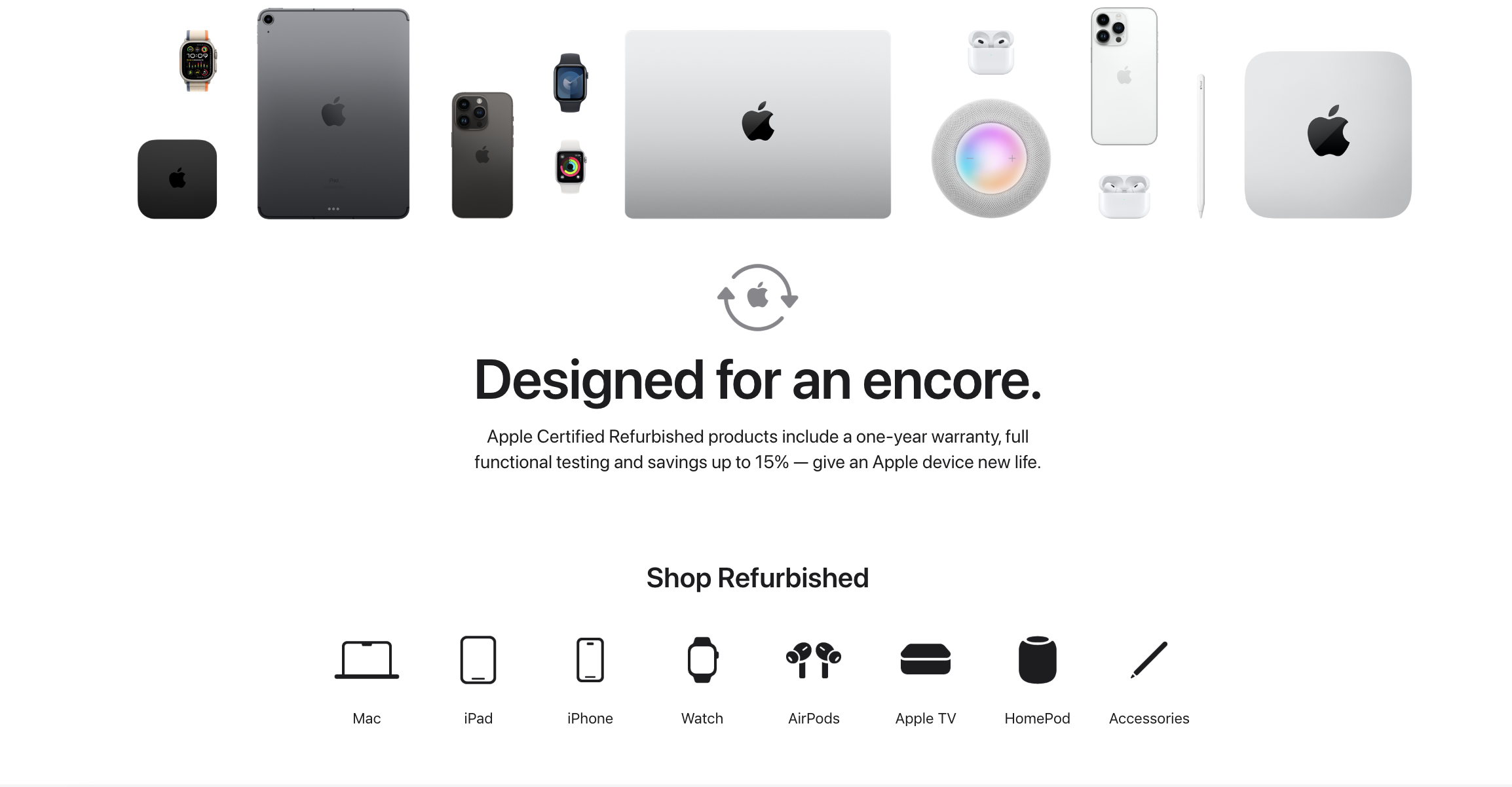
- Refurbishment Programs: Companies like Apple already have robust certified refurbished programs, which indirectly help recycle older components and offer more affordable options to consumers, a strategy that gains more relevance in a high-price environment.
- Governmental Initiatives: Governments worldwide have recognized the strategic importance of semiconductor supply chains, especially post-pandemic. Initiatives like the CHIPS Act in the US and similar programs in Europe and Asia aim to subsidize domestic chip manufacturing and R&D. While these programs are primarily focused on broader chip production (including logic chips), they indirectly support memory production as well, aiming for greater supply chain resilience in the long term. However, these are long-term strategies and won’t alleviate the current shortage immediately.
- AI Companies: The major consumers of HBM are also actively engaging with memory manufacturers. They are often signing long-term supply agreements and even co-investing in R&D to secure future memory supplies, further solidifying the demand side of the equation.
These responses collectively highlight an industry in transition, grappling with unprecedented demand from AI while trying to maintain stability in other critical markets. The strategic reallocation of resources by memory manufacturers, driven by the profitability of AI-grade memory, is the core mechanism through which the crisis transmits its effects to the consumer.
Navigating the New Normal: Implications and Strategies for Creatives
For creative professionals, the RAM crisis means that traditional tech purchasing habits need to evolve. The good news is that creatives are often adept at problem-solving and optimization. Here are six expanded strategies to navigate this challenging market without overpaying, ensuring your workflow remains efficient and your investments sensible.
1. Buy Sooner Rather Than Later (If Your Kit is Critical)
The Implication: The current market trajectory is unequivocally upwards for device prices. Waiting for a "better deal" or a "sale" on new equipment is increasingly unrealistic. Pricing forecasts from industry analysts predict significant increases through the rest of 2026 and well into 2027.
Expanded Strategy: If your existing equipment is genuinely nearing the end of its functional life, and a replacement is an absolute necessity within the next 6-12 months, seriously consider accelerating your purchase. This isn’t about panic buying, but strategic timing. Buying now could lock in a price before further anticipated increases take effect, potentially saving a substantial amount. Research current models, compare prices, and if a suitable device is available that meets your immediate needs, securing it sooner could be a financially prudent move. Factor in not just the upfront cost, but also the potential for productivity loss if your current machine fails unexpectedly.
2. Embrace the Refurbished Market
The Implication: Refurbished devices offer a direct bypass to the current inflationary pressures affecting new production lines. These units were built and priced before the current RAM shortage escalated component costs.
Expanded Strategy: Reputable refurbished laptops, phones, and tablets represent excellent value. A refurbished model has typically undergone rigorous testing, repair (if needed), and certification by either the manufacturer or a third-party specialist. Many come with warranties comparable to new devices, mitigating risk. When exploring this option:
- Look for Certified Programs: Manufacturers like Apple, Dell, and HP offer "Certified Refurbished" programs, ensuring the highest standards of quality control and warranty support.
- Understand Grading Systems: Reputable refurbishers use grading systems (e.g., A-grade for near-new condition, B-grade for minor cosmetic flaws) to clearly communicate the device’s state.
- Verify Warranties and Return Policies: A good warranty (e.g., 90 days to one year) and a clear return policy are essential for peace of mind.
- Environmental Benefit: Beyond cost savings, choosing refurbished is an environmentally responsible choice, extending the lifecycle of electronics and reducing e-waste. For many creative tasks, a device that is one or two generations old still offers ample performance.
3. Opt for Last Year’s Model
The Implication: The "latest and greatest" often carries a significant price premium, which is exacerbated by the RAM crisis. The performance leap between consecutive generations for many devices is often incremental, especially for non-specialized tasks.
Expanded Strategy: When purchasing new, prioritize models from the previous year or even two years prior. Retailers are often eager to clear older stock, which was manufactured with components purchased at lower prices, resulting in more competitive pricing.
- Performance vs. Price: For most graphic designers, web developers, illustrators, and photographers, last year’s flagship or a well-regarded mid-range model will offer more than sufficient power. The performance difference in daily creative applications (Adobe Photoshop, Illustrator, Figma, Sketch) between, say, an M2 and an M3 MacBook Air, or a Snapdragon 8 Gen 2 vs. Gen 3 phone, might be negligible for typical workflows, yet the price difference can be substantial.
- Targeted Use Cases: While videographers, 3D artists, and those involved in heavy rendering might genuinely benefit from the absolute latest processors and GPUs, even for these professionals, a carefully chosen previous-generation workstation can still be a powerhouse.
- Availability: Act relatively quickly, as "older" stock doesn’t last forever, especially as more consumers adopt this savvy purchasing strategy.
4. Prioritize Repair and Extend Life
The Implication: In an era of expensive replacements, prolonging the life of your existing equipment becomes a powerful cost-saving measure. Many performance issues aren’t terminal hardware failures.
Expanded Strategy: Before considering a replacement, thoroughly evaluate if your current device can be revitalized.

- Battery Replacement: A degraded battery significantly impacts laptop and phone performance. A new battery can breathe years of life into a device.
- Software Housekeeping: A slow computer often suffers from software bloat.
- Clear Caches and Temporary Files: Regularly delete temporary files, browser caches, and application-specific caches (e.g., Adobe Creative Cloud caches).
- Uninstall Unused Software: Remove applications and plugins you no longer use.
- Manage Startup Items: Prevent unnecessary programs from launching at startup.
- Operating System Maintenance: Ensure your OS is updated, but also consider a clean reinstall if performance is severely degraded by years of accumulated software.
- External Storage: If limited internal storage is an issue, invest in a fast external SSD. This frees up crucial space on your primary drive, improving overall system responsiveness, and provides an efficient backup solution.
- Professional Diagnosis: Consult with a reputable repair shop. Often, a professional clean-out of dust, a new thermal paste application for processors, or a simple component swap (like a failing hard drive to an SSD upgrade, if possible) can dramatically improve performance. The "right to repair" movement is also gaining traction, making repairs more accessible and affordable.
5. Match the Device to the Job, Not Just the Hype
The Implication: The "just in case" mentality of buying the most powerful hardware can now be an extremely costly habit, particularly due to the premium on RAM.
Expanded Strategy: Be brutally honest about your actual creative workflow and its specific hardware demands.
- Analyze Your Daily Tasks:
- Graphic Designers/Illustrators/Web Designers: For most work in Photoshop, Illustrator, Figma, or similar tools, a mid-range CPU with 16GB (or even 8GB for lighter tasks) of RAM and a fast SSD is often perfectly adequate. Extreme multi-layer, high-resolution print work might push this, but typical screen-based design is less demanding than video.
- Videographers/Video Editors/3D Artists: These professionals genuinely require more power. Prioritize a strong multi-core CPU, a dedicated GPU with ample VRAM, and a minimum of 32GB (preferably 64GB or more) of fast RAM. For these users, investing in higher-spec RAM at purchase is critical because it’s often soldered and non-upgradeable later.
- Consider Hybrid Approaches: If you only occasionally tackle highly demanding tasks (e.g., a short 3D animation project once a year), it might be more financially sensible to:
- Rent Equipment: Rent powerful workstations or high-end GPUs for specific project durations.
- Cloud Computing/Rendering Farms: Utilize cloud-based rendering services or virtual machines with high-end specifications, paying only for the computational power you use, rather than owning it outright.
- Shared Workspaces: Access studios or co-working spaces equipped with high-end machines.
- Upgradeable Memory: For desktop PCs and some professional laptops, the ability to upgrade RAM later is a valuable feature. If a model offers this flexibility, it’s worth a premium, as it allows you to adapt to future needs without a full device replacement. However, many modern slim devices, especially laptops and phones, have soldered RAM, making initial purchase decisions critical.
6. Vigilant Usage Monitoring and Optimization
The Implication: Even the most powerful machine can slow down if its resources are mismanaged. Regular maintenance of your digital workspace can extend the perceived lifespan and efficiency of your current setup.
Expanded Strategy: Proactive resource management is free and highly effective.
- Monitor Resource Usage: Regularly check your operating system’s task manager (Windows) or Activity Monitor (macOS) to see which applications are consuming the most CPU, RAM, and disk I/O. Identify resource hogs and manage them.
- Manage Cache and Temporary Files: Creative software (especially video editors, 3D software) can generate enormous cache files. Configure these applications to periodically clear caches or store them on a secondary, faster drive if possible.
- Plugin and Extension Audit: Browser extensions and software plugins, while useful, can consume significant RAM. Regularly review and disable or remove those you don’t frequently use.
- Cloud Storage Integration: Leverage cloud storage for archival and less frequently accessed project files. This keeps your local drives lean and responsive.
- Organized Project Files: Develop a consistent system for organizing project files, assets, and source materials. Clutter not only makes finding things harder but can also contribute to performance overheads when applications try to index or manage vast, disorganized libraries.
Conclusion: Adapting to the New Tech Landscape
The global RAM crisis marks a significant inflection point in the consumer technology market. It signals an end to the era of guaranteed performance gains for diminishing costs. For creatives, this necessitates a more thoughtful, strategic approach to technology investment. While the current environment is undoubtedly challenging, it also fosters resourcefulness and a deeper understanding of one’s actual hardware needs.
By proactively managing equipment, embracing cost-effective alternatives like refurbished or previous-generation models, and diligently optimizing software and workflow, creatives can continue to produce high-quality work without being derailed by the rising tide of tech prices. This isn’t just about saving money; it’s about building resilience and sustainability into your creative practice in an ever-evolving digital world. The market may eventually stabilize, but until 2030 and beyond, savvy decision-making will be your most valuable tool.
 Evan Lee Salim
  Nana
Nana  Ammar Sabilarrohman