
 By Lina Hope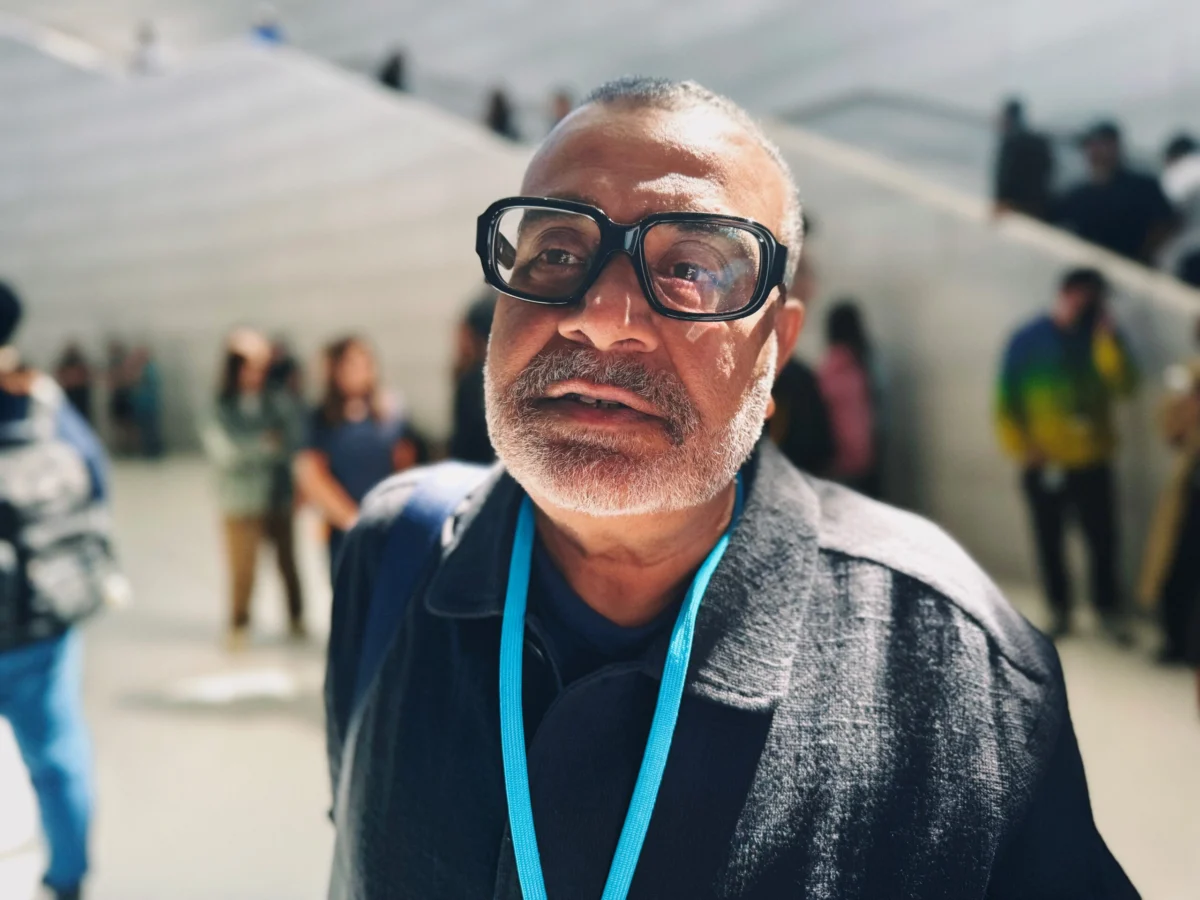
On June 24, 2026, the technology journalism community lost one of its most distinct and influential voices. Om Malik, the pioneering tech journalist, venture capitalist, and founder of GigaOm, passed away following a prolonged battle with heart disease. He was 59.
For those who knew him, Om was more than a byline; he was a fixture of the industry, a man whose professional evolution mirrored the very transformation of the digital age. From the frenetic pace of the early blogging era to his later, more measured tenure as a venture partner and essayist, Malik’s career was defined by an unrelenting pursuit of truth and a profound, often disarming, humanity.
A Life of Measured Intensity
Om Malik’s journey was anything but linear. Born in India, he arrived in the United States in 1993 with little more than ambition. His early life in New York City—working in a luggage shop across from the old Yankee Stadium—serves as the quintessential immigrant success story. It was here, amidst the humid Bronx summers and the rhythmic clatter of baseball games, that Malik began to synthesize his understanding of American culture and commerce.
He did not simply enter journalism; he helped redefine it. During his time at Business 2.0, Forbes, and Red Herring, Malik was a force of nature. He possessed a rare ability to track the granular details of the emerging web while maintaining a bird’s-eye view of the industry’s trajectory.

The GigaOm Phenomenon
In 2006, Malik launched GigaOm, a site that would become the gold standard for independent tech reporting. In an era when most journalists were tethered to the slow-moving bureaucracies of legacy print media, Malik proved that a single, focused voice could command the attention of the entire industry. His work was marked by a “no-nonsense” approach; he was known for being intensely lovable as a friend and fiercely acerbic as a critic.
In 2014, signaling a pivot that surprised many but aligned with his own evolving philosophy, Malik stepped away from the daily churn of news. He joined True Ventures as a partner, transitioning from the role of a reporter documenting the "what" to an essayist explaining the "why." As he famously noted at the time, he was ready to move at his own pace, citing the profound personal cost of the 24-hour news cycle.
Chronology of a Career Transformation
Malik’s professional life can be viewed through the lens of three distinct phases:
- 1993–2005: The Hustle. The formative years in New York, characterized by his transition into professional journalism and his deep-seated love for the New York Yankees—a passion that would remain a constant throughout his life.
- 2006–2014: The Architect. The GigaOm era. Malik established himself as a "wunderkind" of the blogosphere, writing multiple breaking-news posts daily while maintaining the high editorial standards of a seasoned reporter.
- 2014–2026: The Eminence Grise. Post-GigaOm, Malik became a mentor and elder statesman. His writing slowed in frequency but deepened in complexity, moving toward philosophical inquiries into the nature of technology and human connection.
A critical turning point occurred in 2008, when Malik suffered a heart attack at the age of 42. It was a sobering reminder of the physical toll of his work. Reflecting on this, he began to embrace the wisdom of computer scientist Donald Knuth, opting to be "on the bottom of things" rather than "on top of things." This shift allowed him to produce some of his most poignant and enduring work in his final years.
Industry Impact and Peer Reflections
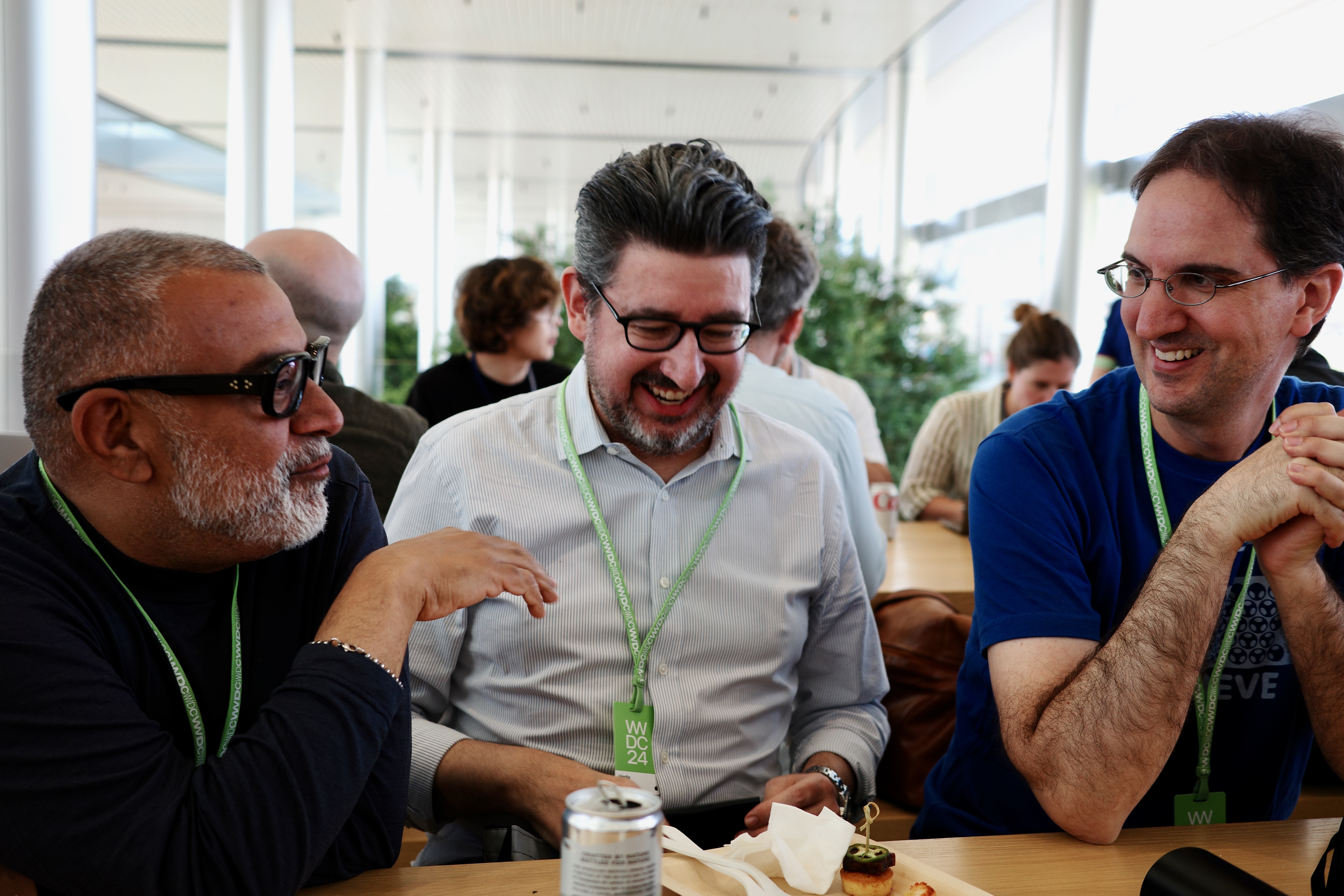
The outpouring of grief following Malik’s death underscores the depth of the void he leaves behind. To his peers, Malik was the antithesis of the insincere industry insider. He was known for his genuine warmth, his keen ability to cut through the "bullshit" of corporate PR, and his unparalleled gift for spotting potential in others.
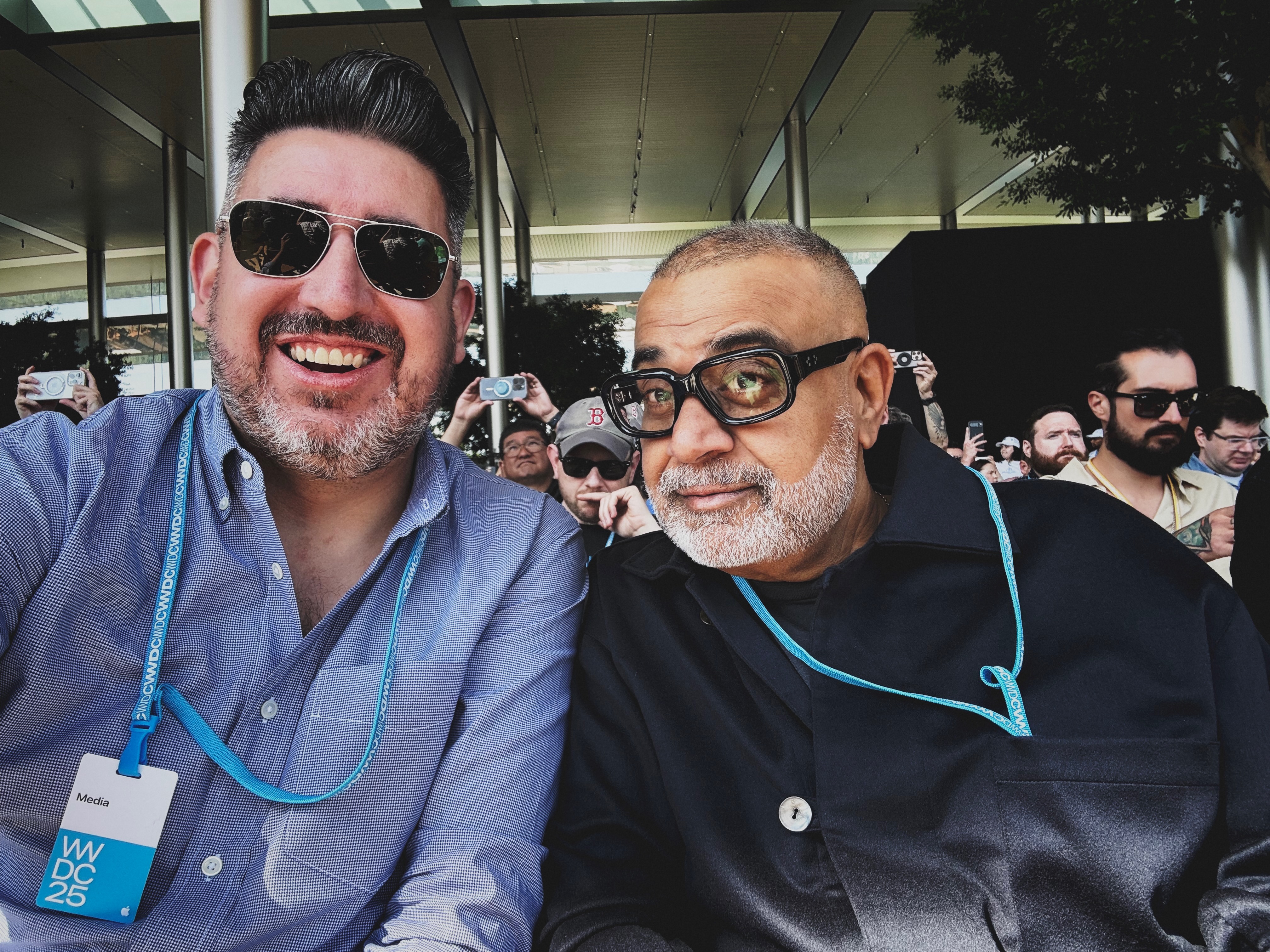
John Gruber, a longtime friend and colleague who frequently shared conference rows with Malik at Apple events, noted the irony of Malik’s condition: "It is a profound irony that a man with such a big and beautiful figurative heart could have such a lousy literal one."
Malik’s reputation was such that even after stepping away from daily reporting, he remained a fixture at exclusive Apple media briefings. His presence wasn’t just tolerated; it was sought after. He had an innate ability to lift the mood of any room, making even the most cynical tech critics smile.
The Human Element: Beyond the Keyboard
While the tech industry will remember Malik for his analysis of silicon and software, those close to him will remember his humanity. He was an avid photographer, a fan of exotic pens, and a man who sought excellence in all things—be it the quality of his coffee or the performance of the Yankees.
His love for the Yankees was not merely about winning; it was about the pursuit of excellence. He despised shortcuts and mediocrity, whether on the baseball diamond or in the boardroom. This commitment to principle made him a formidable critic. He never minced words, yet he remained universally loved—a rare feat in an industry often defined by its adversarial nature.
Implications for Future Tech Journalism
Malik’s passing signals the end of an era for independent tech media. He represented the bridge between the old guard of print journalism and the new, creator-led future of digital media. His career trajectory serves as a template for modern writers: the move from being a "news-cycle slave" to an "independent thinker" is a path that many now strive to emulate, but few can navigate with the grace and authority that Malik commanded.
As the industry grapples with the rise of AI and the increasingly fragmented nature of online discourse, the lessons of Malik’s career remain vital. He demonstrated that the most valuable commodity in journalism is not speed, but perspective. By choosing to focus on the "why" rather than the "what," Malik ensured that his work would remain relevant long after the news cycle moved on.
A Final Legacy
Even in his final weeks, while confined to an ICU bed at Stanford, Malik continued to write and analyze. His output during this period, unbeknownst to most, was among the best of his career.
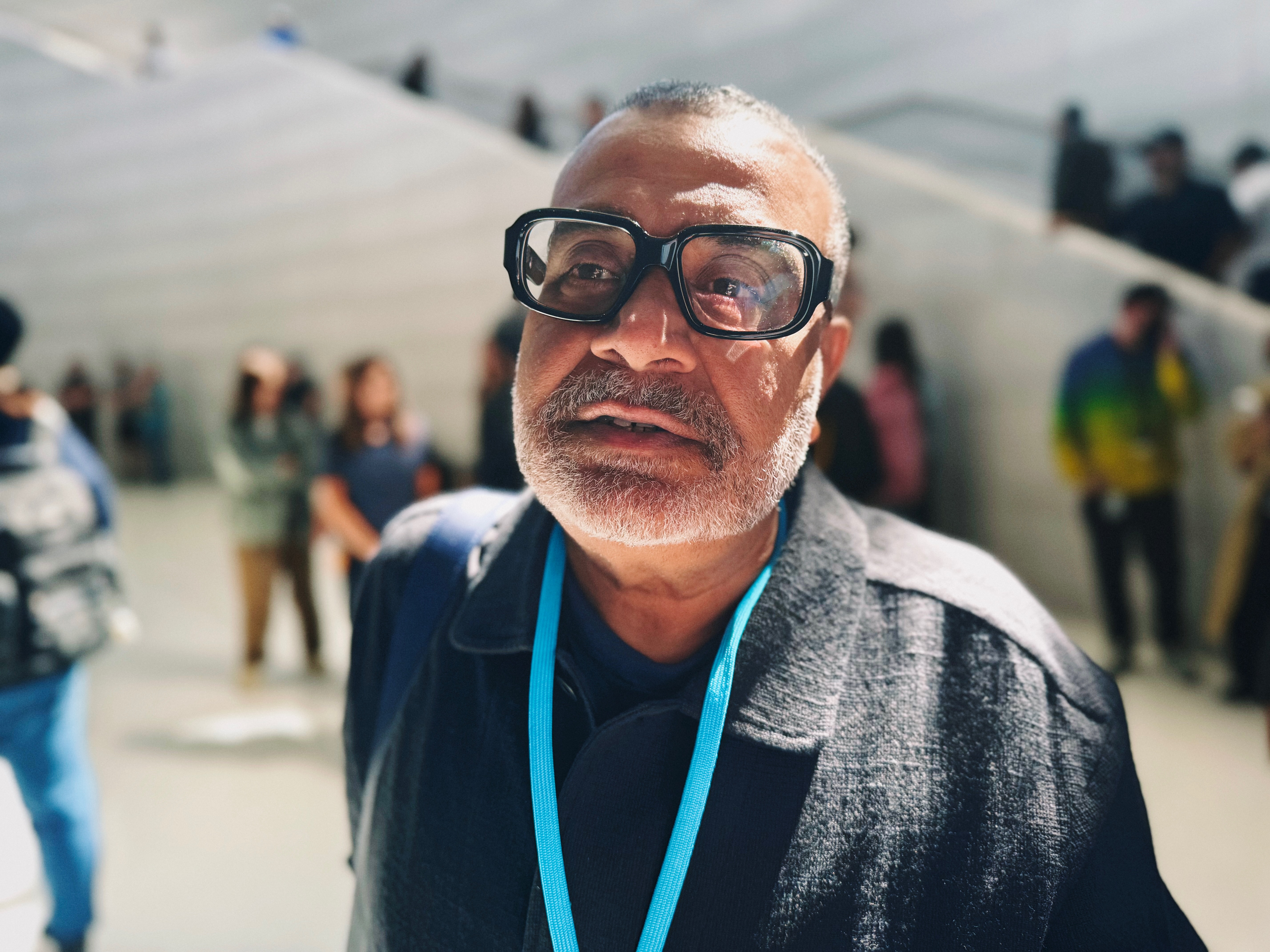
Om Malik was, in many ways, the "conscience" of the tech beat. He understood that the people behind the products were just as important as the products themselves. He didn’t just document the tech world; he inhabited it, elevated it, and humanized it.
As we look back on his contributions, it is clear that his legacy is not in the servers he covered or the startups he mentored, but in the community he fostered. He taught a generation of writers that you don’t need a legacy publication to be influential—you just need the courage to be yourself, the discipline to think deeply, and the generosity to lift others up as you climb.
He lived by the mantra that one must be busy being born rather than busy dying, and he stayed true to that, creating and connecting right up until the very end. The mold, as his colleagues say, was broken after he was made. He will be deeply missed.
 rifanmuazin
  Layla Zulfa
  Evan Lee Salim