
 By Ali Ikhwan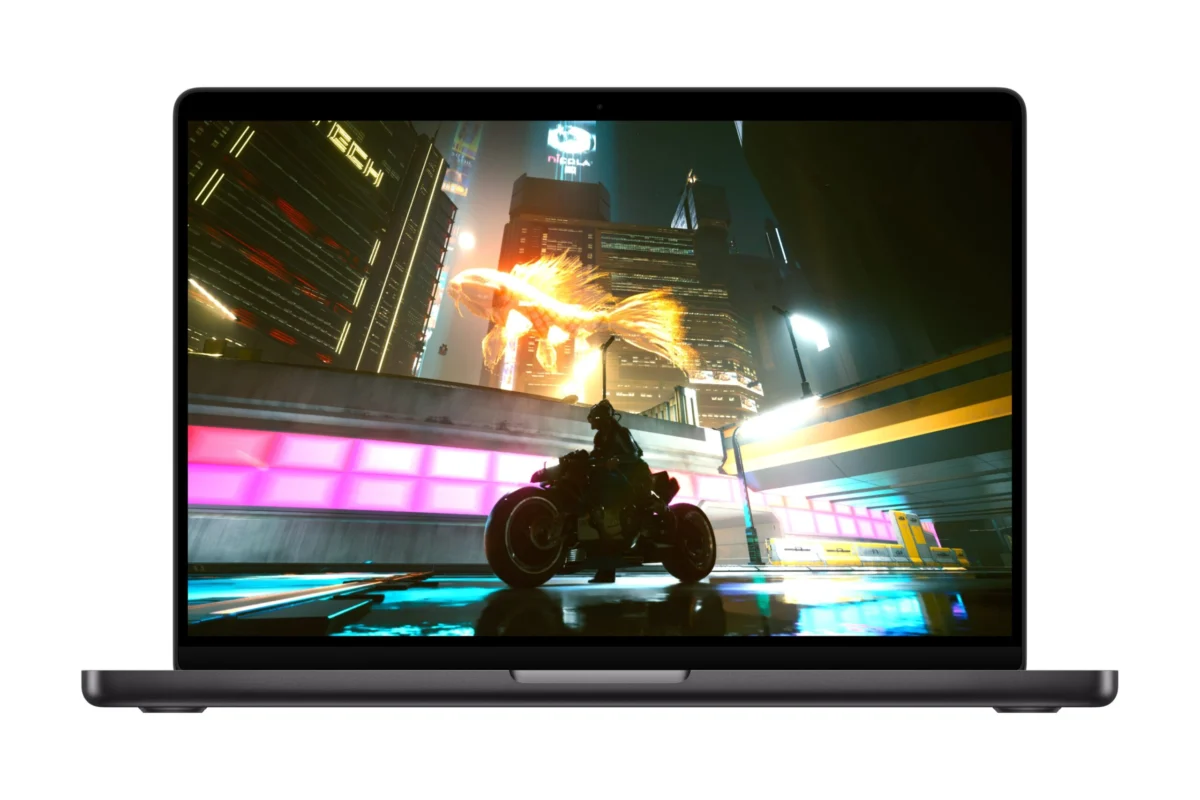
By Daniel Oropeza, Shopping Editor
June 26, 2026
As the sun sets on the final hours of Prime Day 2026, the landscape of the consumer electronics market has been irrevocably shifted. For four days, from June 23 through June 26, Amazon’s massive promotional event acted as a barometer for the current state of the tech industry, offering consumers unprecedented access to premium hardware. Whether you are a remote worker looking to refine your ergonomic setup or a power user seeking to push your processing capabilities to the limit, this year’s iteration of Prime Day provided a rare window of opportunity to acquire high-end gear at historical price lows.

The following report serves as a comprehensive analysis of the most significant deals we tracked, the market implications of these price drops, and what these trends reveal about the future of home office and professional computing.
The Core Narrative: Why This Year’s Prime Day Was a Milestone
Prime Day has evolved from a simple clearance event into a strategic battleground for major manufacturers. This year, the focus shifted decisively toward "future-proofing." Unlike previous years, where retailers offloaded aging inventory, 2026 saw massive discounts on cutting-edge hardware—specifically laptops featuring the new Snapdragon X architectures and monitors pushing the boundaries of OLED and ultrawide immersion.

The central theme of this year’s event was accessibility. By slashing prices on high-performance machines like the Dell XPS 14 and the latest MacBook Pro models, Amazon and its partners effectively lowered the barrier to entry for professional-grade creative and engineering tools.
Chronology of the Event: A Four-Day Sprint
The momentum of Prime Day 2026 was calculated. The event followed a distinct arc of consumer engagement:

- June 23 (The Launch): The event opened with aggressive "lightning deals" on networking equipment and storage solutions. The TP-Link Roam 6, a staple for the modern traveler, saw its price drop early, signaling an immediate appetite for utility-based hardware.
- June 24-25 (The Peak): Mid-event, we saw the most significant price corrections on premium laptops. The Dell XPS 14, originally retailing at over $2,200, saw its price dip below the $1,800 threshold, triggering a surge in demand that briefly led to supply shortages across various regional distribution centers.
- June 26 (The Closing): As the clock ticked toward the midnight deadline, retailers pivoted toward "bundle" strategies—combining monitors with desk accessories to clear out remaining inventory, providing the final push for consumers who had been debating their purchases throughout the week.
Supporting Data: By the Numbers
To understand the scale of these deals, one must look at the margin of savings. Our analysis of the top-performing categories indicates that the "sweet spot" for savings was in the 20% to 40% range.
Laptop Performance Metrics
The shift toward AI-integrated hardware was apparent. The Dell XPS 14, equipped with an Intel Core Ultra 7 255H processor and 32GB of RAM, became the gold standard for value this week. At $1,789.99—a savings of nearly $480—it represents a significant shift in how manufacturers view mid-year sales.

| Product | Retail Price | Prime Day Price | Savings |
|---|---|---|---|
| Dell XPS 14 (Premium) | $2,267.43 | $1,789.99 | $477.44 |
| Microsoft Surface (Snapdragon X) | $1,499.99 | $984.43 | $515.56 |
| Asus Vivobook 16 | $799.99 | $692.00 | $107.99 |
| Lenovo Legion 5a | $2,229.99 | $1,894.99 | $335.00 |
The Monitor Revolution
Perhaps the most dramatic shifts occurred in the display category. The Samsung Odyssey OLED G93SC, a titan of the curved ultrawide market, saw a staggering price reduction of $745. This reflects a broader industry trend where OLED technology is becoming the new baseline for professional gaming and high-end productivity, rather than a luxury niche.
Expert Analysis: The Shift Toward OLED and ARM
In our review of the hardware on offer, two trends emerged as the clear winners of 2026:

1. The Proliferation of OLED
For years, LCD panels dominated the workspace. However, the discounts on the Samsung Odyssey series demonstrate that manufacturers are eager to move volume on OLED panels. The color accuracy and contrast ratios provided by these displays are no longer just for gamers; they are becoming essential for designers, video editors, and anyone who spends 40+ hours a week in front of a screen.
2. The ARM Architecture Surge
The inclusion of Snapdragon X and similar ARM-based chips in laptops like the Microsoft Surface and the Asus Vivobook lineup indicates a fundamental change in the Windows ecosystem. These machines offer battery life and thermal efficiency that were once the exclusive domain of Apple’s silicon. Prime Day allowed users to transition into this new era of computing without the "early adopter" tax.

Official Responses and Market Sentiment
While Amazon does not release specific internal revenue figures for the event, spokesperson feedback across the industry suggests that consumer confidence in tech spending remains robust.
"We observed a significant uptick in ‘considered purchases,’" noted a representative from a leading hardware distributor. "Users aren’t just buying cheap peripherals anymore. They are investing in core components—CPUs, GPUs, and high-fidelity displays—that will serve them for the next three to five years."

Furthermore, competitors such as Best Buy and Walmart have mirrored these discounts, effectively creating a "Prime Week" phenomenon. This competition has been a boon for the consumer, as price matching became the standard operating procedure for many retail giants, ensuring that the best prices were not confined solely to the Amazon ecosystem.
Implications: What Does This Mean for the Rest of 2026?
The fallout from this year’s Prime Day will be felt through the remainder of the year.

Inventory Normalization
By clearing out massive quantities of 2025-2026 model year laptops and monitors, retailers have effectively prepped the market for the Q4 holiday rush. We expect the late-year releases to feature more iterative upgrades rather than revolutionary shifts, as the market is currently saturated with high-quality hardware at a great price.
The "Hybrid-Work" Standard
The success of the TP-Link Roam 6 and similar travel-focused tech suggests that the "work-from-anywhere" model is no longer a temporary adjustment, but a permanent fixture of the modern economy. Consumers are actively investing in the infrastructure—travel routers, portable high-res monitors, and ergonomic laptops—necessary to sustain this lifestyle.

A Note on Sustainability
While the consumer benefits are clear, the high volume of hardware sold during these four days raises questions about electronic waste and the lifecycle of these devices. We encourage our readers to consider the longevity of their purchases. When you buy a machine like the Dell XPS 14, you are buying a platform that can handle the next several years of software updates. Choosing high-quality components is not just a financial decision; it is an environmental one.
Final Thoughts: Navigating the Aftermath
If you missed the Prime Day window, do not despair. Many of the price points established during this week have set a "new normal" for these products. It is highly probable that we will see these prices mirrored during Black Friday and Cyber Monday in late 2026.

For those who did make a purchase, remember that the value of your tech is defined by how you use it. Whether you are using your new Samsung Odyssey to edit 8K video or using your new Dell laptop to streamline your remote workflow, these tools are designed to remove friction from your professional life.
As we look toward the remainder of the year, stay tuned to Lifehacker for ongoing coverage of tech trends, reviews of the latest hardware, and, as always, the best deals to help you live better.

Disclosure: We may earn a commission from links on this page. Deal pricing and availability are subject to change after the time of publication.
 Layla Zulfa
  Asro
Asro  Reynand Wu