
 By Asro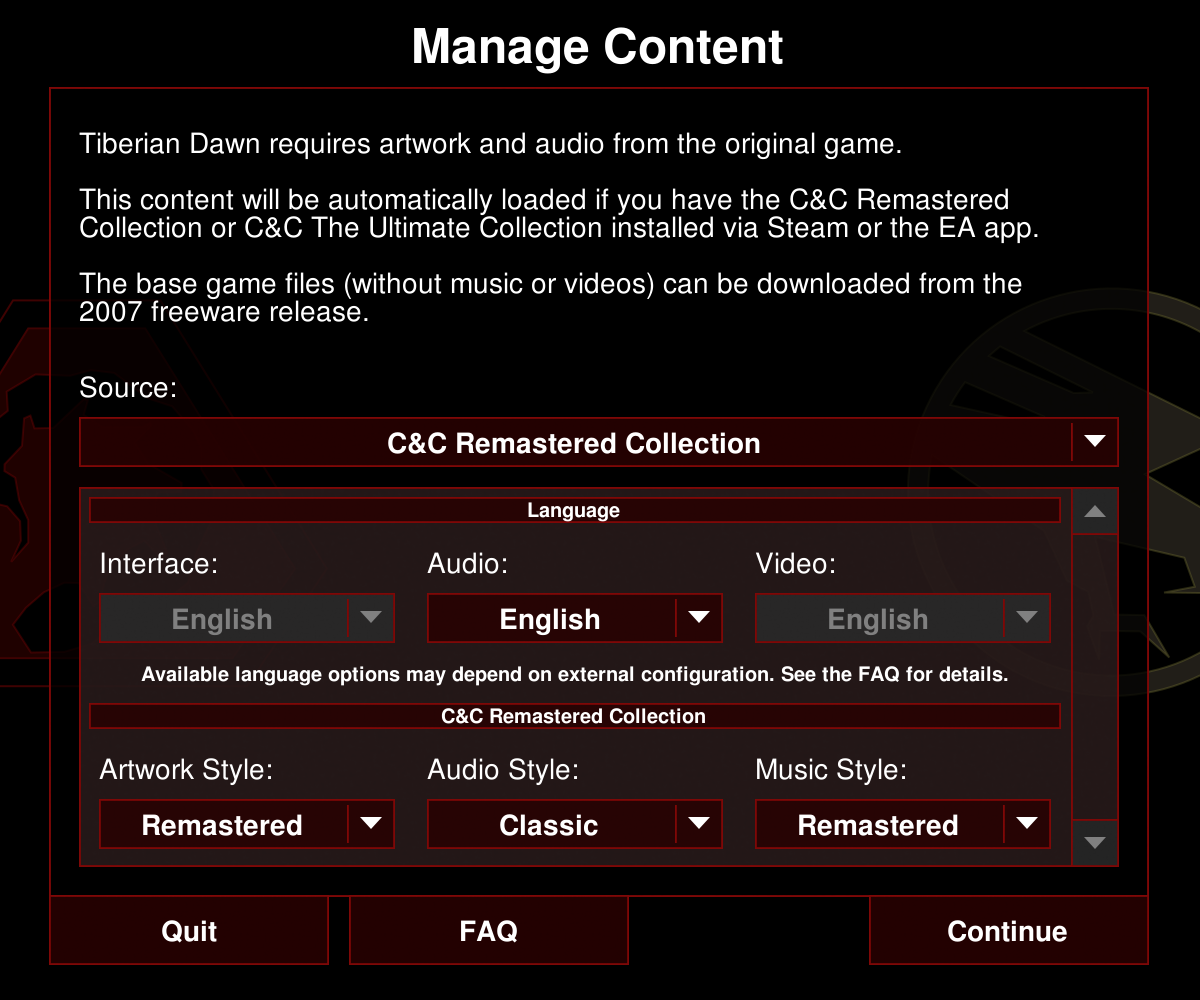
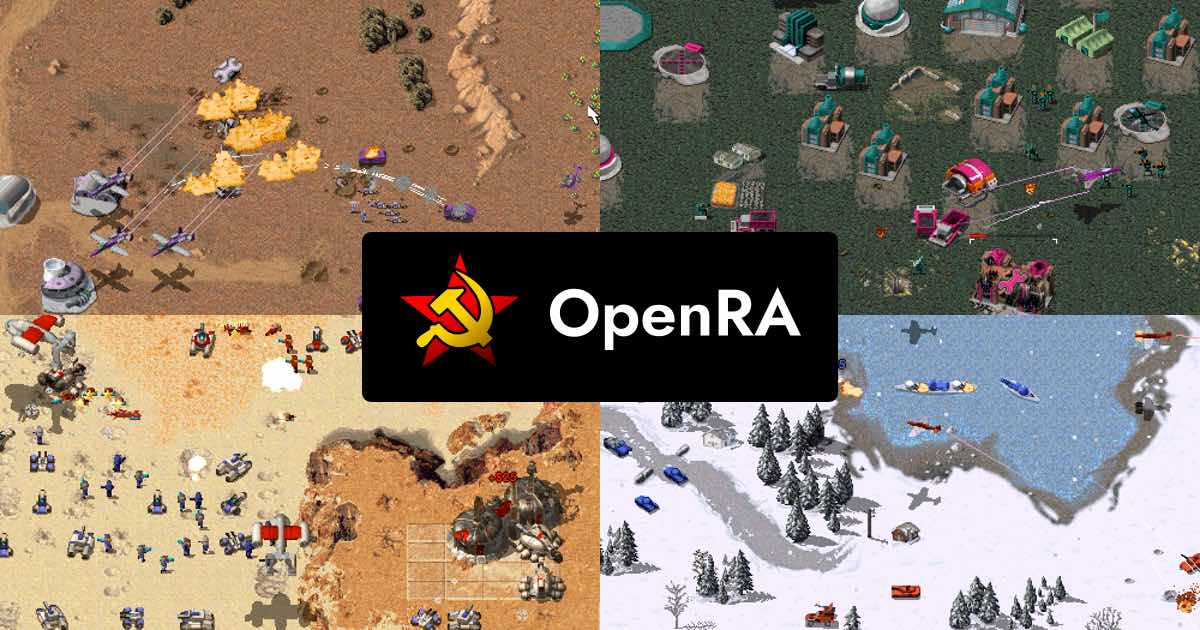
The OpenRA project, the open-source engine dedicated to recreating and modernizing classic real-time strategy (RTS) titles, has once again pushed the boundaries of its capabilities. With the release of the playtest-20260222 build, the development team has introduced a suite of features that fundamentally alter the landscape of Red Alert, Tiberian Dawn, and Dune 2000. This update marks a significant milestone in the project’s history, emphasizing procedural generation, visual fidelity, and community-driven balance.
The Core Developments: A New Era of Procedural Design
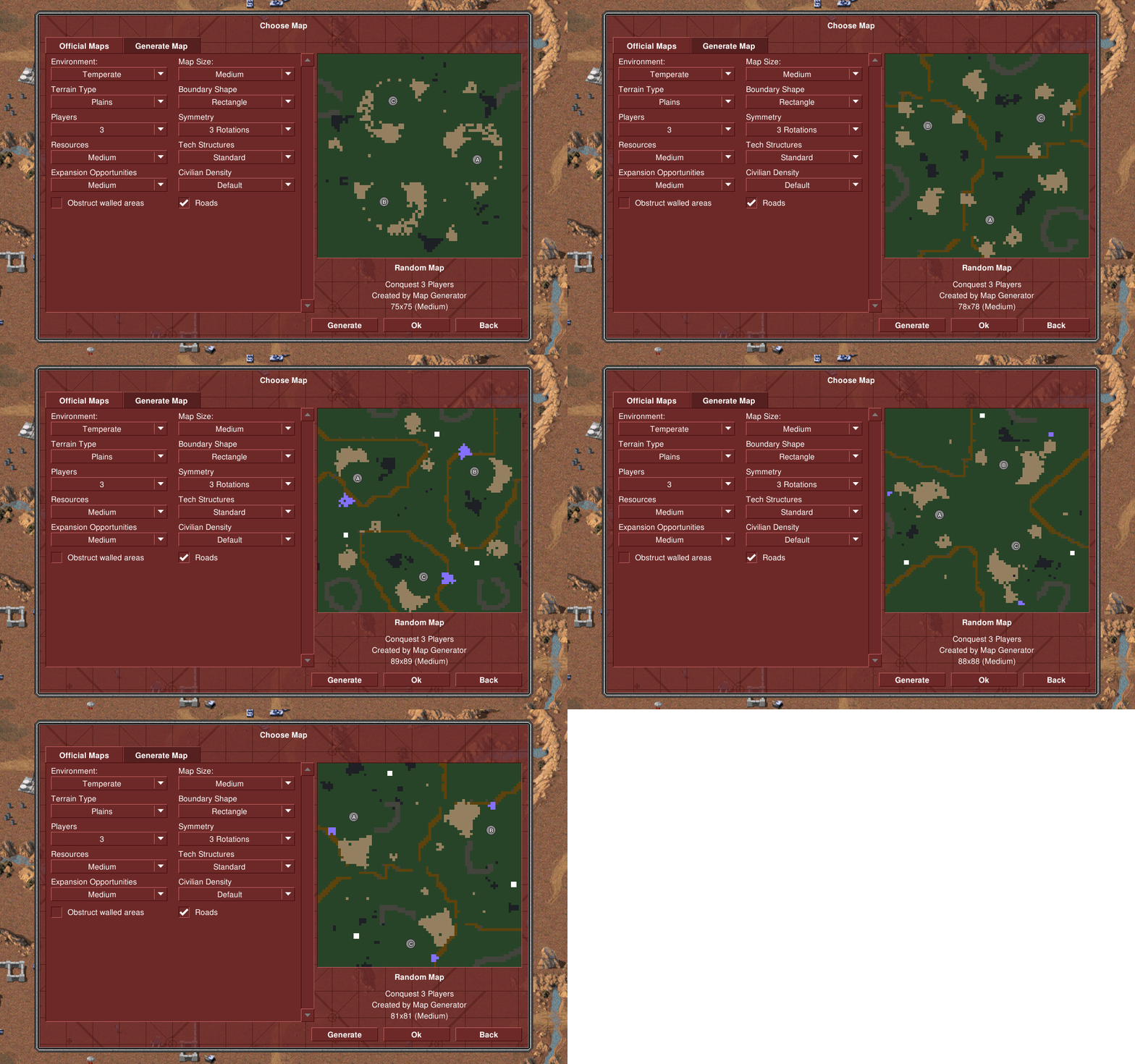
At the heart of the latest playtest lies the introduction of sophisticated random map generators. For years, the RTS community has relied on static maps, which, while iconic, can become predictable. By implementing a dynamic generation system that accounts for biome selection, player counts, and tactical symmetry, OpenRA is effectively extending the lifespan of its supported titles indefinitely.
Whether a player is engaging in a high-stakes multiplayer skirmish or testing their mettle against the AI, these generated maps offer a level of replayability previously unavailable in the engine. Users can now tweak parameters such as resource density and terrain complexity, ensuring that no two matches feel identical. The engine’s ability to handle these calculations in real-time without compromising performance is a testament to the ongoing optimization efforts of the OpenRA contributors.
Chronology of the Update: From Concept to Implementation
The journey to playtest-20260222 did not happen overnight. The development cycle for this specific build reflects a methodical approach to feature integration that has characterized OpenRA since its inception.
- Early 2025: Initial architectural discussions regarding procedural map generation began in the developer Discord, focusing on the potential for integrating noise-based terrain algorithms.
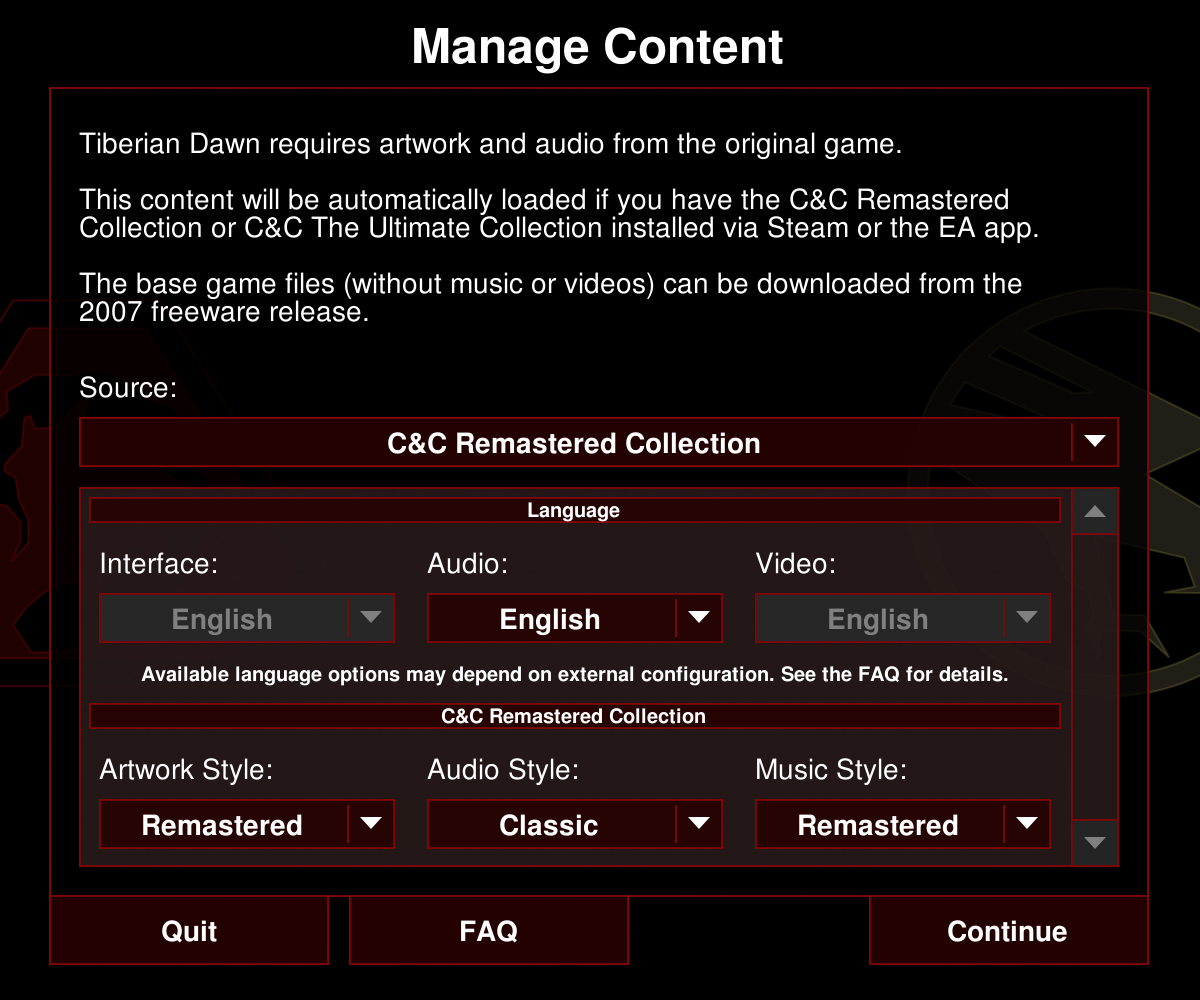
- Mid-2025: The Tiberian Dawn HD mod project gained momentum, necessitating a new content manager that could handle the high-resolution assets from the C&C Remastered Collection.
- Late 2025: Community-led balance testing for Dune 2000 reached a critical mass, with dozens of players providing telemetry data to the development team to refine unit interaction.
- February 2026: Final integration of the "Path Tiler" tool for the map editor, providing creators with a streamlined interface for placing environmental assets like cliffs and roads.
This timeline highlights the project’s shift from merely "emulating" the past to "expanding" upon it. By incorporating community feedback at every stage, the developers have ensured that the changes resonate with both long-term veterans and newcomers.
Supporting Data: Enhancing the Dune 2000 Experience
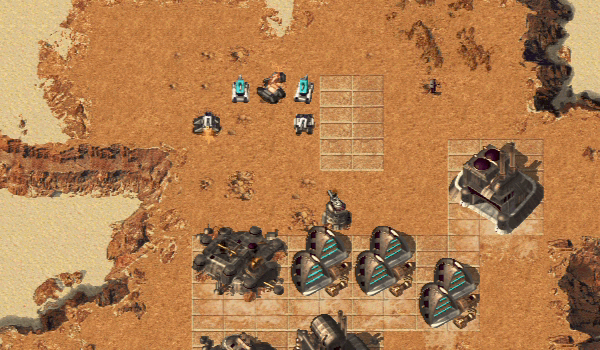
Dune 2000 has arguably received the most dramatic "glow-up" in this update. The engine has been updated to support modern visual effects for the iconic Sonic Tank, replacing older, static animations with fluid, high-fidelity particle effects that better reflect the devastation of sonic weaponry. Furthermore, the introduction of "bulk purchase" logic for the Starport addresses a long-standing quality-of-life complaint, allowing players to manage their logistics with greater efficiency.
Beyond the visuals, the balance overhaul for Dune 2000 is supported by extensive data-driven adjustments. By analyzing thousands of match replays, the developers identified specific unit tiers that were underperforming or dominating the meta. The resulting changes represent a "community-led" philosophy, where the collective intelligence of the player base was distilled into actionable code. The single-player campaign has also been re-tuned, with difficulty curves smoothed out to ensure that the narrative experience remains challenging yet accessible.
The Tiberian Dawn HD Milestone: Bridging the Gap
One of the most ambitious aspects of the OpenRA project is the integration of the C&C Remastered Collection assets into the Tiberian Dawn engine. The current release sees the Tiberian Dawn HD standalone mod reach a state of "feature completeness."
The standout feature here is the new content manager. Players can now toggle between classic 1995-era aesthetics and the modern, high-definition assets with a simple click. This serves as a bridge for players who appreciate the nostalgia of the original game but desire the crispness of modern rendering. While the Tiberian Dawn HD project remains a standalone entity for this playtest, the development team has confirmed that they are in the final stages of merging this content into the core OpenRA engine. This integration is expected to be the centerpiece of the next major release, potentially standardizing HD asset support across all supported titles.
Official Responses and Developer Insights
In a statement regarding the release, lead maintainers emphasized that the goal of this playtest was not merely to add content, but to "modernize the RTS experience while respecting the soul of the original designs."
"The random map generator was perhaps our most requested feature," noted one core developer in the community forum. "By allowing the engine to handle the heavy lifting of map creation, we have empowered our map-making community to focus on creativity rather than manual placement. The ‘Path Tiler’ tool is a direct result of listening to the frustrations of our map editors—we wanted to remove the tedious aspects of level design so they could focus on the fun."
The team also highlighted the importance of the community feedback loop. The decision to overhaul the balance of Dune 2000 was not made in a vacuum; it was the result of extensive discourse on the OpenRA Discord and GitHub issue trackers. By maintaining an open-source development model, the team ensures that the game evolves in a direction that aligns with the needs of the competitive scene.
Implications for the RTS Genre
The implications of this update for the broader real-time strategy genre are significant. OpenRA continues to prove that open-source engines can compete with—and in some cases, exceed—the functionality of modern commercial titles. By providing a stable, highly extensible engine, the project provides a blueprint for how legacy games can be preserved and updated for a new generation.
The success of the Tiberian Dawn HD integration, in particular, suggests a future where engine-level support for modding becomes the standard. If OpenRA can successfully merge high-definition remaster assets into its core engine, it could open the door for similar projects to revitalize other classic franchises that have been left behind by their original publishers.
Looking Forward: How to Participate
The playtest-20260222 is currently live and available for download via the official OpenRA website. The development team is actively encouraging all players to engage with the new features, particularly the random map generators, and report any bugs or balance anomalies through the official channels:
- GitHub: For tracking technical issues and bug reports.
- Discord: For real-time community discussion and balance feedback.
- Official Forum: For long-form suggestions and documentation discussions.
As the project moves toward the final merge of the Tiberian Dawn HD assets, the community can expect further refinements to the UI and engine stability. The current playtest is a snapshot of an evolving ecosystem—a testament to what happens when a passionate community is given the tools to reshape the games they love. Whether you are a veteran of the original Command & Conquer titles or a player discovering these classics for the first time, this update offers a compelling reason to jump back into the fray.
With these developments, OpenRA is not just preserving history; it is actively creating a new chapter for the real-time strategy genre.
 rifanmuazin
  Layla Zulfa
  Evan Lee Salim