
 By Asep Darmawan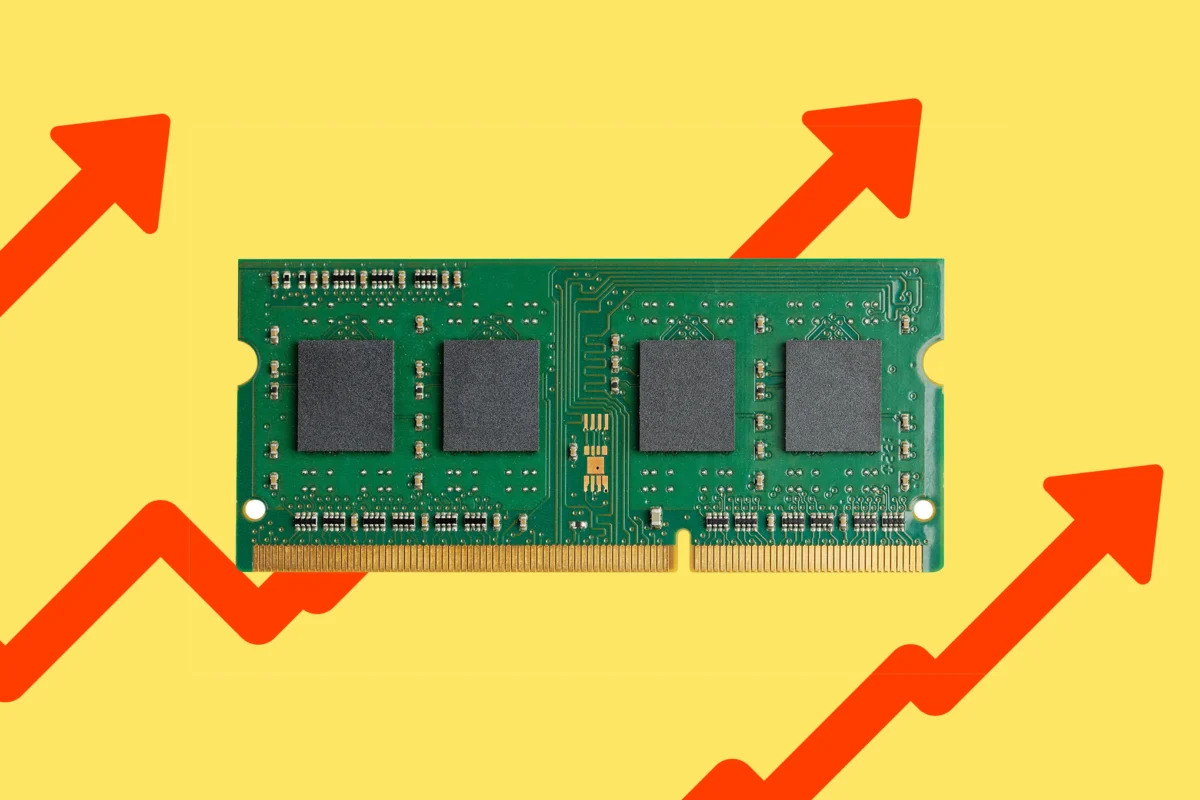
By Terrence O’Brien
Updated: June 27, 2026, 5:28 PM UTC
In a move that underscores the desperate state of the global semiconductor market, Apple is reportedly lobbying the Trump administration for an exemption to procure RAM components from ChangXin Memory Technologies (CXMT). The Chinese manufacturer, which has been identified by the Pentagon as having deep ties to the People’s Liberation Army (PLA), currently sits in a precarious position within the US regulatory framework. For Apple, the decision to seek this partnership is a calculated response to the soaring costs of memory and storage that have forced the tech giant to increase retail prices across its entire hardware lineup this week. However, the pursuit of this supply chain relief carries profound reputational and political risks that could redefine the company’s relationship with Washington.
The Core Dilemma: Supply Chain Pressure vs. National Security
The global electronics industry is currently grappling with a severe shortage of high-performance memory. As demand for AI-integrated hardware and advanced computing power spikes, the traditional supply chains—long dominated by South Korean and American firms—have struggled to keep pace.
For Apple, which prides itself on its massive scale and supply chain efficiency, the rising cost of RAM and flash storage has become an existential headache. By turning to CXMT, Apple aims to diversify its procurement, effectively bypassing the price gouging and scarcity currently plaguing its traditional partners.
While Apple is not currently under a blanket legal prohibition against purchasing from CXMT, the company’s involvement with a firm labeled a "military-industrial complex" entity by the Department of Defense is far from standard business. The Biden-era restrictions, largely maintained and expanded under the current administration, were designed to decouple American technology companies from Chinese firms that contribute to Beijing’s military modernization. Engaging with CXMT threatens to pull Apple into the center of a brewing cold war over critical technology.
A Chronology of Conflict: From Trade Negotiations to Lobbying
To understand why Apple is willing to risk a political firestorm, one must look at the recent history of US-China trade relations.
- 2023–2024: The US Department of Commerce identified CXMT as a potential candidate for the "Entity List," a move that would have effectively barred US companies from doing business with the chipmaker. However, the designation was deferred as the White House engaged in delicate trade negotiations with Beijing, hoping to avoid a full-scale disruption of the consumer electronics sector.
- Early 2026: Memory prices began to climb at an unprecedented rate, exacerbated by geopolitical instability and raw material shortages. Apple began feeling the pinch on its profit margins for the iPhone and MacBook lines.
- June 2026: Apple officially requested an administrative exception to allow it to utilize CXMT components. The request coincided with widespread price hikes on Apple’s product catalog, signaling to investors that the company could no longer absorb the escalating cost of goods.
- June 27, 2026: News of the request surfaced, triggering immediate backlash from lawmakers on Capitol Hill and forcing the White House to confront the reality of its own trade policies.
Supporting Data: The Cost of Global Interdependence
The motivation behind this request is rooted in hard data. Throughout the first half of 2026, the price of DRAM (Dynamic Random Access Memory) has risen by nearly 40% compared to the same period last year. For a company that ships hundreds of millions of units annually, a price hike of this magnitude is not merely a line-item concern; it is a fundamental threat to the company’s business model.
Market analysts suggest that while domestic US production of semiconductors is growing under the CHIPS Act, the infrastructure is not yet mature enough to meet the high-volume requirements of the consumer electronics giants. By integrating CXMT, Apple would potentially stabilize its supply costs, but it would do so by relying on a manufacturer that has benefited from extensive Chinese state subsidies—subsidies designed specifically to challenge Western dominance in the memory market.
Official Responses and Political Blowback
Apple’s leadership, particularly CEO Tim Cook, has spent years attempting to maintain a diplomatic equilibrium between Cupertino and Washington. Cook’s strategy has been highly visible: he has frequently presented the Trump administration with symbolic gestures, ranging from high-profile technology showcases to participation in politically charged events like the recent screening of the film Melania.

Despite this "bridge-building" effort, the response to the news of the potential CXMT partnership has been swift and overwhelmingly negative. John Moolenaar, the Republican chair of the House China committee, issued a blistering statement regarding the potential deal.
"Apple choosing to partner with a Chinese military company would be a grave mistake," Moolenaar told the Financial Times. "Helping the [Chinese Communist Party] succeed in its plans to dominate critical supply chains will make our country’s tech industry and economy more dependent on China at a time when we must build secure tech supply chains with our allies."
The critique highlights a growing consensus in Congress: that economic convenience must no longer take precedence over national security. For a company that has championed its "Made in America" initiatives and environmental sustainability, the "Made in China" label on a core component linked to the PLA could prove to be a PR disaster of significant proportions.
Strategic Implications: The Future of Tech Sovereignty
The outcome of Apple’s petition will serve as a bellwether for the future of the global tech industry. If the Trump administration grants the exemption, it signals that the current White House is willing to prioritize short-term inflation control and corporate profitability over the broader strategy of technology decoupling. It would also set a precedent for other American tech giants—such as Microsoft, Dell, and HP—to request similar exceptions.
Conversely, if the administration denies the request, it forces Apple into a corner. The company would be left with two difficult choices: continue to pay premium prices to non-Chinese suppliers, thereby eroding shareholder value, or invest heavily in a localized, non-Chinese supply chain that could take years to yield results.
Furthermore, the situation raises questions about the definition of "American" tech. As hardware becomes increasingly modular and globalized, the ability to ensure that every component is sourced from an "allied" nation is becoming an engineering and economic impossibility.
The Regulatory Path Forward
The Commerce Department now finds itself in a position where it must balance the requests of the world’s most valuable company against the national security hawks who view any interaction with CXMT as a betrayal of US interests. The decision will likely involve a deep review of how much of Apple’s technology would be exposed to the Chinese manufacturer, and whether the inclusion of these chips could introduce security vulnerabilities—or "backdoors"—into Apple’s tightly controlled ecosystem.
As the industry watches, the question remains: Can Apple successfully decouple its bottom line from the geopolitical tensions of the 21st century? Or has the era of frictionless global trade finally come to an end, replaced by a reality where every microchip carries the weight of a national policy?
For now, the silence from the White House is deafening. While the administration weighs the economic necessity of keeping Apple’s prices stable against the political imperative of being tough on China, the tech giant finds itself in the most unfamiliar of positions: waiting, as a pawn in a game that is far larger than the next iPhone release.
 Raul Delapena Setiawan
  Siti Muinah
  Asro
Asro 