
 By Sagoh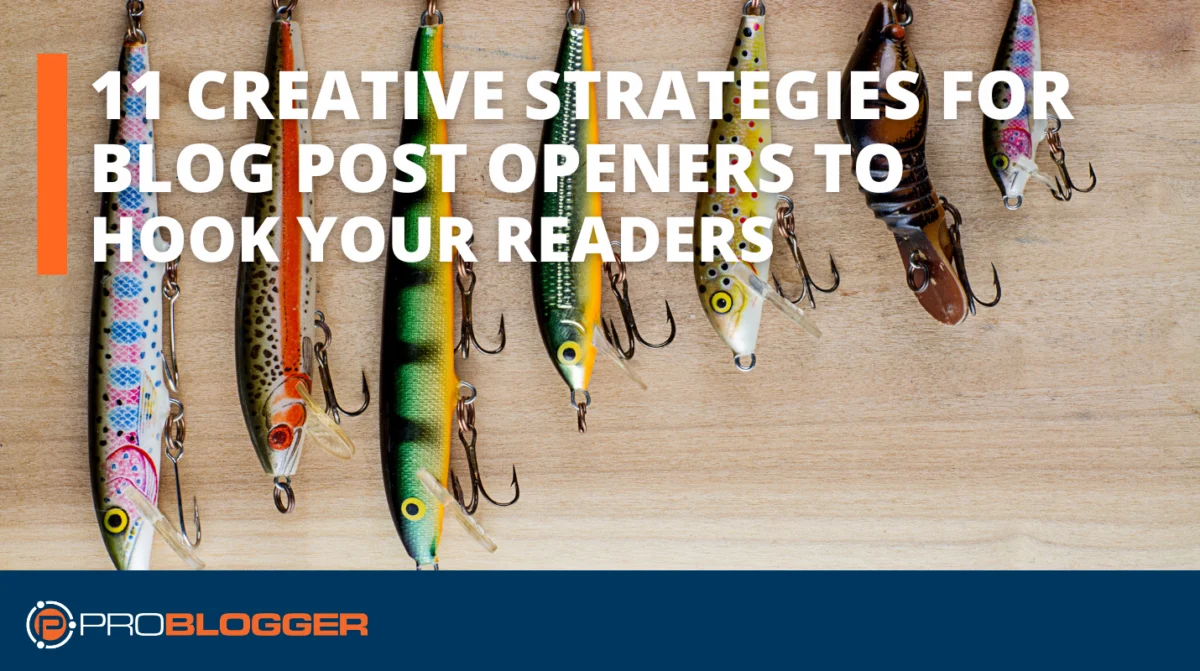
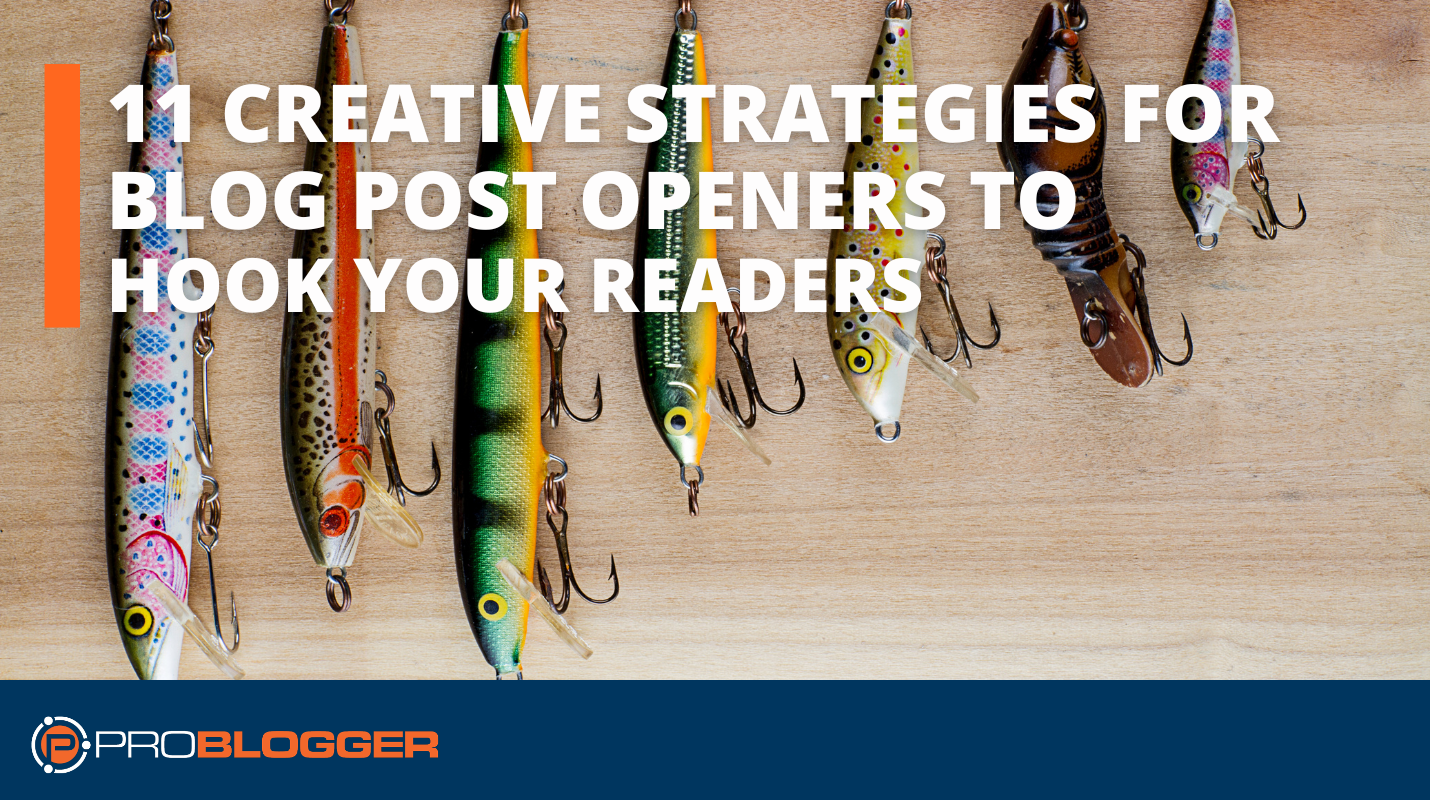
In the digital landscape, where the average human attention span is reportedly shorter than that of a goldfish, the battle for a reader’s focus is won or lost in the first few seconds. While a headline acts as the gatekeeper, it is the opening line that serves as the bridge, inviting the reader into the heart of the narrative. For content creators, bloggers, and digital marketers, mastering the art of the "hook" is no longer a luxury—it is a fundamental requirement for survival.
The Anatomy of Engagement: Why Opening Lines Matter
When you sit down to draft a post, you are competing against a cacophony of digital noise: social media notifications, urgent emails, and an endless scroll of competing content. The opening line is your primary weapon against the "back button."
Consider a personal anecdote: Imagine someone introduces themselves by calling you by the wrong name. It is jarring, memorable, and immediately forces you to pay attention. In writing, your opening line functions similarly. If your headline draws the reader to the door, your opening line must be the welcoming gesture that pulls them inside. If the headline is the most important component of your post, the opening line is the definitive second, tasked with the singular goal of driving the reader to the third, fourth, and fifth sentences.
11 Proven Strategies to Captivate Your Audience
To move beyond the mundane and create content that resonates, creators must employ deliberate structural techniques. Below are 11 strategies designed to hook, engage, and retain readers.
1. Identifying the Reader’s Pain Point
The most effective way to build rapport is to show that you understand the reader’s struggle. By pinpointing a specific need or problem in the opening, you signal to the reader that this post is a solution, not just filler. When you articulate a frustration that the reader experiences, you establish instant credibility. You do not need to provide the answer immediately; you simply need to promise that the resolution is coming.
2. The Power of the "Yes" Question
Copywriters have long utilized the "Yes" technique to prime the reader’s mind for agreement. By asking a question that forces an internal "yes," you create a psychological "buy-in." Once a reader agrees with your premise, they are significantly more likely to continue reading to see how you validate their perspective.
3. Posing Intriguing Questions
Curiosity is a powerful motivator. A well-crafted question that hints at a revelation or a hidden truth acts as an intellectual itch that the reader feels compelled to scratch. These questions should not be mundane; they should be provocative enough to promise a journey of discovery.
4. Leveraging the Element of Surprise
Pattern disruption is essential in a world of repetitive content. Starting with an unexpected fact, a counter-intuitive statement, or a personal anecdote can "snap" a reader out of their passive scrolling state. When you break the expected mold, you signal that the upcoming content is unique, warranting a higher level of focus.
5. Storytelling and Analogies
Human beings are hardwired for stories. An opening that introduces a narrative—whether personal or illustrative—immediately lowers a reader’s defenses. Analogies, in particular, are excellent for translating complex or abstract concepts into something tangible and relatable. By switching genres from a formal article to a narrative, you provide a refreshing change of pace that keeps the reader invested.
6. The Bold Claim
If you have the data to back it up, starting with a bold assertion is a high-reward strategy. Whether you are promising to solve a massive industry problem or sharing a significant personal achievement, a strong claim creates high expectations. Readers are naturally drawn to success stories and authoritative declarations. However, a word of caution: the content must deliver on the promise, or you risk alienating your audience.
7. Stirring Strategic Controversy
While risky, a hint of controversy can be a magnet for engagement. By taking a clear, perhaps unconventional stance on a popular product or industry trend, you invite dialogue. Readers who agree will feel validated, while those who disagree will be tempted to read on to formulate a rebuttal. Both reactions serve the same goal: high engagement.
8. Painting a Vivid Picture
Imagery isn’t just for photographs; it is for words as well. By using sensory language to paint a scene, you force the reader to use their imagination. This mental participation makes the content feel more personal and impactful, as it moves from being a set of facts to an experience the reader can "see."
9. Utilizing Startling Statistics
Numbers carry an inherent weight of authority. If you can lead with a statistic that highlights a massive gap in knowledge or a startling reality, you provide an immediate reason for the reader to care. "Only 1% of users achieve X" is a far more compelling hook than "Many people struggle with X."
10. The Wisdom of Quotations
A well-placed, evocative quote can lend immediate credibility to your post. It connects your work to a larger body of wisdom and sets a sophisticated tone. However, the quote must be relevant; using a generic inspirational quote can often feel like a cliché rather than a hook.
11. The Visual Hook
In an increasingly visual digital culture, sometimes the best opening is an image. An impactful, high-quality visual that tells a story on its own can often stop a reader mid-scroll. When paired with a strong headline, an image acts as the emotional anchor for the rest of the post.
The Implications of Engagement
The primary implication of mastering these techniques is a shift in your blog’s performance metrics. Increased engagement—measured by time-on-page, bounce rate reduction, and social sharing—is the direct result of a well-executed opening.
Furthermore, these strategies facilitate a deeper connection with your audience. When a reader feels "seen" through a well-identified pain point or "challenged" by a bold claim, they are more likely to return. This cycle of engagement is the foundation upon which authority is built.
Strategic Execution: A Note on Balance
It is important to note that these 11 strategies are tools, not mandates. Over-relying on a single technique—such as always starting with a question—can cause your audience to become "numb" to your style. The key to long-term success is variety and context.
Before you write your next post, take a moment to evaluate your goal. Are you looking to persuade, inform, or entertain? Once your objective is clear, select the "hook" that best aligns with that purpose.
Conclusion: The Path Forward
The journey toward crafting better blog posts is continuous. As you experiment with these opening lines, track your results. Observe which strategies lead to more comments, which drive more social traffic, and which simply feel more natural to your voice.
By treating the first few lines of your article with the same level of care as the headline itself, you elevate your content from a simple collection of words to a compelling narrative that demands attention. Start today—your readers are waiting for the reason to stay.
 Asep Darmawan
  Siti Muinah
  Azzam Bilal Chamdy