
 By Sagoh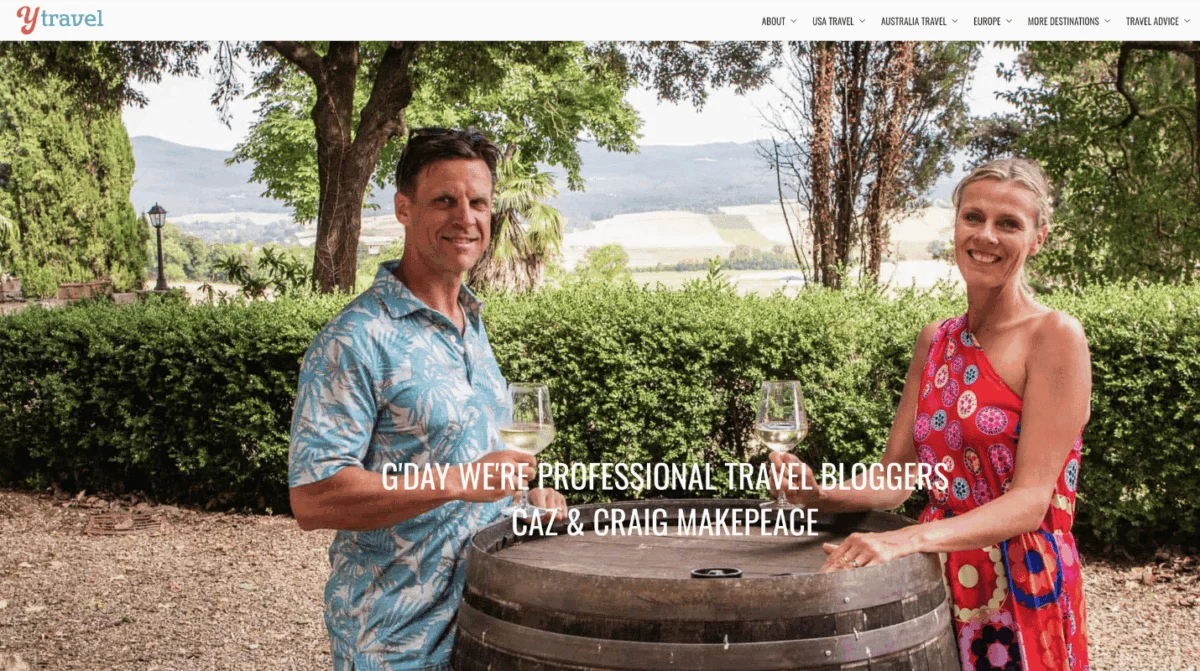
Many creators find themselves caught in a paradox: they follow every textbook rule of digital success, yet their growth remains stagnant. They produce well-researched, perfectly formatted content; they obsess over search engine optimization (SEO) algorithms; they master the technical intricacies of WordPress or Ghost. And yet, their traffic remains a trickle, and their audience engagement is non-existent.
If you are checking all the boxes but failing to see a return on your investment, the missing variable is almost certainly personality.
In an era of AI-generated content and saturated digital landscapes, the difference between a blog that is discovered and immediately forgotten and one that cultivates a loyal, thriving community is the human element. Your readers are not just looking for information; they are looking for a perspective. They want to connect with a voice that resonates with their own experiences, values, and quirks.
This article explores the strategies employed by ten elite bloggers who have turned their personal brands into pillars of their respective industries. By analyzing their methods, we can identify how to transform a generic website into a magnet for genuine connection.
The Anatomy of an Authentic Brand: Why Personality Wins
The shift in digital marketing has moved away from "content as a commodity" toward "content as a conversation." When a reader visits a site, they are making a subconscious decision within seconds: Do I trust this person? Does this person understand me?
Personalization is not just about posting a headshot; it is about creating a cohesive narrative across every touchpoint of your digital presence. The following case studies reveal the multifaceted approach taken by top-tier creators to humanize their platforms.

1. Visual Storytelling: The Power of Presence (YTravel)
Case Study: Caz and Craig, YTravel
Travel blogging is a hyper-competitive field, yet YTravel has remained a leader for years. The primary reason? They understand that travel is an emotional experience, not just a list of locations.
Caz and Craig utilize authentic, candid photography to document their family’s journey. Whether it is a messy "getting settled" post or a high-quality travel guide, the visuals always feature real, human emotions—smiles, exhaustion, and discovery.

- The Lesson: If your niche is lifestyle, travel, or food, professional stock photography will kill your brand. Readers crave the "imperfection" of real life. Use your imagery to document the journey, not just the destination.
2. Defining Your Identity: The "Flair" Factor (Pat Flynn)
Case Study: Pat Flynn, Smart Passive Income
Pat Flynn’s brand is a masterclass in transparency and relatability. He doesn’t hide behind a corporate logo; he places his identity front and center. Upon landing on his site, visitors are met with a clear description of who he is: a father, a husband, and an entrepreneur.
Crucially, he adds "flair"—the self-deprecating humor of calling himself a "protector of Baby Yoda." This signals to the reader that while the content is professional, the person behind the content is human and approachable.

- The Lesson: Don’t be afraid to list your roles outside of your business. It makes you a three-dimensional person, which fosters trust.
3. The Polarization Strategy: Establishing a Unique Tone (Shannon Kelly White)
Case Study: Shannon Kelly White
One of the most effective, yet risky, ways to stand out is to embrace a distinct, unapologetic voice. Shannon Kelly White utilizes salty, direct language that polarizes audiences.
While some might be put off by her style, those who do resonate with it become die-hard fans. By choosing a voice that is authentically her own, she filters out the wrong audience and builds a tight-knit community of those who appreciate her candor.

- The Lesson: Trying to appeal to everyone is a recipe for being invisible. Being yourself might alienate some, but it will create a stronger, more loyal connection with those who "get" you.
4. Visual Identity: Custom Illustrations (Blog Tyrant)
Case Study: Ramsey, Blog Tyrant
If you aren’t comfortable being the constant face of your blog, follow the path of the "Blog Tyrant." Ramsey utilizes a branded avatar—a superhero-esque character in a red shirt. This character is not just a logo; it’s an extension of the brand’s persona. It appears in banners, on landing pages, and in downloadable reports.
- The Lesson: A recurring character or mascot can be just as powerful as a human face for building brand recognition and consistency.
5. The "About Page" as a Conversion Tool (A Beautiful Mess)
Case Study: Elsie and Emma, A Beautiful Mess

Most bloggers treat the "About" page as an afterthought. Elsie and Emma treat it as a destination. When a reader likes a post, the first thing they do is check who wrote it.
Your About page should be a high-converting landing page. It should tell a story, provide a clear mission, and show the human side of the business. For these sisters, the page is bright, bold, and personal—exactly what their audience expects from their DIY content.
6. Omni-Platform Branding (Chris Ducker)
Case Study: Chris Ducker

Consistency is the bedrock of credibility. Chris Ducker uses the exact same photography, color palette, and tone across his blog, Twitter, Facebook, and LinkedIn.
When a user moves from a blog post to a social media feed, the brand experience shouldn’t change. This uniformity makes the brand feel larger, more established, and more reliable.
7. Psychological Impact of Color (Jadah Sellner)
Case Study: Jadah Sellner

Jadah Sellner’s site is an excellent example of using color psychology to reinforce a brand. Her site uses a warm, earthy palette that aligns with her mission and her personal aesthetic. Even her clothing in site photos matches the color scheme of the website, creating a seamless, professional experience that feels intentional and high-end.
8. The Clarity of a Brand Statement (SuperFastBusiness)
Case Study: James Schramko, SuperFastBusiness
The "Above the Fold" space on your website is prime real estate. James Schramko uses this space for a crystal-clear brand statement. It defines exactly what he does and exactly who his service is for.

- The Lesson: Don’t make the reader guess what you offer. A concise brand statement acts as a filter; it invites the right prospects in and encourages the wrong ones to move on, saving you time and increasing your conversion rate.
9. The "Call to Action" Shortcut (Kelly Exeter)
Case Study: Kelly Exeter
Complexity is the enemy of conversion. Kelly Exeter excels at guiding the reader from "just visiting" to "taking action." Her call-to-action (CTA) buttons are direct and simple. She doesn’t hide them behind complex email funnels or long-winded promises. She simply says: Find out here.
- The Lesson: If you have a service or a product, make the path to accessing it as frictionless as possible.
10. Audience Identification (Puttylike)
Case Study: Emily, Puttylike

The ultimate form of personalization is helping your reader identify themselves. Emily coined the term "Multipotentialite," giving her audience a name for their specific struggle.
By creating a identity around a concept, she turned a simple blog into a movement. She then reinforced this by using a quiz as a lead magnet. Quizzes are highly effective because they feel like an interactive, personal experience rather than a cold marketing tactic.
Implications for Your Strategy
What do these ten examples have in common? They all recognize that the reader is the protagonist of their own life, and the blogger is merely a guide.

The Chronology of Building Trust
- Phase One: Visibility. Using high-quality, authentic photography and consistent color branding to ensure you are memorable.
- Phase Two: Connection. Using a strong, unique tone and a compelling "About" page to humanize your digital footprint.
- Phase Three: Conversion. Using clear brand statements and intuitive CTAs to turn casual readers into a loyal audience.
Moving Forward
Personalizing your blog is not a one-time setup; it is an iterative process. It requires you to be brave enough to show your face, use your voice, and define your boundaries.
Ask yourself:
- Does my website reflect who I am in real life, or is it a sterile version of my business?
- If someone landed on my homepage, would they know exactly who I am and how I can help them within five seconds?
- What is the one "quirk" or aspect of my personality that I’ve been hiding that I could start sharing?
The future of blogging belongs to the humans. As AI continues to flood the internet with generic, optimized text, the premium will be placed on the creators who dare to be real. Start small—update your headshot, rewrite your bio, or change your CTA—but start today. Your audience is waiting for a connection, not just a link.
 Asep Darmawan
  Siti Muinah
  Azzam Bilal Chamdy