
 By Muslim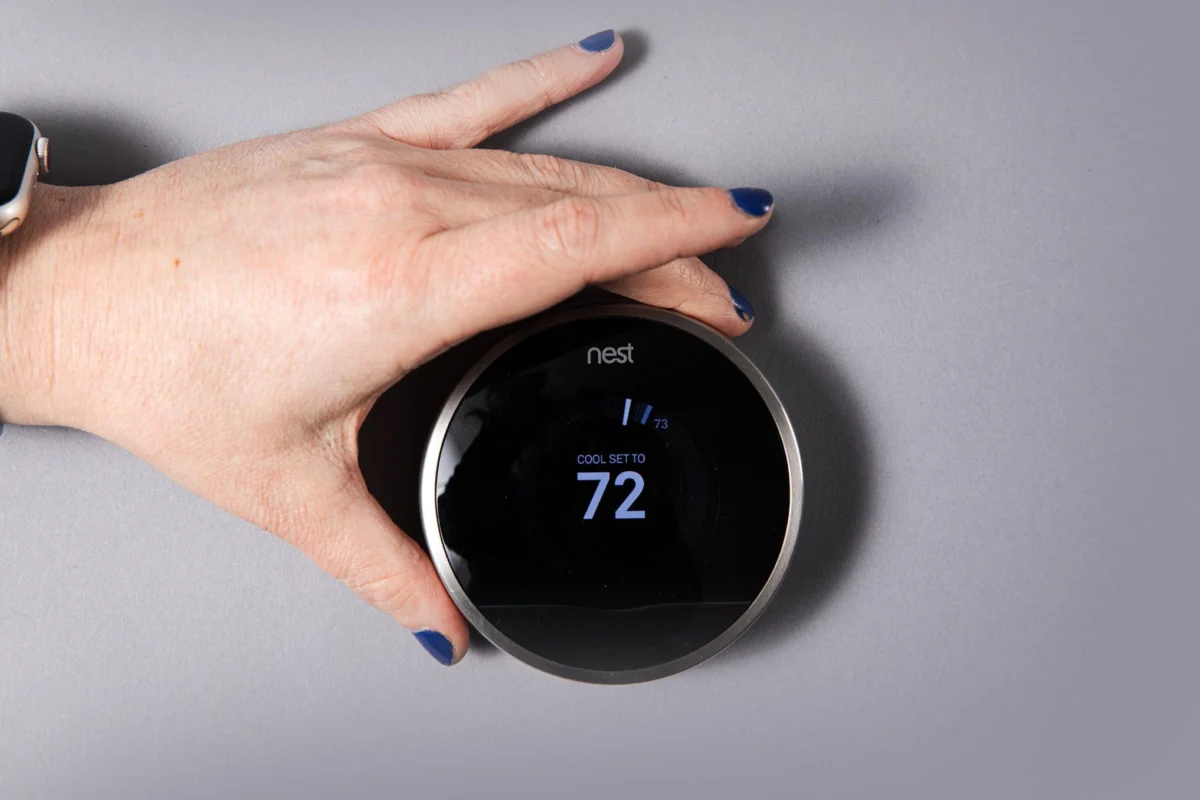
The story of the Nest Learning Thermostat has become a foundational myth in the annals of Silicon Valley. It possesses all the elements of a classic hero’s journey: a legendary architect of the digital age steps away from the pinnacle of success, only to be drawn back into the fray by a seemingly mundane, yet deeply broken, piece of consumer hardware. That architect was Tony Fadell, the "father of the iPod," and his target was the humble, neglected wall thermostat.
In the latest episode of Version History, The Verge’s David Pierce, Nilay Patel, and Jennifer Pattison Tuohy peel back the layers of this origin story. They examine how a device that once seemed like a radical, futuristic luxury transformed into the cornerstone of the modern smart home—a shift that fundamentally altered how we interact with the environments we inhabit.
The Genesis: A Legend Reclaims the Workbench
Following his tenure at Apple, where he played a pivotal role in the development of the iPhone and iPod, Tony Fadell famously intended to retire. He had navigated the intense, high-pressure crucible of Cupertino and had earned the right to step back. However, the catalyst for his return was domestic frustration.
While building a vacation home, Fadell discovered that the market for thermostats was stagnant. The devices available were either industrial-grade, overly complex, and ugly, or cheap, flimsy, and unintuitive. They lacked the design sensibility that had come to define the modern era of computing.
Fadell realized that the thermostat was the "brain" of the home’s HVAC system, yet it was treated like an afterthought. He envisioned a device that didn’t just record set temperatures but actually learned from the inhabitant’s habits. By applying the design-first philosophy of Apple to the domestic appliance space, Fadell aimed to create a product that was as elegant as it was efficient.
Chronology: From Garage Project to Global Icon
The evolution of Nest is a study in rapid iteration and the power of design-led product development.
2010: The Inception
Tony Fadell and co-founder Matt Rogers, another Apple alumnus, founded Nest Labs in 2010. The goal was simple but audacious: make the home "thoughtful." They operated in relative secrecy, building a team composed of engineers and designers who shared a common frustration with the status quo.
2011: The Launch
In November 2011, Nest unveiled the Learning Thermostat. It was an instant sensation. The hardware featured a stainless-steel ring, a high-resolution display, and a user interface that felt like a natural extension of the iPhone. It wasn’t just a gadget; it was a statement piece. The media fawned over it, and early adopters flocked to it, marking the beginning of the "smart home" era.
2014: The Google Acquisition
The success was so profound and the potential for data-driven home management so clear that Google acquired Nest Labs in 2014 for $3.2 billion. This was a watershed moment for the Internet of Things (IoT), signaling that the biggest players in tech saw the home as the next major battleground for consumer engagement.
The Integration Era
Post-acquisition, Nest expanded its product line to include smoke detectors, cameras, and security systems. While the journey wasn’t without its internal friction—notably regarding leadership shifts and organizational culture—the brand had successfully established itself as a household name.

The Dual Nature of Success: What Nest Got Right (and Wrong)
The genius of the Nest thermostat lay in its premise: it promised to save energy by learning user schedules, thereby reducing waste without requiring manual programming. In many ways, this promise held true. The device was a massive success in terms of brand recognition and user adoption. It introduced the concept of the "learning" appliance to the mainstream, effectively shifting the industry standard.
However, the reality was more complex. Critics and early users often pointed to a disconnect between the "smart" features and the realities of human behavior. For some, the automated scheduling was erratic; for others, the reliance on an internet connection meant that a router outage could turn a "smart" home into an inconvenient one.
Furthermore, the product was a "mixed bag" in terms of its technical reliability. While the industrial design was undeniably brilliant—famously shipping with a high-quality screwdriver that signaled a commitment to the user’s installation experience—the software ecosystem was still in its infancy. Nest essentially became the beta test for the entire smart home industry, exposing the limitations of early cloud-based automation.
Supporting Data: The Impact on Home Energy
The economic and environmental impact of Nest was a key selling point. By optimizing heating and cooling cycles, the company claimed significant savings for homeowners.
- Energy Efficiency: Studies conducted during the product’s early years suggested that homeowners could save between 10% and 15% on heating and cooling bills.
- Market Penetration: Within five years of its release, millions of units were installed globally, creating a massive dataset of residential energy usage.
- The "Learning" Metric: While some users disabled the learning features in favor of manual control, the aggregate data collected by Nest devices helped refine the algorithms used in modern climate control systems across the entire industry.
Official Responses and Industry Legacy
Throughout its history, the leadership at Nest—and subsequently, the executives at Google/Alphabet—maintained that the primary goal was to make the "home take care of the people inside it."
Tony Fadell, in various interviews, has consistently argued that the complexity of home infrastructure required a hardware-first approach. He posited that until the hardware was as intuitive as a smartphone, consumers would never truly embrace home automation. The legacy of Nest is arguably the normalization of this interface. Today, nearly every smart thermostat on the market—from Ecobee to Honeywell’s connected lines—owes a debt of gratitude to the design language established by the original Nest team.
Implications: The Future of the Connected Home
The Nest story is more than just a trip down memory lane; it is a blueprint for the current state of the smart home. It highlights the tension between convenience and control. As we move further into an era of AI-driven home management, the questions raised by Nest’s early days remain relevant:
- Privacy vs. Utility: As devices become more "intelligent," the amount of data they require about our daily lives increases. How do we balance the convenience of a home that knows when we are sleeping with the need for data security?
- Interoperability: One of the biggest hurdles Nest faced was the "walled garden" approach. Today, the industry is shifting toward standards like Matter, aiming to ensure that devices from different manufacturers actually speak the same language—a realization that arguably grew out of the fragmented landscape Nest helped create.
- The "Smart" Fatigue: The early days of Nest were characterized by excitement. Today, many consumers are wary of "smart" features that require frequent updates or subscriptions. The next generation of home technology must focus on reliability and "invisible" utility rather than novelty.
Conclusion: A Season of Reflection
As part of the current season of Version History, the deep dive into Nest serves as a reminder that innovation is rarely a straight line. It is a messy, iterative process defined by trial, error, and the occasional high-quality screwdriver.
The story of the Nest thermostat is the story of the modern home. It is a narrative of ambition, design, and the realization that the most difficult problems to solve are often the ones we’ve been ignoring for decades. Whether you are a fan of the smart home or a skeptic of the connected age, the impact of Fadell’s creation is undeniable. It took a device that was once just a dial on the wall and turned it into a portal, forever changing our expectations of what a home should be.
To hear the full story, listen to the latest episode of Version History on your preferred podcast platform. For those looking for an ad-free experience, subscriptions are available through the Verge account portal.
 Raul Delapena Setiawan
  Siti Muinah
  Asro
Asro 