
 By Neng Nana
For years, the narrative surrounding ecommerce has been one of increasing accessibility. Platforms like Shopify have continuously lowered the barrier to entry, moving the needle from "coding required" to "plug-and-play." Yet, despite the simplification of backend architecture, a persistent issue remains: the "paralysis of the blank page." Many aspiring entrepreneurs embark on the journey of launching an online store, only to abandon their efforts mid-process, overwhelmed by the granular demands of theme customization, product sourcing, and copywriting.
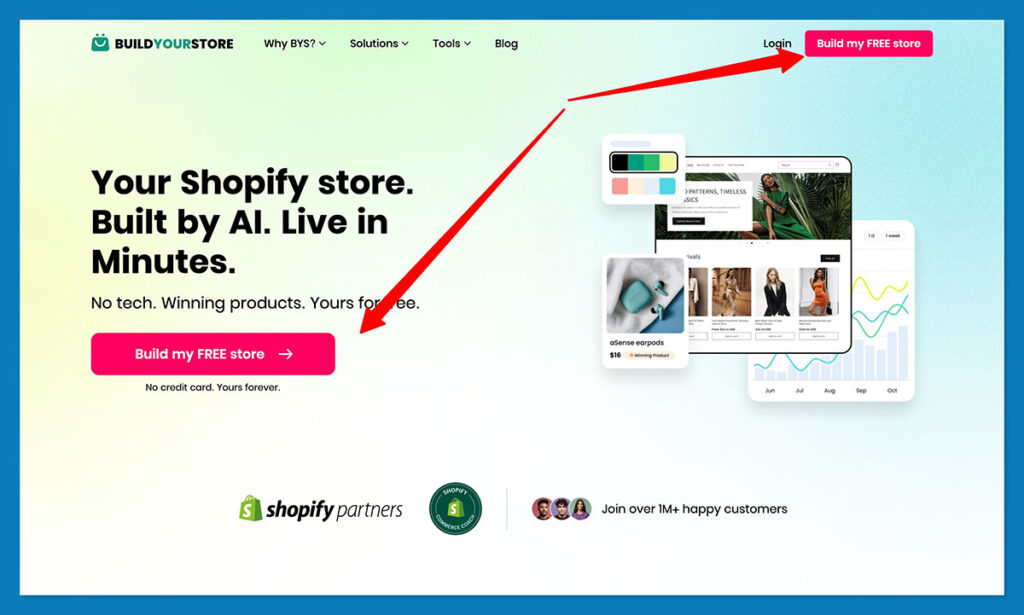
Enter BuildYourStore.AI (BYS), an emerging solution designed to act as a bridge between a business idea and a live, functional storefront. By leveraging artificial intelligence to automate the foundational labor of store building, BYS promises to transform a multi-day ordeal into a task measured in minutes. But is this convenience a genuine game-changer, or merely a superficial layer over the complexities of retail?
The Core Premise: What is BuildYourStore.AI?
At its heart, BuildYourStore.AI is not a standalone ecommerce platform; it is a sophisticated, AI-driven launch assistant. While a platform like Shopify provides the infrastructure for your business to live, BYS provides the blueprint and the initial construction crew.
The tool is purpose-built for dropshippers and absolute beginners. By integrating directly with Shopify, it handles the heavy lifting that often deters newcomers: selecting a professional-grade theme, configuring store aesthetics, populating product catalogs with vetted items, and writing the necessary conversion-focused copy. Because it is powered by AutoDS—a major player in the dropshipping automation ecosystem—it creates a seamless pipeline from product discovery to order fulfillment.
Chronology: The Evolution of the "Instant Store"
The transition toward AI-generated storefronts did not happen in a vacuum. To understand why BuildYourStore.AI has gained traction, one must look at the recent history of ecommerce development:
- The Manual Era (2010–2015): Entrepreneurs were required to handle almost every aspect of site building, from HTML/CSS tweaks to manual inventory uploads.
- The App Integration Era (2016–2021): The rise of app marketplaces allowed users to bolt on features. However, the sheer volume of choices created "decision fatigue," leading to higher abandonment rates during the setup phase.
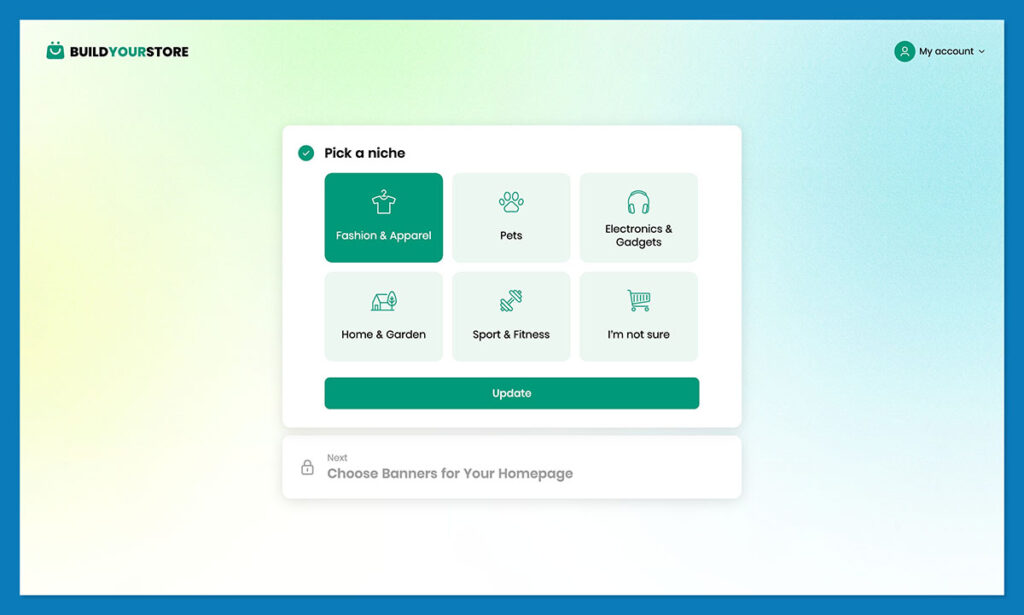
- The AI-Automation Era (2022–Present): With the integration of Large Language Models and generative image tools, the focus shifted to "generative storefronts." Tools like BYS represent this current wave, where the system makes creative decisions (design, copy, product selection) based on a user’s chosen niche.
Today, the process is streamlined into five distinct steps: account creation, niche selection, theme synchronization, AI population, and live deployment.
Supporting Data: Why Beginners Stall
The industry data is clear: the most significant "leak" in the ecommerce funnel occurs during the setup phase. Industry surveys of new Shopify users suggest that approximately 40% of accounts created never move beyond the "draft" stage.
The primary reasons cited for this abandonment include:
- The Content Gap: Writing product descriptions that convert is a specialized skill.
- Design Anxiety: Many users fear their store looks "unprofessional" or lacks trust, leading to endless hours of theme tweaking.
- Logistical Overwhelm: Finding reliable suppliers and integrating them into a storefront is often where the "dream" meets the "reality" of complex supply chains.
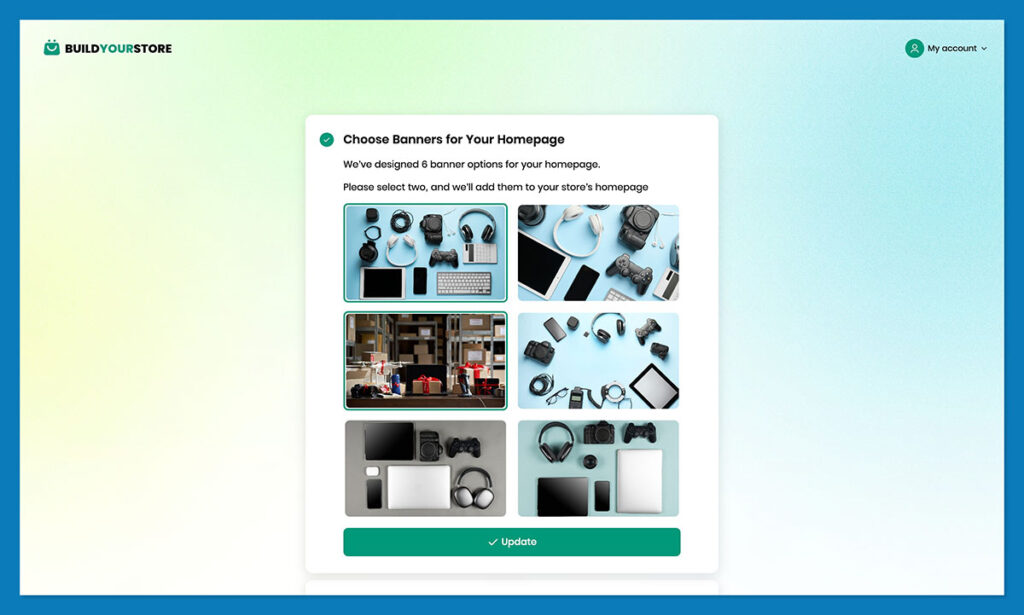
BuildYourStore.AI directly addresses these friction points by pre-loading 10 dropshipping products, ensuring the storefront doesn’t look empty on day one, and utilizing professional templates that are pre-optimized for mobile conversions.
Official Perspective and Platform Mechanics
In a professional assessment of the tool, it is essential to distinguish between "free" and "cost-neutral." While BuildYourStore.AI is free to use, the ecosystem it relies on carries inherent costs.
The Financial Landscape
- The "Zero" Cost: The initial building of the store via BYS costs nothing. You keep 100% of your margins.
- The Shopify Tax: To keep the store public, a Shopify subscription is mandatory. Shopify often offers a $1/month introductory rate for the first three months, but the long-term commitment must be factored into the business plan.
- The Fulfillment Engine: Connecting to AutoDS, while powerful, involves a monthly subscription (typically around $19.90/month).
The platform’s developers argue that these costs are not "hidden," but rather the standard operating expenses of a professional retail business. By providing a 3-day trial for $1, they encourage users to test the integration before committing to a monthly overhead.
Implications for the Future of Ecommerce
The emergence of AI-driven builders like BYS has significant implications for the future of digital entrepreneurship.
1. Democratization vs. Saturation
On one hand, the accessibility of tools that build "professional-looking" stores in minutes will undoubtedly lead to a surge in new ecommerce participants. This democratizes the ability to start a business. On the other hand, it creates a market saturation issue. When everyone can launch a store with the same AI-generated copy and pre-selected winning products, differentiation becomes the new primary challenge.
2. The Shift from "Builder" to "Marketer"
Historically, an ecommerce entrepreneur spent 70% of their time on operations and 30% on marketing. With the automation provided by tools like BYS, that ratio is inverted. Entrepreneurs are now freed from the technical burden, allowing them to focus entirely on customer acquisition, brand storytelling, and community building—the areas where AI still struggles to match human nuance.
3. The "Assistant" Model
The most successful users of these platforms are those who treat the AI as an intern, not a CEO. If you take the AI’s output—the product descriptions, the banners, the layout—and treat it as a "Version 1.0" that requires human refinement, you gain a massive speed advantage. If you treat it as a finished product, you risk running a store that feels generic and uninspired.
Final Verdict: Is It Worth the Effort?
For a beginner with limited technical skills and a tight budget, BuildYourStore.AI is an exceptional utility. It successfully removes the "blank page syndrome" and provides a stable, functional, and aesthetically pleasing foundation. It is an ideal starting point for those who want to jump over the hurdles of web development and move straight to the realities of selling.
Pros:
- Speed: Reduces a multi-day setup process to less than an hour.
- Integration: Seamlessly connects to AutoDS for streamlined dropshipping.
- Cost-Effective: Zero upfront fee for the store builder itself.
- Foundation: Provides essential trust badges and pre-written copy that beginners often struggle to produce.
Cons:
- Generic Potential: Without manual intervention, stores can feel cookie-cutter.
- Ongoing Overhead: Users must be prepared to pay for Shopify and AutoDS subscriptions to maintain functionality.
- Limited Customization: While the AI handles the basics, complex, bespoke design requirements will still necessitate manual work within the Shopify theme editor.
In conclusion, BuildYourStore.AI is a powerful "accelerator." It does not replace the need for business acumen, product research, or marketing strategy. However, it does precisely what it claims to do: it stops you from thinking about your store and starts you running it. For the aspiring entrepreneur, that transition is the most important step of all. If you are ready to stop planning and start selling, utilizing such an assistant is a logical, low-risk path toward your first sale.
 Dwi Wanna
  Lina Irawan
  Basiran