
 By Lina Irawan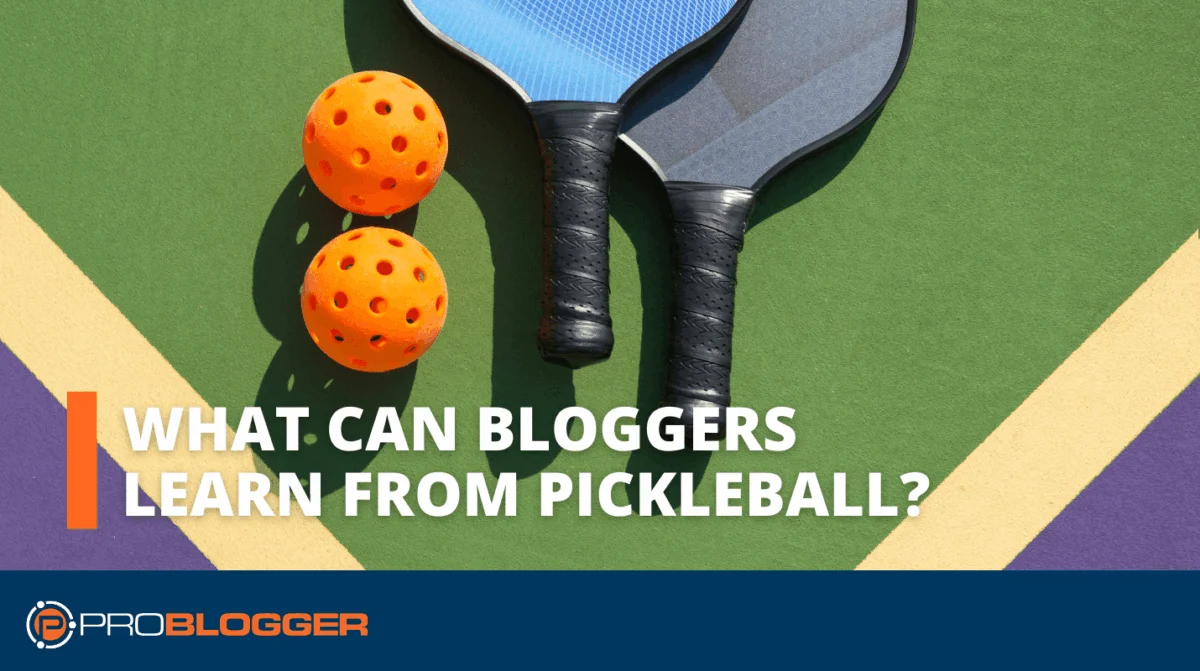
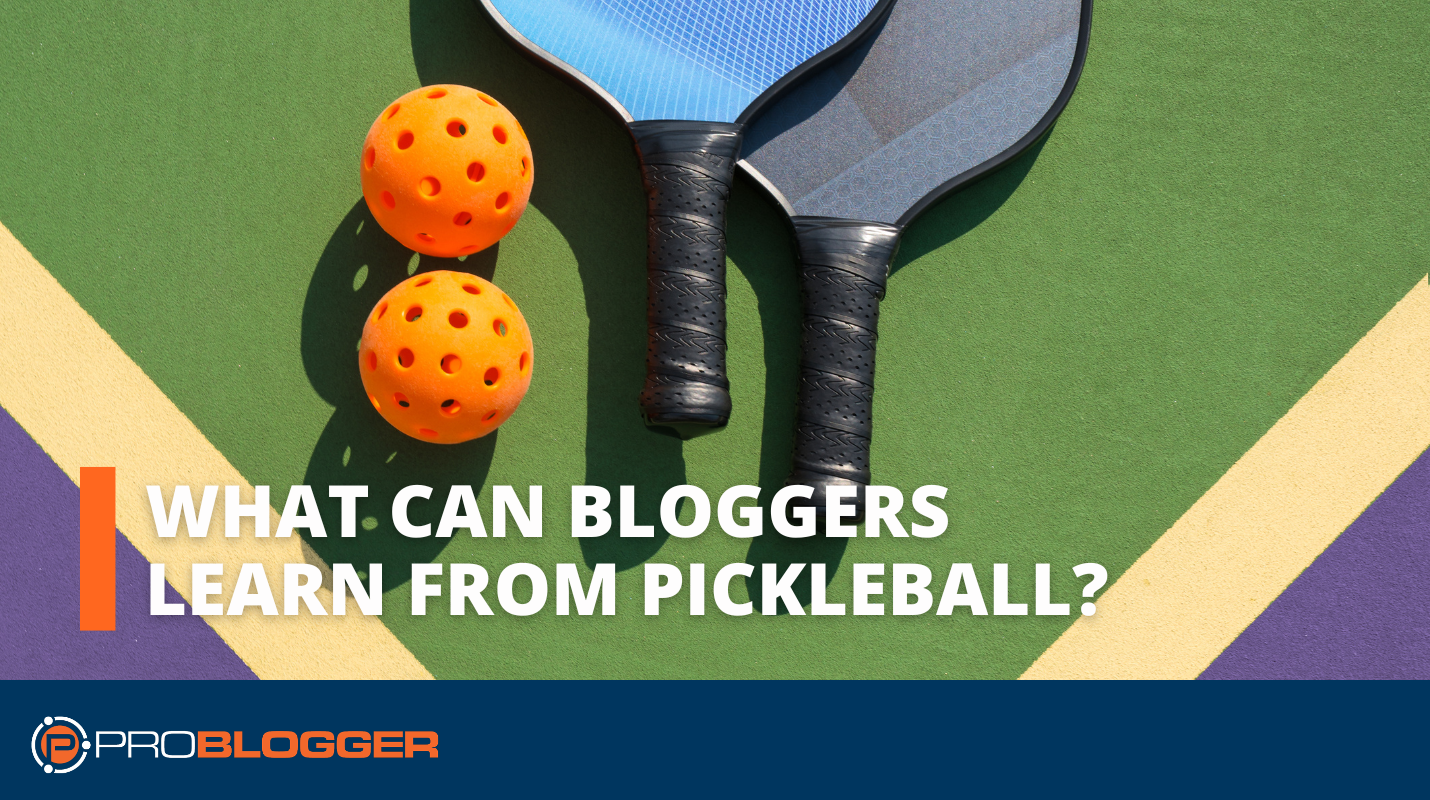
In the digital age, content creators are constantly searching for the next "growth hack" or algorithmic secret to propel their blogs to the top of search engine results. However, sometimes the most profound insights into professional discipline, community building, and sustainable growth come from the most unexpected of places. Enter pickleball—the fastest-growing sport in America—which has evolved from a casual backyard pastime into a global cultural phenomenon.
While the connection between a plastic wiffle ball and a search-engine-optimized blog post might seem tenuous at first glance, the parallels are striking. From the principles of incremental growth to the nuances of audience engagement, the sport offers a masterclass in modern digital strategy.
1. The Genesis: Start Small, Think Big
Every digital empire begins with a single, tentative post. Pickleball’s own history serves as a testament to this philosophy. Founded in 1965 on Bainbridge Island, Washington, the sport was initially a makeshift solution to summer boredom. It utilized leftover equipment and a simple backyard badminton court. It did not start as an international craze; it started as a solution to a localized problem.
For bloggers, this is the ultimate validation of the "MVP" (Minimum Viable Product) approach. You do not need a multi-million dollar marketing budget or a sprawling editorial team to launch a successful platform. By focusing on your core value proposition—starting with the resources you have—you lay the groundwork for long-term scalability. Like the pioneers of pickleball, your goal is to build a foundation that is sturdy enough to support growth, even if your current reach is limited to a handful of dedicated readers.
2. Rallying Your Community: The Art of the Conversation
In pickleball, the "rally" is the lifeblood of the game. It is the back-and-forth exchange that keeps players engaged, moving, and focused. If a player stops participating, the rally dies. The same logic applies to the digital landscape.
A blog is not a broadcast tower; it is a conversation hub. To transform casual visitors into a loyal community, you must actively participate in the rally. This means responding to comments with depth, initiating dialogues on social media, and fostering an environment where readers feel seen and heard. By treating your comment section as an extension of the court rather than an afterthought, you ensure that the "rally" of engagement continues, signaling to algorithms and humans alike that your platform is a vibrant, living entity.
3. The Power of ‘Dinking’: Strategic Simplicity
One of the most defining characteristics of high-level pickleball is the "dink"—a soft, precise shot aimed at the opponent’s "kitchen." It is not about raw power or flashy serves; it is about control, patience, and strategic placement.
In the world of content marketing, many bloggers fall into the trap of "over-serving." They produce complex, jargon-heavy, or excessively long-winded content, believing that volume equates to authority. True authority, however, comes from the ability to distill complexity into simplicity. "Dinking" in your writing means stripping away the fluff and focusing on the core message. It is the art of making the difficult, easy to digest. A clear, concise, and well-structured post is often more effective at driving engagement than a complex whitepaper that fails to address the reader’s pain points.
4. Finding Your ‘Kitchen’ Sweet Spot
In pickleball, the "kitchen" (the non-volley zone) is a strategic boundary. You cannot volley from within it, yet it is the most critical area of the court to control. It represents the delicate balance between aggression and restriction.
For bloggers, this is the "Sweet Spot" of audience engagement. It is the fine line between providing value and appearing overly commercial. If you are too "salesy," you violate the boundary of trust with your audience; if you are too distant, you lose the ability to influence. Finding your sweet spot requires you to understand exactly how close you can get to your reader’s needs without overstepping. It is a balance of being present, helpful, and transparent, ensuring that the "bounce" of interaction between you and your reader remains productive and authentic.

5. Learning from the ‘Whiffs’: Resilience in Content Creation
Every pickleball player, from a novice to a seasoned pro, experiences the dreaded "whiff"—a complete miss of the ball. It is embarrassing, frustrating, and inevitable.
In the blogging world, the equivalent of a whiff is the "flop"—a post that takes hours of research and writing only to receive zero traffic or engagement. The mistake most creators make is viewing these flops as failures. Instead, they should be viewed as data points. Why didn’t it land? Was the headline weak? Was the topic out of season? By analyzing these missteps, you refine your strategy. The most successful bloggers are not those who never write a bad post; they are those who keep swinging, adjusting their technique based on the feedback the market provides.
6. The Necessity of Tactical Adaptation
The digital landscape is a moving target. SEO algorithms shift, social media platforms rise and fall, and user preferences evolve with the speed of a high-velocity pickleball serve. Players who refuse to adapt to their opponent’s style in a match inevitably lose. Similarly, bloggers who refuse to update their strategies are destined for irrelevance.
Adaptation requires a mindset of continuous learning. Whether it is mastering a new form of short-form video content to supplement your text, or adjusting your keyword strategy to account for new search intent patterns, flexibility is your greatest competitive advantage. Your blog should be an evolving organism, not a static monument.
7. Keeping Your Eye on the Ball: Strategic Focus
It is a cliché in sports, but it is the primary rule of longevity: keep your eye on the ball. In the heat of a game, players often lose focus, resulting in unforced errors. In blogging, losing sight of your "why" is the most common cause of burnout.

When you lose track of your mission—who you are serving and what problem you are solving—your content becomes disjointed. By maintaining a laser-like focus on your content strategy and regularly auditing your work against your core goals, you prevent "content drift." Every piece of content you produce should move the needle in the direction of your overall objective.
8. Serving Strong and Serving Smart
The serve is the start of the point. A weak serve invites an aggressive return; a strong, tactical serve dictates the pace of the entire rally. Your blog post’s headline and introduction are your serve.
If your "serve" is weak—lacking a hook, failing to promise value, or failing to address the reader’s curiosity—they will move on before the rally begins. A strong serve requires a compelling headline that promises a specific outcome, followed by an introduction that validates that promise immediately. How you open the match defines the quality of the engagement that follows.
9. The Importance of Positioning
Pickleball is a game of court geometry. Where you stand dictates your defensive coverage and your offensive options. Strategic positioning is the difference between an easy winner and a lost point.
In the saturated marketplace of the internet, your "positioning" is your brand. It is how you distinguish yourself from the thousands of other blogs in your niche. Are you the authoritative expert? The relatable peer? The data-driven analyst? By clearly defining your position, you attract the right audience and repel the wrong ones. This specificity is what allows a blog to stand out in a crowded, noisy market.

10. The Vital Importance of Playfulness
Finally, we must acknowledge the most important lesson: pickleball is fun. It is a social sport that thrives on camaraderie and enjoyment. Far too many bloggers treat their craft as a grueling, joyless chore.
When you lose the sense of play, the audience can feel it. Enthusiasm is infectious; when you write about topics that genuinely excite you, that passion translates into the tone of your writing. A fun, approachable, and human-centric tone makes your content infinitely more shareable and memorable. If you aren’t enjoying the process of "playing" with your ideas, your readers won’t enjoy the process of reading them.
Conclusion: The Future of Your Digital Game
The rise of pickleball is a reminder that simplicity, community, and strategy are timeless components of success. Whether you are holding a graphite paddle or a mechanical keyboard, the principles remain the same.
By applying these ten lessons, you can transform your blogging from a sporadic hobby into a highly strategic and sustainable endeavor. Start small, serve with intention, dink with precision, and never stop adapting. The court is open, the net is set, and your audience is waiting for your next serve. Are you ready to play?
 Asep Darmawan
  Siti Muinah
  Azzam Bilal Chamdy