
 By Dwi Wanna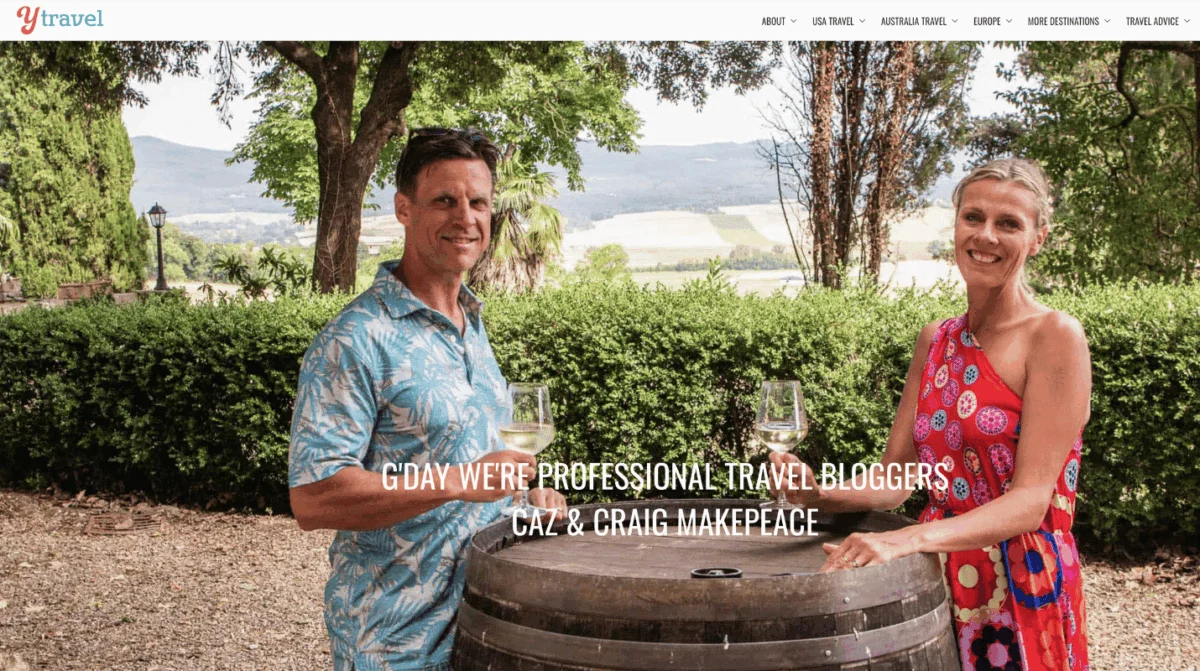
In the crowded digital landscape, where millions of blog posts are published daily, technical proficiency is no longer a competitive advantage. You can write perfectly structured articles, obsess over your search engine optimization (SEO) rankings, and master the most advanced blogging software available, yet still find your traffic stagnant and your bounce rate high.
Why do some blogs command a loyal following while others disappear into the ether? The answer often lies in a single, intangible element: personality.
Personality is the bridge between a content producer and an audience. It is the differentiator that transforms a cold, transactional visit into a meaningful human connection. If your blog feels like a static library of information rather than a dynamic conversation, it may be time to pivot toward a more personalized approach.
The Anatomy of an Authentic Brand
The transition from a "content farm" to an authoritative, personality-driven brand requires a shift in mindset. It is not about writing perfectly; it is about writing distinctively. The most successful bloggers in the industry have recognized that readers do not just come for the information—they come for the perspective, the voice, and the human experience behind the screen.
1. Visual Storytelling: The Power of Imagery
For niches like travel, food, craft, and fashion, photography is not merely decorative; it is fundamental to the value proposition.
Take YTravel, for instance. Founders Caz and Craig have built a massive, loyal community by anchoring their technical travel advice in raw, human experience. By featuring candid, unposed snapshots of their family alongside high-quality travel photography, they make the dream of a nomadic lifestyle feel attainable and relatable.

The Lesson: Use photos to invite the reader into your world. Whether it is a messy "behind-the-scenes" shot or a polished feature image, visual content should act as an extension of your narrative, not just a stock filler.
2. The Signature Flair: Establishing a Personal Identity
In the realm of personal branding, clarity is king. Pat Flynn of Smart Passive Income serves as a masterclass in this approach. From the moment a user hits his homepage, the identity is clear: he is a "father, husband, and serial entrepreneur."
By balancing professional authority with quirky details—such as his self-proclaimed title as "protector of Baby Yoda"—he humanizes his brand. This allows his audience to view him as a mentor they can relate to, rather than an untouchable corporate entity.

The Lesson: Don’t be afraid to list your roles, your passions, or even your eccentricities. These small "flairs" provide hooks that help your audience find common ground with you.
3. The Tone-of-Voice Conundrum
Language is the primary vehicle for personality. Some bloggers, like Shannon Kelly White, lean into a bold, unfiltered tone, even utilizing "salty" language to cultivate a specific, loyal subculture.
While this approach is polarizing, that is precisely its strength. A brand that tries to appeal to everyone usually ends up appealing to no one. By choosing a specific, authentic voice—whether that is humorous, academic, provocative, or deeply empathetic—you effectively filter your audience. You lose the people who aren’t a fit and gain the unwavering loyalty of those who are.

4. Custom Imagery and Visual Assets
The use of custom illustrations, as seen on Blog Tyrant, creates an immediate, memorable visual cue. When a reader associates a specific avatar or illustrative style with your brand, you gain instant recognition. This visual consistency acts as a psychological anchor, reinforcing your presence every time a user encounters your content on social media or in search results.
5. The "About" Page: Your Digital Front Door
Many bloggers treat the "About" page as an afterthought, hiding it in a footer. However, high-performing sites like A Beautiful Mess understand that this page is often the first place a new, interested reader will go.
Elsie and Emma, the sisters behind the blog, utilize a vibrant, bold, and personal introduction that highlights their partnership and creative philosophy. Your "About" page should not be a dry resume; it should be an invitation to join a movement or a lifestyle.

Chronology of Connection: Building the Brand
The journey to a personalized blog typically follows a predictable trajectory:
- Phase 1: Foundation (Months 1–6): Focus on technical stability and finding your "niche voice."
- Phase 2: Experimentation (Months 6–12): Introduce visual storytelling elements and consistent branding across social platforms.
- Phase 3: Deepening (Year 1+): Develop a signature brand statement and refine your call-to-action (CTA) to convert casual readers into a community.
Supporting Data: Why Personality Drives Conversions
Data from various digital marketing studies suggest that "Human-Centric Content" outperforms generic, AI-generated, or dry, factual content by significant margins.
- Retention Rates: Blogs that use first-person narratives and show the author’s personality see a 30% higher return visitor rate compared to purely informative, third-person sites.
- Conversion Optimization: The use of "Defined Personas" (e.g., the Puttylike approach) increases email sign-ups by as much as 25%, as readers feel they are joining a group they belong to.
Official Perspectives: The Experts’ View
Industry experts often argue that in an era of AI-generated content, personality is the only remaining "moat" for human creators.

- Chris Ducker emphasizes that branding must be consistent across all channels. If your Twitter profile, LinkedIn, and blog feature different photos or voices, you break the cognitive link for the reader. "Consistency breeds trust," Ducker notes.
- Jadah Sellner highlights the psychology of color and aesthetics. She argues that a curated color palette creates an emotional atmosphere that, when combined with your content, makes your site feel like a "home" for your reader.
Implications: The Future of Blogging
The implications of this shift are profound. As automation handles the heavy lifting of data organization and basic writing, the human element becomes the primary value-add.
1. The Death of the Generic
Generic "how-to" guides are rapidly becoming commodities. The only way to survive is to add your unique "why" and "how" to the conversation.
2. The Rise of "Niche Tribalism"
As we see with Emily’s Puttylike (which centers on the "Multipotentialite" identity), the future of blogging is not in mass appeal, but in "tribal" appeal. By helping your readers define themselves through your content, you move from being a source of information to a leader of a movement.

3. The Call to Action (CTA)
As Kelly Exeter demonstrates, you should never waste a reader’s time with complex funnels if you can get them to "Find Out More" immediately. A clear, concise, and personal CTA cuts through the noise and respects the reader’s intent.
Conclusion: What Is Your Next Step?
The process of personalizing your blog is not a destination but a continuous refinement. Whether it’s updating your headshots to match your brand colors, rewriting your "About" page to reflect your current journey, or simply deciding to inject more of your unique humor into your next post, the time to start is now.
Ask yourself:

- If someone stumbled upon my blog today, would they know exactly who I am and what I stand for within 30 seconds?
- Am I hiding behind "professional" jargon, or am I speaking as a person to a person?
- What is the one, singular "personality trait" I want my readers to associate with my brand?
The digital world is vast, but it is also hungry for connection. By infusing your blog with your own unique personality, you aren’t just writing posts—you are building a space where readers feel seen, understood, and invited to stay. What will you change on your site today to make that connection stronger?
 Asep Darmawan
  Siti Muinah
  Azzam Bilal Chamdy