
 By Ali Ikhwan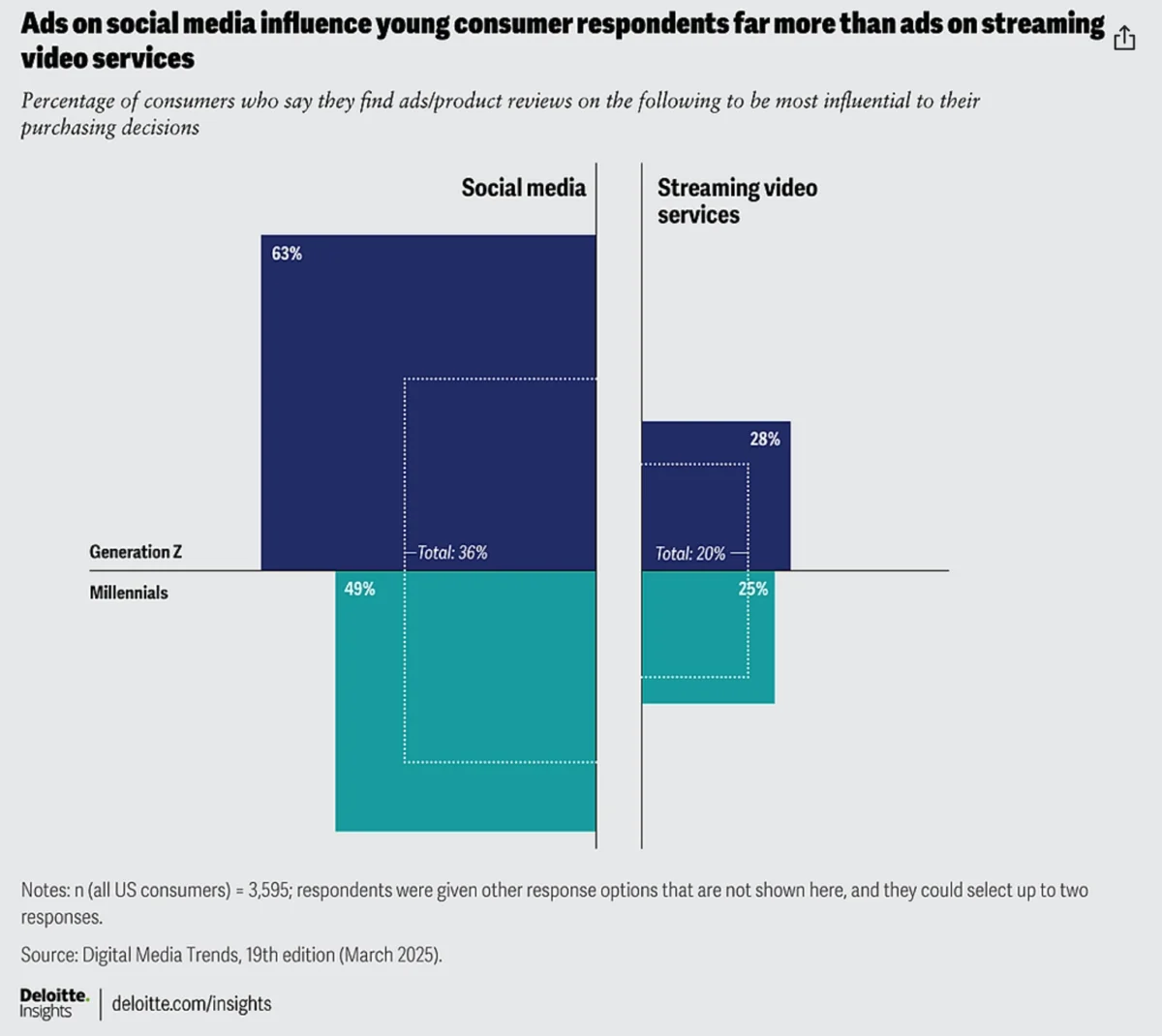
The era of traditional, broad-stroke advertising is effectively over. If the previous decade was defined by the rise of social media as an entertainment platform, the current era—led by Generation Z—is defined by social media as the primary infrastructure for human existence. From discovery and search to commerce and community, Gen Z has rewritten the rules of engagement.
For brands, the mandate is clear: Gen Z doesn’t just "consume" content; they filter it with a radar for authenticity that makes traditional "try-hard" campaigns obsolete. As we navigate 2026, understanding the nuances of this generation is no longer optional—it is the cornerstone of survival in a hyper-competitive digital economy.

1. The Demographic Landscape: Who is Gen Z?
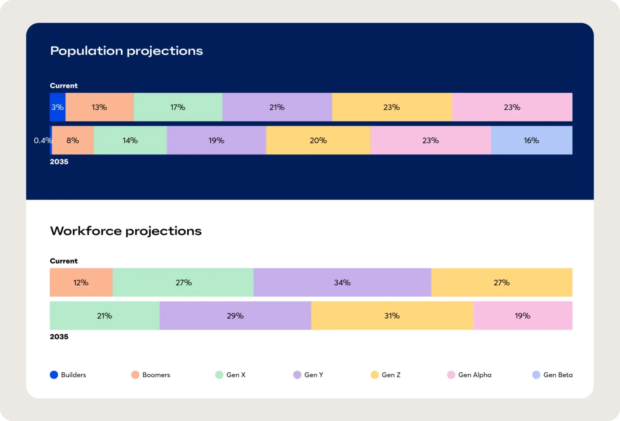
To market to Gen Z, one must first understand their scale and scope. As of 2026, this cohort accounts for 22.9% of the total worldwide population, representing approximately 2.9 billion people. In the United States, they comprise roughly 21% of the population.
While definitions vary, the consensus identifies Gen Z as those born between 1997 and 2010. As we approach the late 2020s, the boundary between Gen Z and the emerging "Generation Alpha" is becoming a subject of intense academic debate, with some researchers pushing the cutoff to 2012.

Beyond their population size, their professional influence is surging. Gen Z currently makes up 27% of the global workforce. Projections indicate that by 2035, this will rise to 31%, solidifying their role as the dominant economic force in the labor market. This shift brings with it a unique set of values: a focus on mental health, a demand for workplace transparency, and a skepticism toward corporate messaging that lacks substance.
2. The Psychology of the "Squeeze": Financial and Mental Pressures
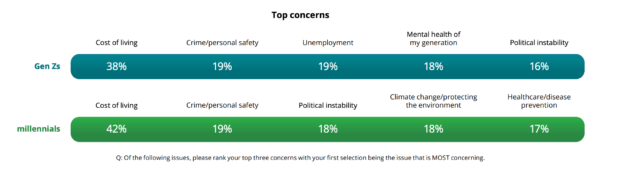
The primary driver of Gen Z’s consumer behavior is economic uncertainty. According to the 2026 Global Gen Z and Millennial Survey by Deloitte, the cost of living is the top concern for 38% of Gen Z, narrowly trailing millennials at 42%.
However, where the generations diverge is in their secondary anxieties. While older cohorts focus on systemic issues like political instability and climate change, Gen Z remains deeply preoccupied with personal economic survival, unemployment, and mental health. This "financial squeeze" has led to a significant delay in traditional life milestones, such as homeownership and family formation.
For the modern marketer, this is not a signal to pivot toward "doom-and-gloom" messaging. Rather, it is an opportunity to practice empathy. Brands that acknowledge these economic realities—offering transparent value, accessible price points, and genuine utility—build a level of trust that "luxury-aspirational" brands often fail to achieve.
3. The Digital Fatigue Paradox
Despite being "digital natives," 58% of Gen Z report feeling digital fatigue. They are the first generation to be constantly "on," and they are growing tired of it.
For marketers, this presents a paradox: you must be where they are, but you cannot be an annoyance. The strategy must shift from quantity to quality. Posting more content will not break through the noise; only better content will. If your brand is not providing entertainment, education, or genuine community value, you are likely being filtered out as background noise.
4. Social Media: The New Operating System
The platform landscape for Gen Z is vast, but it is anchored by a few key pillars.
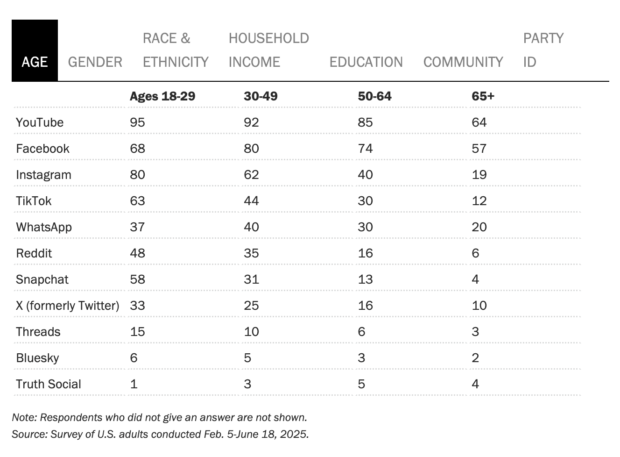
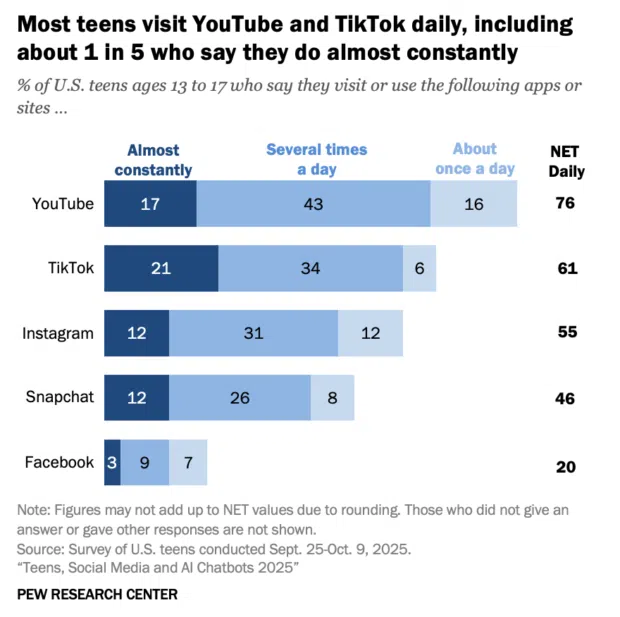
- YouTube: Remains the dominant force, with 95% of Gen Z adults utilizing the platform.
- Instagram and TikTok: These platforms are no longer just for social interaction; they are the primary engines for product discovery.
- Reddit: Often overlooked, 48% of Gen Z adults use the platform to solicit peer advice and air grievances, making it a critical hub for social listening.
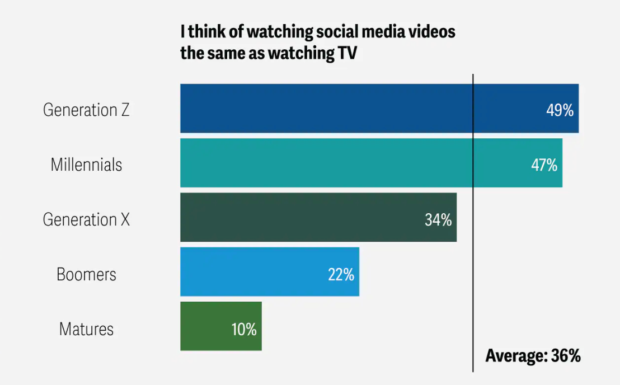
Perhaps the most disruptive trend is the blurring of lines between social media and television. Nearly half (49%) of Gen Z view watching social media videos as equivalent to watching traditional TV. When 58% of the demographic spends more time on social feeds than on dedicated streaming services like Netflix or Hulu, the "social-first" strategy becomes the default, not the exception.
5. Chronology of Shift: From Search Engines to Social Feeds
The transition of consumer behavior has been rapid and absolute:
- 2015-2018: The rise of influencers as brand ambassadors.
- 2019-2022: The "TikTok-ification" of social media, moving from static images to short-form, algorithmic video content.
- 2023-2025: The integration of Social Commerce and the emergence of social apps as functional search engines.
- 2026 and Beyond: The normalization of AI-driven, hyper-personalized shopping experiences and the decline of traditional TV-style advertising.
6. Supporting Data: The Influencer Economy and Social Proof
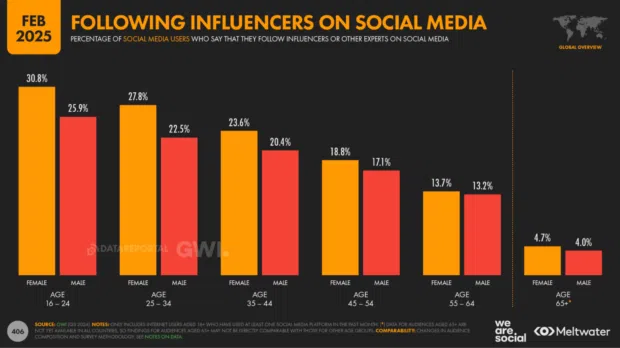
The influence of creators cannot be overstated. Among 16- to 24-year-olds, 30% of women and 25% of men actively follow influencers. Critically, 50% of Gen Z feel a stronger personal connection to these creators than they do to traditional celebrities or TV personalities.
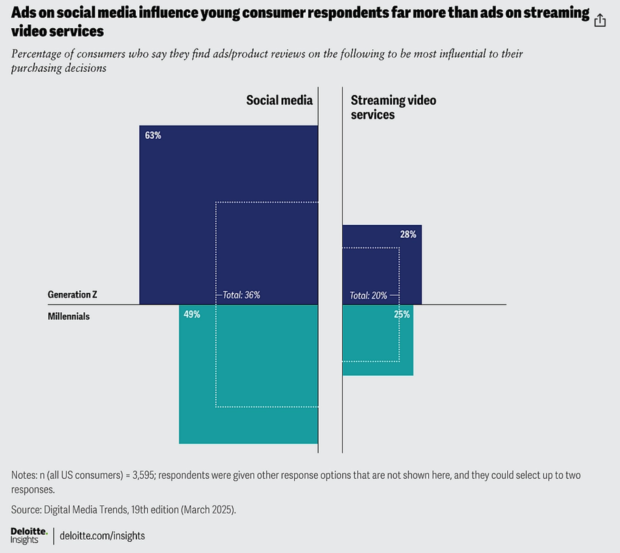
This reliance on creators is fueled by the need for social proof. 63% of Gen Z state that social ads and reviews are the primary factors influencing their purchase decisions. They want to see unboxings, tutorials, and real-world feedback before committing to a transaction. They are effectively conducting their own due diligence within the feed.
7. Implications: The Rise of "Social SEO"
Because 40% of Gen Z have used TikTok as a search engine, brands must adopt "Social SEO." This involves:

- Keyword-rich captions: Treating social captions like web metadata.
- Alt-text optimization: Ensuring algorithms understand the content of your images and videos.
- Community-driven hashtags: Moving away from generic tags toward those that reflect specific sub-cultures and search intents.
Furthermore, the integration of AI is accelerating. 74% of Gen Z currently use AI in their daily work, and 52% welcome AI-driven personalization in their shopping experience. However, this comes with a caveat: excitement regarding AI is declining, with anxiety rising to 42% by 2026. Brands must tread carefully, balancing the benefits of personalization with the need for transparency and data ethics.
8. Official Perspectives: The Retail Reality
The shift toward mobile commerce is complete. 99% of Gen Z shoppers utilize their smartphones for online purchases. Consequently, the user experience (UX) of your social store is as important as the quality of your product.
As experts in consumer behavior suggest, the goal is to reduce friction to near zero. If a customer has to leave the social app, navigate to a browser, and manually enter credit card details, you have likely lost them. The future belongs to brands that leverage in-app checkout, Apple Pay integration, and seamless social-to-purchase pipelines.
9. Conclusion: Strategic Takeaways for 2026
To succeed in the current climate, marketers must move beyond the "Gen Z as a monolith" fallacy. This generation is the most diverse in history—with 24% identifying as LGBTQ and 25% as Hispanic—and they expect this diversity to be reflected in the brands they support.
The core strategies for the next 12 months include:
- Prioritize Creator Partnerships: Move budget from traditional celebrity endorsements to niche, high-trust creators.
- Adopt Social SEO: Optimize all social content for searchability, not just engagement.
- Embrace Frictionless Commerce: Ensure the path from discovery to purchase is contained within the social environment.
- Lead with Empathy: Acknowledge the economic, mental, and digital realities of your audience.
Gen Z is not a trend to be monitored; they are a reality to be embraced. By meeting them where they live, search, and socialize—with authenticity, utility, and respect—brands can secure loyalty that transcends the typical transaction. The tools are available, the data is clear, and the path forward is social.
 Reynand Wu
  Muslim
  Nila Kartika Wati