
 By Pevita Pearce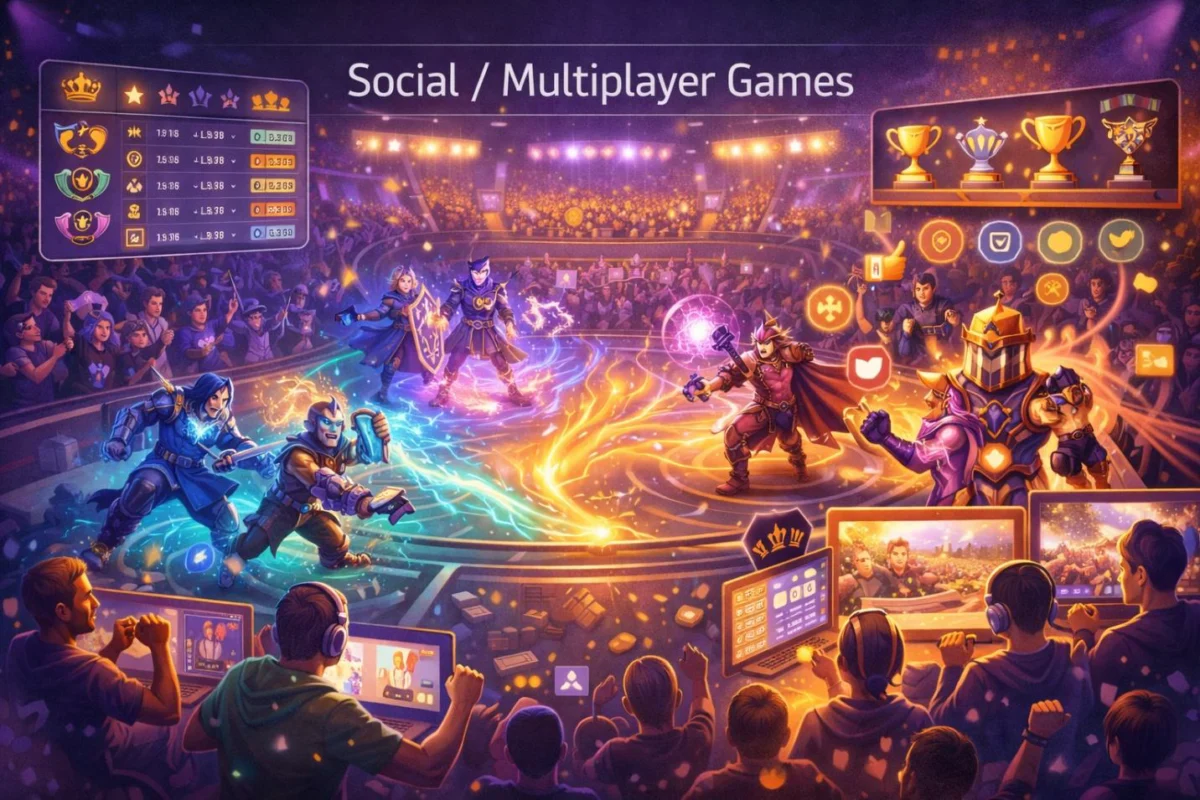
In the current digital landscape, product teams are suffering from a chronic case of "mechanic-blindness." When a company decides to "gamify" their user experience, the standard playbook is depressingly predictable: add a progress bar, sprinkle in some badges, and perhaps include a daily login streak. It is the functional equivalent of a musician saying, "Let’s add music to this room," without specifying whether they intend to play jazz, heavy metal, or a Mozart concerto.
The fundamental flaw in modern product design is the mistaken belief in a monolithic "game psychology." In reality, games are not a single category—they are a vast taxonomy of emotional experiences. Just as different genres of music attract disparate audiences through distinct psychological triggers, so too do game genres. By failing to choose a genre intentionally, designers are not creating engagement; they are creating clutter.
The Missing Framework: Gamification 2.0
The move toward "Gamification 2.0" begins with a single, uncompromising mandate: choose your genre before you choose your mechanics. If your application aligns with the psychology of a strategy game, borrowing mechanics from a twitch-based action game will not result in success—it will result in a disjointed, frustrating user experience.
This framework requires designers to look past the surface-level aesthetics of games and study the underlying motivational structures. Whether you are building a fintech app, a learning platform, or a project management suite, your success depends on understanding what drives your users.
Chronology of Engagement: From Points to Purpose
Historically, the gamification movement focused on "behaviorism"—the Skinner-box approach of reward-response. Early iterations (circa 2010–2015) relied heavily on leaderboards and points. While these tactics boosted short-term metrics, they failed to create long-term loyalty because they treated users like lab rats.
The shift we are currently witnessing is a transition from extrinsic incentivization to intrinsic alignment. Developers are realizing that "retention" isn’t a result of the number of notifications sent, but of the depth of the identity a user builds within the system. This evolution mimics the history of gaming itself, moving from the simple, repetitive "score-chasing" of the arcade era to the complex, identity-driven narratives and social systems of modern platforms like Roblox or Civilization.
Genre Breakdown: Mapping Psychology to Product
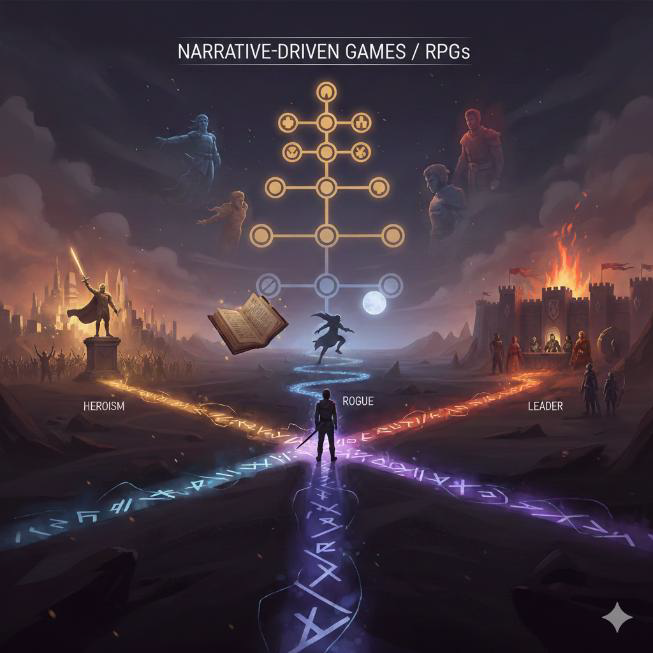
A. Narrative-Driven Games (RPGs)
- The Psychological Hook: Identity and Transformation.
- The Lesson: Users do not want a feature checklist; they want a journey. When Duolingo frames language learning not as "Level 5" but as "the ability to connect with 500 million people," they are using RPG narrative framing.
- Actionable Implementation: Build a narrative arc around the user’s progress. Allow them to look back at their "origin story" within the app to see how much they have changed.
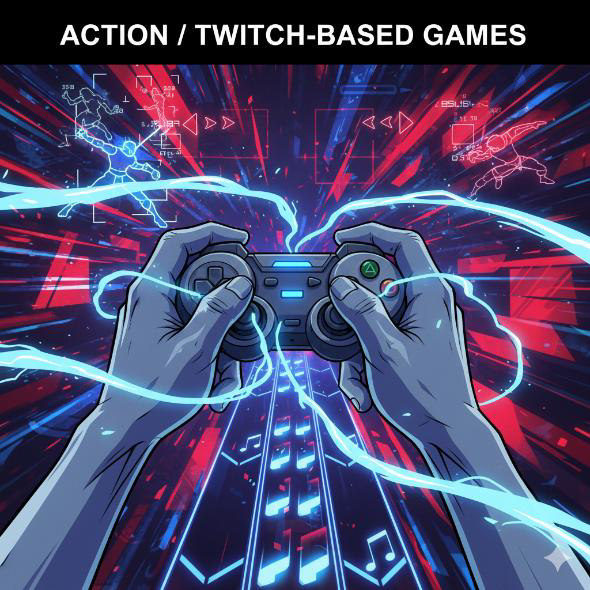
B. Action/Twitch-Based Games
- The Psychological Hook: Motor Mastery and Immediate Feedback.
- The Lesson: In high-octane games like Street Fighter, the joy is in the execution. Productivity apps often fail here because they treat the action as a "chore" to be completed for a reward.
- Actionable Implementation: Focus on "juice"—the sensory satisfaction of an interaction. Haptic feedback, smooth animations, and instantaneous responses make the act of logging a workout or filing a document feel as rewarding as landing a combo in a fighting game.
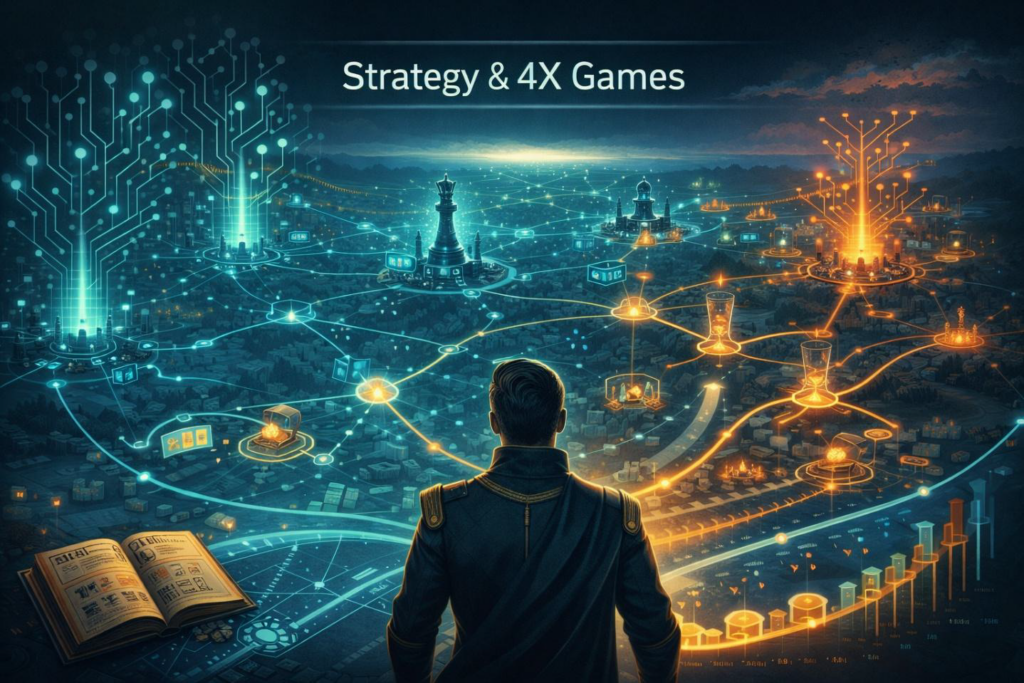
C. Strategy & 4X Games
- The Psychological Hook: Long-term Planning and Systemic Mastery.
- The Lesson: Strategy players enjoy the "tech tree" approach—where choices made in week one compound to yield results in month six.
- Actionable Implementation: Financial planning apps should adopt this. Instead of a simple budget, provide a "tech tree" that shows how small, strategic savings today unlock different lifestyle possibilities five years down the line.
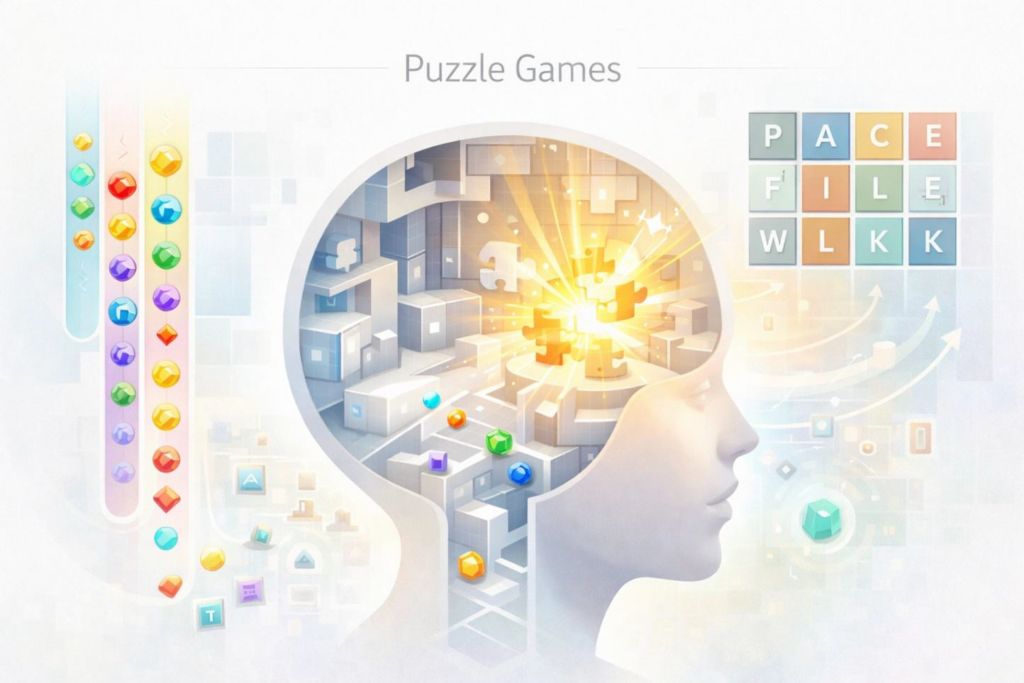
D. Puzzle Games
- The Psychological Hook: The "Aha!" Moment.
- The Lesson: Humans are hardwired to solve problems. When apps provide the answers, they rob the user of the dopamine hit associated with discovery.
- Actionable Implementation: Present your onboarding as a series of puzzles to be solved rather than a manual to be read. Let the user deduce the logic of your software through play.
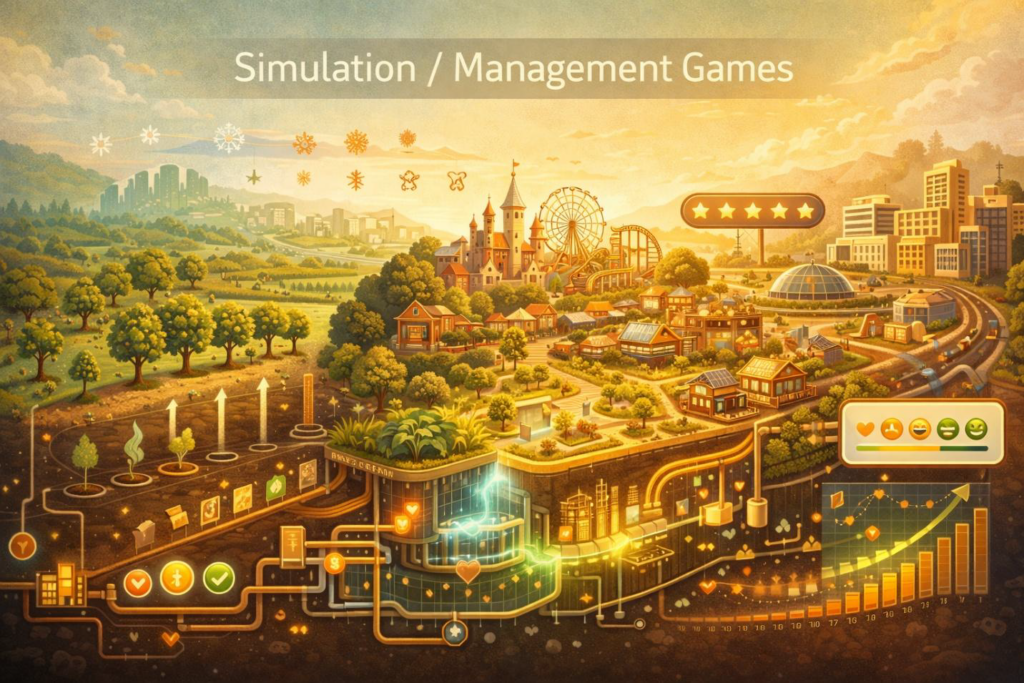
E. Simulation/Management Games
- The Psychological Hook: Creative Agency and Stewardship.
- The Lesson: Games like The Sims or RollerCoaster Tycoon succeed because they allow users to build something that feels like an extension of their own personality.
- Actionable Implementation: Give your users building blocks rather than rigid templates. Let them customize their workflows. A CRM tool should feel like a garden you are cultivating, where different relationships require different "watering" schedules.
F. Sandbox/Open-Ended Games
- The Psychological Hook: Radical Autonomy.
- The Lesson: For certain users, the most powerful motivator is freedom. Forcing these users into a linear progression path is a guaranteed way to increase churn.
- Actionable Implementation: Tools like Notion succeed because they are essentially digital sandboxes. Provide the raw materials and get out of the user’s way.
G. Social/Multiplayer Games
- The Psychological Hook: Social Responsibility and Status.
- The Lesson: The strongest retention tool is not a leaderboard; it is the feeling that others are depending on you.
- Actionable Implementation: Build "guild" mechanics. If your app is a productivity tool, create interdependence where a team’s success relies on the contribution of each member.
Supporting Data and Revenue Implications
The financial performance of these genres provides a clear mandate for product managers. Whiteout Survival and Last War: Survival generate hundreds of millions annually by fostering genuine strategic agency rather than relying on compulsive, shallow rewards. Similarly, Roblox has built a multi-billion dollar empire by transforming its consumers into stakeholders—people who create content for others.
The data suggests that the most successful apps are those that stop treating users as "players" to be managed and start treating them as "residents" of a system they helped build. Retention is higher when the user feels a sense of ownership, social accountability, or personal transformation.
Official Perspective: The Expert Consensus
Designers and industry analysts agree that the "gamification" label has become toxic due to its association with shallow, exploitative mechanics. The industry is pivoting toward "Experience Design." The consensus is clear: if a feature does not align with the core psychological genre of your product, it will eventually degrade the user experience.
"If your core interaction loop isn’t inherently satisfying," one lead designer noted, "no amount of badges will save you. Gamification should be the frosting on the cake, not the cake itself."
Implications for Future Development
The implications for developers are profound:
- Stop the Feature Bloat: If you are trying to be a sandbox, a strategy game, and a narrative RPG all at once, you will fail at all three. Define your genre and ruthlessly strip away mechanics that don’t serve that psychological goal.
- Redefine Success Metrics: Move away from DAU (Daily Active Users) as your only north star. Start measuring "Agency," "Co-creation," and "Meaningful Progress."
- Invest in "Juice": Ensure the fundamental interactions in your software—the clicking, the typing, the sliding—feel responsive and tactile.
- Prioritize Social Interdependence: Create structures where users are incentivized to help one another. A community that supports itself will never need to be "tricked" into returning.
Ultimately, Gamification 2.0 is not about adding games to your app. It is about understanding the human drive behind the genre that fits your product’s mission. By choosing your genre intentionally, you stop playing games with your users and start building a platform that provides genuine, lasting value.
 Ammar Sabilarrohman
  Neng Nana
  Sagoh
Sagoh 