
 By Nana Wu
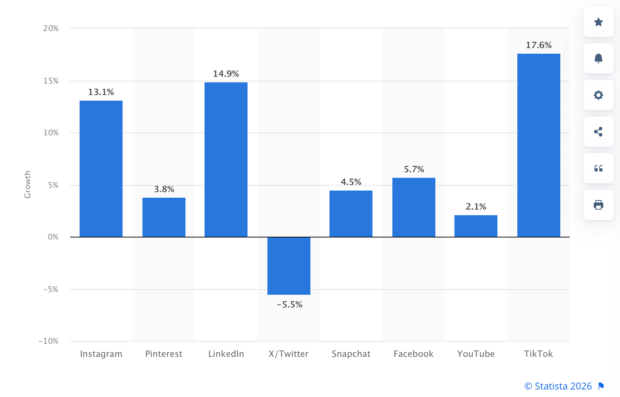
Pinterest has long occupied a unique space in the digital landscape. Often dismissed in its early years as a simple digital scrapbook for wedding planning and DIY projects, the platform has undergone a quiet, data-driven transformation. As of Q1 2026, Pinterest has shed its reputation as a mere hobbyist’s corner, emerging as a critical engine for product discovery and consumer intent. With a massive user base of 631 million monthly active users (MAUs), the platform is currently enjoying its tenth consecutive quarter of double-digit growth, proving that it is not just surviving—it is thriving.

For modern marketers, Pinterest represents a departure from the "interruption-based" advertising models of other social networks. Instead, it offers a space where users arrive with a specific intent: to plan, research, and purchase.

The Evolution of the Pinterest User Base
The numbers behind Pinterest’s growth are indicative of a platform that has successfully captured the attention of a high-intent audience. With 631 million monthly active users, the platform has seen an 11% year-over-year increase.
Demographic Breakdown
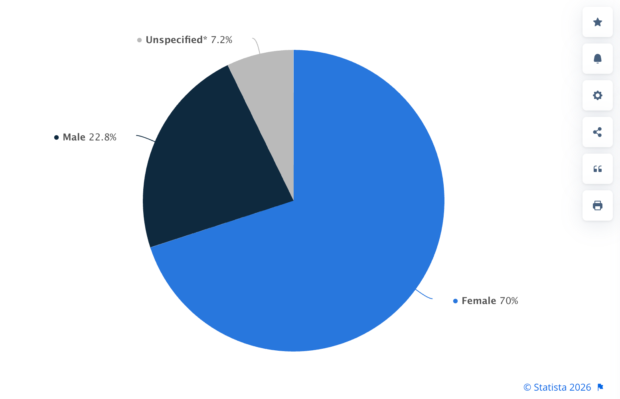
The platform remains predominantly female, with 70% of its audience identifying as women. However, this gender skew does not imply a lack of diversity in utility. Women lead usage across every age group, from the 16–24 bracket to those over 65. Most notably, Gen Z has emerged as the platform’s fastest-growing demographic. This is a significant development, as it suggests that Pinterest is successfully capturing a younger generation that is increasingly turning to visual search engines to perform "homework" on brands before making purchase decisions.
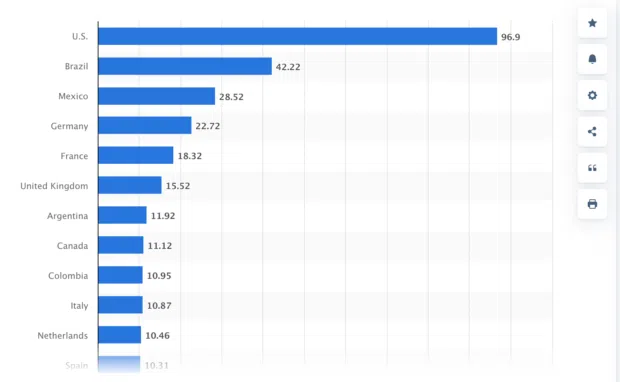
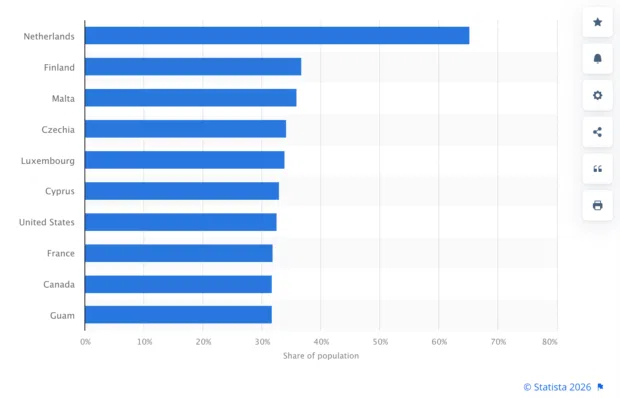
Geographically, the United States remains the platform’s stronghold with 96.9 million users. Yet, the fastest revenue growth is currently originating from outside North America, particularly in Europe and emerging markets. Interestingly, the Netherlands currently boasts the highest Pinterest penetration rate in the world, with 65.3% of its population using the service.
Chronology of Growth and Current Market Standing
Pinterest’s trajectory over the last several years has been defined by its pivot from a social network to a visual discovery engine.
- 2024–2025 Transition: During this period, the platform doubled down on its "shoppable" infrastructure. The introduction of improved buyable pins and deeper integration with retail partners saw engagement with shopping ads climb by 50%.
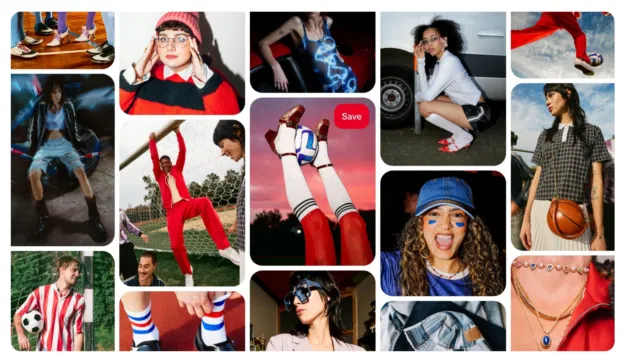
- Summer 2026 Trends: The platform has successfully leveraged real-world cultural moments to drive site traffic. The "Summer 2026 Trend Report" highlights a massive surge in interest around major sporting events, with searches for "World Cup jerseys" rising by 840% and "Formula 1 aesthetic" outfits increasing by 483%.
- Financial Performance: By the close of 2025, Pinterest generated $4.2 billion in annual revenue, a 16% increase from the previous year. This consistent, non-volatile growth has solidified its reputation among investors as a stable, long-term player in the digital advertising space.
The Power of Intent: Data-Driven Insights
The most compelling argument for Pinterest’s utility is the mindset of its users. Unlike platforms where users scroll to kill time, Pinterest users arrive with a job to do.
The Search Engine Paradigm
Pinterest processes more than 80 billion searches every month. When a user enters a search term, they are not looking for entertainment; they are looking for solutions. Because 96% of the platform’s top searches are unbranded, the barrier to entry for smaller, agile brands is lower than on platforms dominated by massive, high-budget ad campaigns. This creates a "level playing field" where a high-quality, relevant Pin can outperform a generic corporate ad.
Behavioral Benchmarks
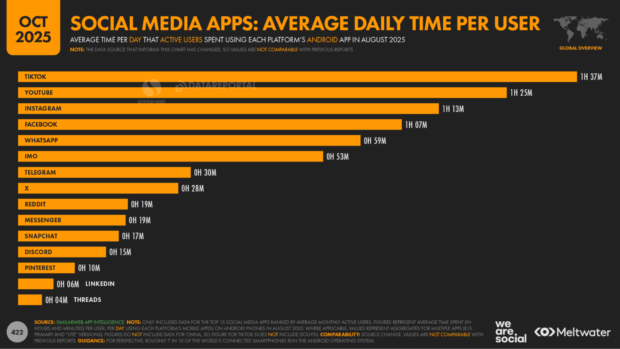
- Frequency: The average user opens the app 2.8 times per day. While the average session duration is relatively short—roughly 10 minutes—it is characterized by high-intensity activity, such as saving pins to boards.
- The "Save" Metric: Users save 1.5 billion pins every week. This bookmarking behavior provides content with a much longer "shelf life" than the fleeting posts seen on X (formerly Twitter) or Instagram Stories.
- Affluence and Spending: Pinterest reaches 40% of U.S. households with an annual income exceeding $150,000. Furthermore, data shows that Pinterest users spend an average of 40% more per month than non-users, making them a high-value segment for retail and luxury brands.
Official Responses and Strategic Positioning
Pinterest leadership has been clear about their vision: they do not want to be a social network in the traditional sense. In their official communications, they emphasize that "content from brands doesn’t interrupt on Pinterest—it inspires."
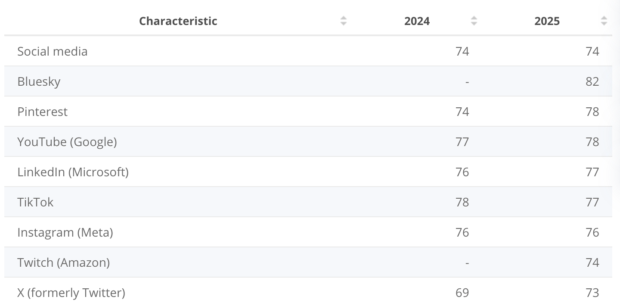
This philosophy is baked into their algorithm. By prioritizing "unbranded" discovery, the platform keeps the user experience clean, which contributes to its high standing on the American Customer Satisfaction Index. In 2025, Pinterest scored 78 on this index, consistently outperforming competitors like TikTok and Facebook. This user satisfaction creates a "halo effect" for brands; users are more receptive to marketing when they are not actively annoyed by the platform they are using.
Implications for Marketers
For marketing professionals, the data points to three distinct pillars for a successful Pinterest strategy:
1. Optimize for Search, Not Just Aesthetics
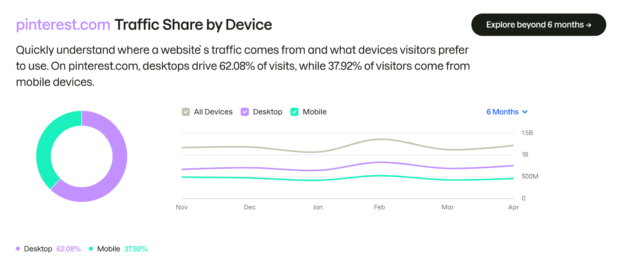
Because Pinterest functions like a visual search engine, SEO is as important as design. Marketers must conduct keyword research to understand exactly what their audience is typing into the search bar. If a user is searching for "minimalist home office," your pin description and metadata must reflect that specific intent.
2. Embrace the "Shopping Mindset"
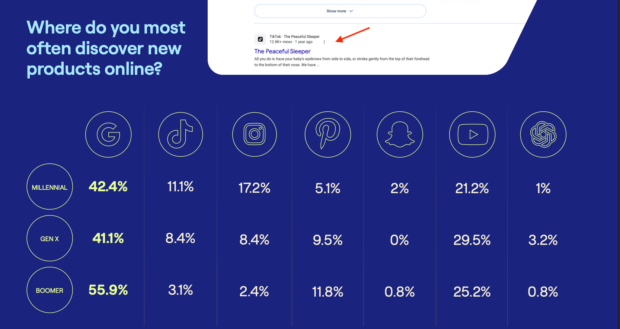
Pinterest users are 90% more likely to state that they are "ready to shop" compared to users on other social platforms. Marketing content should be designed to bridge the gap between inspiration and transaction. Using shoppable pins and clear calls-to-action is no longer optional—it is expected by the user.
3. Consistency Over Virality
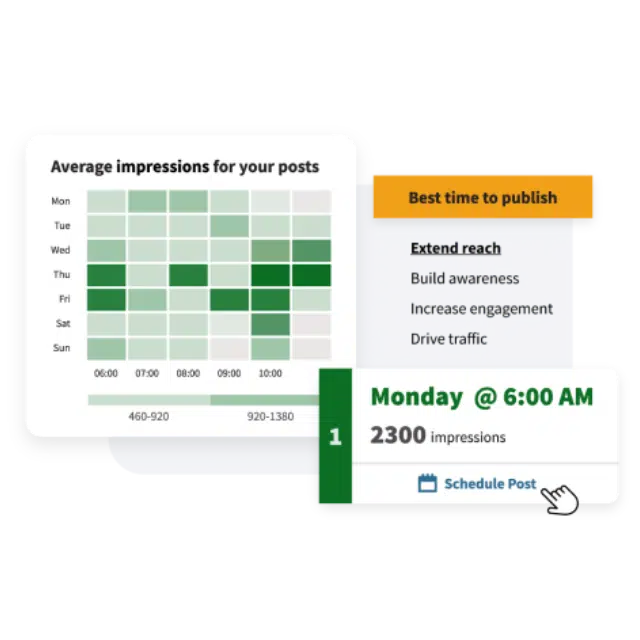
The rise in the number of posts published by brands—now averaging 10 per week—indicates that the algorithm favors consistent, high-quality content over sporadic "viral" hits. Brands that commit to a regular posting schedule, particularly on Tuesdays and Fridays at midday, are seeing higher engagement rates.
4. Small Business Advantage
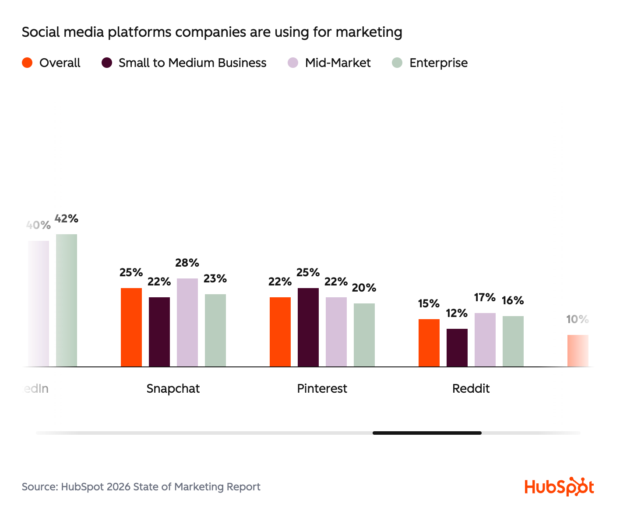
Interestingly, small and mid-sized businesses (SMBs) are currently leveraging the platform more effectively than large enterprises, with 25% of SMBs using Pinterest for marketing compared to 20% of large corporations. This indicates that the barrier to entry is low and that the platform is currently an under-utilized goldmine for brands with limited advertising budgets but strong visual identities.
Conclusion
Pinterest has matured into a sophisticated marketing channel that rewards utility, intent, and visual storytelling. While it may not offer the massive, rapid-fire dopamine hits of short-form video platforms, it offers something arguably more valuable: a reliable, high-intent audience that is ready to purchase.
As we look toward the remainder of 2026, the brands that win on Pinterest will be those that stop treating it as a secondary social media outlet and start treating it as a primary pillar of their e-commerce and discovery strategy. By aligning content with the user’s search intent and leaning into the platform’s unique "inspiration-first" culture, marketers can unlock a consistent, long-term stream of qualified traffic that effectively converts browsing into buying.
 Reynand Wu
  Muslim
  Nila Kartika Wati