
 By Sagoh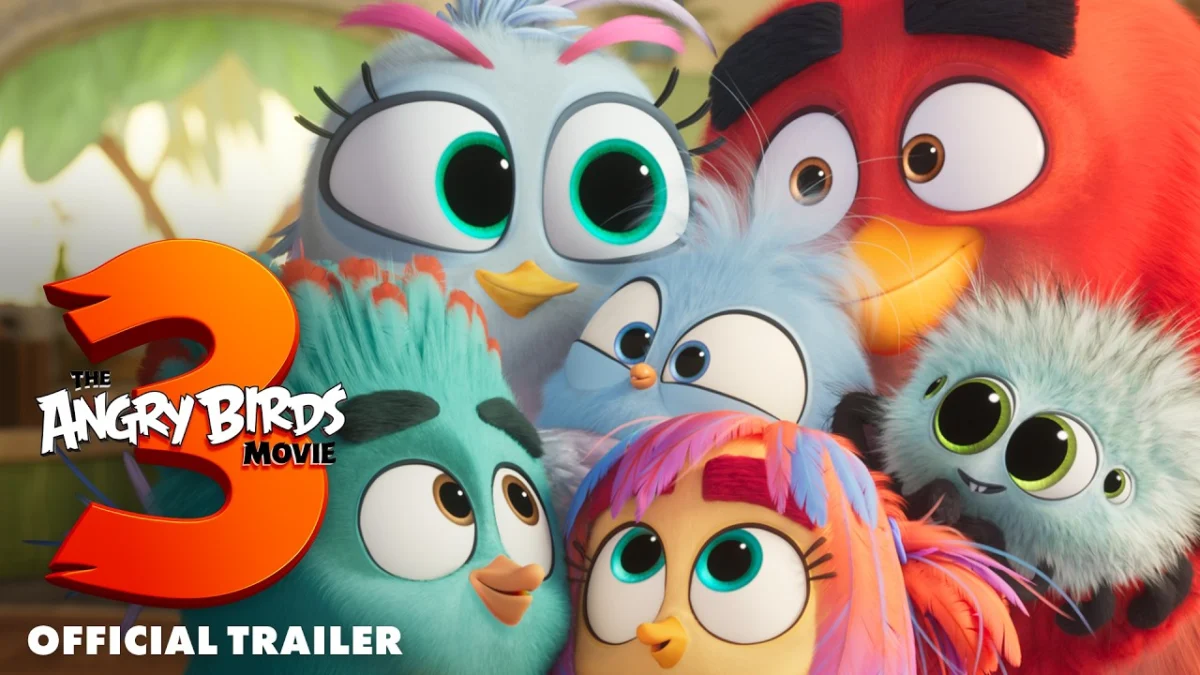
The eagerly anticipated trailer for "The Angry Birds Movie 3," set for a December 23, 2026 release, has landed with a resounding thud among its passionate fanbase, sparking widespread online backlash. Far from generating excitement, the first look at the third installment in the animated franchise has become a lightning rod for criticism, primarily targeting a perceived animation downgrade and a drastic thematic pivot from high-flying adventure to mundane parental struggles. This unexpected reception raises critical questions about the film’s creative direction, the future of the beloved franchise, and the delicate balance between evolving a story and alienating its core audience.
When "Angry Birds" first launched on iOS devices in 2009, few could have predicted that a deceptively simple mobile game, centered on catapulting disgruntled avians at mischievous pigs, would not only dominate the gaming world but also spawn a successful multimedia empire. Over a decade later, the franchise boasts a trio of animated feature films and a multi-season Netflix series, testament to its enduring, albeit surprising, global appeal. However, the initial reveal for "The Angry Birds Movie 3" suggests a significant departure from the formula that cemented its cinematic predecessors as unexpected box office hits, leaving fans bewildered and vocal in their disapproval.
The core of the online uproar stems from two principal grievances. Firstly, fans are expressing profound disappointment that the film, contrary to widespread hopes and speculative theories, will not venture into the cosmic frontier, a setting many believed was the logical next step for the high-energy series. Instead, the narrative appears to anchor itself firmly on Bird Island, focusing on the domestic tribulations of fatherhood. Secondly, and perhaps more controversially, is the noticeable shift in animation style, which many viewers have quickly labeled a "downgrade," accusing the film of adopting a visual aesthetic more akin to direct-to-streaming television specials rather than a major theatrical release. This dual creative choice has provoked a storm of negative commentary, threatening to overshadow the film’s impending holiday season debut.
From Mobile Phenomenon to Cinematic Universe: A Franchise’s Journey
The "Angry Birds" saga is a remarkable testament to the unpredictable nature of popular culture, demonstrating how a simple, addictive concept can snowball into a global entertainment powerhouse. Understanding the context of its origins and previous cinematic ventures is crucial to grasping the depth of the current fan disappointment.
The Unexpected Rise of "Angry Birds" (2009-2016)
The genesis of the "Angry Birds" phenomenon lies in its 2009 mobile game debut by Finnish developer Rovio Entertainment. At a time when the smartphone app market was still nascent, "Angry Birds" captured the zeitgeist with its intuitive physics-based puzzle gameplay, charmingly expressive characters, and satisfyingly destructive mechanics. Players quickly became engrossed in the quest to reclaim stolen eggs from the villainous green pigs, using a slingshot to launch birds with unique abilities. The game’s simple premise, combined with its accessibility and increasing complexity, led to astronomical success, making it one of the most downloaded mobile games of all time.
Its cultural footprint extended far beyond mobile screens. "Angry Birds" became a merchandising juggernaut, with toys, apparel, and themed attractions proliferating worldwide. This unprecedented success naturally paved the way for cinematic adaptation. The announcement of "The Angry Birds Movie" in 2013 was met with a mix of anticipation and skepticism. How could a plotless mobile game translate into a compelling feature film? Released in 2016 by Sony Pictures Releasing, the film exceeded expectations, both critically and commercially. It introduced audiences to Red (voiced by Jason Sudeikis), a perpetually grumpy bird, and his equally unique friends, Bomb and Chuck, establishing a vibrant, albeit chaotic, world. The animation style of the first film was lauded for its vibrant, stylized 3D look, characterized by exaggerated physics and slapstick energy that perfectly mirrored the game’s core appeal. It was a visual feast that embraced the inherent silliness and kinetic action of its source material, laying a strong foundation for the franchise’s cinematic future.
Expanding Horizons and Fan Expectations: "The Angry Birds Movie 2" (2019)
Following the success of its predecessor, "The Angry Birds Movie 2" arrived in 2019, again distributed by Sony. This sequel was often hailed as an improvement, garnering stronger critical reviews and further expanding the lore of Bird and Pig Islands. The narrative ingeniously introduced a new common enemy, Zeta, from the icy Eagle Island, forcing Red and Leonard, the pigs’ leader, to form an uneasy alliance. This film demonstrated the franchise’s capacity for narrative growth and character development, particularly for Red, who began to shed some of his "angry" persona while still retaining his core identity.
Crucially, "The Angry Birds Movie 2" introduced elements that subtly, or perhaps inadvertently, fueled fan expectations for a space-themed third installment. The advanced technology on Eagle Island, the exploration of new, exotic locales, and the very concept of a villain from another, distinct island, hinted at an expanding universe ripe for further exploration. Characters like Silver, Chuck’s intelligent sister, with her innovative inventions, also suggested a future where technological advancements could facilitate intergalactic travel. Many fans saw a logical progression for an action-comedy franchise to eventually venture beyond its planetary confines, exploring new threats and environments. This underlying anticipation created a strong, unspoken desire for "Angry Birds Movie 3" to take its characters to the stars, making the current trailer’s terrestrial focus all the more jarring. The franchise also saw an extension with the "Angry Birds: Summer Madness" Netflix series, which kept the characters and world alive for younger audiences, reinforcing the brand’s continuous presence.
The Road to "Angry Birds Movie 3": A Shift in Direction?
The period following "The Angry Birds Movie 2" saw a gap in theatrical releases, a common occurrence for animated franchises as studios carefully plan their next moves. The announcement of "The Angry Birds Movie 3" was met with cautious optimism, with fans eager to see where the narrative would go next. However, a significant change has occurred behind the scenes: the distribution rights have shifted from Sony Pictures to Paramount Pictures. Such a change can often signal a fresh creative approach, a re-evaluation of target demographics, or a new strategic vision for the franchise. While not inherently negative, a change in studio can lead to a shift in tone, style, or narrative emphasis, as new production teams bring their own perspectives to an established property.
This change in distribution, coupled with the extended hiatus, set the stage for a highly anticipated reveal. Fans, having built up years of speculative excitement, were primed for a trailer that would deliver on the promise of an evolving, action-packed universe. Instead, the first glimpse of "The Angry Birds Movie 3" has left many feeling that the franchise has not merely evolved, but fundamentally veered off course, neglecting the very elements that fostered its passionate following. The sudden pivot to a "parenting" theme, combined with the visual alterations, suggests that Paramount and the new creative team might be aiming for a different segment of the audience, potentially at the expense of the established fanbase.
A Deep Dive into Fan Grievances: Aesthetics, Narrative, and Expectations
The collective outcry from fans is not simply about minor tweaks but reflects a profound concern that the essence of "Angry Birds" is being diluted. The criticisms are specific, touching upon both the visual presentation and the thematic core of the upcoming film.
The Animation Debate: "Downgrade" or Deliberate Evolution?
Perhaps the most immediately striking and widely criticized aspect of "The Angry Birds Movie 3" trailer is its animation style. The first two films, developed under Sony, showcased a distinctive aesthetic: a stylized, cartoony 3D look characterized by vibrant colors, exaggerated character proportions, and highly kinetic, almost rubber-hose animation physics. This style was a direct translation of the game’s slapstick energy, allowing for dynamic action sequences and expressive character performances that amplified the humor and impact of every slingshot launch.
The new trailer, however, presents a stark contrast. Viewers have pointed out a "smoother aesthetic with softer lighting and rounder character designs." The animation appears less frenetic, less "kinetic chaos," and more polished in a way that, ironically, many perceive as cheaper or less distinctive. One fan’s viral tweet starkly highlighted this perceived regression: "I’m so confused though? How does this downgrade in animation even happen??? (Mind you, Movie 1 was animated by Rovio’s own studio who had never made anything of such scale before it and Movie 3 is being done by DNEG, an actual professional animation studio)." This comparison is particularly damning, as DNEG is a globally renowned visual effects and animation company, celebrated for its work on blockbuster films like "Inception," "Dune," and numerous Marvel entries. The expectation was that DNEG’s involvement would elevate the animation, not diminish it.
The sentiment that the visuals "look cheaper" and "dilute the iconic angry edge" is prevalent. Fans argue that the softer, rounder designs strip the characters, particularly Red, of their distinct personality and the underlying "anger" that is central to the franchise’s identity. This visual shift could be a conscious decision to match the film’s new thematic focus on parenting, aiming for a gentler, more approachable aesthetic. However, for a fanbase accustomed to the exaggerated, high-energy visuals of the previous films, this change feels like a loss of identity. It evokes a common complaint in the animation industry where theatrical features, under budget constraints or a push for broader appeal, sometimes adopt a visual quality reminiscent of television series, leading to comments such as, "This looks like those animated TV shows they make after the movies." This perception suggests a move away from the high-quality cinematic experience that defined the first two films towards a more generic, made-for-streaming aesthetic.
The Narrative Shift: "Family Birds" vs. Galactic Adventures
Beyond the animation, the narrative direction revealed in the trailer has become another major point of contention. The official synopsis indicates that "The Angry Birds Movie 3" will follow Red, now a father of three alongside his partner Silver, as he grapples with the "tribulations of being a dad." The trailer itself appears to prominently feature a "long pee joke," an element that further reinforces the perceived shift towards more mundane, perhaps overtly childish, humor and a domestic setting.
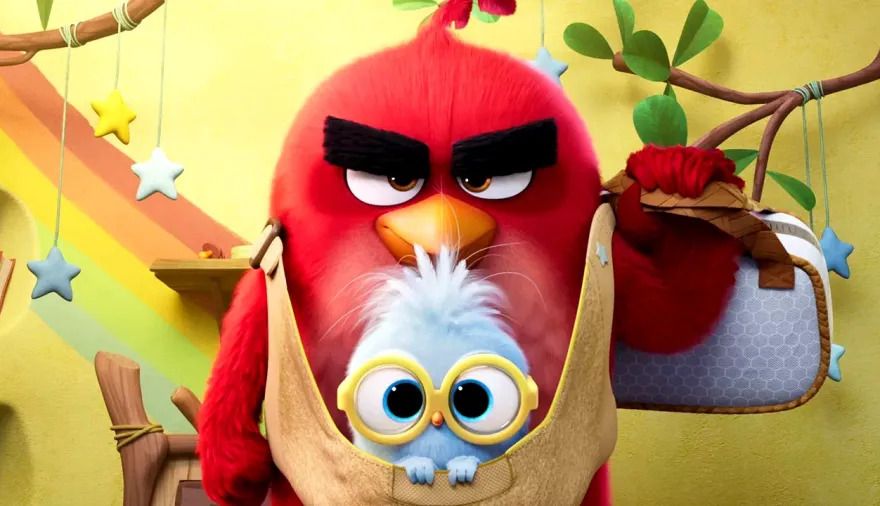
This thematic pivot has been met with incredulity, largely because fans had cultivated a strong desire for a space-themed adventure. The previous film’s exploration of new islands and the introduction of advanced technologies (like Zeta’s superweapon) naturally led many to believe that the next logical step was to expand the universe beyond their planet. A cosmic journey would have offered fresh challenges, spectacular new environments, and opportunities to introduce innovative gameplay mechanics and characters, all while staying true to the franchise’s core of action and conflict. It would have allowed the "angry" birds to tackle universal threats, maintaining the high-stakes adventure that characterized their earlier cinematic outings.
Instead, the trailer presents a story rooted in the everyday struggles of parenting. While exploring mature themes can be beneficial for a franchise, the abruptness of this shift, coupled with the lack of any prior hints, feels jarring to the existing fanbase. The "angry" aspect of the birds, traditionally central to their identity and the humor derived from their destructive capabilities, seems to be sidelined in favor of a more subdued, family-oriented narrative. As one fan succinctly put it in a viral comment, "This ain’t Angry Birds, this is Family Birds." This sentiment perfectly encapsulates the feeling that the film is sacrificing the core identity of its characters for a theme that might appeal to a different, possibly younger, demographic, but at the cost of alienating the loyal audience who grew up with Red’s iconic rage. The choice of a parenting theme, combined with the softer animation, could be an attempt to create a more relatable, gentler experience, but it risks stripping away the very elements that made "Angry Birds" unique and successful in the first place.
Silence from the Flock: Industry Responds to the Squawk
In the immediate aftermath of the trailer’s release and the subsequent online uproar, there has been a notable silence from Paramount Pictures, the film’s new distributor, and the creative team behind "The Angry Birds Movie 3." As of the time of writing, no official statements have been released to address the widespread fan criticism regarding the animation style, thematic shift, or the specific narrative choices highlighted in the trailer.
This lack of immediate response is not entirely uncommon in the entertainment industry. Studios often adopt a wait-and-see approach, monitoring social media sentiment without directly engaging in the discourse, especially for animated films which have long production cycles and are difficult to alter significantly at this late stage. An official response, if it comes, would likely involve a carefully crafted statement. Paramount might choose to defend the creative choices as a deliberate evolution of the characters and narrative, emphasizing the exploration of new themes like responsibility and growth for Red. They could argue that the film aims to appeal to a broader audience, including those who have grown up with the franchise and are now parents themselves, or a new generation of younger viewers.
Regarding the animation, a common studio tactic is to state that "the trailer is not representative of the final product," or to explain the stylistic changes as a conscious artistic decision intended to match the film’s new narrative tone. They might highlight the specific talents of DNEG and reassure fans of the quality, even if the aesthetic has shifted. The target audience is also a crucial consideration here; if the film is indeed aiming for a younger demographic than the previous entries, the animation and narrative might be tailored accordingly, even if it diverges from what the existing fanbase expects.
However, the longer the silence persists in the face of such vocal criticism, the more entrenched fan dissatisfaction can become. While studios rarely fundamentally alter a film based on trailer reactions, they often adjust marketing strategies or messaging to address perceived concerns. The absence of any official acknowledgment leaves fans feeling unheard and further solidifies the perception that their expectations are being ignored.
Feathers Ruffled: The Broader Implications for the "Angry Birds" Franchise and Animation Industry
The intense negative reaction to "The Angry Birds Movie 3" trailer carries significant implications, not only for the future of this specific franchise but also for broader trends within the animation industry concerning fan engagement, creative direction, and market positioning.
A Critical Holiday Season for the Franchise
The decision to release "The Angry Birds Movie 3" on December 23, 2026, places it squarely in the competitive holiday box office window. This period is traditionally lucrative for family-friendly films, but it also means facing stiff competition. The current fan backlash poses a substantial threat to the film’s commercial viability. Will the online "roasting" translate into a tangible disinterest at the box office? A passionate fanbase, though not always representative of the general public, can significantly influence early buzz and word-of-mouth, which are crucial for a film’s success. If the established fans, who have loyally supported the game, previous movies, and merchandise, feel alienated, it could severely dampen opening weekend numbers and overall theatrical performance.
This film could very well be a make-or-break moment for the "Angry Birds" cinematic universe. A poor performance could signal franchise fatigue, indicating that the brand’s appeal has waned, or, more specifically, that this particular creative direction was a misstep. Conversely, if the film manages to find a new audience or if the current backlash proves to be an overreaction from a vocal minority, it might pave the way for future installments, albeit with a potentially redefined brand identity. The success or failure of "The Angry Birds Movie 3" will undoubtedly inform Paramount’s future decisions regarding the property, determining whether this avian franchise will continue to take flight or finally lose its feathers.
The Delicate Balance of Fan Expectations and Creative Evolution
The "Angry Birds Movie 3" controversy is a potent case study in the perennial challenge faced by long-running franchises: how to evolve creatively without alienating a dedicated fanbase. Audiences often develop strong attachments to characters, settings, and established tones. When a new installment deviates too drastically from these expectations, particularly regarding core elements like animation style or narrative focus, it can trigger significant backlash.
The franchise landscape is littered with examples of both successful and unsuccessful attempts at reinvention. Films like "Toy Story 3" and "Spider-Man: Into the Spider-Verse" demonstrated how to evolve narratives and visual styles while staying true to the essence of their characters, garnering both critical acclaim and commercial success. On the other hand, entries that have strayed too far, either in tone or execution, have faced fan rejection and commercial disappointment. The "Angry Birds Movie 3" situation highlights the power of online fan communities, who now have unprecedented platforms to voice their opinions and exert pressure on studios. The digital age means that audience reception to trailers can instantaneously shape public perception and potentially impact a film’s trajectory months before its release. Striking a balance between delivering fan service and pushing creative boundaries remains one of the most formidable tasks for creators in established universes.
Animation Trends and Audience Perceptions
The animation debate surrounding "The Angry Birds Movie 3" also reflects broader trends and evolving audience perceptions within the CGI animation industry. In an increasingly saturated market, where streaming platforms churn out vast amounts of animated content, theatrical films are expected to deliver a distinct and superior visual experience. The criticism that the new "Angry Birds" animation looks "like those animated TV shows" underscores a growing discernment among audiences regarding production values.
There’s a concern that the "streaming aesthetic" – often characterized by more generic character designs, softer lighting, and less dynamic animation due to tighter budgets and faster turnaround times – might be creeping into theatrical releases. This homogenization can dilute the unique visual identity that once distinguished animated films and made them compelling cinematic events. For "Angry Birds," a franchise that began with a distinct visual style directly mirroring its game origins, a perceived shift towards a more conventional or less kinetic look could be interpreted as a step backward. It emphasizes the importance of a strong, consistent, and visually engaging aesthetic in helping an animated film stand out and justify its theatrical release in a crowded media landscape.
Ultimately, the backlash against "The Angry Birds Movie 3" trailer is more than just internet noise; it’s a critical barometer of audience expectations and a warning to studios about the perils of underestimating the emotional investment fans have in their beloved franchises. Whether Paramount can navigate this stormy reception and guide Red and his family to a successful landing remains to be seen, but the initial squawks from the flock suggest a challenging flight ahead.
 Evan Lee Salim
  Nana
Nana  Ammar Sabilarrohman