The digital age has brought unprecedented convenience to gaming, but it has also introduced a fragility that collectors and historians have long feared. Sony Interactive Entertainment has officially confirmed the final chapter for its legacy digital storefronts, announcing a phased termination of the PlayStation Store for the PlayStation 3 (PS3) and PlayStation Vita. This move marks a definitive step away from the infrastructure that defined the seventh and eighth generations of gaming, signaling the end of an era for two of the most beloved consoles in Sony’s history.
The Phased Shutdown: A Chronology of Access
The withdrawal of digital services will not happen all at once, but rather through a staggered rollout that gives regional users varying amounts of time to finalize their digital collections.
Initial Market Closures (2026)
The transition begins in select territories later this year. Starting in August 2026, the PlayStation Store will cease operations on the PS3 in Mexico, Honduras, and Nicaragua. Sony has indicated that this initial wave will be followed by a broader decommissioning process across additional nations in Latin America and the Middle East throughout the remainder of 2026.
The Global Sunset (2027)
The most significant date for the global gaming community is July 2027. On this date, Sony will shutter the PlayStation Store for both the PS3 and PS Vita in all remaining territories worldwide. Once this deadline passes, the ability to purchase new games, downloadable content (DLC), or themes for these devices will be permanently disabled.
It is important to note, however, that the shutdown does not immediately equate to a "blackout." Sony has clarified that users will retain the ability to redownload games they have previously purchased and linked to their PlayStation Network (PSN) accounts. While the storefront itself will vanish, the back-end servers responsible for hosting previously acquired content will remain operational "for the foreseeable future," though Sony has stopped short of providing a permanent guarantee for this access.
Contextualizing the Legacy: Two Decades of Digital Evolution
To understand the weight of this decision, one must look at the age of the hardware involved. The PlayStation 3, which launched in 2006, is celebrating its 20th anniversary this year. At the time of its release, the PlayStation Store was a revolutionary, albeit clunky, experiment in digital distribution. It provided a lifeline for indie developers and a platform for classic titles that might otherwise have been forgotten.
The PlayStation Vita, arriving in 2011, serves as the final dedicated handheld effort from Sony. Despite a difficult commercial performance, it garnered a passionate cult following, largely due to its high-fidelity portable gaming and its integration with the PSN ecosystem. As these consoles reach 20 and 15 years of age respectively, Sony’s decision to sunset these stores reflects the natural—if painful—lifecycle of aging consumer electronics.
Official Responses and Strategic Rationale
Sony’s official communication regarding the closures strikes a balance between corporate pragmatism and empathetic acknowledgment of the community’s sentiment. In a statement released on the official PlayStation Blog, the company addressed the emotional weight of the announcement:
"We know this news may be disappointing to PS3 and PS Vita players who hold a special place in their hearts for this generation of gaming. As we continue to expand the PlayStation experience on newer devices that most of our users are playing on today, we need to focus more resources on delivering the best gaming experiences on these platforms as we look ahead towards the future."
From a technical and operational standpoint, the justification is clear. Maintaining legacy storefronts requires ongoing security patches, server maintenance, and compliance with modern data protection regulations. As the user base for PS3 and PS Vita hardware dwindles in favor of the PlayStation 5 and the PlayStation Plus subscription ecosystem, the cost-benefit analysis for Sony has shifted toward consolidation.
Implications for Digital Preservation
The announcement of the store closures has reignited a fierce debate regarding digital preservation in the video game industry. With the closure of these stores, hundreds of titles—many of which never received a physical release—face the threat of becoming "abandonware."
While Sony’s promise to allow redownloads of past purchases provides a temporary buffer, the history of digital media has shown that "foreseeable future" is a finite term. Eventually, the servers hosting these files will be decommissioned, rendering the digital libraries of millions of users inaccessible unless they have local backups or have turned to the controversial, yet necessary, world of emulation and fan-driven archival projects.
The Shift Toward a Physical-Free Future
Compounding the concern for preservationists is the broader trend within the industry. This announcement arrives in tandem with reports that Sony is moving toward a total cessation of physical disc production for games released after January 2028.
The convergence of these two policies—the shuttering of legacy digital stores and the potential end of physical media production—suggests a future where gaming is entirely ephemeral. When software is tethered exclusively to a digital ecosystem controlled by a single corporation, the lifespan of that software becomes entirely dependent on the commercial viability of that corporation’s cloud infrastructure.
What Should Collectors Do Now?
For those who rely on the PS3 and PS Vita for their gaming needs, the countdown has begun. Industry experts and preservationists recommend several immediate steps for owners of these consoles:
Inventory Your Library: Use the remaining time to identify "digital-only" titles—games that were never released on disc—and prioritize purchasing them while the storefronts are still active.
Verify Account Credentials: Ensure that your PSN account is secure and that you have access to the email address associated with it, as account recovery will become significantly more difficult once the stores are deprecated.
Local Storage Management: While Sony allows redownloads for now, the most secure way to preserve your library is to download the files directly to the console’s hard drive or memory card.
Explore Physical Alternatives: For titles that have physical counterparts, consider sourcing these copies on the secondary market. Physical media remains the only way to ensure access to a game that is independent of a digital store’s uptime.
Conclusion: The Price of Progress
Sony’s decision to close the PS3 and PS Vita stores is a standard corporate maneuver designed to streamline operations and focus on modern hardware. However, it serves as a stark reminder of the limitations of modern digital ownership. We are currently witnessing a generational shift where the tangible artifacts of gaming history are being replaced by license agreements that can be revoked at any time.
As the July 2027 deadline approaches, the gaming community is faced with a choice: to passively accept the sunset of these classic platforms, or to take an active role in the preservation of the medium. For Sony, the move is a necessary step toward the future; for the players, it is a bittersweet farewell to the era that transformed gaming from a niche hobby into a dominant cultural force. The storefronts may be closing, but the games they hosted remain a vital part of the history of interactive entertainment.

 By Lina Irawan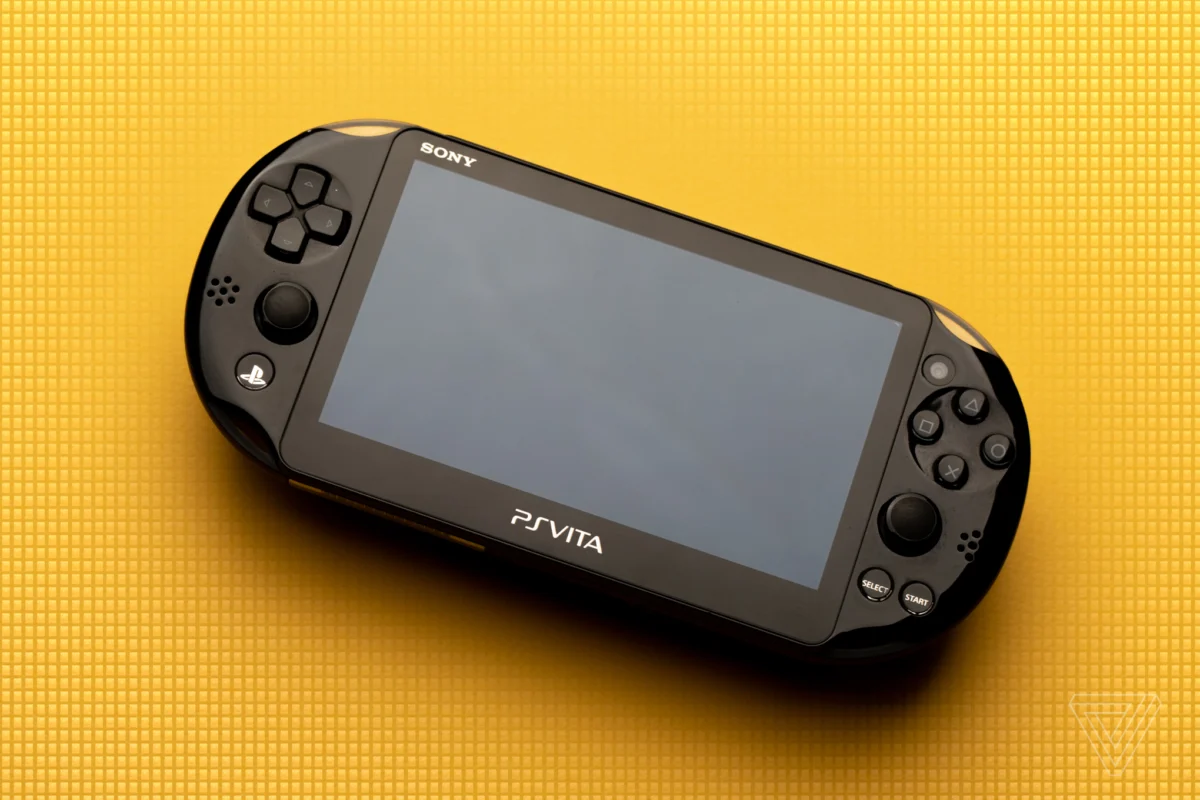

 Raul Delapena Setiawan
  Siti Muinah
  Asro
Asro 