
 By Asep Darmawan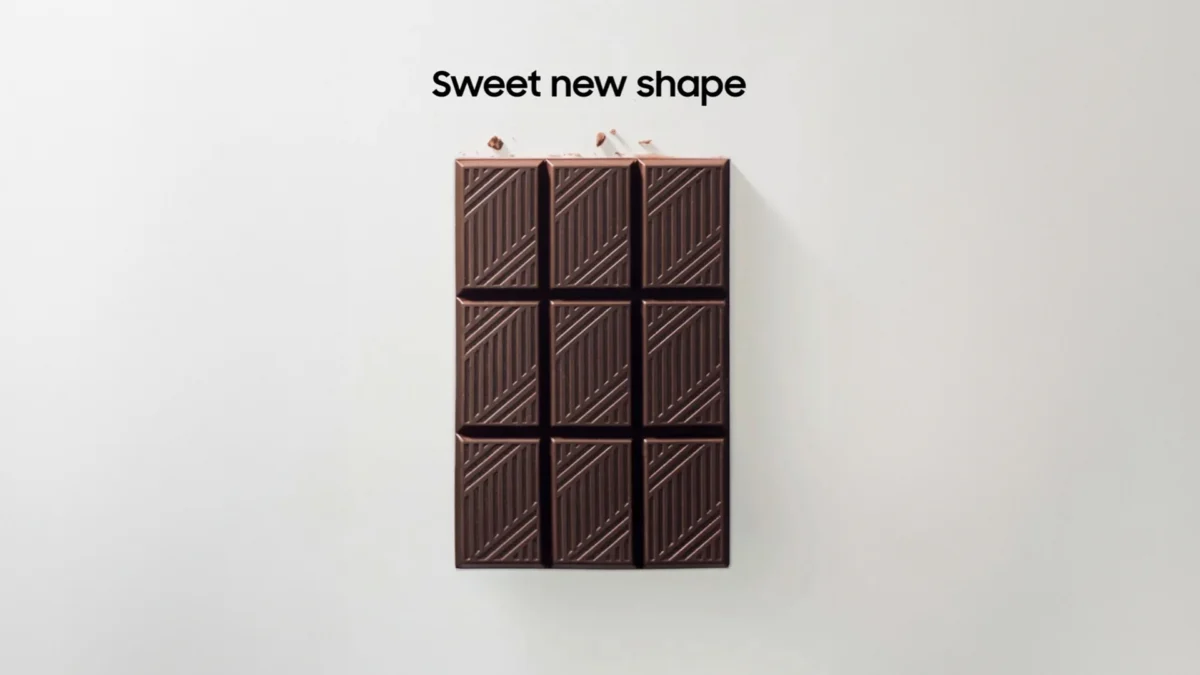
Unpacking the Anticipation: Samsung’s Strategic Tease for its Next-Generation Foldable
SEO Keywords: Samsung, Galaxy Z Fold 8, foldable phone, smartphone, tech news, mobile technology, ASMR teasers, innovation, design, market trends, competition.
Samsung, a titan in the global technology landscape and a pioneer in the burgeoning foldable smartphone market, has ignited a wave of speculation and excitement among tech enthusiasts with a series of ingeniously cryptic teasers. These short, visually captivating videos, primarily disseminated across its social media channels, particularly Instagram, consistently underscore a singular, compelling theme: a radical shift in "shape." While the South Korean conglomerate has yet to officially unveil the product, the overwhelming consensus among industry observers and fervent fans points towards the highly anticipated Samsung Galaxy Z Fold 8, a device poised to redefine the foldable phone experience with a distinctive and more compact form factor.
The current generation of Samsung’s foldable devices, particularly the Galaxy Z Fold series, has been instrumental in shaping the premium smartphone segment, offering users an unprecedented blend of a traditional smartphone and a tablet in one elegant package. With a strong reputation for producing some of the best camera phones and pushing the boundaries of display technology, the expected Galaxy Z Fold 8 carries the immense burden of expectation. Yet, the current surge of hype, seemingly orchestrated by these deceptively simple visual cues – a "rectangle" – suggests that Samsung is not merely planning an iterative update but a substantial reimagining of its flagship foldable. This strategic marketing campaign, steeped in mystery and sensory engagement, hints at a design philosophy prioritizing ergonomics, portability, and a more intuitive user experience, promising a "sweet new shape" that feels "just right."
Main Facts: A Glimpse into the "Sweet New Shape"
Samsung’s latest promotional blitz revolves around a central, intriguing concept: a fundamental alteration in the physical dimensions and perceived user experience of its next-generation device. The core message, conveyed through a series of short, artfully crafted videos, emphasizes a "new shape" that diverges significantly from the established tall, slim profile of contemporary smartphones, including previous iterations of the Galaxy Z Fold.
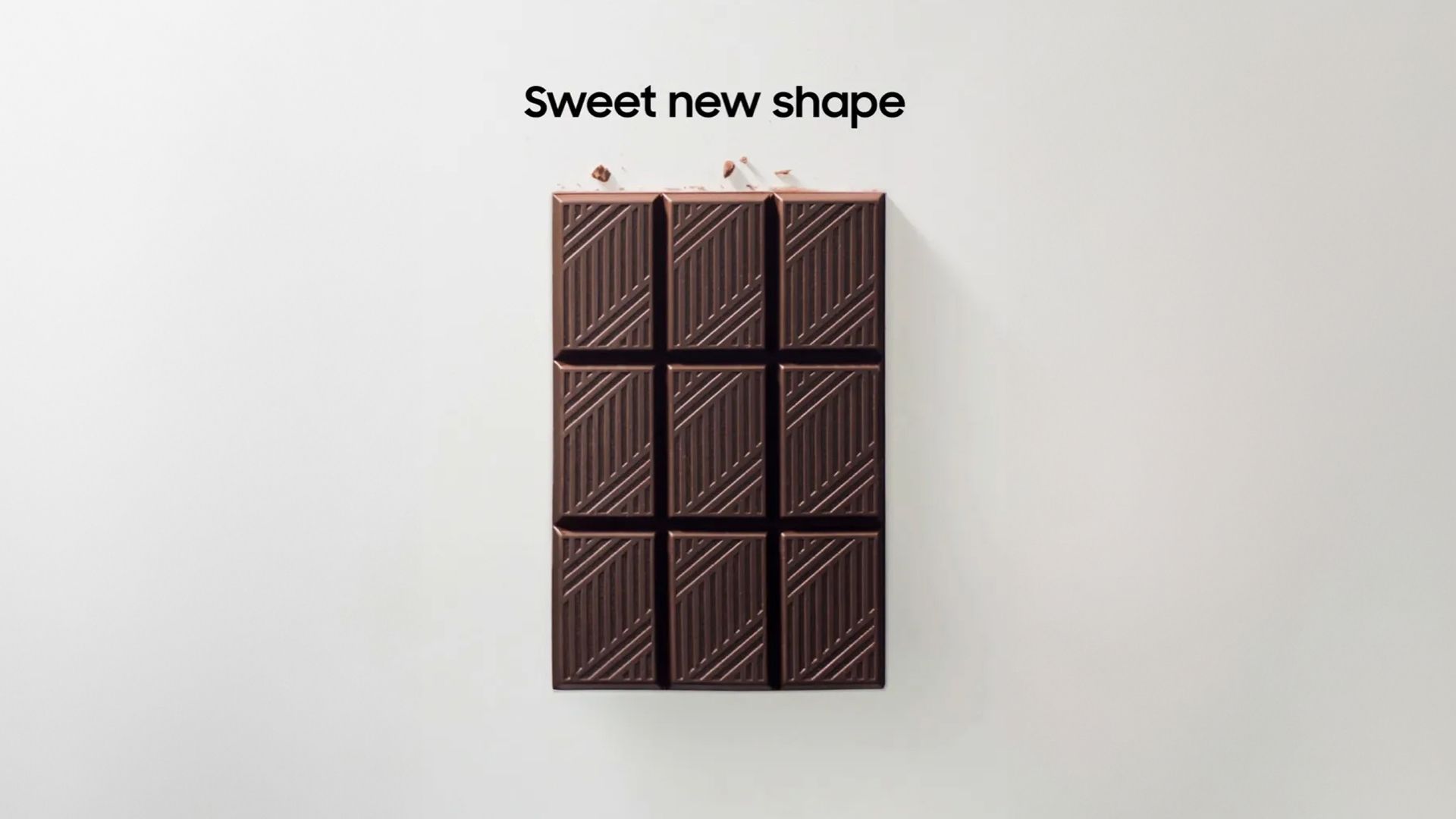
The teasers showcase a device that is "notably shorter" and possesses a "dinkier size," characteristics that Samsung cryptically frames as "a cut to what matters" and a design that "feels just right." This subtle yet profound messaging suggests a deliberate move towards a more ergonomic and pocketable form factor, potentially addressing common user feedback regarding the bulkiness or unwieldiness of larger foldable devices when closed. The visual language employed in these teasers, ranging from the satisfying slice of a pizza to the crisp break of a chocolate bar, serves not only to hint at the new dimensions but also to engage viewers through the popular ASMR (Autonomous Sensory Meridian Response) trend, amplifying anticipation through sensory stimulation.
Crucially, one particular video offered a more concrete hint, appearing to inadvertently confirm the widespread rumors surrounding the Galaxy Z Fold 8. This clip commenced with an abstract interplay of vibrant pink, purple, and orange paint splodges, which are then meticulously squeegeed away. The revealing action doesn’t just clear the canvas; it unveils what is believed to be the new Galaxy Z Fold 8 wallpaper, seamlessly integrated with the debut of the "compact new shape." This deliberate reveal, even within the context of abstract art, strongly suggests that Samsung is preparing to launch a device that retains its foldable essence but presents it in a more refined and user-friendly form factor, poised to capture the imagination of a discerning global audience. The focus is squarely on how this new physical design will translate into an enhanced daily interaction for users, making the cutting-edge technology feel more natural and integrated into their lives.
Chronology: The Unfolding Narrative of Anticipation
The current wave of excitement surrounding Samsung’s next foldable began to swell with the strategic deployment of its cryptic teasers across various digital platforms, primarily its official Instagram page. This marketing strategy marks a deliberate shift from traditional pre-launch campaigns, leaning heavily on enigma and sensory engagement to build anticipation organically.
The Initial Whisper: Cryptic Visuals Emerge
The first hints surfaced as short, enigmatic video clips, devoid of any explicit product names or dates. These initial teasers prominently featured everyday objects being reshaped or resized, always culminating in a silhouette or a visual representation of a "new shape." Objects like a block of clay being molded, a piece of fabric being precisely cut, or even abstract animations of geometric forms transforming, all pointed towards a departure from the conventional. The accompanying text overlays, such as "A sweet new shape is coming" or "Prepare for a new dimension," were designed to pique curiosity without revealing specifics. The ASMR quality of these early videos, with satisfying sounds of cutting, snapping, or molding, added another layer of engagement, drawing viewers in through an auditory experience that complemented the visual mystery. This initial phase was about establishing the core theme: change is on the horizon, and it’s all about the form.
Escalating the Intrigue: "Cut to What Matters"
As the campaign progressed, the teasers became slightly more suggestive, though still maintaining their cryptic nature. Videos showcasing the precise slicing of a pizza, the clean break of a chocolate bar, or the trimming of a photo hinted at a more compact, perhaps wider-when-folded, form factor. The messaging evolved to include phrases like "A cut to what matters" and "Feels just right," which provided a glimpse into Samsung’s potential design philosophy. These phrases implied a focus on user comfort, ergonomics, and efficiency – suggesting that the new shape isn’t merely an aesthetic choice but a functional one, aimed at improving the practical usability of the device in its folded state. This period saw increased online discussion and fan theories, with the community actively trying to decipher the clues, fueling organic reach and engagement for Samsung.
The Unveiling Hint: A Wallpaper and a Form
The climax of this initial teaser phase arrived with the most revealing clip, which, while still presented artistically, offered a near-confirmation of the product and its key design element. This video, beginning with a vibrant, abstract composition of paint, depicted the colors being meticulously squeegeed away to reveal a distinct wallpaper design. Crucially, as the wallpaper became visible, it was contained within the contours of a compact, previously unseen device shape. This new form factor was notably different from the taller, narrower profile of the current Galaxy Z Fold models, aligning perfectly with the "shorter" and "dinkier" descriptions from earlier teasers.
The revelation of what appeared to be the official wallpaper, coupled with the distinct outline, strongly suggested that this was indeed the Galaxy Z Fold 8. This particular teaser effectively transitioned the speculation from "what product?" to "what will its exact dimensions and features be?" The timing of these teasers typically precedes a major Samsung Unpacked event, where the company formally introduces its flagship devices. Historically, Samsung uses these events to showcase its technological prowess and outline its vision for the future of mobile computing. The current chronological progression of these teasers aligns perfectly with the typical pre-announcement hype cycle, building a crescendo of anticipation leading up to an official launch that is now widely expected to unveil the Galaxy Z Fold 8 in all its "sweet new shape" glory.
Supporting Data: The Foldable Frontier and Design Evolution
Samsung’s teaser campaign for the supposed Galaxy Z Fold 8 isn’t happening in a vacuum; it’s set against a backdrop of a rapidly evolving foldable smartphone market and Samsung’s own strategic commitment to this innovative category. Understanding the "new shape" requires a deeper dive into market trends, technological advancements, design philosophies, and the competitive landscape.
The Ascendance of Foldables: A Growing Market Segment
The foldable smartphone market, once a niche segment plagued by high prices and durability concerns, has matured significantly. Reports from market intelligence firms like Counterpoint Research and IDC consistently highlight the impressive growth trajectory of foldables. While still a small fraction of the overall smartphone market, foldables are projected to experience exponential growth in the coming years, driven by technological improvements, increased competition, and gradually falling prices. Samsung has been a dominant force in this segment since the tumultuous launch of the first Galaxy Fold, continuously refining its designs with subsequent generations of the Z Fold and Z Flip series. The company has consistently held a significant market share, establishing itself as the de facto leader in foldable innovation.
This leadership position, however, is being increasingly challenged. Competitors such as Google with its Pixel Fold, OnePlus with the OnePlus Open, Huawei, Xiaomi, and Motorola with its Razr series, are all vying for a piece of the pie. Each competitor brings its own interpretation of the foldable design, often experimenting with different aspect ratios, hinge mechanisms, and software optimizations. For Samsung, maintaining its edge requires not just incremental updates but bold, user-centric innovations – precisely what a "new shape" might represent.
Design Philosophy: Ergonomics, Portability, and User Experience
The phrases "cut to what matters" and "feels just right" strongly suggest a refined design philosophy for the Galaxy Z Fold 8. Previous iterations of the Z Fold, while technologically impressive, have often faced criticism for their somewhat bulky form factor when folded, and their tall, narrow external display. These characteristics, while inherent to the early stages of foldable technology, could sometimes make the device feel less like a traditional smartphone and more like a specialized gadget.
A "dinkier size" and a "shorter" profile could imply several crucial design changes:
- Wider External Display: A shorter device, when maintaining its internal screen size, would necessitate a wider external display. This would bring the Z Fold 8 closer to the aspect ratio of a conventional smartphone, significantly enhancing the usability of the outer screen for everyday tasks like typing, browsing, and app navigation without needing to unfold the device as frequently. This addresses a major pain point for many users of earlier Fold models.
- Improved Ergonomics: A wider and shorter form factor could make the device easier to grip and operate with one hand when folded, improving overall comfort and portability. This would make it feel more like a "normal" phone in the pocket or hand.
- Reduced Bulk: While the internal screen size is likely to remain large, optimizing the hinge mechanism and internal components could lead to a thinner and lighter device overall, even with a modified aspect ratio. This would contribute significantly to the "feels just right" sensation.
- Enhanced Aesthetics: A more balanced and compact design could also elevate the aesthetic appeal, making the device look and feel more premium and integrated.
These potential design changes are not merely cosmetic; they represent a deep understanding of user interaction and the desire for a foldable phone that seamlessly integrates into daily life, rather than feeling like a compromise in its folded state.
Technical Advancements Paving the Way
The feasibility of a "new shape" is underpinned by continuous advancements in several key technological areas:
- Hinge Design: Samsung has consistently improved its hinge technology, making it more durable, thinner, and capable of a tighter fold. A "new shape" might leverage a further refined hinge to achieve a gapless design or a more robust folding mechanism that contributes to the overall structural integrity and sleekness.
- Display Durability: The Ultra Thin Glass (UTG) technology has evolved, making foldable displays more resilient to scratches and everyday wear. Enhanced UTG or new display materials could enable more flexible and durable panels that accommodate novel aspect ratios without compromising integrity.
- Internal Component Miniaturization: Advances in chip design (e.g., Qualcomm’s Snapdragon for Galaxy series), battery technology, and cooling systems allow for more powerful components to be packed into smaller spaces, freeing up internal volume for design flexibility.
- Software Optimization: A new aspect ratio demands significant software optimization to ensure apps scale correctly and the user interface adapts seamlessly between folded and unfolded states. Samsung’s One UI, tailored for foldables, will be crucial in delivering a polished experience.
The ASMR Marketing Strategy
The deliberate use of ASMR (Autonomous Sensory Meridian Response) in Samsung’s teasers is a clever marketing tactic. ASMR videos are known for their ability to induce feelings of relaxation and pleasure through specific auditory and visual stimuli. By incorporating sounds like crisp breaks, smooth slides, and precise cuts, Samsung aims to create a deeply engaging and satisfying viewing experience. This strategy helps to:
- Increase Engagement: ASMR content tends to have high replay value and encourages sharing, naturally amplifying the reach of the teasers.
- Build Positive Association: The pleasurable sensations associated with ASMR can transfer to the product itself, creating a positive emotional connection before the device is even revealed.
- Highlight Design Precision: The sounds of precise cuts and satisfying breaks subtly communicate the idea of meticulous design and high-quality craftsmanship, aligning with the premium positioning of the Z Fold series.
In essence, the supporting data suggests that the "new shape" is not just a marketing gimmick but a culmination of technological maturity, user feedback, and a strategic intent to solidify Samsung’s leadership in the increasingly competitive foldable market by delivering a truly optimized and desirable product.
Official Responses: Samsung’s Strategic Silence and Subtle Affirmations
In the high-stakes world of flagship smartphone launches, official communications are meticulously managed, often characterized by strategic silence punctuated by carefully crafted hints. Samsung’s current campaign for the presumed Galaxy Z Fold 8 perfectly exemplifies this approach. While there have been no explicit press releases detailing the "Galaxy Z Fold 8" or direct quotes from executives confirming its exact specifications, the company’s actions and the very nature of its teaser campaign constitute a powerful form of official response.
The Teasers as Official Communication
The series of visually rich, ASMR-infused videos released on Samsung’s official Instagram and other social media platforms are, in themselves, the primary official communication. They are not leaked content or unofficial renders; they are direct marketing assets deployed by the company. Their cryptic nature is a deliberate choice, designed to build intrigue and conversation without giving away all details prematurely. This strategy allows Samsung to control the narrative, ensuring that the initial buzz focuses on the concept of innovation and a "new shape" rather than getting bogged down in spec comparisons or price discussions.
The consistent theme of a "new shape" across all teasers, culminating in the clip that strongly suggests the Galaxy Z Fold 8’s wallpaper and compact form, is a clear official affirmation of an upcoming product with a significant design overhaul. Samsung is not denying the rumors; it is fueling them through sophisticated visual storytelling. The choice of phrases like "cut to what matters" and "feels just right" serves as official messaging about the product’s intended user benefits – improved ergonomics, better portability, and a more natural feel.
Broader Corporate Stance on Foldables
While specific product details remain under wraps, Samsung executives have, over the years, made numerous public statements reaffirming their long-term commitment to foldable technology. During investor calls, keynote speeches at industry events, and interviews, company leaders have consistently highlighted foldables as a key pillar of Samsung’s innovation strategy and a significant growth driver for the mobile division.
For instance, at previous Samsung Unpacked events, executives have often articulated a vision where foldable devices become mainstream, evolving beyond early adopter status. They have spoken about the continuous efforts in R&D to enhance durability, improve hinge mechanisms, and optimize software for the unique form factor. While these statements don’t directly address the Z Fold 8, they establish the corporate context: Samsung is deeply invested in foldables and is continuously striving to perfect them. The current teaser campaign aligns perfectly with this overarching corporate narrative of relentless innovation in the foldable space. The "new shape" can be seen as the latest manifestation of this commitment, showcasing tangible progress in addressing user needs and pushing design boundaries.
The Lead-Up to Unpacked
Samsung’s product launch cycles are well-established. Major flagship devices, particularly the Z Fold and Z Flip series, are typically unveiled at large-scale "Unpacked" events. The current teaser campaign is a classic pre-Unpacked strategy. It’s designed to generate maximum buzz leading up to the formal announcement, where Samsung will provide comprehensive details, demonstrate features, and officially confirm the product name, specifications, pricing, and availability. The "official response" at this stage is therefore a calculated withholding of explicit information, replaced by a strategic use of evocative imagery and suggestive language to build a global conversation around the impending innovation. This controlled release of information ensures that when the official reveal happens, it does so to an already engaged and primed audience.
Implications: Reshaping the Future of Mobile Technology
The anticipated launch of the Samsung Galaxy Z Fold 8 with its rumored "new shape" carries significant implications, not only for Samsung’s market position but also for the broader smartphone industry and consumer expectations. This potential design shift could mark a pivotal moment in the evolution of foldable technology, influencing future trends and intensifying competition.
Implications for Samsung
- Reinforced Market Leadership: By introducing a significantly refined design that addresses previous ergonomic concerns, Samsung stands to solidify its position as the undisputed leader in the foldable smartphone market. A more compact and user-friendly form factor could attract a broader audience, including those who were previously hesitant due to the perceived bulkiness of earlier Fold models. This would reinforce brand loyalty and attract new customers to the Samsung ecosystem.
- Expanded Market Share: A more approachable design could accelerate the mainstream adoption of foldable phones. If the Z Fold 8 successfully balances a large internal screen with a comfortable external form factor, it could drive higher sales volumes, further expanding Samsung’s market share in the premium segment and potentially cannibalizing sales from traditional flagship smartphones.
- Innovation and Brand Image: The "new shape" demonstrates Samsung’s continuous commitment to innovation and its willingness to take bold design risks. This strengthens its brand image as a pioneer and a leader in cutting-edge technology, differentiating it from competitors who may be perceived as offering more incremental updates. It showcases a responsiveness to user feedback and a dedication to perfecting the foldable experience.
- Competitive Advantage: A genuinely optimized form factor could create a significant competitive barrier. While other manufacturers are entering the foldable space, Samsung’s experience and patents, combined with a user-centric design leap, would make it harder for rivals to catch up, particularly in delivering a polished and intuitive user experience across both folded and unfolded states.
Implications for the Broader Smartphone Market
- Accelerated Foldable Innovation: A successful "new shape" from Samsung would undoubtedly pressure other smartphone manufacturers to innovate further in their foldable designs. Competitors might be forced to re-evaluate their own aspect ratios, hinge designs, and overall ergonomics to remain competitive. This could lead to a rapid acceleration of advancements across the entire foldable segment.
- Diversification of Form Factors: The market might see a greater diversification of foldable form factors. If Samsung’s shorter, wider design proves popular, it could inspire a new trend, moving away from the "tall and narrow" external screens that have been common. This means more choice for consumers, with different foldable styles catering to varied preferences.
- Redefining Premium: The Z Fold 8’s potential success could redefine what constitutes a "premium" smartphone experience. Beyond raw specifications, design, ergonomics, and the seamless integration of a flexible display into daily life could become paramount in the high-end market.
- Impact on Traditional Flagships: As foldables become more refined and user-friendly, they pose an increasing threat to traditional, non-foldable flagship smartphones. If the Z Fold 8 offers a compelling "phone-when-folded, tablet-when-unfolded" experience without significant compromises, it could further accelerate the shift towards foldables at the very top end of the market.
Implications for Consumers
- Enhanced User Experience: The most direct implication for consumers is a potentially vastly improved user experience. A more compact and ergonomic design means the device will be more comfortable to hold, easier to carry in a pocket, and more practical to use in its folded state, making it a true everyday phone rather than a niche gadget.
- Greater Accessibility to Foldables: As foldables become more refined and potentially more affordable over time (though the Z Fold 8 is expected to remain a premium device), the "new shape" could make the technology more appealing to a wider segment of consumers, reducing the initial learning curve or perceived inconvenience.
- More Informed Choices: With increased competition and innovation, consumers will have a wider array of well-designed foldable options to choose from, each with its unique advantages. This fosters a healthier market where innovation is rewarded, ultimately benefiting the end-user.
- Expectations for Future Devices: The Z Fold 8’s design could set new benchmarks for what consumers expect from future premium smartphones, whether foldable or traditional, pushing manufacturers across the board to prioritize ergonomic design alongside raw power and camera capabilities.
In conclusion, Samsung’s strategic teasing of a "sweet new shape" for the Galaxy Z Fold 8 is more than just a marketing ploy; it signals a potential paradigm shift in foldable smartphone design. By focusing on user comfort, portability, and a more intuitive experience, Samsung is poised to not only cement its leadership but also catalyze a new era of innovation across the entire mobile technology industry, ultimately delivering more sophisticated and user-centric devices to the hands of consumers worldwide. The rectangular hints, seemingly innocuous, are in fact the harbingers of a significant evolution in personal technology.
 Evan Lee Salim
  Nana
Nana  Ammar Sabilarrohman