
 By rifanmuazin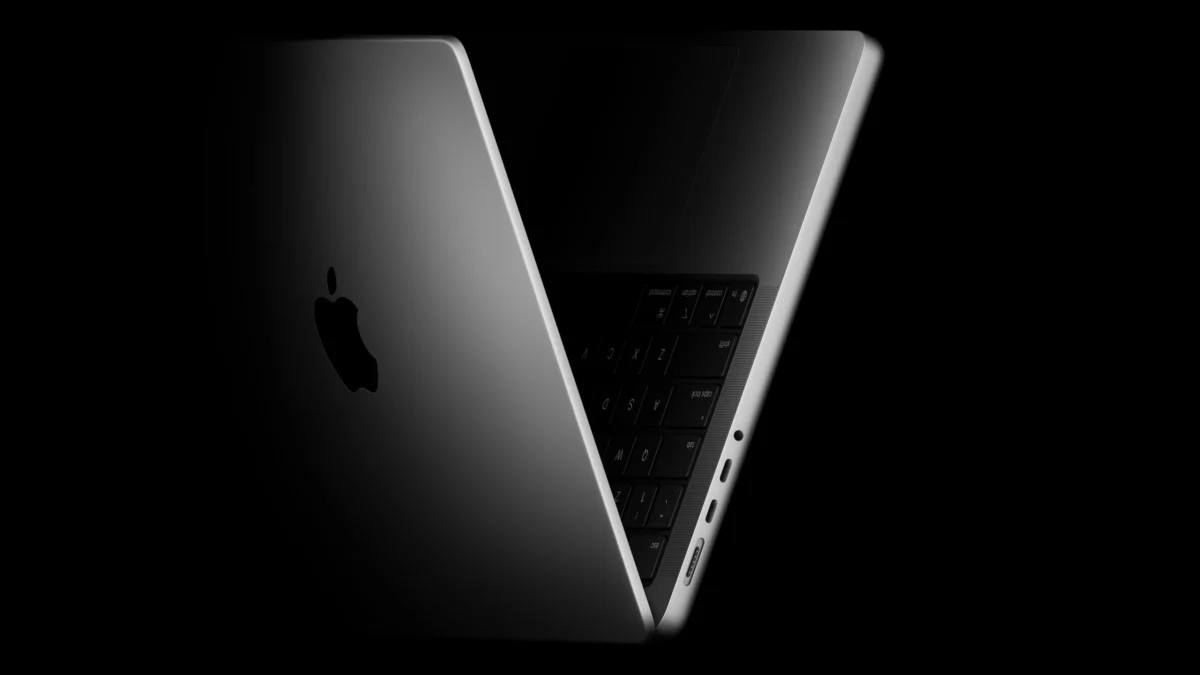
In a move that signals a significant departure from long-standing design philosophies, Apple is reportedly deep into the development of a revamped entry-level MacBook Pro. According to recent reporting from Bloomberg, the technology giant is targeting a release window as early as the first half of 2027 for a device that will bridge the gap between traditional laptop utility and the interactive, touch-first paradigm currently dominating the mobile landscape.
This hardware refresh is part of a broader, multi-year strategy to unify the user experience across Apple’s most vital computing platforms. While the company continues to refine its silicon roadmap, the intersection of hardware design and interface evolution appears to be the primary focus for the Cupertino-based firm as it heads into the latter half of the decade.
The Evolution of the Entry-Level MacBook Pro
The upcoming MacBook Pro update is expected to retain the classic 14-inch form factor, a size that has become the gold standard for the professional-consumer crossover market. However, the internal and external architectural changes will be substantial.
Reports indicate that the design language for this refreshed model will align closely with Apple’s upcoming touchscreen MacBooks—a long-rumored product category that represents one of the most significant shifts in Mac history. By aligning the entry-level Pro with the design DNA of its touchscreen counterparts, Apple is effectively preparing its user base for a future where the line between a MacBook and an iPad continues to blur.
Design Cues and the Dynamic Island
Central to this new design language is the integration of interface elements previously exclusive to the iPhone. Industry insiders have noted that Apple is exploring the implementation of a "Dynamic Island-like" pill-shaped cutout at the top of the display. This hardware-software fusion would provide a dedicated, interactive space for system notifications, media controls, and status indicators, effectively reclaiming screen real estate while offering a more dynamic interaction model for macOS.
Chronology of the Apple Silicon Transition
To understand the weight of the 2027 roadmap, one must look at the cadence of Apple’s silicon releases. Since the introduction of the M-series chips, Apple has maintained a blistering pace of development, often outpacing the traditional industry refresh cycles.
- October 2025: Apple introduced the M5 chip, marking a significant performance leap for the base MacBook Pro line. This update focused on raw computational power and efficiency gains, reinforcing the MacBook Pro’s dominance in the professional mobile workstation category.
- Late 2025 – Early 2026: Apple is projected to launch the first iteration of its touchscreen-enabled MacBooks. These devices are expected to serve as the blueprint for the 2027 refresh of the entry-level Pro, testing market appetite for touch interfaces on a traditional clamshell device.
- Current Status (2026): Development on the M6 processor is effectively complete, with reports suggesting that Apple finished its design work months ago. Rather than pushing an incremental design update for the current chassis, Apple is prioritizing the jump to the M7 architecture for the 2027 lineup.
- 2027 and Beyond: The planned rollout of the M7 Pro, Max, and Ultra chips represents a strategic pivot. By skipping a high-end M6 refresh for its flagship desktop and professional laptop tiers, Apple is concentrating its engineering resources on the M7 platform, aiming for a generational leap in neural processing and unified memory architecture.
Supporting Data: The iPad Pro Pipeline
While the MacBook Pro captures the headlines, Apple is concurrently refining its tablet strategy. Reports suggest that four distinct models of the iPad Pro are currently in testing, with a spring release window.
Technical Focus
Despite rumors of radical redesigns, the upcoming iPad Pros will maintain the established 11-inch and 13-inch display configurations. The primary focus for this cycle is "internal improvement." Following the October 2025 refresh, which equipped the iPad Pro with the M5 chip, these new models are expected to optimize thermal management and power efficiency to handle increasingly complex machine learning tasks—a core pillar of Apple’s current software strategy.

Market Implications
The decision to focus on internal improvements rather than external chassis redesigns for the iPad suggests that Apple is satisfied with the current industrial design of its tablets. With the M-series chips now spanning both the iPad and Mac lines, the goal is to create a seamless ecosystem where high-end processing tasks—such as 4K video rendering or AI model inference—can be performed with equal facility on a tablet or a laptop.
Official Responses and Corporate Strategy
Apple has maintained its characteristic silence regarding unannounced products. The company’s policy remains to not comment on future hardware roadmaps. However, the consistency of recent leaks points to a deliberate "leaking" or testing phase, common in Apple’s supply chain management to gauge industry and consumer sentiment.
From a strategic standpoint, Apple’s roadmap reveals three distinct goals:
- Platform Convergence: By bringing touch and Dynamic Island-style interfaces to the Mac, Apple is acknowledging that modern computing is increasingly interactive.
- Silicon Supremacy: By accelerating the shift to the M7 architecture and bypassing certain M6 high-end tiers, Apple is signaling that it intends to stay ahead of the competitive curve in AI-driven processing.
- Tiered Lifecycle Management: The company is successfully maintaining a "good-better-best" product hierarchy, where the entry-level MacBook Pro serves as the testing ground for premium features that eventually trickle down to the broader consumer lineup.
The Broader Implications for the Computing Industry
The shift toward touchscreen Macs and the integration of mobile-first UI elements on desktops suggests that Apple is no longer viewing the Mac and the iPad as separate silos. Instead, they are becoming nodes in a unified computing environment.
The Impact on Developers
For software developers, this transition presents both an opportunity and a challenge. Applications built for macOS will soon need to account for touch input as a first-class citizen, rather than an afterthought. This will likely necessitate a significant overhaul of standard macOS human interface guidelines (HIG), potentially leading to a new era of "universal" apps that feel native on a touch-enabled MacBook, a mouse-driven desktop, and a handheld tablet.
Competitive Pressure
Competitors in the Windows ecosystem, who have long offered touchscreen laptops, will now face a more formidable challenge. Apple’s advantage has historically been its tight integration between hardware, software, and silicon. By bringing a refined touch experience to the Mac, Apple is poised to leverage its massive developer ecosystem to deliver a touch-interface experience that may set a new industry benchmark for fluidity and utility.
Conclusion: A Future of Integrated Interaction
As we look toward 2027, the trajectory is clear. Apple is not merely iterating on its hardware; it is re-imagining the very act of computing. The revamp of the entry-level MacBook Pro, bolstered by the M7 chip architecture and a new interactive interface, signifies that the company is ready to embrace a more tactile, responsive, and powerful future.
Whether these changes will be embraced by the professional creative community—who have long favored the precision of a cursor over the reach-and-tap of a touchscreen—remains to be seen. However, if history is any guide, Apple’s commitment to a unified interface model will likely define the trajectory of the personal computing industry for the next decade.
 Raul Delapena Setiawan
  Siti Muinah
  Asro
Asro 