
 By Nana Muazin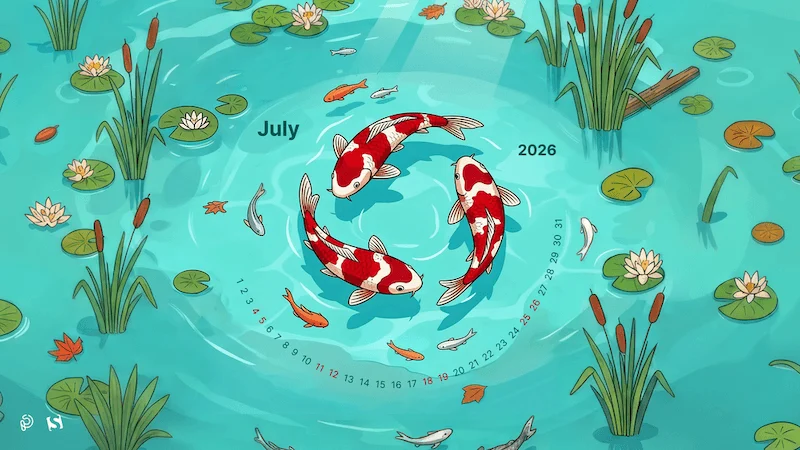
Main Facts: A Decade-and-a-Half Tradition of Digital Artistry
As the global design community transitions into the height of the summer season, Smashing Magazine has officially released its highly anticipated July desktop wallpaper collection. This release marks a significant milestone in what has become a cornerstone of the digital design world: a community-driven initiative that has spanned over 15 years. The July collection is not merely a set of functional backgrounds but serves as a curated gallery reflecting the diverse creative pulses of artists from Serbia to Spain, India to France, and beyond.
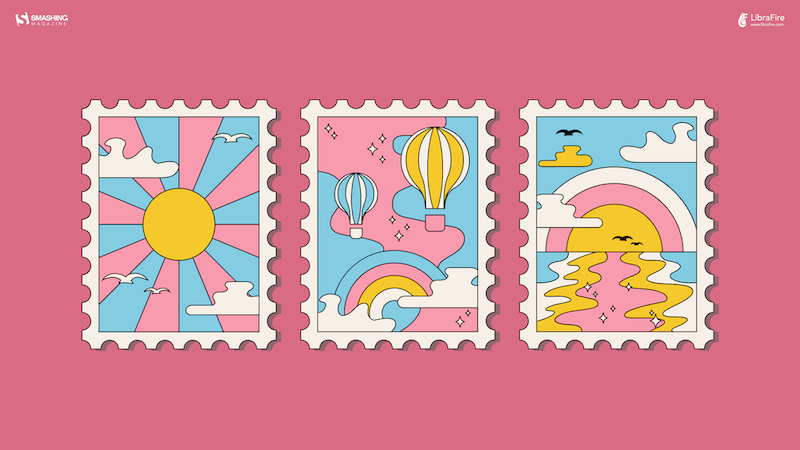
The core objective of this monthly series remains the democratization of high-quality digital art. By providing these assets for free, Smashing Magazine facilitates a unique exchange where professional designers gain global visibility while users receive meticulously crafted visuals to enhance their digital workspaces. The July collection specifically focuses on "small, distinctive moments"—the sensory experiences of summer such as the scent of petrichor after a heatwave, the bioluminescence of a lake at night, and the vibrant hues of seasonal flora.
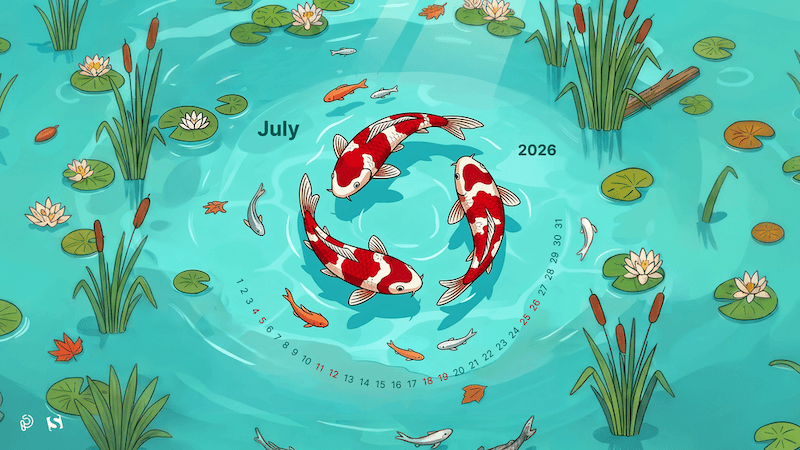
This month’s catalog features a blend of brand-new submissions and "summery favorites" resurrected from the magazine’s extensive archives, ensuring a mix of contemporary trends and timeless aesthetics. The availability of these wallpapers in various resolutions, including versions with and without integrated calendars, underscores the project’s commitment to both form and utility.
Chronology: From Niche Blog Post to Global Design Institution
To understand the weight of the July release, one must look at the historical trajectory of the Smashing Magazine wallpaper series. Founded in the late 2000s, the initiative began as a way to solve a common problem for web workers: the lack of inspiring, high-resolution desktop backgrounds that didn’t feel like stock photography.
- The Early Years (2008-2012): The series focused heavily on the "Calendar Wallpaper" concept. In an era before sophisticated widget systems on operating systems, the desktop background was a primary tool for time management.
- The Expansion Phase (2013-2018): As display technologies evolved—moving from standard 4:3 ratios to 16:9, Retina, and 4K—the community of contributors expanded. The magazine began seeing submissions that utilized complex 3D rendering, intricate hand-drawn illustrations, and experimental typography.
- The Modern Era (2019-Present): The project transitioned into a more philosophical space. While the calendar remains an option, the focus has shifted toward "visual storytelling." The July 2026 collection (as referenced in the archive data) represents the pinnacle of this evolution, where each piece is accompanied by a designer’s statement, providing context and emotional depth to the pixels.
The longevity of this tradition is a rarity in the fast-paced world of digital publishing. By maintaining this monthly cadence for over 180 consecutive months, Smashing Magazine has created a historical record of changing design tastes and the technological capabilities of the creative class.
Supporting Data: A Deep Dive into the July Aesthetics
The July collection is characterized by its remarkable diversity in medium and message. An analysis of the featured works reveals several key thematic clusters that define the "July feeling" for the current year.
1. Geometric Minimalism and Psychological Balance
"The Sacred Geometry of Calm," designed by PopArt Studio in Novi Sad, Serbia, serves as a cornerstone of this month’s abstract offerings. The design is rooted in the concept of fluid motion and repeating circles. According to the studio, the piece is intended to remind users that "true balance isn’t about standing perfectly still; it is a fluid, continuous motion." This reflects a broader trend in workspace design where "calm tech" visuals are used to reduce digital anxiety.
2. The Intersection of High Art and Digital Craft
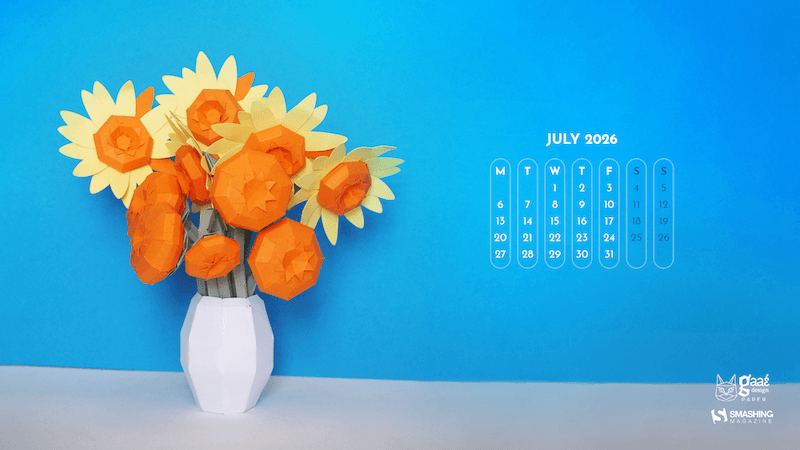
Caroline Boire of France contributed "Sunflowers," a papercraft-inspired homage to Vincent van Gogh. This piece represents the "analog-to-digital" trend, where designers use digital tools to mimic physical textures like cut paper and impasto paint. By bridging the gap between 19th-century post-impressionism and 21st-century desktop screens, Boire highlights the timeless nature of summer symbols.
3. Whimsy, Humor, and Cultural Commentary
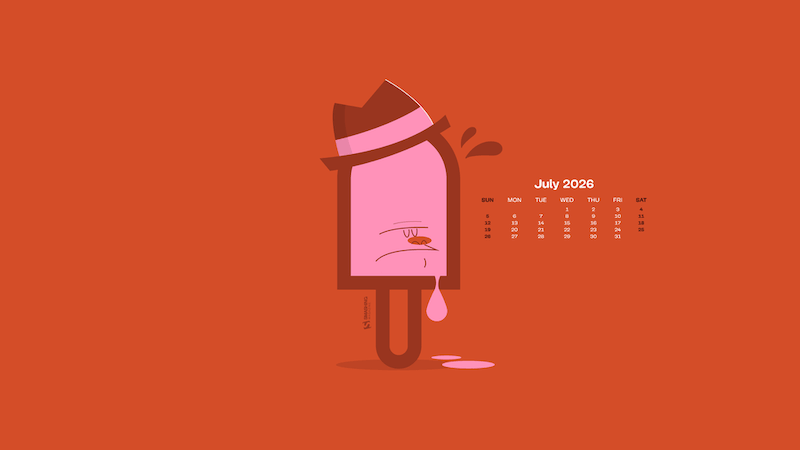
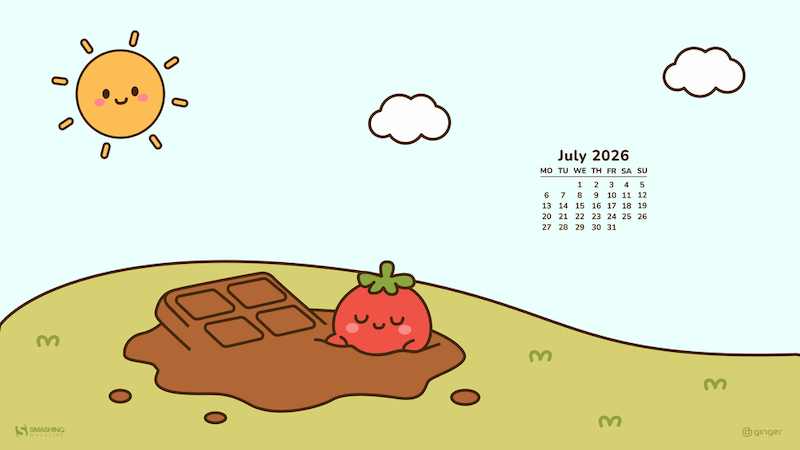
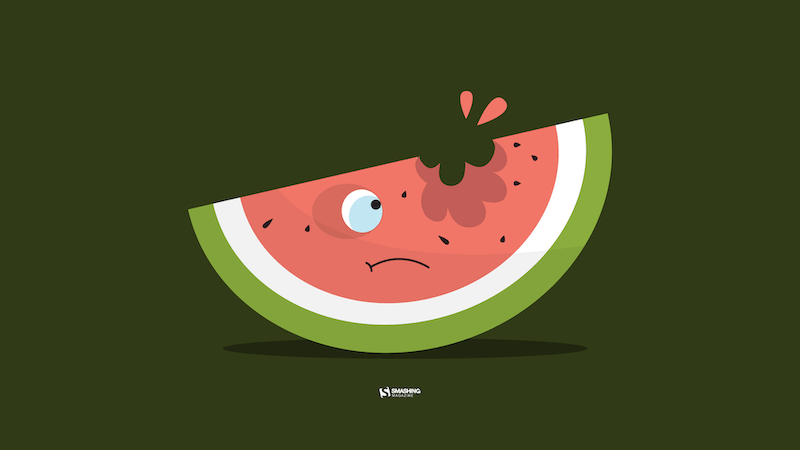
Ricardo Gimenes, a frequent contributor from Spain, provided several pieces including "Having a Meltdown," "Peel Good," and "Attack of the Summer Snack." Gimenes’ work often utilizes bold, cartoon-influenced linework to inject humor into the professional environment. Similarly, the "Chocolate Weather" design by Ginger IT Solutions celebrates World Chocolate Day (July 7th), showcasing how global "micro-holidays" influence digital content creation.
4. Geographical Diversity of Contributors
The July collection serves as a map of the global creative economy. Contributors for this month include:
- Europe: PopArt Studio (Serbia), Ricardo Gimenes (Spain), Caroline Boire (France), Livia Lenart (Hungary), Erik Neumann (Germany), Natalia Szendzielorz (Poland).
- Asia: Swati Gohil (India), Hitesh Puri (India), DMS Software (India).
- The Americas: Igor Izhik (Canada), 3 Bicycles Creative (USA), Dylan Pugh (USA).
- Africa: Wonderland Collective (South Africa).
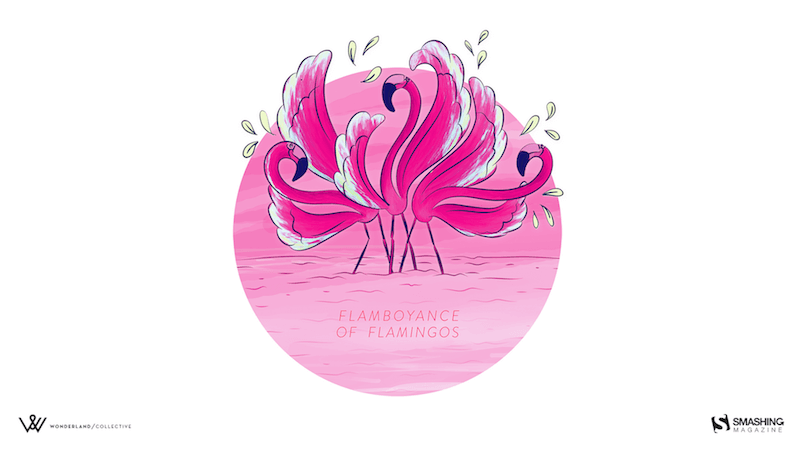
This geographic spread ensures that the "summer" theme is interpreted through various cultural lenses—including a thoughtful inclusion from the Wonderland Collective, who provided "A Flamboyance of Flamingos" to bring color to those in the Southern Hemisphere currently experiencing winter.

Official Responses: The Philosophy of the Contributors
In lieu of a single corporate spokesperson, the "official response" to this collection comes from the collective voices of the artists themselves. Their statements provide insight into the intentionality behind the pixels.
On Productivity and Focus:
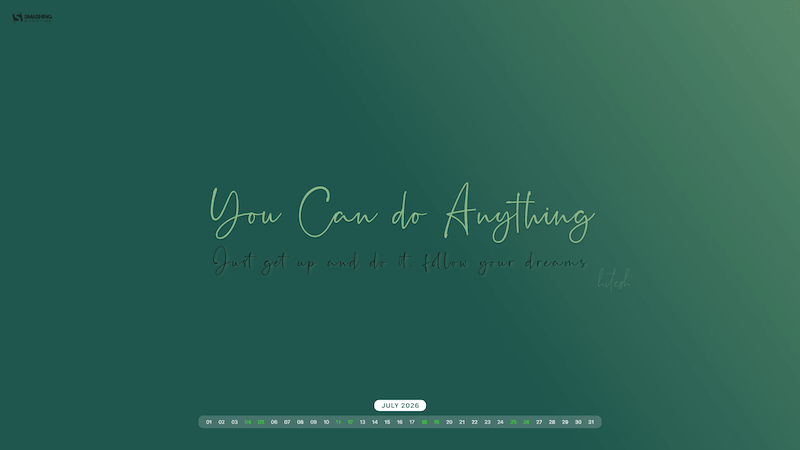
Hitesh Puri, based in Delhi, India, designed "You Can Do Anything" as a functional tool rather than just an aesthetic one. "I created this wallpaper as a daily visual push to stay focused, take risks, and turn dreams into reality," Puri stated. This reflects the growing demand for "motivational digital environments" where the desktop acts as a silent coach.
On Environmental Connection:
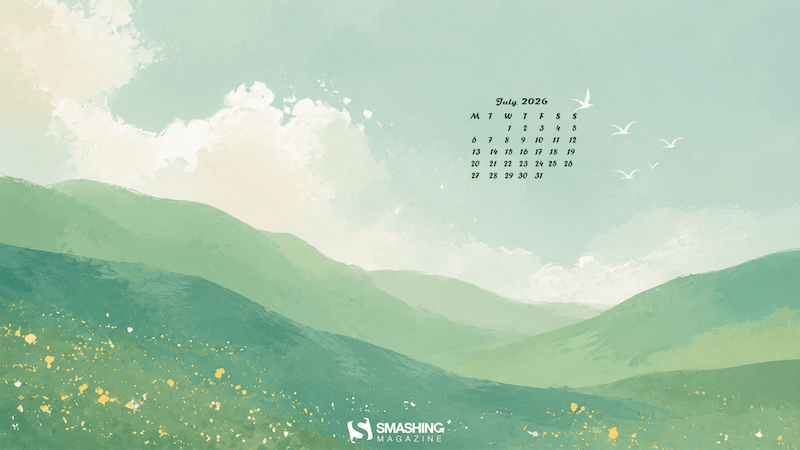
Swati Gohil’s "Whispers of Light" emphasizes the restorative power of nature. Her philosophy—"Where soft skies meet endless green, peace finds its place"—aligns with biophilic design principles, which suggest that viewing natural imagery can lower heart rates and improve cognitive function in office workers.
On Nostalgia and Shared Experience:
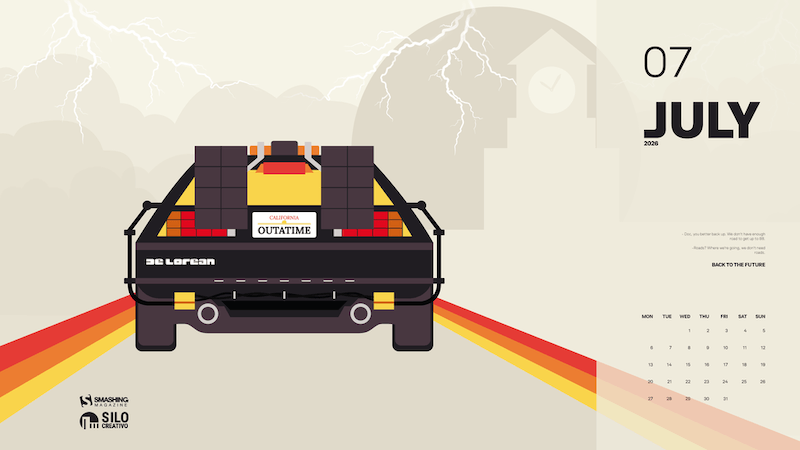
Veronica Valenzuela of Spain, who designed "Back to the Future" and "Diving Among Corals," spoke to the collective longing for the summer holiday. "We hope July turns out to be a wonderful month, one that stays with us so vividly that we find ourselves wanting to ‘go back to the future’ time and again," she noted. Her work aims to capture the ephemeral nature of vacation time, transforming it into a permanent digital artifact.
Implications: The Impact of Curated Workspaces on Professional Well-being
The release of the July collection has implications that extend beyond simple aesthetics. In an era where the average professional spends upward of eight hours a day looking at a screen, the visual environment of the operating system is a critical component of digital hygiene.
1. The Psychology of the "Micro-Break"
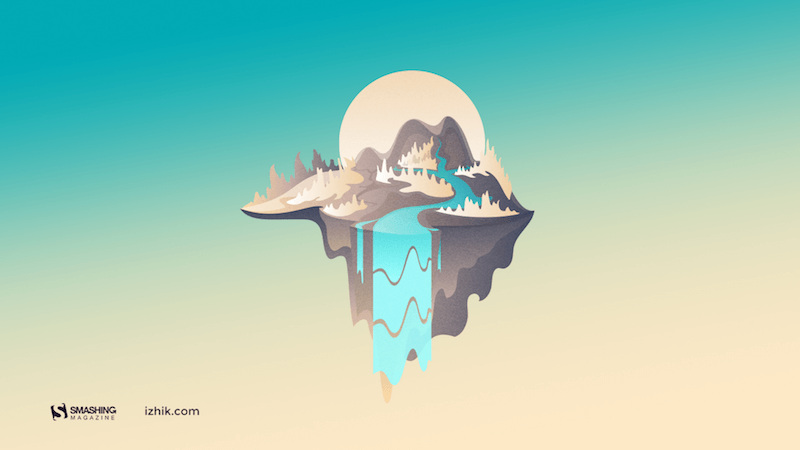
Research in environmental psychology suggests that "micro-restorative" experiences—briefly looking at a pleasing image—can help replenish mental energy. Smashing Magazine’s wallpapers, such as "Island River" by Igor Izhik or "Heated Mountains" by Marijana Pivac, provide these visual escapes. By replacing a cluttered or default desktop with a community-curated artwork, users can facilitate a "mental reset" throughout the workday.
2. The Democratization of Design
This initiative proves that the barrier between "high design" and the general public is thinning. Through this monthly tradition, complex artistic concepts (like the "Sacred Geometry" or "Papercraft Sunflowers") are delivered directly to the user’s "front door" (their desktop). This fosters a more visually literate workforce and provides a platform for emerging designers to stand alongside established studios.
3. Community as a Content Engine
The Smashing Magazine model demonstrates the power of the "Community for the Community" ethos. In an age of AI-generated art, this collection highlights the irreplaceable value of human storytelling. Each design is tied to a specific person, a specific location, and a specific inspiration. As the magazine prepares for the August collection—with a submission deadline of July 31st—it continues to champion the human element in digital craft.
4. Workspace Customization as Agency
Finally, the ability to choose and change one’s digital environment is a small but potent form of agency. In rigid corporate structures where hardware and software are often standardized, the desktop wallpaper remains one of the few areas of personal expression. The July collection provides the tools for professionals to reclaim their digital space, turning a tool of labor into a canvas of inspiration.
As July unfolds, these thirty-plus designs will inhabit millions of screens worldwide, serving as a silent testament to the global nature of creativity and the enduring power of a fifteen-year-old tradition. Smashing Magazine has once again proven that while the tools of design may change, the human desire to share a "small, distinctive moment" remains constant.
 Nana Wu
  Nana
Nana 