
 By Raul Delapena Setiawan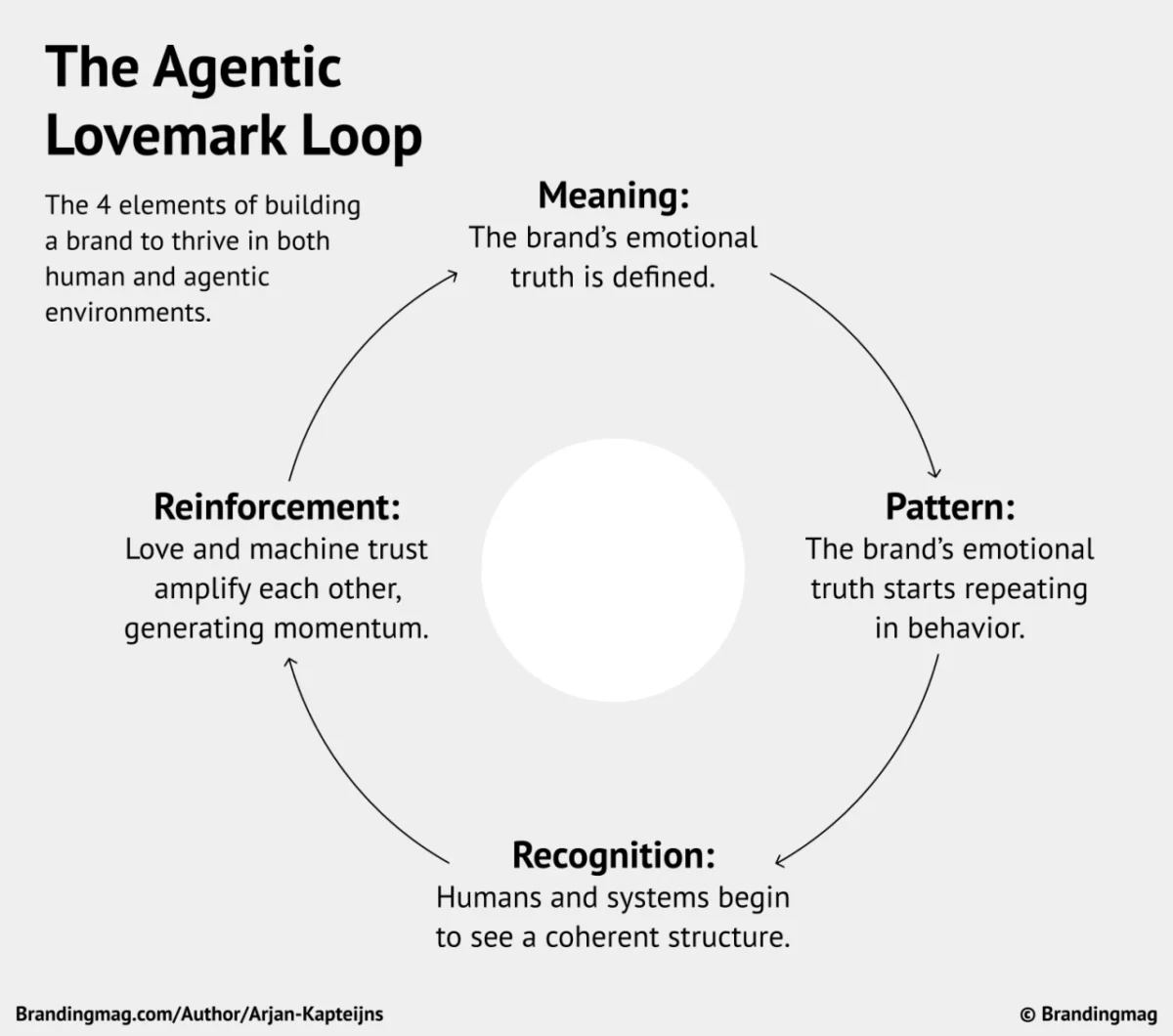
For decades, the concept of the "Lovemark"—a term coined by Kevin Roberts during his tenure at Saatchi & Saatchi—has served as the gold standard for brand building. It posits that while products are functional, brands are emotional, and the most successful of all are "Lovemarks": entities that earn both the respect of the consumer’s head and the irrational, deep-seated love of their heart.
However, a new manifesto by Thomas Marzano, Brand Constitutions: The Legible-Lovable Standard for Building Equity in an Agentic Economy, has arrived to challenge the industry to re-examine these foundations. As artificial intelligence moves from a novelty to the primary intermediary of human experience, the way brands are discovered, evaluated, and selected is undergoing a radical, structural transformation.
The Evolution of the Decision Journey
In the traditional consumer landscape, the decision journey was human-centric and linear. Consumers would navigate a path of discovery, comparison, and purchase, influenced by advertising, word-of-mouth, and personal experience. Trust lived squarely in the human mind.
Today, we have entered the "Agentic Age." Intelligent agents—AI assistants, autonomous recommendation engines, and predictive commerce tools—are increasingly acting on our behalf. These systems compress the decision journey, collapsing once-temporal, interpretive stages into instantaneous, system-driven filters.
The core challenge for modern marketers is no longer just winning the human heart; it is securing a position in an automated shortlist. Brands must now speak to two audiences simultaneously: the human being who feels, and the intelligent agent that calculates.
Chronology: From Emotional Bonds to Systemic Trust
The history of modern branding has been a tug-of-war between functional utility and emotional resonance.
- The Rational Era: Brands were built on performance, reliability, and price.
- The Lovemarks Era: Kevin Roberts shifted the paradigm, arguing that consumers don’t just "buy" brands; they form relationships with them. This era emphasized myth, sensuality, and intimacy.
- The Agentic Transition: With the rise of Generative AI and autonomous agents, we are witnessing the "systematization of choice." Systems do not "feel" respect; they evaluate it through pattern recognition, provenance, and structural consistency.
This transition necessitates a new framework. If a brand is loved by humans but remains "invisible" to an AI agent due to a lack of structural data or behavioral clarity, it will effectively cease to exist in the digital marketplace.
Supporting Data: The New Operating Logic
McKinsey and other industry analysts have identified that AI is shifting the "operating logic" of marketing from persuasion to qualification. Systems prioritize brands that offer structural clarity—what Marzano calls "legibility."
Legibility is not about a brand’s story; it is about metadata, evidence, and the coherence of the brand’s digital footprint. Systems treat ambiguity as a risk. Therefore, a brand that is emotionally resonant but structurally chaotic will struggle to enter the "consideration set" of an agent.
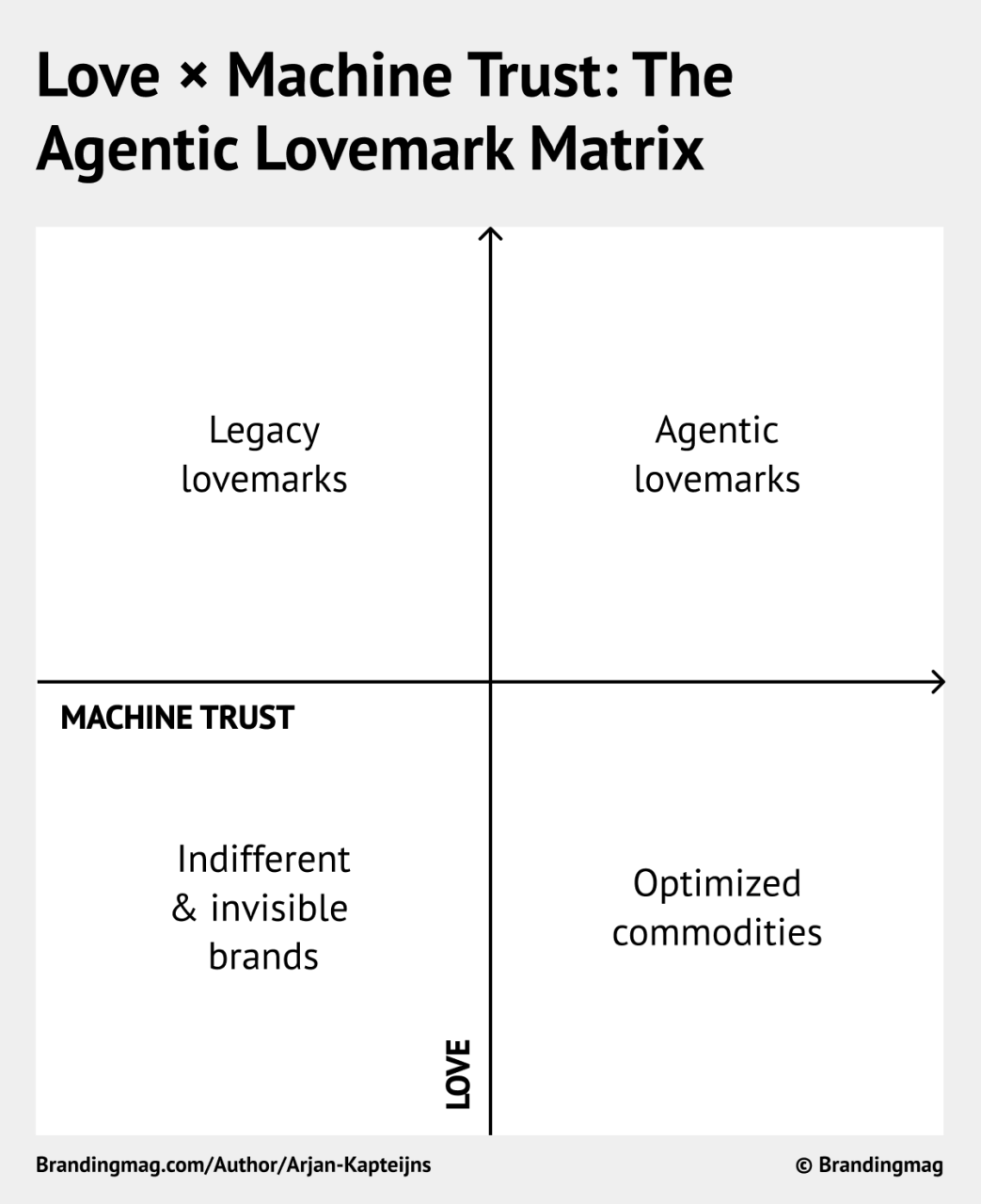
The "Agentic Lovemark Matrix" provides a new diagnostic tool for marketers:
- Low Love / Low Trust: The "Invisible" quadrant.
- High Love / Low Trust: The "Irrelevant" quadrant (loved by few, ignored by systems).
- Low Love / High Trust: The "Commodity" quadrant (reliable but replaceable).
- High Love / High Trust: The "Agentic Lovemark" (the new gold standard).
Official Perspectives: Bridging the Gap
The central tension in this new reality is whether machines can "feel" the brand. While AI cannot possess lived experience, it can infer emotional inclination from language, behavioral cues, and historical purchasing patterns.
"Machine trust" is the evolution of the respect pillar in the original Lovemarks model. Where respect was once based on reputation and word-of-mouth, machine trust is based on verification, consistency, and structural legibility.
The "Organizing Idea"—the strategic compass that aligns product, culture, and communication—is now more vital than ever. For a brand like Apple or Nike, the organizing idea is not merely a slogan; it is a structural logic. It is the thread that connects the emotional promise ("Unleashing Creativity") to the behavioral reality (interface design, service logic, and product consistency).
Implications: The Rise of the Agentic Lovemark
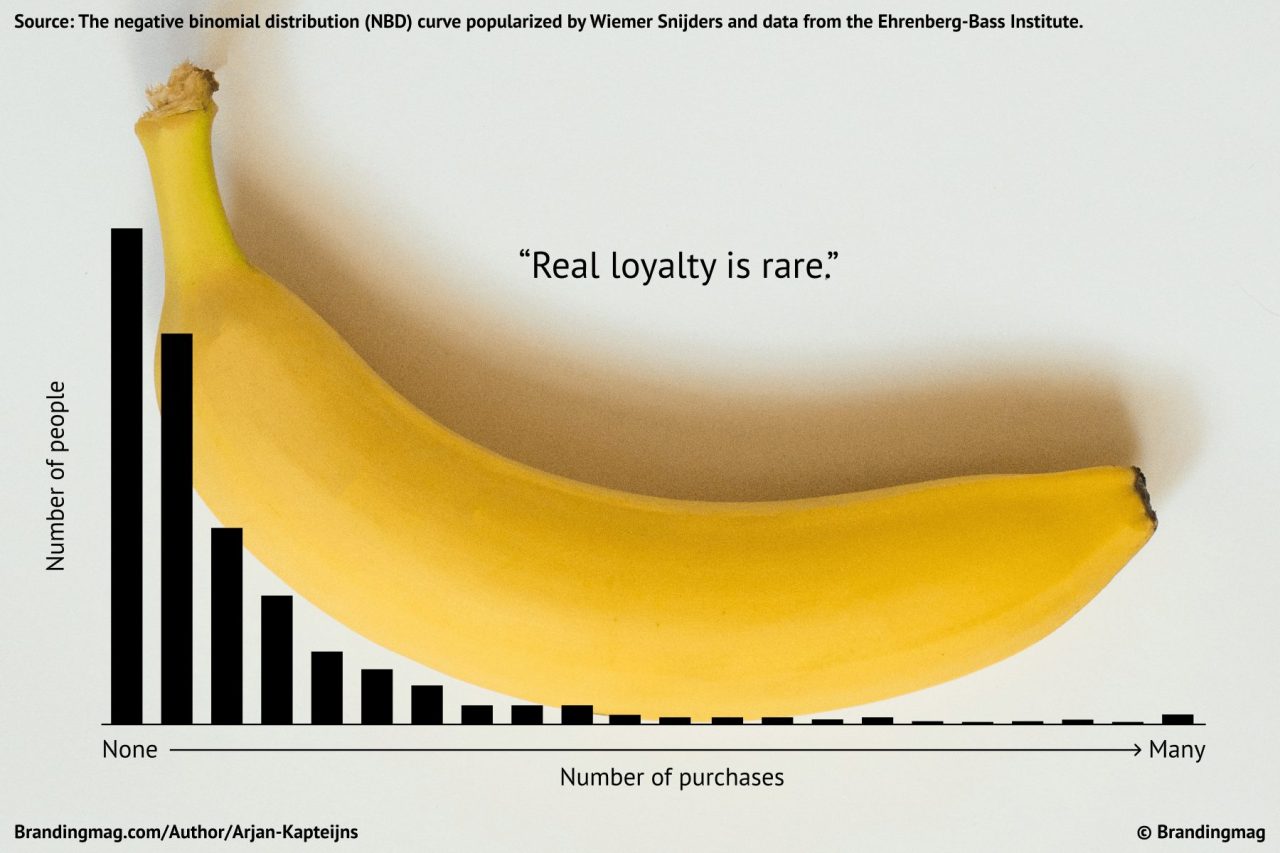
What happens to the "Banana Principle"—the theory that most consumers are "light" buyers and loyalty is merely a statistical byproduct of availability?
In the agentic age, the volatility of the consumer landscape is likely to stabilize. If an AI agent consistently suggests your preferred brand, the "distraction-based" switching that characterizes many fast-moving consumer categories will diminish. Loyalty will become more predictable, not because humans have changed, but because the system reinforces their past preferences.
The Creative Fear: Preserving the Soul
The most significant hurdle to this transition is the creative community’s fear of "smoothing." Creative professionals often argue that the "magic" of a brand lies in its imperfections—the human touches that feel authentic. There is a valid concern that, in the pursuit of machine legibility, brands will become sterile, optimized, and "soulless."
However, this fear conflates creation with mediation.
- The Creative Reality: The emotional core of a brand must remain human. Authenticity cannot be manufactured by an algorithm.
- The Structural Reality: Once the human creative work is complete, it must be encoded into the system.
The goal is not to have AI write your brand story, but to have your brand story—in all its human glory—structured in a way that AI can recognize and prioritize.
Conclusion: The New Gold Standard
The "Agentic Lovemark" represents the next evolution of branding. It is a brand with a soul and a system. It is a brand that respects the irrational, emotional nature of human decision-making while mastering the rational, structural requirements of the agentic economy.
To thrive, organizations must adopt a "loop" approach:
- Meaning: Define the emotional territory that resonates with humans.
- Pattern: Translate that meaning into consistent, observable behaviors.
- Recognition: Ensure those behaviors are structured for machine ingestion.
- Reinforcement: Use the agentic feedback loop to amplify brand visibility.
As we move deeper into this era, the brands that endure will not be those that simply scream the loudest in a digital ad space. They will be the brands that are deeply felt by the people they serve and structurally understood by the agents they navigate.
The challenge of the next generation is to ensure that while our systems become smarter, our brands remain human. Becoming an Agentic Lovemark is no longer just a romantic ambition—it is the ultimate competitive requirement. The future of brand equity lies in the synthesis of the human heart and the machine mind.
 Azzam Bilal Chamdy
  Nana Wu