
 By Ali Ikhwan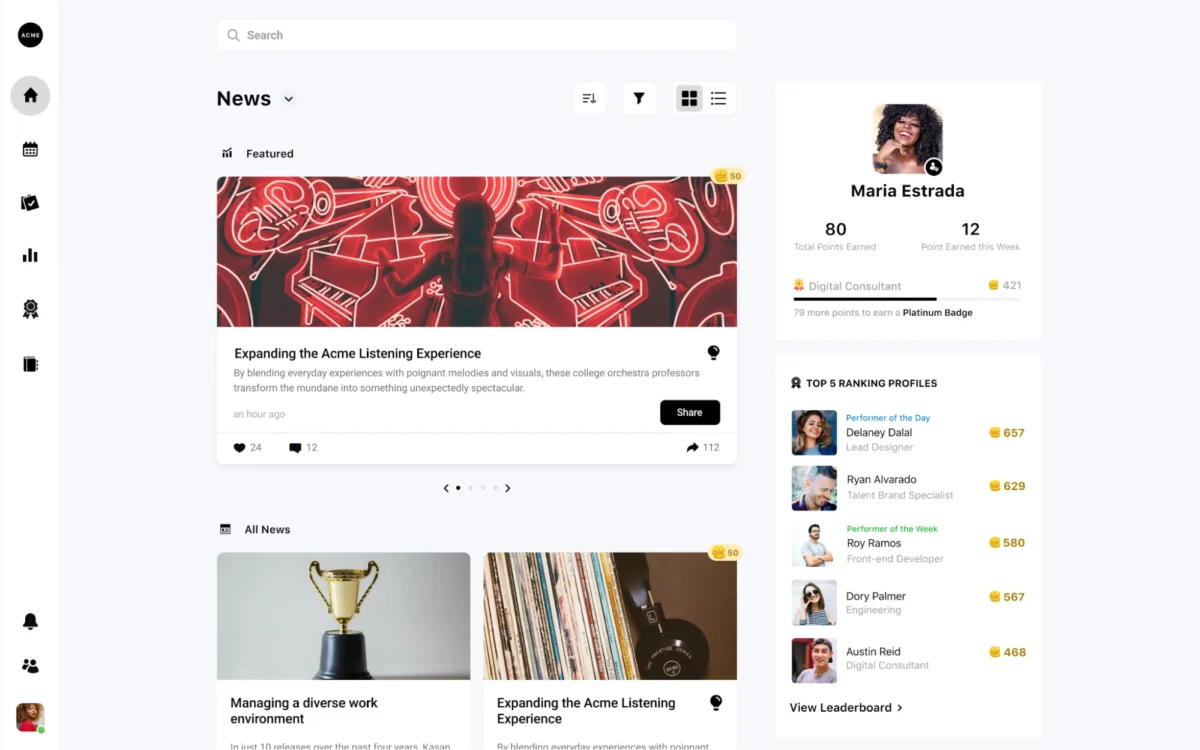
In an era where digital trust is at an all-time low, consumers are increasingly turning away from branded corporate messaging in favor of authentic, human voices. For marketing leaders and organizations, this shift presents a significant challenge: how to maintain brand reach in a fragmented social media landscape. The solution, increasingly adopted by top-tier enterprises, is the implementation of a structured employee advocacy program.

By transforming employees into brand ambassadors, companies can tap into the personal networks of their workforce—a collective reach that often dwarfs the official corporate following. However, scaling such a program requires more than just encouragement; it demands the right technological infrastructure to curate, distribute, and measure impact. This guide examines the landscape of employee advocacy tools, evaluating the best options for teams of all sizes.

What Are Employee Advocacy Tools?
At their core, employee advocacy tools are sophisticated software platforms designed to facilitate the seamless sharing of company-approved content across the personal social media accounts of employees. These platforms act as a centralized hub where marketing departments can upload blog posts, industry news, recruitment opportunities, and thought leadership pieces.
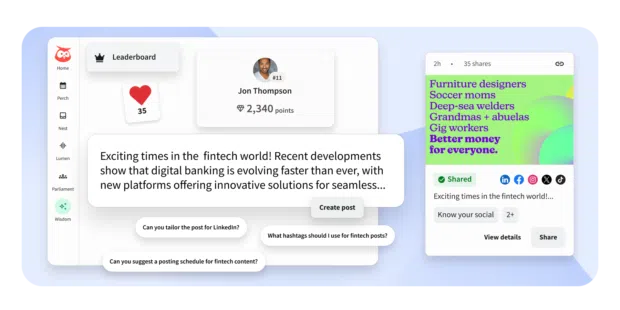
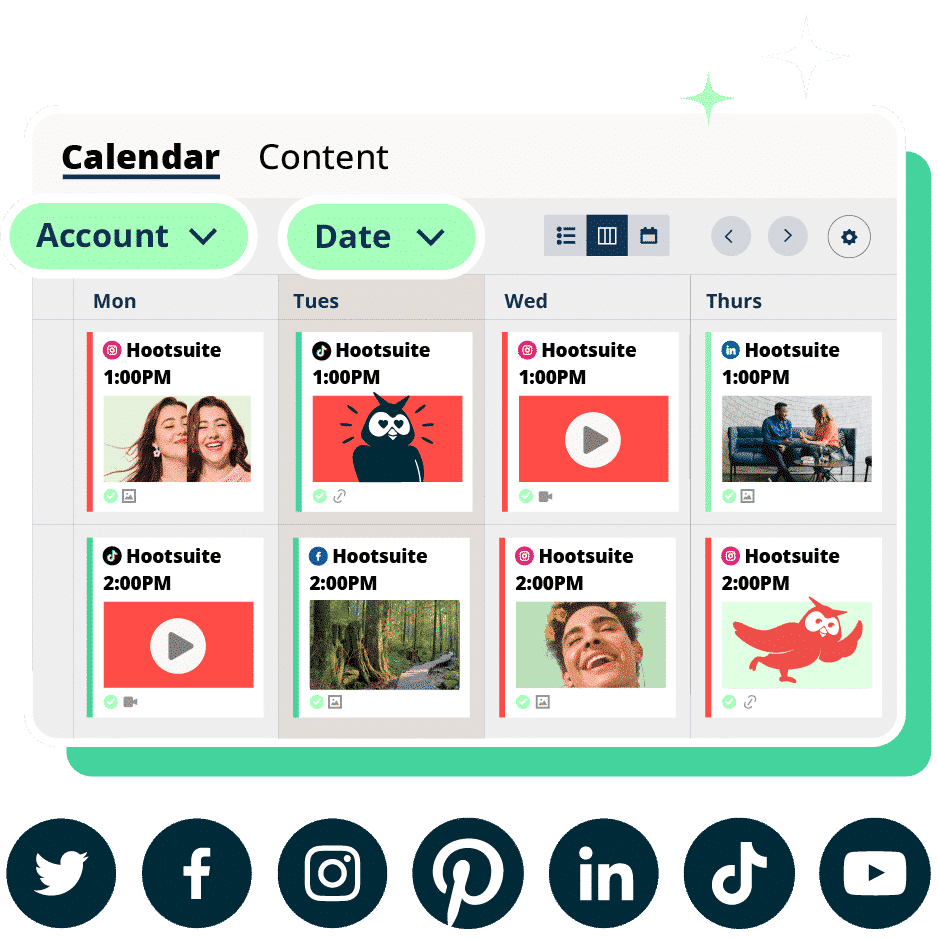
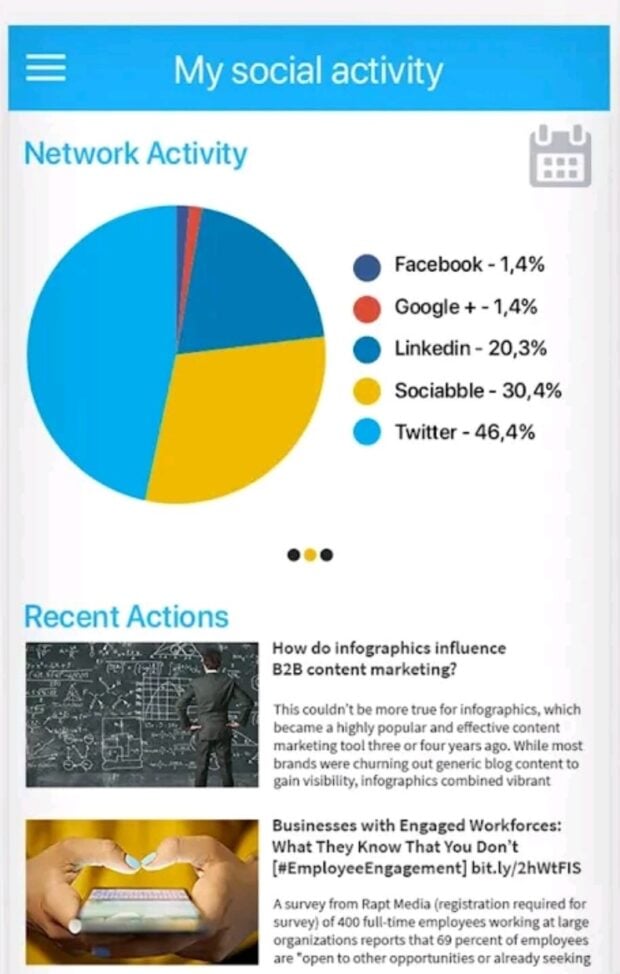
Once content is added to the hub, employees receive notifications—often via Slack, Microsoft Teams, or email—prompting them to share the content to platforms like LinkedIn, X (formerly Twitter), or Facebook with a single click. Beyond mere distribution, these tools provide robust analytics, allowing organizations to measure the "earned media value" of their employees’ engagement.
Research consistently demonstrates that content shared by individuals generates significantly higher engagement rates than the same content posted from a generic corporate account. By leveraging the social capital of their staff, companies can bypass algorithmic barriers and build deeper, more credible relationships with their audience.
Chronology of the Advocacy Revolution
The rise of these platforms mirrors the evolution of social media from a novelty to a critical business function.
- 2010–2014: The Grassroots Phase. Advocacy was largely manual. Marketing teams sent internal emails with links, asking employees to "please share." This was difficult to track and impossible to scale.
- 2015–2019: The Tooling Phase. As social selling became a buzzword, dedicated platforms began to emerge. Early pioneers focused on basic scheduling and click-tracking, recognizing the need to bridge the gap between internal communications and external social presence.
- 2020–2024: The Integration Phase. Modern advocacy tools have evolved into comprehensive ecosystems. They now integrate directly with CRM systems (like Salesforce), internal communication hubs, and advanced AI-driven content curators. The focus has shifted from simple sharing to "social advocacy as a service," with heavy emphasis on gamification and AI-assisted content creation.
- 2025 and Beyond: The Strategic Phase. Today, advocacy is no longer a "side project." It is a foundational pillar of employer branding and demand generation, with tools now offering white-label reporting, complex advocate segmentation, and AI-powered sentiment analysis.
Supporting Data: Why Advocacy Matters
The data supporting the transition to employee-led advocacy is compelling. According to industry benchmarks:
- Expanded Reach: Content shared by employees typically sees 8x more engagement than content shared by brand channels.
- Talent Acquisition: Companies that leverage employee advocacy programs see a 136% increase in traffic to their career sites, as prospective hires trust employee testimonials far more than corporate recruitment ads.
- ROI Impact: When tracking "Equivalent Ad Value" (EAV), organizations often find that a robust advocacy program can generate hundreds of thousands of dollars in organic reach annually—essentially free advertising powered by the staff’s own networks.
- Sales Performance: Social sellers—those who use their personal profiles to nurture leads—are 51% more likely to reach their sales quotas than those who do not use social media.
Market Landscape: Top Tools for Every Organization
To navigate the crowded vendor space, we have categorized the leading solutions based on organizational structure and specific business needs.
For Large Teams and Enterprises
Large organizations require platforms that offer stringent compliance controls, deep analytics, and seamless integration with existing enterprise stacks.
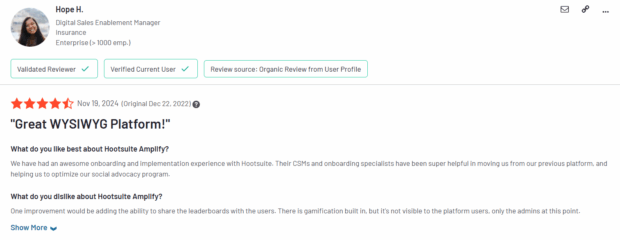
- Parliament by Hootsuite: A standout for its ease of use and integration capabilities. Parliament features robust gamification, which keeps engagement high by rewarding top advocates, and integrates natively with Slack and Microsoft Teams. It is specifically designed for enterprise environments where maintaining brand guidelines is paramount.
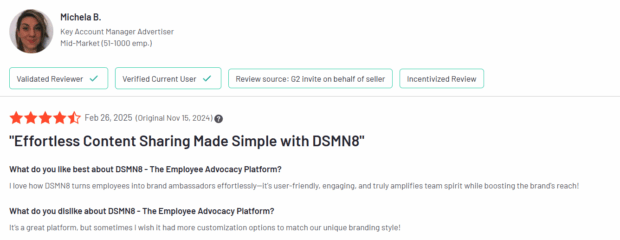
- DSMN8: A comprehensive powerhouse. DSMN8 excels in advocate segmentation, allowing admins to deliver highly specific content to different geos, departments, or job functions, ensuring that the "right" message reaches the "right" network.
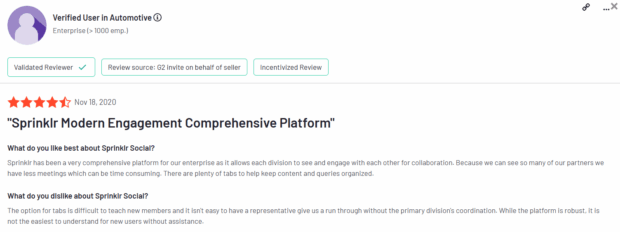
- Sprinklr: A giant in the marketing space. For companies already using Sprinklr for customer success, adding their advocacy module is a logical step. It offers deep Salesforce integration, making it ideal for organizations focused heavily on social selling.
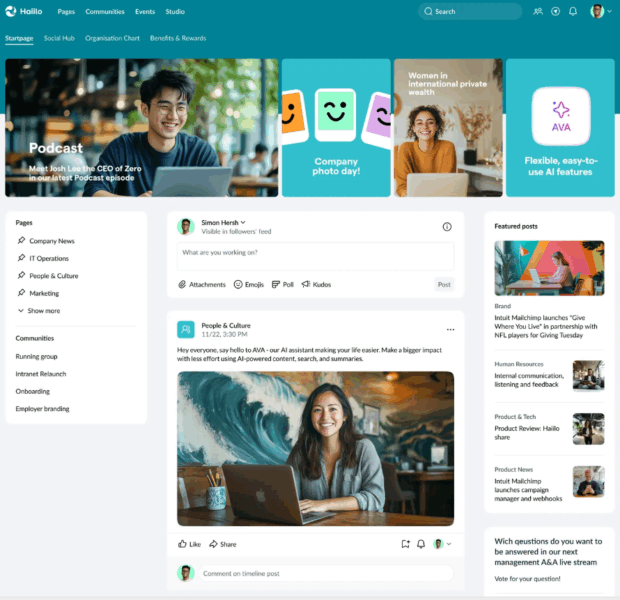
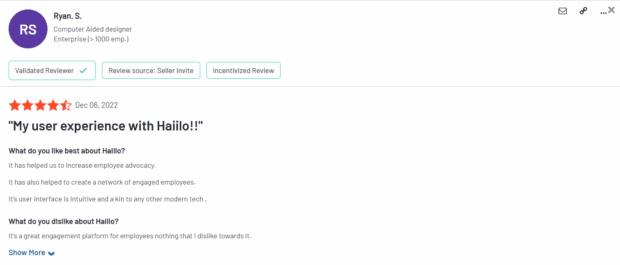
- Haiilo: Operating like an internal social media app, Haiilo fosters a community-first approach. It is excellent for companies looking to boost internal morale alongside external advocacy.
For Small and Mid-Sized Teams
Small teams need agility and affordability without sacrificing the ability to scale.
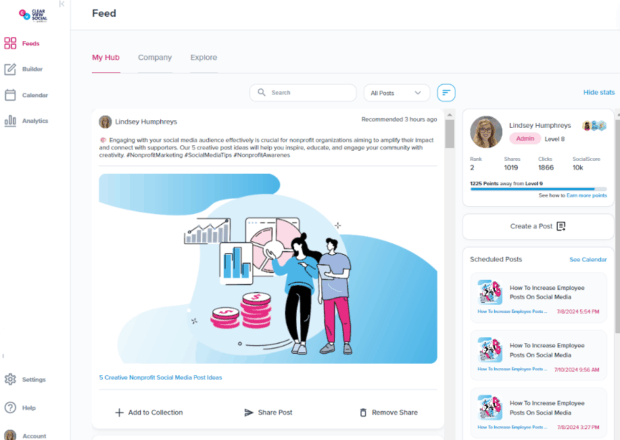
- Clearview Social: Known for its "Email-first" simplicity, Clearview is highly effective for teams that don’t want to force their employees to log into yet another portal. Its automated sharing features keep the process friction-free.
- SocialToaster: A fantastic option for those who want to focus on gamification and incentives. If your primary goal is to turn fans or employees into a "street team" quickly, the platform’s reward-tracking features are highly effective.
For Agencies
Agencies require tools that can be managed on behalf of multiple clients.
- GaggleAMP: While it serves individual brands well, its white-label reporting and managed-services workflows make it the industry standard for agencies looking to offer advocacy as a recurring service to their client roster.
Official Responses and Strategic Implications
Industry leaders, such as Kim Snow, Head of Demand Generation at TeamOhana, emphasize that technology is only half the battle. "Many employees, especially those outside of sales or marketing, may not immediately see the value of engaging with company content," Snow notes. "It’s essential to communicate how even simple actions—like a like or a reshare—expand the visibility of the company’s message. When employees understand the tangible impact, they are more likely to feel invested."
The Strategic Shift
The implications of adopting these tools are profound. Organizations that shift to an advocacy-first model undergo three major transformations:
- Decentralized Marketing: The "official" corporate account is no longer the sole megaphone. The brand becomes a collection of individual voices, which creates a more authentic and humanized perception in the marketplace.
- Improved Employer Branding: When employees share their work, their milestones, and their company culture, they are providing social proof to the talent market. This reduces recruitment costs and increases the quality of applicants.
- Enhanced Sales Funnels: By empowering sales teams to become thought leaders, the advocacy program feeds directly into the bottom line. It allows sales representatives to nurture leads in a non-intrusive, value-added way.
Conclusion: Implementing Your Program
Starting an employee advocacy program is an investment in human capital. To succeed, organizations must:
- Remove Friction: Use one-click sharing and automated scheduling. If it takes more than 30 seconds for an employee to share a post, the program will likely fail.
- Secure Executive Buy-in: Leadership must model the behavior. If the CEO isn’t sharing company news, why should the junior analyst?
- Identify Existing Advocates: Use social listening tools to find the people who are already talking about your brand, and turn them into your pilot group.
- Measure and Pivot: Use the analytics dashboards provided by platforms like Parliament or DSMN8 to identify what content performs best and double down on those formats.
As digital noise continues to intensify, the most successful brands will be those that realize their employees are their most effective marketing asset. By selecting the right technology and fostering a culture of participation, companies can unlock a level of reach and trust that money alone cannot buy.
 Reynand Wu
  Muslim
  Nila Kartika Wati