
 By Muslim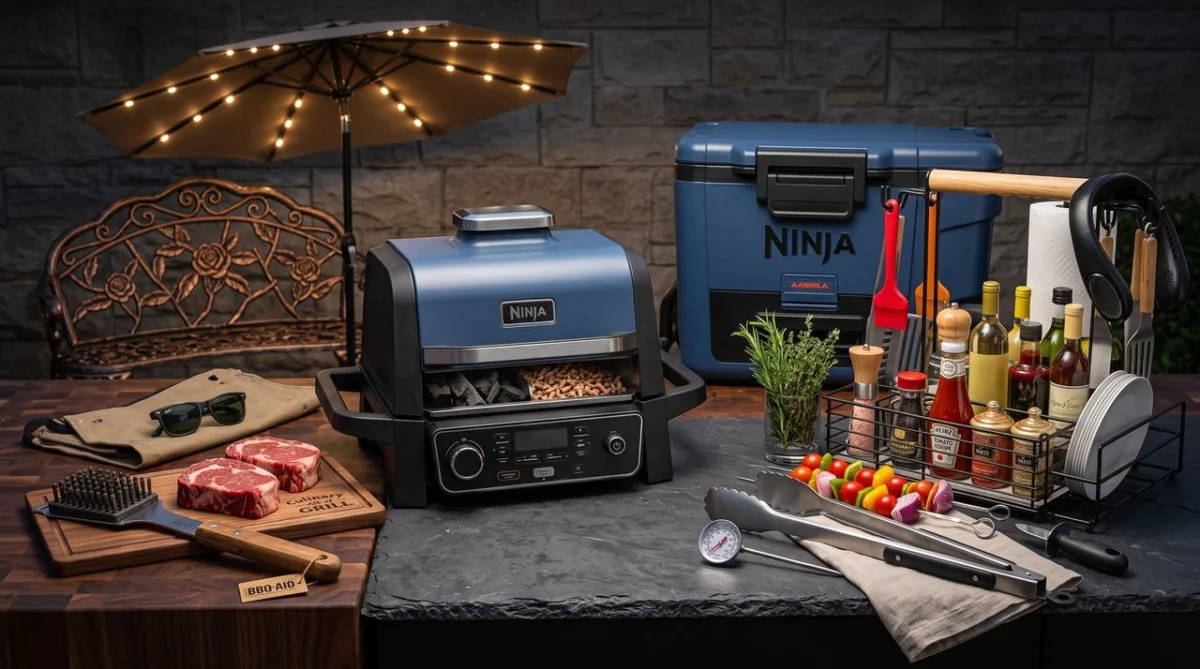
As the United States gears up for its annual Independence Day celebrations, a significant portion of the nation finds itself under the oppressive grip of an intense summer heatwave. This convergence of a peak national holiday—traditionally synonymous with outdoor gatherings and festivities—and extreme meteorological conditions presents a complex challenge for public health, infrastructure, and consumer behavior. Amidst this backdrop, the market for outdoor living essentials has seen a strategic pivot, offering solutions designed not just for celebration, but for resilience against the heat, transforming the quintessential Fourth of July barbecue into an exercise in climate adaptation.
The current meteorological phenomena underscore a broader trend: the increasing frequency and intensity of heatwaves across North America. This year, as families and communities prepare to commemorate the nation’s founding, the focus has shifted from mere festivity to ensuring safety and comfort in environments increasingly shaped by climatic shifts. From enhanced seating arrangements to advanced cooling technologies and robust drink storage solutions, the emphasis is on creating outdoor spaces that can withstand, and indeed thrive, under challenging conditions. Beyond traditional celebrations, the desire for versatile outdoor environments extends to personal leisure and communal viewing experiences, such as the ongoing global football tournaments, transforming patios and backyards into multi-functional havens.
The Unprecedented Summer Nexus: A Nation Under the Sun’s Gaze
The current period is characterized by an unusual confluence of factors: a widespread and severe heatwave impacting numerous states, coinciding with the deeply ingrained tradition of outdoor Fourth of July celebrations. This overlap has not only amplified public health concerns but also reshaped consumer priorities, driving demand for innovative solutions that enable both comfort and festivity.
Main Facts: A Nation Under the Sun’s Gaze
Meteorological agencies have issued extensive heat advisories and excessive heat warnings across large swathes of the United States. Temperatures are consistently soaring into the high 90s and triple digits Fahrenheit across the Midwest, South, and parts of the Northeast and Southwest, with heat indices making conditions feel even more extreme. These prolonged periods of elevated temperatures are stretching public utilities and health services, prompting urgent calls for caution.
The Fourth of July, a cornerstone of American identity, traditionally sees millions gather outdoors for barbecues, picnics, parades, and fireworks displays. It is a holiday intrinsically linked with communal outdoor activity. However, the prevailing heatwave introduces a critical dimension to these plans, compelling individuals and communities to prioritize heat mitigation strategies alongside their celebratory preparations. This has spurred a significant market response, with retailers and manufacturers highlighting "summer garden essentials" that are now viewed less as luxuries and more as necessities for navigating the season safely. Products range from advanced shade structures and misting systems to high-capacity coolers and comfortable, heat-resistant outdoor furniture.
Furthermore, the global sporting calendar, notably the ongoing World Cup, adds another layer to the demand for outdoor infrastructure. Many enthusiasts seek to replicate stadium-like experiences in their backyards, necessitating robust outdoor entertainment setups—large screens, projectors, and sound systems—which, in turn, require considerations for weatherproofing and spectator comfort under the sun. This multifaceted demand underscores a broader shift in how Americans interact with and equip their outdoor living spaces, driven by both traditional celebrations and contemporary lifestyle preferences, all under the inescapable influence of a warming climate.
Chronology: The Evolution of Summer’s Demands
The current situation is not an isolated event but rather the culmination of historical traditions, evolving lifestyle trends, and a changing climate. Understanding this chronology provides crucial context for the present challenges and adaptations.
Historical Context of American Summer and Independence Day:
From its inception, the Fourth of July has been celebrated outdoors. Early commemorations in the 18th and 19th centuries involved public readings of the Declaration of Independence, military parades, and community gatherings, often culminating in bonfires or limited fireworks displays. As the nation grew, so did the holiday’s traditions, with barbecues, picnics, and elaborate firework spectacles becoming central to the American summer experience. These activities naturally gravitated towards parks, beaches, and residential backyards, establishing a deep-seated cultural expectation of outdoor leisure during the summer months.
The Rise of Outdoor Living as a Lifestyle:
The concept of "outdoor living" has undergone a profound transformation over the past few decades. What began as simple patios and picnic tables in the mid-20th century evolved into more sophisticated extensions of indoor spaces by the late 20th and early 21st centuries. Influenced by home improvement television shows, design magazines, and social media platforms like Pinterest, homeowners increasingly invested in creating "outdoor rooms" complete with full kitchens, comfortable lounge furniture, advanced lighting, and entertainment systems. The COVID-19 pandemic further accelerated this trend, as individuals sought to maximize usable space at home for both relaxation and social interaction, leading to an unprecedented boom in the outdoor furniture and home improvement markets. This period cemented the outdoor space as a vital component of modern American living, blurring the lines between indoor and outdoor functionality.
Escalating Frequency and Intensity of Heatwaves:
Concurrently, the scientific community has observed and documented a clear trend of increasing frequency, duration, and intensity of heatwaves across the United States and globally. Data from agencies like the National Oceanic and Atmospheric Administration (NOAA) and NASA consistently show rising average global temperatures and a discernible increase in extreme weather events. The current heatwave is not an anomaly but fits within a broader pattern attributed to anthropogenic climate change. Historically, intense heatwaves were less common, but now, summer months regularly bring periods of dangerous, prolonged heat that challenge existing infrastructure and public health systems. This escalating threat has fundamentally altered how summer activities, including holiday celebrations, must be approached, shifting the focus towards resilience and adaptation.
Seasonal Retail Adaptation to Climate and Consumer Shifts:
Retailers have historically geared up for summer with seasonal promotions for barbecue equipment, beach gear, and patio furniture. However, the convergence of evolving outdoor living trends and more extreme weather patterns has necessitated a significant adaptation in their strategies. Modern summer campaigns now prominently feature cooling solutions (misting fans, portable air conditioners, shade sails), insulated storage, and durable, weather-resistant materials designed to withstand not just casual use but also harsh environmental conditions. The promotional messaging has shifted from merely enhancing leisure to enabling comfortable and safe outdoor experiences, recognizing the dual pressure of celebration and climate resilience. This strategic realignment reflects a sophisticated understanding of consumer needs in an era defined by both tradition and environmental challenge.
Supporting Data: Quantifying the Trends and Impacts
The narrative of heat, holiday, and home adaptation is substantiated by a wealth of data across various sectors, illustrating the tangible impacts and economic implications of these intertwined phenomena.
Meteorological and Public Health Data:
According to the National Weather Service (NWS), the current heatwave encompasses over 100 million Americans under active heat alerts, with heat indices reaching dangerous levels exceeding 105°F in several regions. Cities like Phoenix, Arizona, have experienced record-breaking streaks of consecutive days above 110°F, while regions unaccustomed to such extreme heat, such as parts of the Midwest and Northeast, are also facing unprecedented temperatures. The Centers for Disease Control and Prevention (CDC) reports that heat-related illnesses, including heat stroke and heat exhaustion, are a leading cause of weather-related mortality in the U.S. Data from previous severe heatwaves indicate thousands of emergency room visits and hundreds of fatalities annually, disproportionately affecting vulnerable populations such as the elderly, young children, and individuals with pre-existing health conditions. These statistics underscore the critical public health imperative of effective heat mitigation.
Consumer Spending and Outdoor Living Market Insights:
The outdoor living sector has experienced robust growth, with market research firms like Statista projecting the global outdoor furniture market alone to reach approximately $25 billion by 2027. In the U.S., consumer spending on home improvement, particularly for outdoor spaces, surged during and after the pandemic. Reports from the National Association of Home Builders (NAHB) indicate that outdoor living projects, including patios, decks, and outdoor kitchens, consistently rank among the most popular renovations. For the Fourth of July, the National Retail Federation (NRF) typically forecasts billions in consumer spending on food, decorations, and celebratory items. This year, a significant portion of this expenditure is being redirected towards products that offer both comfort and cooling: sales of misting fans, portable air conditioners, oversized umbrellas, pergolas, and insulated drinkware have seen notable spikes. Retail analytics suggest a 15-20% increase in demand for these "heat-beating" essentials compared to previous years, reflecting a direct consumer response to the heatwave.
Energy Consumption and Infrastructure Strain:
Heatwaves place immense strain on national energy grids. The U.S. Energy Information Administration (EIA) routinely highlights how extreme temperatures drive up demand for air conditioning, leading to peak electricity loads. During severe heat events, grid operators often issue conservation alerts, warning of potential brownouts or blackouts due to overloaded systems. For instance, the Electric Reliability Council of Texas (ERCOT) frequently issues calls for energy conservation during summer months when temperatures consistently exceed 100°F. The proliferation of outdoor cooling devices, while providing comfort, adds to this cumulative energy demand, posing a challenge for sustainable energy management and grid resilience.
Economic Impact on Retail and Hospitality:
While retailers selling outdoor living and cooling products benefit from increased sales, other sectors face challenges. Outdoor dining establishments, theme parks, and tourism operators reliant on outdoor activities often experience reduced patronage during extreme heat, leading to economic losses. The hospitality industry, in particular, must balance the desire for outdoor amenities with the need to ensure guest comfort and safety, often requiring additional investments in cooling infrastructure. Conversely, the market for indoor entertainment, air-conditioned venues, and home delivery services may see a boost as consumers avoid the heat.
Official Responses: Mitigating Risk and Promoting Safety
In response to the escalating heatwave and its overlap with a major public holiday, governmental bodies and utility providers have activated a range of protocols and public awareness campaigns aimed at ensuring public safety and maintaining essential services.
Governmental Advisories and Emergency Management:
The National Weather Service (NWS) serves as the frontline agency, issuing timely Heat Advisories and Excessive Heat Warnings when dangerously hot conditions are expected. These advisories detail the severity of the heat, potential health risks, and recommended precautions. Local emergency management agencies across affected states then disseminate these warnings through various channels, including emergency alerts, social media, and local news outlets. They also coordinate responses, such as identifying and preparing public cooling centers and establishing communication networks for rapid response to heat-related emergencies. These agencies emphasize the importance of hydration, staying in air-conditioned environments, and avoiding strenuous outdoor activities during peak heat hours.
Public Health Campaigns and Guidelines:
The Centers for Disease Control and Prevention (CDC) and state and local health departments actively promote public health campaigns focused on heat safety. These campaigns provide actionable advice, including:
- Hydration: Emphasizing consistent water intake, even when not feeling thirsty, and avoiding sugary or alcoholic beverages.
- Shelter: Advising individuals to spend time in air-conditioned spaces, whether at home, public libraries, or cooling centers.
- Vulnerable Populations: Urging citizens to check on elderly neighbors, young children, and individuals with chronic medical conditions, who are particularly susceptible to heat-related illnesses.
- Symptom Recognition: Educating the public on the signs of heat exhaustion and heat stroke and the immediate steps to take in an emergency.
These campaigns often intensify leading up to the Fourth of July, recognizing the increased likelihood of outdoor exposure.
Cooling Center Initiatives:
Municipal and county governments across affected regions establish and operate public cooling centers. These designated air-conditioned facilities, often located in community centers, libraries, or schools, provide a refuge for individuals who lack access to adequate cooling at home. Information on the location and operating hours of these centers is widely publicized through official government websites, local media, and social service networks. Transportation assistance to these centers is sometimes provided for those with limited mobility.
Energy Grid Management and Conservation Requests:
Utility companies play a critical role in managing the strain on the energy grid during heatwaves. They closely monitor electricity demand and supply, often issuing public requests for voluntary energy conservation during peak hours (typically late afternoon to early evening). These requests include suggestions like raising thermostat settings by a few degrees, delaying the use of major appliances, and turning off unnecessary lights. In extreme cases, utilities may implement controlled, temporary power outages (load shedding) to prevent widespread blackouts, though this is typically a measure of last resort. Communication from utilities focuses on maintaining grid stability and ensuring continuous service to essential facilities.
Fire Safety Regulations and Urban Planning:
With hot and dry conditions often accompanying heatwaves, local authorities frequently implement or reinforce fire safety regulations, particularly concerning fireworks. Many jurisdictions issue bans or restrictions on private fireworks displays to mitigate the risk of wildfires, especially in drought-prone areas. Public fireworks displays are often managed with stringent safety protocols. In the longer term, urban planning initiatives are being explored and implemented to combat the "urban heat island effect," where cities are significantly hotter than surrounding rural areas. These initiatives include increasing urban tree canopy cover, promoting "cool pavements" and green roofs, and developing more public green spaces to provide natural cooling and shade.
Implications: Reshaping Summer Lifestyles and Future Preparedness
The convergence of a severe heatwave and a celebratory holiday has far-reaching implications, reshaping public health strategies, economic landscapes, social behaviors, and prompting a re-evaluation of future preparedness.
Public Health Crisis and Adaptation:
The most immediate and critical implication is the heightened public health risk. Extreme heat exacerbates respiratory and cardiovascular conditions, leading to increased hospitalizations and fatalities. The need for effective individual and community adaptation strategies becomes paramount. This includes not just immediate measures like cooling centers and public advisories but also longer-term urban planning focused on green infrastructure, cool building materials, and accessible public shade. The heatwave underscores the necessity of robust public health systems equipped to manage climate-related health crises.
Economic Shifts and Market Dynamics:
The heatwave creates a dual economic effect. On one hand, it fuels a booming market for "heat-beating" and outdoor leisure products. Retailers specializing in cooling systems, shade structures, and weather-resistant outdoor furniture experience increased sales, driving growth in the home improvement and specialty retail sectors. This represents a significant economic opportunity for manufacturers and distributors. On the other hand, sectors reliant on outdoor activities, such as tourism, outdoor recreation, and certain segments of the hospitality industry (e.g., outdoor dining), can suffer substantial losses due to reduced patronage. This necessitates adaptation, with businesses investing in cooling solutions for their premises or diversifying their offerings to include indoor alternatives.
Social and Cultural Impact on Celebrations:
Traditional Fourth of July celebrations, deeply ingrained in American culture, are forced to adapt. While the spirit of the holiday remains, the how of celebration shifts. There’s a noticeable move towards earlier morning or later evening events to avoid peak heat, or a migration to indoor, air-conditioned venues. The emphasis on communal outdoor gatherings may be tempered by a greater focus on smaller, more controlled backyard events where personal comfort and safety can be better managed. This could lead to a gradual evolution of holiday traditions, with more resilient and climate-conscious forms of celebration emerging.
Environmental and Energy Demands:
The paradox of needing more energy for cooling while simultaneously needing to reduce carbon emissions is a significant environmental implication. The increased reliance on air conditioning and other cooling devices strains energy grids, often leading to increased fossil fuel consumption in power generation. This highlights the urgent need for investment in renewable energy sources and energy-efficient cooling technologies. The environmental footprint of producing and disposing of a vast array of new outdoor essentials also raises questions about sustainable manufacturing and consumption practices.
Technological Innovation and Smart Outdoor Living:
The demand for comfort and resilience in outdoor spaces is spurring technological innovation. We are seeing advancements in smart outdoor tech, including app-controlled misting systems, weather-sensing retractable awnings, energy-efficient portable cooling units, and outdoor entertainment systems designed for extreme conditions. The integration of smart home technologies into outdoor environments is becoming more sophisticated, offering greater control and convenience. This trend suggests a future where outdoor spaces are not just aesthetically pleasing but also technologically optimized for comfort and functionality, regardless of the weather.
Future Preparedness and Climate Adaptation:
Ultimately, the current situation serves as a stark reminder of the necessity for comprehensive climate adaptation strategies at all levels. This includes infrastructure improvements to enhance grid resilience, updated building codes to promote heat-resistant construction, robust public education campaigns, and sustained investment in climate science and forecasting. For individuals, it means a greater awareness of personal preparedness, from emergency kits to understanding local resources. The ongoing heatwave, coinciding with a deeply symbolic national holiday, acts as a powerful catalyst for a societal shift towards greater climate consciousness and resilience in the face of a changing world. The ability to comfortably and safely celebrate outdoors, even during global sporting events like the World Cup, becomes a testament to human ingenuity and adaptation in challenging times.
 Evan Lee Salim
  Nana
Nana  Ammar Sabilarrohman