
 By Laily UPN
In the vibrant, immersive worlds of animation and video games, the unsung heroes often work behind the scenes, meticulously crafting the very fabric of reality that audiences inhabit. These are the background and visual development artists, whose creations do more than merely fill space; they are the bedrock upon which narratives unfold, emotions resonate, and characters come to life. Long before a single animated character takes center stage or a player embarks on an epic quest, these artists establish the tone, mood, and historical depth of a production, guiding the audience’s perception and emotional journey.
This critical role is explored through the insights of leading industry professionals, who reveal the philosophies, techniques, and collaborative spirit essential to mastering background art. From the foundational principles of visual storytelling to the practicalities of studio pipelines and career development, their collective wisdom illuminates the profound impact of environmental design.
Main Facts: The Foundation of Visual Storytelling
Background art is far more than just pretty scenery; it is an integral part of narrative construction. Artists in this field are tasked with creating environments that not only look appealing but also communicate vital information about the story, its characters, and the world they inhabit.
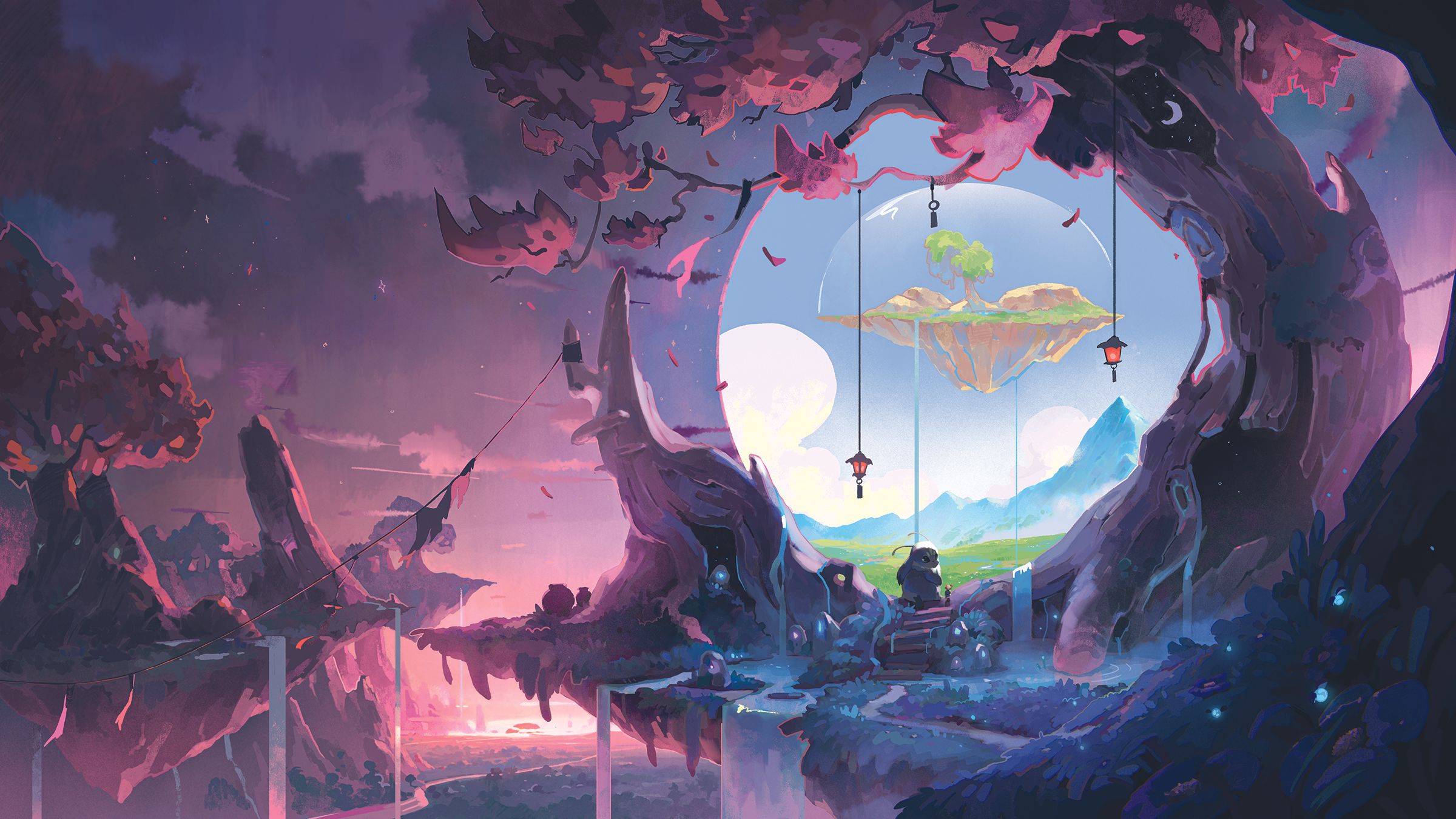
Morgan Noll, a seasoned background and visual development artist whose impressive credits include Digman S2 and Star Trek: Lower Decks S5, outlines her methodical approach to environmental design. She distills her process into three fundamental questions:
- Audience Emotion: "What do I want an audience to feel while engaging with this piece?"
- Narrative Elements: "What narrative elements do I want to inform the design of the scene?"
- Visual Language: "What visual language works best for supporting those choices?"
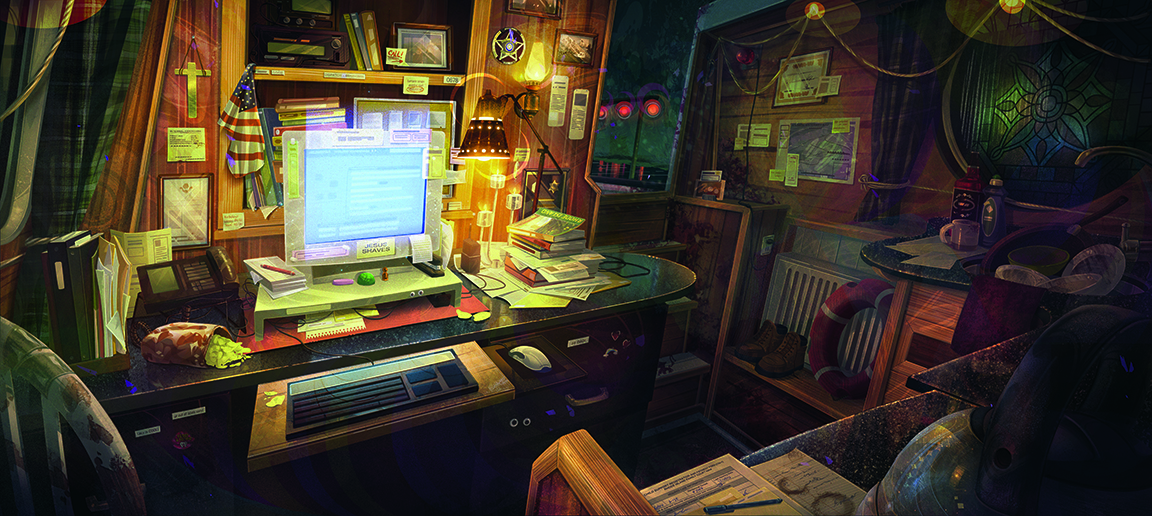
These questions form the conceptual blueprint for every scene, ensuring that each brushstroke serves a higher purpose than mere aesthetics. Noll emphasizes that the environment should reflect the lives lived within it, advocating for the inclusion of "extra scuffs and cracks to items that would naturally pick up a lot of human use, and to leave traces of activity like dust, notes, graffiti, scribbling, stains etc. to evoke a sense of history within a space – that it exists independently outside the moment it was captured." This philosophy imbues static backgrounds with a dynamic sense of history and realism, grounding the narrative in a tangible world.
Chronology: From Concept to Canvas – A Background Artist’s Journey
The creation of a compelling background follows a structured yet iterative process, moving from broad conceptualization to intricate detailing and, finally, to seamless integration within a larger production pipeline.
Conceptualizing the World: Emotion and Narrative First
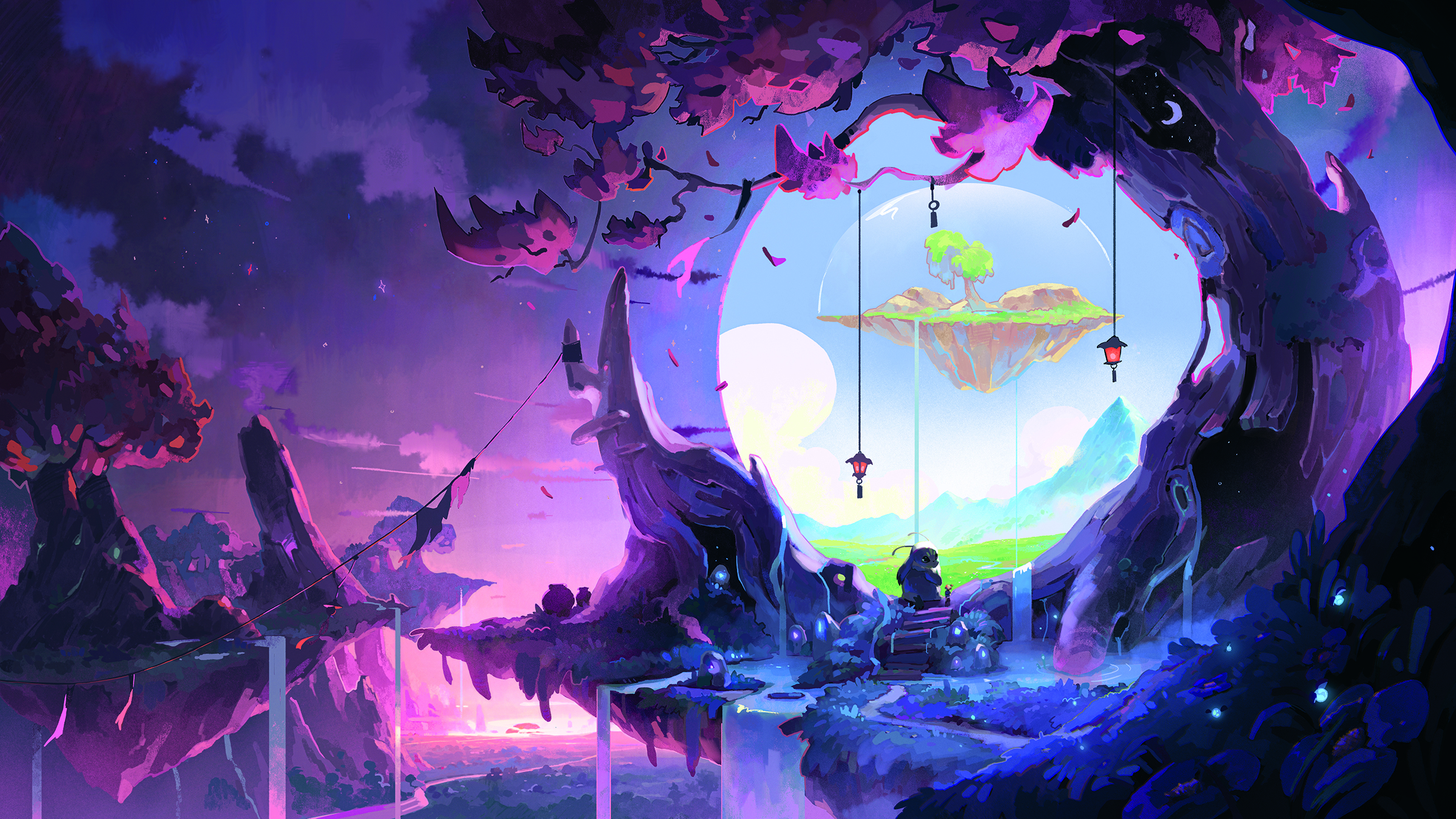
The journey begins with the story itself. As visual development artist Eduardo Vargas, known for his work on The Legend of Vox Machina, asserts, "Every decision that we take when painting backgrounds has to serve the larger purpose of what the story is trying to say." This narrative-first approach dictates all subsequent artistic choices, from lighting and mood to color palettes and architectural styles. Understanding the story’s emotional core allows artists to make informed decisions that resonate with the desired audience experience.
Mastering Space and Shape: The Core of Environmental Design
Once the narrative intent is clear, artists translate these ideas into visual forms. Edwige Stoll, an artist who has contributed to acclaimed productions like Arcane S2 and The Summit of the Gods, champions the importance of focusing on large, expressive forms. "Try to use a brush that’s as big as it can be, to the point that it’s uncomfortable to paint with, to make more expressive strokes," he advises. This technique encourages artists to prioritize the overall impact and structure of a scene before delving into finer details, ensuring a strong foundational composition.
Morgan Noll echoes this sentiment, explaining her method of breaking down environments into "simple shapes and graphic impressions and then build them back up into semi-realism through these repeated graphic patterns and shapes." This iterative process, moving from abstraction to detail, allows artists to maintain a clear vision of the environment’s overall impact and its tangibility – a crucial element for background art that supports a larger narrative.
Injecting Life: The Details of Habitation
With the foundational shapes established, artists then populate their worlds with the subtle cues of life. Noll’s emphasis on "detritus" – the accumulated traces of human activity – highlights how environmental storytelling can reveal character. A cluttered desk, a worn-out armchair, or graffiti on a wall can speak volumes about the inhabitants’ personalities, habits, and socio-economic status. These details transform a mere backdrop into a living, breathing space with its own history and personality. Edwige Stoll, in his personal work, aims to "trigger that strange feeling of nostalgia, where you feel as though you’ve already been there" by adding practical details like "comfortable places to sit, water sources, and routes… between spaces, so that one can stay a bit longer inside the painting." This attention to user experience, even in a static image, deepens viewer engagement.
The Technical Execution: Tools and Workflow
Modern background artists leverage a diverse array of digital tools. While the article mentions the general need for quality equipment like "best drawing tablets" and "best laptops for drawing," it also highlights specific software. Bastien Grivet, an Emmy Award-winning background designer for Star Trek: Prodigy, describes his hybrid workflow: building sets in VR with Gravity Sketch on Oculus, importing geometry into Cinema 4D for texturing, lighting, and rendering, and then finalizing details in Photoshop or Clip Studio Paint. This blend of 2D and 3D techniques demonstrates the evolving technical demands and creative possibilities within the field.
Supporting Data: Expert Insights and Practical Application
The advice from these artists is not merely theoretical; it is born from years of practical experience on high-profile productions. Their methods offer tangible strategies for both emerging and established artists.
The Power of Thumbnails and Neutral Lighting
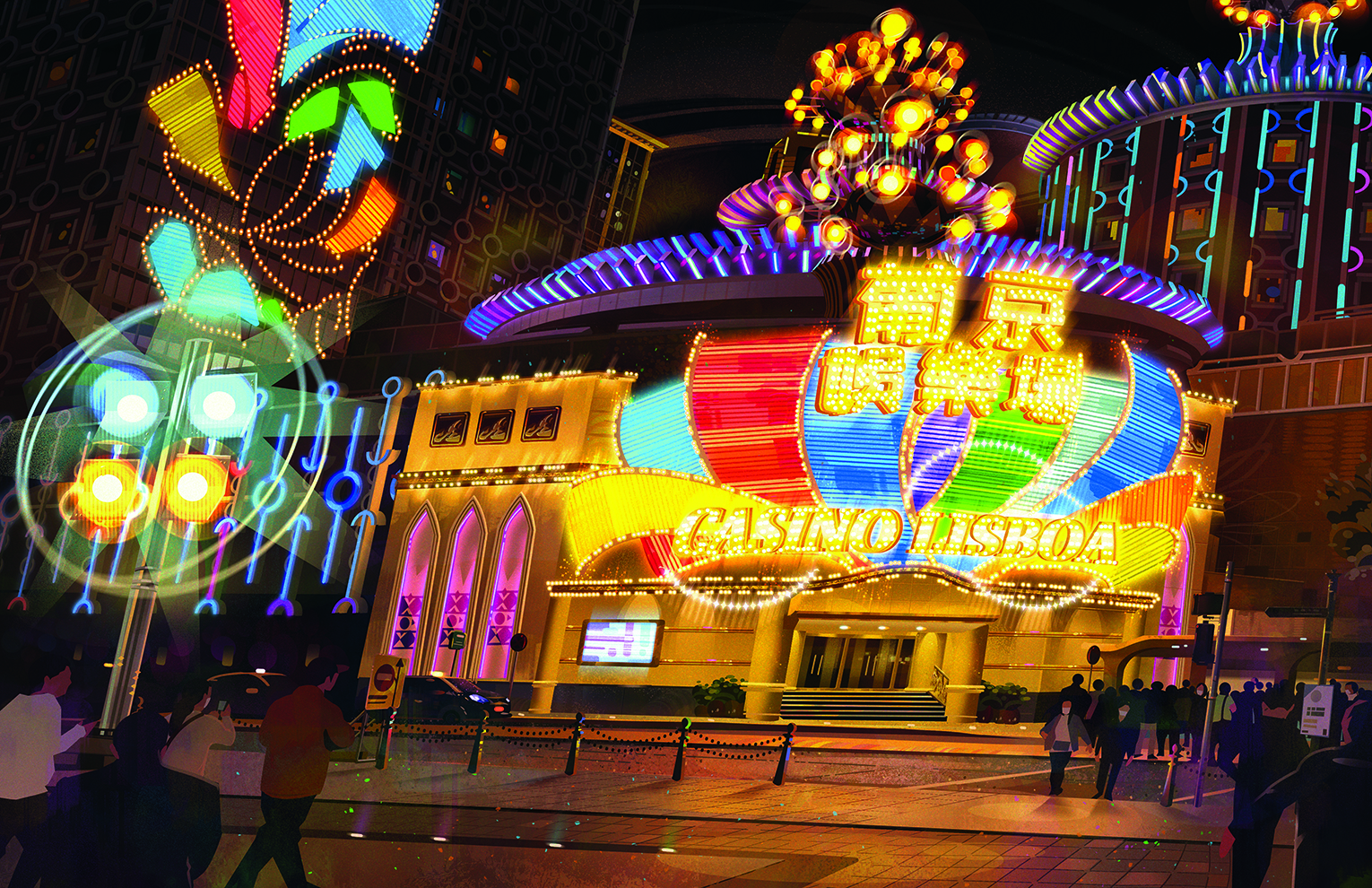
Cassie Jacobsen, a specialist in background painting and illustration, champions the use of thumbnail sketches. "Sometimes, I already have a clear idea for a composition, but not its lighting or colours, or vice versa, so creating thumbnail sketches and paintings is a great way for me to fill in those gaps and choose the strongest scene," she explains. Thumbnails force simplification, preventing artists from getting bogged down in details prematurely and ensuring the core tonal goal is met.
Jacobsen also shares a valuable technical tip: painting scenes with neutral lighting first, then adding light and shadow via layer blending modes (like overlay and multiply). This approach streamlines a potentially "overwhelming process," making complex lighting scenarios more manageable by separating value rendering from color and mood.
Beyond Observation: Capturing Style
For artists aspiring to work on established intellectual properties (IPs), the ability to deeply immerse oneself in and replicate an existing art style is paramount. Morgan Noll elaborates on her process for adapting to a new style, using her work on Tales of the Teenage Mutant Ninja Turtles as an example. She meticulously compiled a "giant PureRef file of all of the feature films’ visual development" to deconstruct the "scribble-style" and understand its application. Her advice to do studies of small objects, like a clock or pizza slice, to "get it into my hands" highlights the importance of tactile learning and detailed analysis.
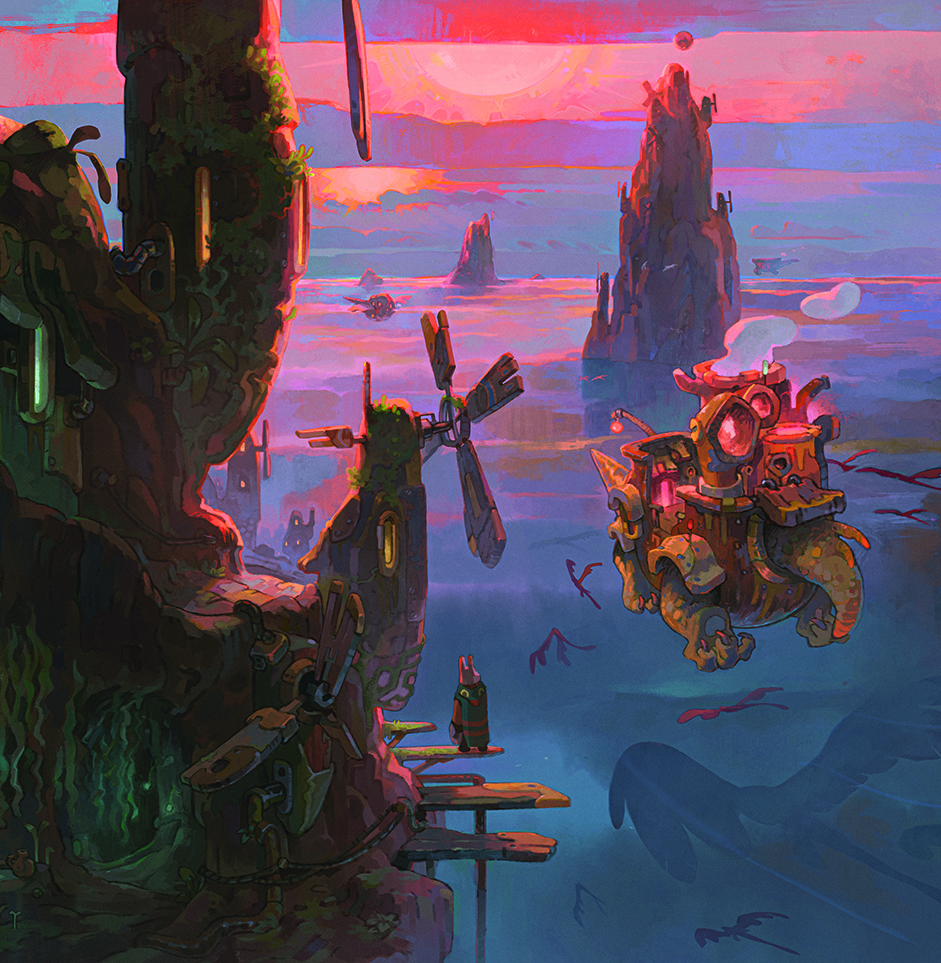
Noll emphasizes that portfolios should demonstrate this adaptive capability, showcasing an understanding of how an IP depicts "organic elements like water or foliage," its use of "pure black for their shadows," whether it employs "line-art or are they lineless," and the incorporation of "elements like scribbles or halftone." This nuanced understanding, she argues, speaks volumes about an artist’s capabilities beyond mere observational drawing.
Bastien Grivet reinforces this, stating, "When it comes to pitching yourself, the more you show that you know the universe of the studio you want to join, the more they’ll see that you’re capable of solving their problems." His experience learning "50 years of art history dedicated to D&D" for a project underscores the extensive research required to truly capture the essence of a story through its environment.
Official Responses: The Collaborative Imperative
In large-scale animation and game productions, background artists are not solitary creators but vital cogs in a complex, multi-stage pipeline. Effective collaboration and meticulous organization are not just good practices; they are essential for success.
The Organized Hand-Off
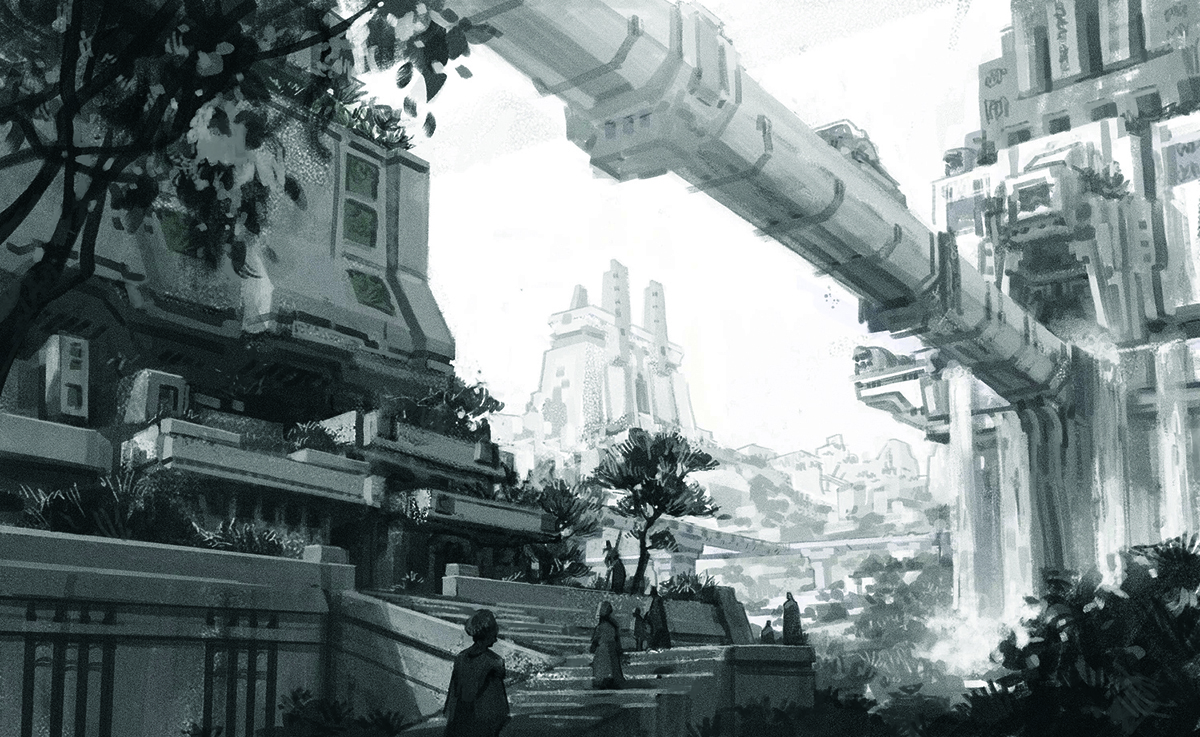
Morgan Noll stresses the paramount importance of well-organized files when handing off work. With hundreds of layers common in background art, "it’s good practice to make sure that all of your layers are named, grouped in accordance with respect to your foreground, middleground, background, and clearly separated for compositing teams down the pipeline." This systematic approach facilitates character animation overlays and underlays, and ensures easy adjustments, preventing bottlenecks further down the production line. Noll adopts an "attitudinal tweak" to make this often-tedious task enjoyable: she treats it "like an exercise in care for my fellow artists."
Foreseeing Problems: Communication and Pipeline Awareness
Eduardo Vargas highlights the unique position of background artists within the production chain. "Backgrounds have an interesting place in the pipeline because in many ways we inherit most of the boons and flaws everyone else made before us," he observes. This means background artists often have to resolve issues stemming from earlier stages. More critically, he warns, "every mistake we commit and every mistake we don’t deal with will be equally inherited by the next team, which in most cases will be compositing."
The solution, according to Vargas, lies in "communication and understanding the process of animation well enough so that you can foresee problems before they happen." When every team member comprehends how their work impacts others, the production flow becomes significantly smoother, minimizing costly revisions and maximizing efficiency.
Implications: The Profound Impact and Future of Background Art
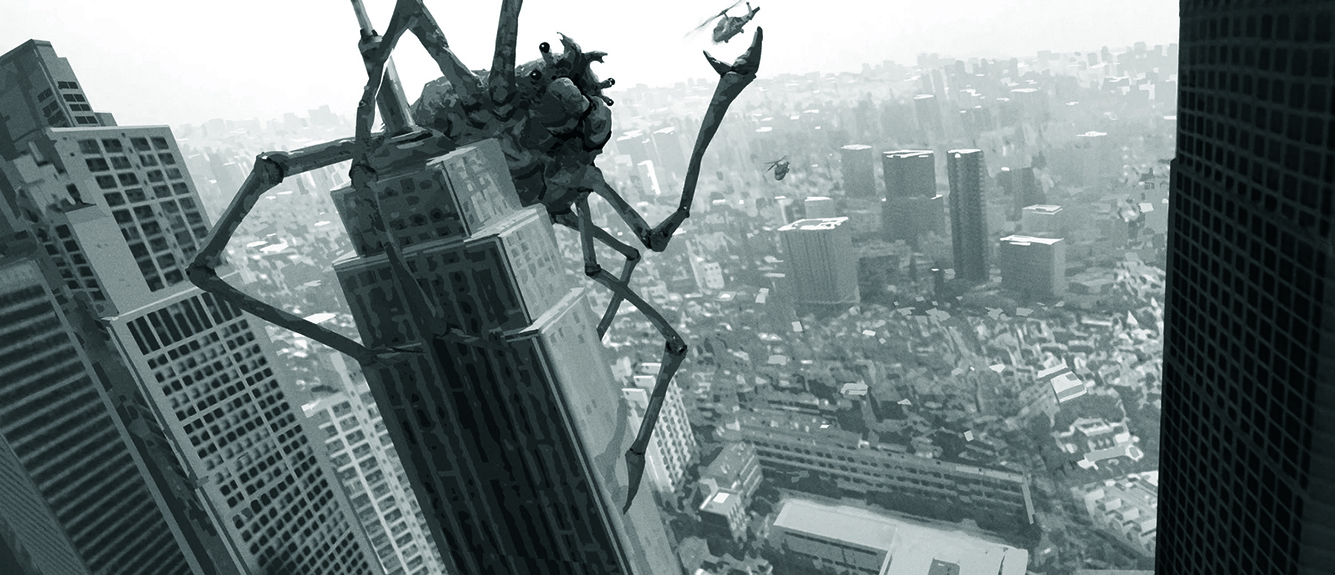
The role of the background artist extends far beyond filling empty spaces. Their work deeply influences audience engagement, shapes the emotional core of a story, and demands a unique blend of artistic skill, technical proficiency, and collaborative spirit.
Background as Character Design
Morgan Noll offers a profound perspective: "background design is character design." She posits that environments are extensions of their inhabitants, revealing their inner lives and narratives. "We’re all products of our environments and our environments also reflect a lot of our interiority back at us." By meticulously considering "the person or people inhabiting the space," artists can imbue backgrounds with clues about character traits—whether they are "messy," "self-conscious," or project "wealth and power but you can see rental suit receipts peaking out under the rug."
This approach transforms every "scuff in a surface, or misplaced shoe, or crumb left behind" into a purposeful clue, contributing to a fuller, more believable portrayal of a character and their world. This level of intentionality elevates background art from mere setting to active storytelling.
The Journey to Professionalism: Nurturing Talent
For aspiring background artists, the path to a professional career requires dedication, continuous learning, and a willingness to experiment. Cassie Jacobsen cautions against "trying to hone in on your style too early," which can be "limiting and even become frustrating when you hit creative roadblocks." Instead, she advocates for embracing experimentation, trying new methods, and drawing inspiration from diverse artists and influences. "Your style will naturally develop and come through in your paintings" as you acquire broader skillsets and experience.
The industry’s demand for adaptable artists who can both create unique worlds and seamlessly integrate into established IP styles underscores the importance of a well-rounded portfolio. Demonstrating not just observational drawing skills, but also the ability to analyze, deconstruct, and replicate distinct visual languages, is a significant differentiator.
The Evolving Landscape of Environmental Storytelling
As technology advances, so too do the methods and opportunities for background artists. The integration of VR tools like Gravity Sketch into traditional 2D and 3D pipelines signifies a dynamic evolution in the craft. These tools allow for unprecedented spatial freedom and immersive design, further blurring the lines between concept art, modeling, and painting.
The continuous growth of animation, gaming, and visual media ensures that the demand for skilled background artists will remain high. Their ability to craft believable, emotionally resonant, and narratively rich environments will continue to be a cornerstone of compelling visual entertainment.
Conclusion
The world of animation and games owes an immeasurable debt to its background and visual development artists. These creative professionals are not just scene-setters; they are the architects of emotion, the custodians of narrative, and the silent storytellers who enrich every frame and every interactive moment. Through a meticulous blend of artistic vision, technical prowess, and a deep understanding of collaboration, they transform empty canvases into vibrant, lived-in worlds. Their journey, from asking fundamental questions about audience feeling to perfecting the organized hand-off, exemplifies a craft that is both deeply personal and profoundly collaborative. For aspiring artists, the message is clear: embrace the narrative, master your tools, cultivate a spirit of teamwork, and never cease to experiment. In doing so, you too can become an unseen architect, shaping the worlds that capture imaginations and leave an indelible mark on storytelling.
 Evan Lee Salim
  Nana
Nana  Ammar Sabilarrohman