
 By Laily UPN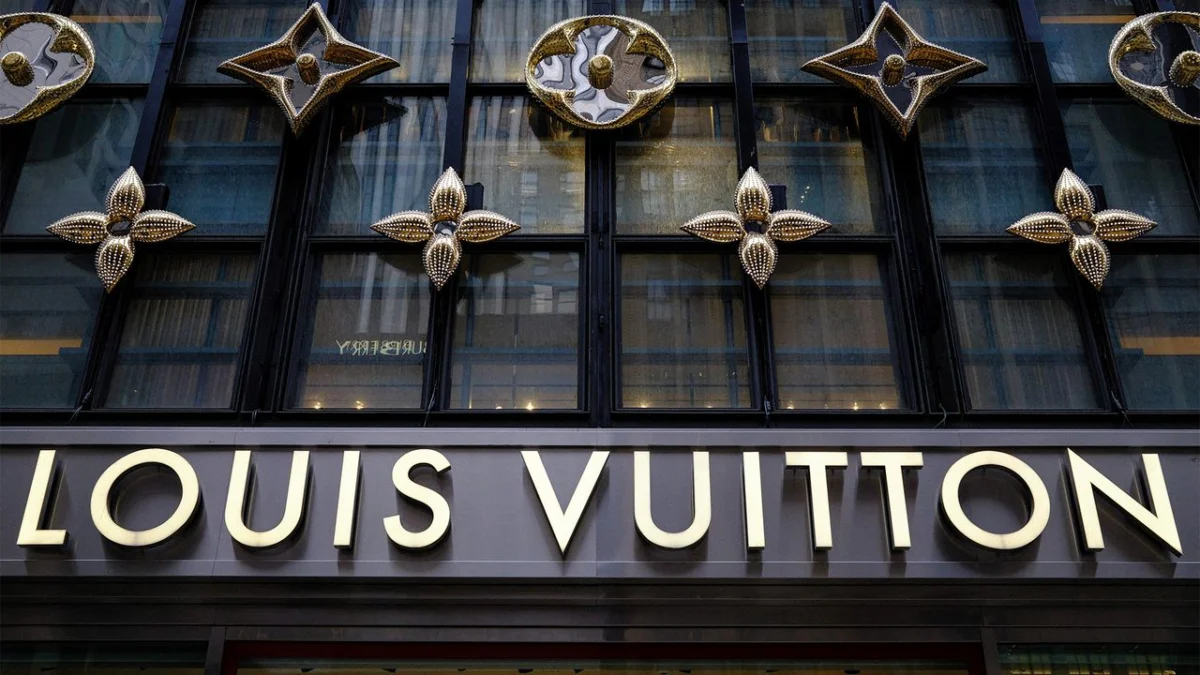
SHANGHAI, CHINA – In a significant ruling poised to reverberate through the global luxury and intellectual property landscapes, French fashion titan Louis Vuitton has emerged victorious in a high-profile trademark infringement case against Chinese bubble tea chain Molly Tea. A Chinese court has ordered Molly Tea to pay Louis Vuitton a substantial sum of US$1.5 million (approximately 10.3 million yuan) in damages, along with a mandate to issue a public corrective statement across its social media platforms. The luxury house successfully argued that Molly Tea’s branding brazenly copied its globally recognized four-petal monogram, igniting a fierce debate online about originality, cultural heritage, and the boundaries of intellectual property.
The judgment underscores a growing trend of robust intellectual property enforcement in China, a development keenly observed by international brands. However, the ruling has simultaneously ignited a passionate discussion among internet users, many of whom have rallied to Molly Tea’s defense, asserting that the iconic Louis Vuitton monogram draws inspiration from motifs with a much deeper, more ancient provenance, potentially predating the luxury brand’s own conception by centuries. This tension between established brand protection and claims of shared cultural aesthetics transforms what might appear to be a straightforward design dispute into a complex dialogue on heritage and appropriation.
The Anatomy of a Trademark Battle: A Chronology of Conflict
The legal skirmish between Louis Vuitton and Molly Tea has been simmering for some time, culminating in the recent decisive court order from China’s eastern Jiangsu province. While the exact inception date of the lawsuit remains undisclosed in initial reports, the core of the dispute revolves around Molly Tea’s adoption of decorative patterns that bore an uncanny resemblance to Louis Vuitton’s distinctive Monogram canvas.
Molly Tea, a Shenzhen-based beverage company, had reportedly attempted to secure trademarks for its patterned designs. However, these applications were consistently rejected by Chinese authorities, who seemingly identified the potential for conflict with existing, well-established intellectual property. The only aspect of Molly Tea’s branding that received trademark approval was its name rendered in Chinese characters, suggesting an early recognition by regulators of the contentious nature of its graphic elements.
The court’s final ruling specifically found Molly Tea in violation of the rights pertaining to seven registered Louis Vuitton trademarks. This comprehensive finding indicates that the infringement was not merely a superficial similarity but rather a broad appropriation of key elements constituting Louis Vuitton’s protected brand identity. Beyond the significant financial penalty, the requirement for Molly Tea to issue a public corrective statement carries considerable weight, aiming to dispel any public confusion and officially acknowledge the infringement, thereby reinforcing Louis Vuitton’s ownership of its distinct symbols.
News of the verdict quickly spread across Chinese social media platforms and beyond, sparking widespread commentary. A particular social media post, widely shared and debated, highlighted the court’s decision and the ensuing public reaction, emphasizing the financial penalty and the core disagreement over the monogram’s origins. This public outcry signaled that the legal battle was not just a corporate skirmish but a matter touching upon cultural identity and fairness in the competitive global marketplace.
Supporting Data and Context: The Monogram’s Enduring Legacy and Its Critics
To fully appreciate the gravity of this dispute, it is essential to delve into the history and significance of the Louis Vuitton monogram and the counter-arguments presented by its critics.
The Louis Vuitton Monogram: A Century of Iconography
The ubiquitous Louis Vuitton Monogram was not part of the brand’s initial offering. It was conceived in 1896 by Georges Vuitton, son of the founder Louis Vuitton, as a tribute to his late father and, crucially, as a sophisticated deterrent against widespread counterfeiting. At the time, Louis Vuitton luggage was becoming highly sought after, leading to numerous imitations. Georges’ stroke of genius was to create a complex, instantly recognizable pattern that would be difficult to replicate accurately and legally.
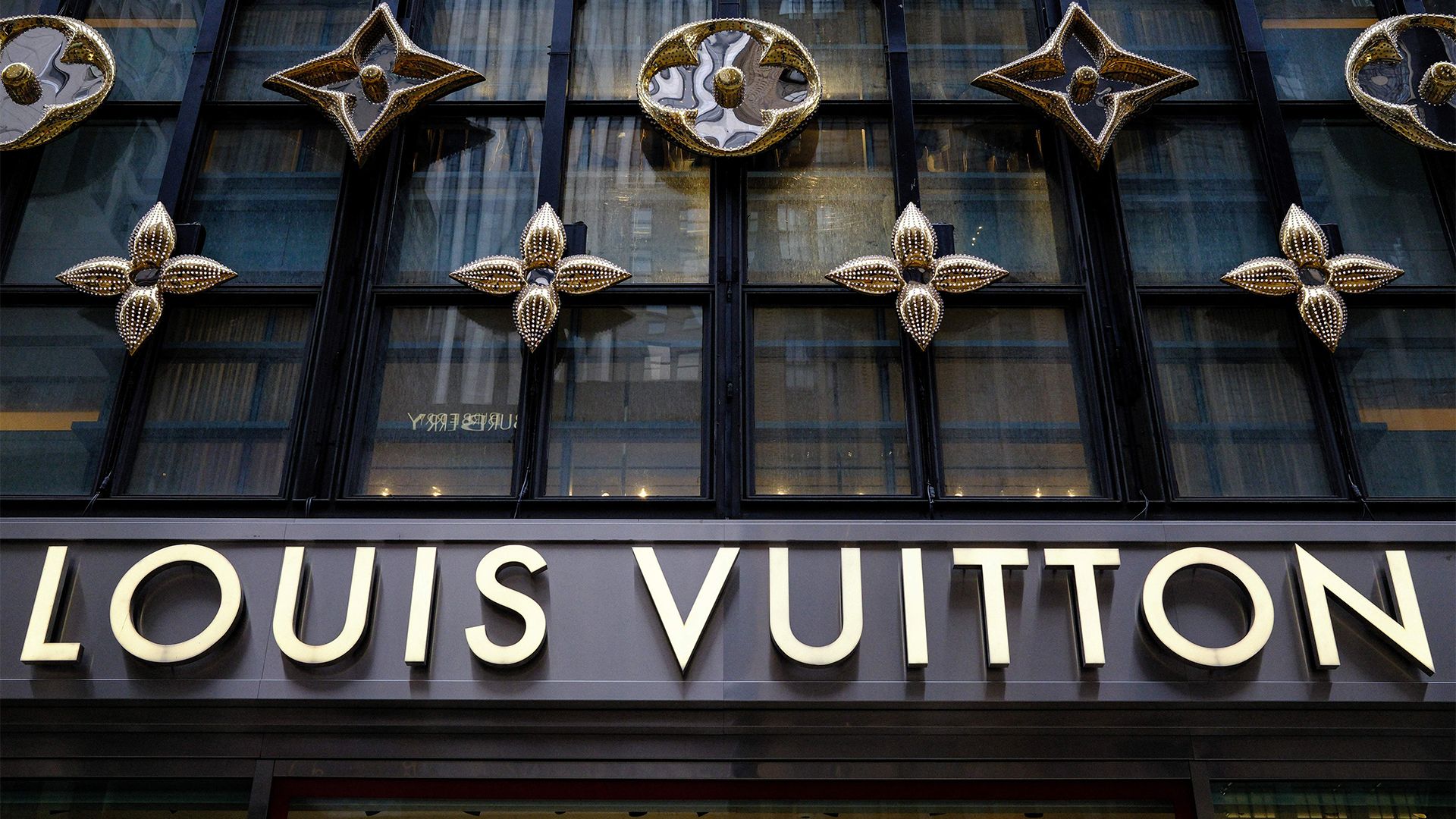
The design comprises several distinct elements:
- The interlocking "LV" initials: A direct homage to Louis Vuitton.
- A four-petal flower: Often described as a stylized quatrefoil, inspired by Japanese mon designs and floral motifs.
- A four-pointed star: Symbolic of quality and craftsmanship.
- A diamond shape: Another geometric element that adds to the pattern’s complexity.
These elements are arranged in a repeating, symmetrical pattern, typically in gold or beige on a dark brown coated canvas. Over its 128-year history, the Monogram has transcended its original purpose as an anti-counterfeiting measure to become a global emblem of luxury, heritage, and high fashion. It is arguably one of the most recognizable brand identities in the world, instantly evoking the brand’s legacy of exquisite craftsmanship and exclusivity. This long-standing, widespread recognition forms the bedrock of Louis Vuitton’s legal claims, as the distinctiveness and secondary meaning (where a design comes to be associated solely with a particular brand) are paramount in trademark law.
The Counter-Narrative: Claims of Ancient Origins
Despite Louis Vuitton’s meticulously documented history of its monogram, the court’s decision has faced considerable public skepticism, particularly within China. A significant portion of the online discourse centers on the argument that the four-petal flower motif, a cornerstone of the Louis Vuitton monogram, is not exclusive to the French luxury house but rather a common, ancient design element found across various cultures, including China.
Numerous social media users and commentators have pointed to historical artifacts and textiles, particularly from China’s Tang Dynasty (618-907 AD), which feature strikingly similar four-petal floral patterns. These patterns, often seen in decorative arts, ceramics, and fabrics from millennia past, suggest that the motif is a shared human aesthetic rather than a unique invention of a 19th-century European brand.
One widely circulated sentiment expressed on social media platforms like X (formerly Twitter) articulated this perspective: "The pattern turns up in Tang dynasty textiles, people pointed out, centuries before there was a house called Vuitton to register anything with." Another user’s scathing critique alleged, "China’s ancient traditional patterns are stolen, registered as trademarks after being turned into luxury goods, and then used to file lawsuits in return." These comments highlight a deeper cultural sensitivity, where the enforcement of modern intellectual property rights is perceived by some as an appropriation or even a "theft" of shared cultural heritage.
The crux of this counter-argument is the concept of "prior art" or "genericness." If a design element is considered too generic or has existed in the public domain for centuries, especially within a specific cultural context, questions arise about the extent to which it can be exclusively claimed by a single entity. However, trademark law often focuses on the overall impression of a design and whether its use creates a likelihood of confusion in the marketplace regarding the source of goods or services. Louis Vuitton’s victory suggests the court found Molly Tea’s specific combination and presentation of elements to be too close to LV’s established and distinctive trade dress, regardless of individual component origins.
Official Responses and Public Outcry
While Louis Vuitton has not issued a detailed public statement beyond the court proceedings, its actions in pursuing this case, and others like it, clearly demonstrate a staunch commitment to protecting its intellectual property portfolio globally. The brand’s strategy is to aggressively defend its trademarks against any perceived infringement, regardless of the industry or geographical location of the alleged copier.
Molly Tea, on the other hand, has remained largely silent on the specifics of the ruling, with reports focusing on the practical implications of the judgment, such as the financial penalty and the mandatory public apology. The rejection of their trademark applications years prior, however, indicates their attempts to legitimize their designs were unsuccessful, paving the way for Louis Vuitton’s legal challenge.
The most vocal responses have come from the public, particularly on Chinese social media. The sentiment often expressed dissatisfaction with the verdict, portraying Louis Vuitton as overly litigious or "greedy." Comments such as "LV greed knew no bound" and "Different areas, different logos, it’s a bit of a stretch" reflect a perception that the luxury brand is overstepping its bounds, particularly when targeting a relatively smaller, local enterprise in a different market sector. The argument that "different areas, different logos" refers to the perceived lack of direct competition between a high-fashion house and a bubble tea chain, suggesting minimal actual market confusion. However, trademark law often extends beyond direct competition to prevent dilution of a brand’s distinctiveness across unrelated goods and services.
This public reaction underscores a broader cultural and economic dynamic: the growing assertiveness of Western luxury brands in protecting their image in lucrative Asian markets, often clashing with local business practices and sometimes, as in this case, historical cultural contexts.
Implications: A Ripple Effect Across Industries
The Louis Vuitton vs. Molly Tea ruling carries multifaceted implications for various stakeholders, from the immediate parties involved to the broader global market.
For Molly Tea:
The financial penalty of US$1.5 million represents a significant blow to a local tea chain. This amount could severely impact its operational capacity, marketing budget, and expansion plans. Furthermore, the forced public corrective statement will undoubtedly damage its brand reputation, potentially eroding customer trust and loyalty. Molly Tea will now face the arduous task of a complete rebrand, necessitating a redesign of its entire visual identity to avoid any further legal entanglements. This process is not only costly but also risks alienating its existing customer base if the new branding fails to resonate.
For Louis Vuitton:
This victory is a clear affirmation of Louis Vuitton’s intellectual property rights in a crucial market. It sends a powerful message to potential infringers in China and elsewhere that the brand is vigilant and prepared to take aggressive legal action to protect its iconic symbols. While the monetary award is relatively small for a luxury conglomerate of LVMH’s scale, the strategic importance lies in setting a strong precedent. This reinforces its global brand protection strategy, which has seen the brand pursue similar disputes, such as a recent high-stakes logo conflict against a casino, demonstrating a consistent policy across diverse industries. However, the public backlash, particularly regarding claims of cultural appropriation, could subtly impact its brand image among certain consumer segments, necessitating careful public relations management.
For the Wider Industry (Luxury Brands and Local Enterprises):
This ruling serves as a stark warning to local businesses worldwide, especially those operating in emerging markets, against the temptation to mimic or draw too closely from established global brand aesthetics. It underscores the critical importance of original design and thorough trademark searches before launching new products or branding campaigns. The cost of infringement, both financial and reputational, can be devastating.
For other luxury brands, this case reinforces the value of their robust IP protection strategies in China. It signals that China’s legal system is increasingly willing to enforce intellectual property rights, offering greater assurance for foreign businesses investing in the market. This shift in China’s IP landscape reflects its ambition to foster innovation and become a global leader in technology and design, which necessitates a strong legal framework for IP protection.
Cultural and Ethical Considerations:
The public debate surrounding the "ancient origins" of the four-petal motif highlights a complex ethical dimension. It raises questions about the ownership of universal design elements and the potential for cultural appropriation when global brands trademark patterns that have existed in various cultural contexts for centuries. While legal systems typically protect specific stylized renditions and combinations of elements rather than generic shapes, the perception of a luxury brand "owning" a piece of shared cultural heritage can generate significant controversy and public relations challenges. This case serves as a poignant reminder of the delicate balance between protecting legitimate commercial trademarks and respecting the broader tapestry of human design history.
Ultimately, the Louis Vuitton vs. Molly Tea case is more than a simple logo dispute. It is a microcosm of larger battles being fought on the global stage: the protection of intellectual property in an increasingly interconnected world, the clash between corporate branding and cultural heritage, and the evolving landscape of justice in one of the world’s most dynamic markets. For designers, legal professionals, and consumers alike, it offers invaluable lessons on the power of iconography, the intricacies of trademark law, and the enduring resonance of cultural identity.
 Evan Lee Salim
  Nana
Nana  Ammar Sabilarrohman