
 By Pevita Pearce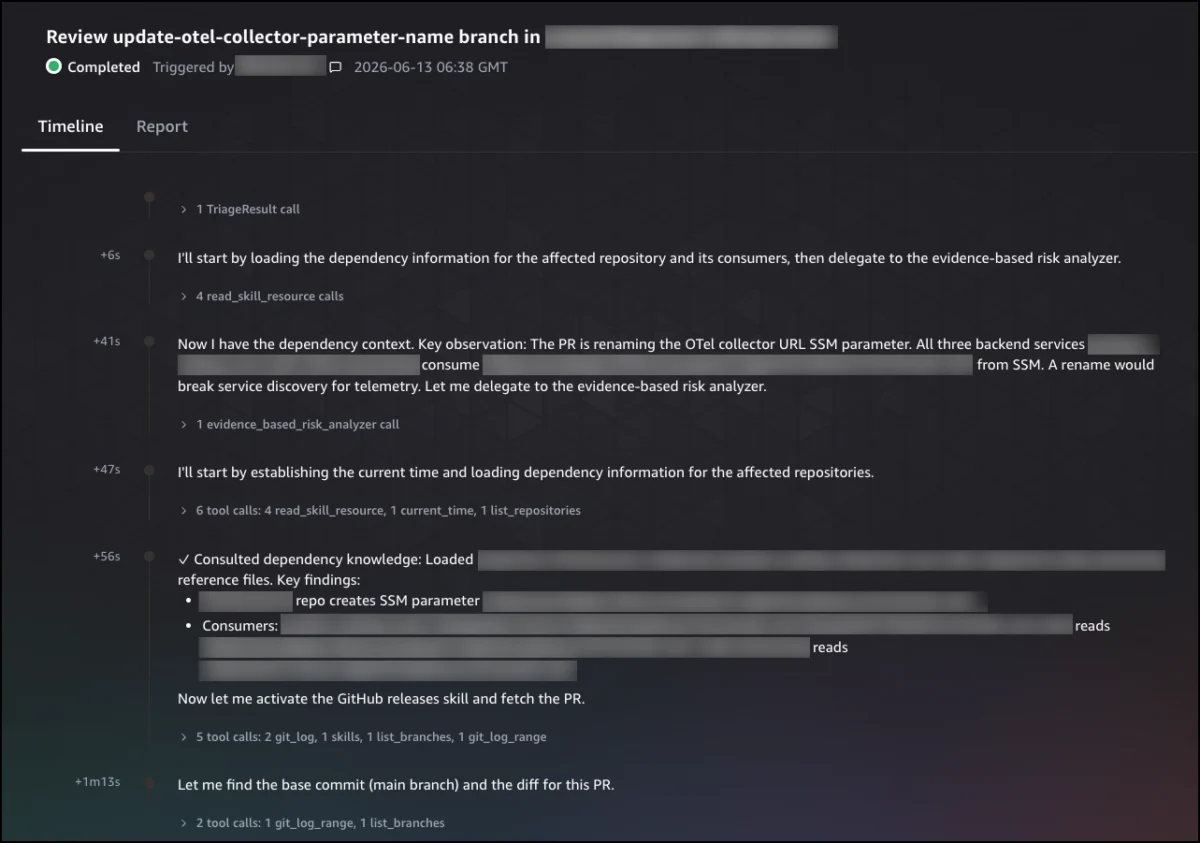
In the modern era of rapid software development, the velocity of code production has outpaced the human capacity for quality assurance. As organizations integrate AI-assisted coding tools, the volume of pull requests has surged, leading to "review fatigue" and the dangerous phenomenon of environment drift. Today, Amazon Web Services (AWS) is addressing these systemic bottlenecks by announcing a major preview release for the AWS DevOps Agent, introducing sophisticated release readiness reviews and autonomous release testing.
Designed as an "always-available" teammate, the AWS DevOps Agent is engineered to provide a bridge between development, operations, and cross-platform infrastructure. By leveraging a deep, contextual understanding of service dependencies and production behavior, the tool promises to transform how teams manage the bridge between code commit and production deployment.
Main Facts: A New Paradigm for Release Orchestration
The AWS DevOps Agent has evolved from a post-deployment diagnostic tool into a comprehensive lifecycle manager. While it previously focused on incident investigation and root cause analysis (RCA), the new capabilities—currently in preview—tackle the critical "pre-flight" phase of software delivery.
Key Capabilities Introduced:
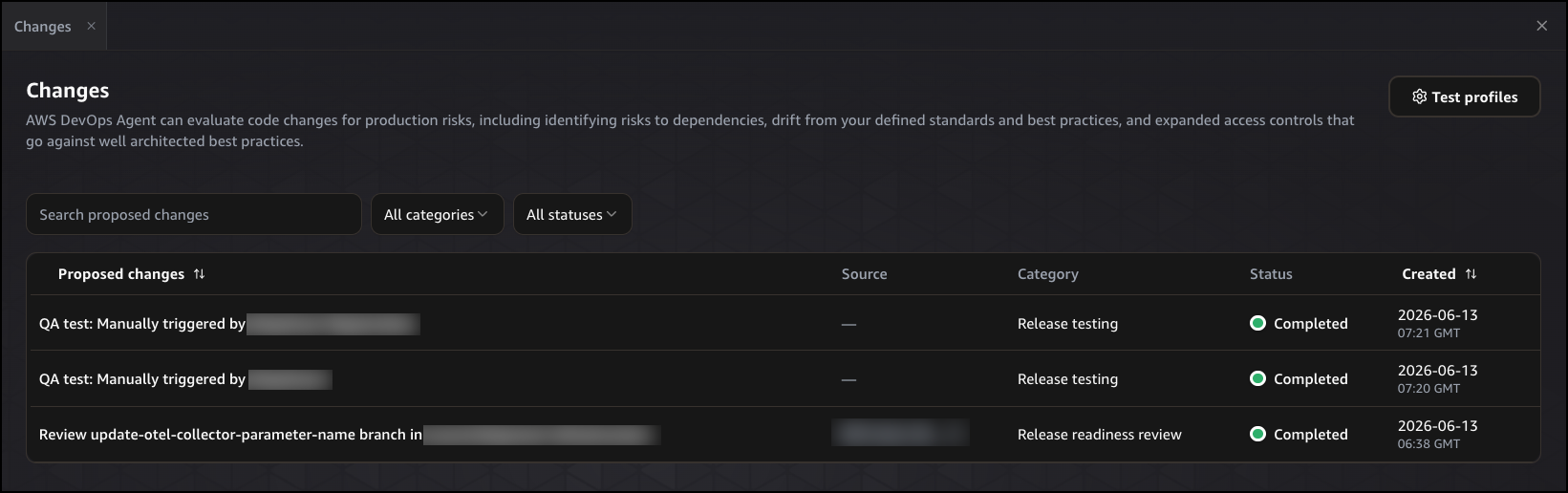
- Release Readiness Review: A mechanism that evaluates code changes against predefined natural language standards. It scrutinizes infrastructure impacts, dependency safety, and adherence to the AWS Well-Architected Framework.
- Autonomous Release Testing: Rather than relying on rigid, manually maintained test suites, the agent dynamically constructs test plans based on the specific nature of the code change, ensuring behavioral regressions and integration scenarios are covered.
- Cross-Repository Intelligence: By building a knowledge graph of dependencies across various environments, the agent can predict how a change in one microservice might disrupt downstream systems.
These tools are now accessible via the AWS DevOps Agent console, as well as through integration with popular developer tools like GitHub, GitLab, and IDE plugins such as Claude Code.
Chronology: The Evolution of the DevOps Agent
To understand the significance of this release, one must examine the progression of the AWS DevOps Agent’s capabilities:
- Phase 1 (General Availability): The tool was introduced as an autonomous operations specialist. Its primary utility was post-deployment: monitoring systems, investigating incidents, and suggesting remediation steps.
- Phase 2 (The Integration Gap): As generative AI adoption accelerated, engineering teams faced an explosion in pull request volume. It became clear that the "shift left" movement required more than just faster code—it required smarter, automated governance.
- Phase 3 (The Preview Announcement – Today): AWS is shifting the agent’s focus toward the delivery pipeline. By automating the review and testing stages, the agent now acts as a gatekeeper that ensures only high-quality, compliant code reaches the production environment.
Supporting Data: Addressing the Bottleneck
The rationale behind these features is grounded in the current realities of software engineering at scale. According to industry observations, the pressure to deploy has led to two critical failure points:

- Approval Compression: When faced with an overwhelming backlog, reviewers often perform superficial checks. This creates a security and stability risk where vulnerabilities bypass human scrutiny.
- Environment Drift: A persistent challenge where the "test" environment becomes increasingly dissimilar to the "production" environment. By running tests in production-like, AWS-managed isolated environments, the new Agent features mitigate the "it works on my machine" syndrome.
The Agent’s ability to provide a "BLOCK," "Proceed with Caution," or "Safe to Release" recommendation is designed to provide actionable, objective data-driven insights that allow engineers to focus on complex architecture rather than repetitive validation tasks.
Implications: The Shift Toward Autonomous Operations
The introduction of these features marks a fundamental change in the role of the DevOps engineer.
The "Agentic" Workflow
In a traditional pipeline, a developer submits code, a peer reviews it, and an automated CI/CD pipeline runs a standard suite of tests. In the new AWS model, the DevOps Agent acts as an intermediary. It doesn’t just run tests; it reasons about the code.
For instance, if a developer changes a database access pattern, the agent understands the infrastructure implications, checks against internal security policies, identifies the potential for cross-repository dependency breakage, and runs targeted tests. This "reasoning" capability reduces the cognitive load on human reviewers, allowing them to focus on high-level architectural integrity rather than syntax or basic compliance.
Strategic Advantages for Enterprises
- Uniformity in Governance: By defining "instructions" in plain English, companies can ensure that every team, regardless of seniority, adheres to the same security and operational standards.
- Reduced MTTR (Mean Time to Resolution): Because the agent maintains a knowledge graph of dependencies, it can pinpoint exactly where a failure originated, significantly cutting down on debugging time.
- Scaling AI Coding: As teams deploy AI-assisted coding tools to write more code faster, the DevOps Agent provides the necessary "counterweight"—automated, scalable governance that ensures quality keeps pace with quantity.
Official Responses and Operational Guidance
AWS has emphasized that these features are designed to be "configurable, not just restrictive." Organizations can tailor the agent’s instructions to meet their specific compliance needs—such as enforcing encryption standards, network access policies, or sensitive data classification.
Getting Started: A Step-by-Step Approach
For teams looking to integrate these tools, AWS has outlined a streamlined onboarding process:
- Repository Connection: Link GitHub or GitLab repositories to an "Agent Space."
- Knowledge Indexing: The agent automatically maps dependencies to create a holistic view of the ecosystem.
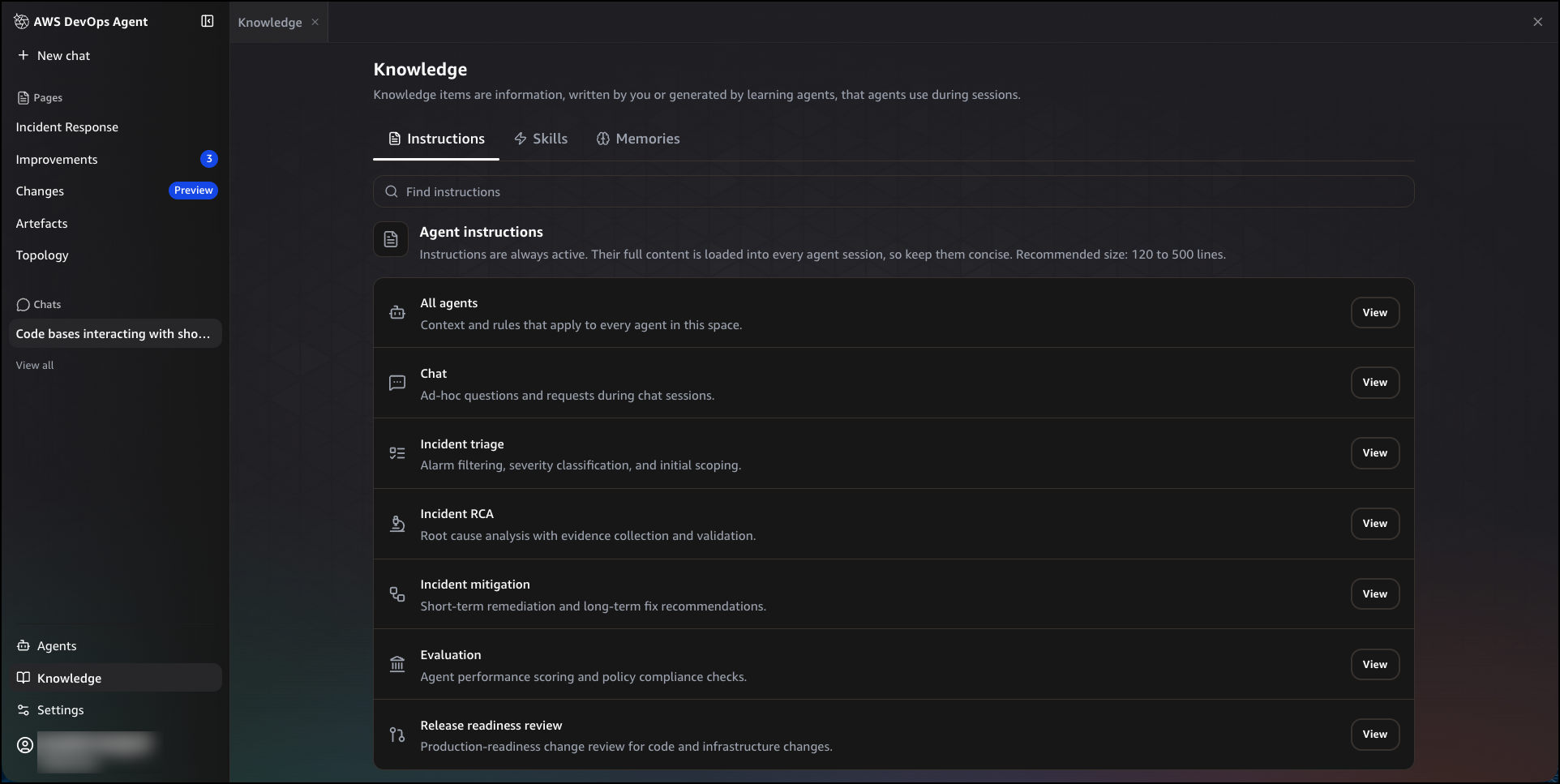
- Instruction Setting: Under the "Knowledge" tab, users can define internal standards in plain English. This is where companies encode their "best practices," ranging from logging requirements to specific architectural guardrails.
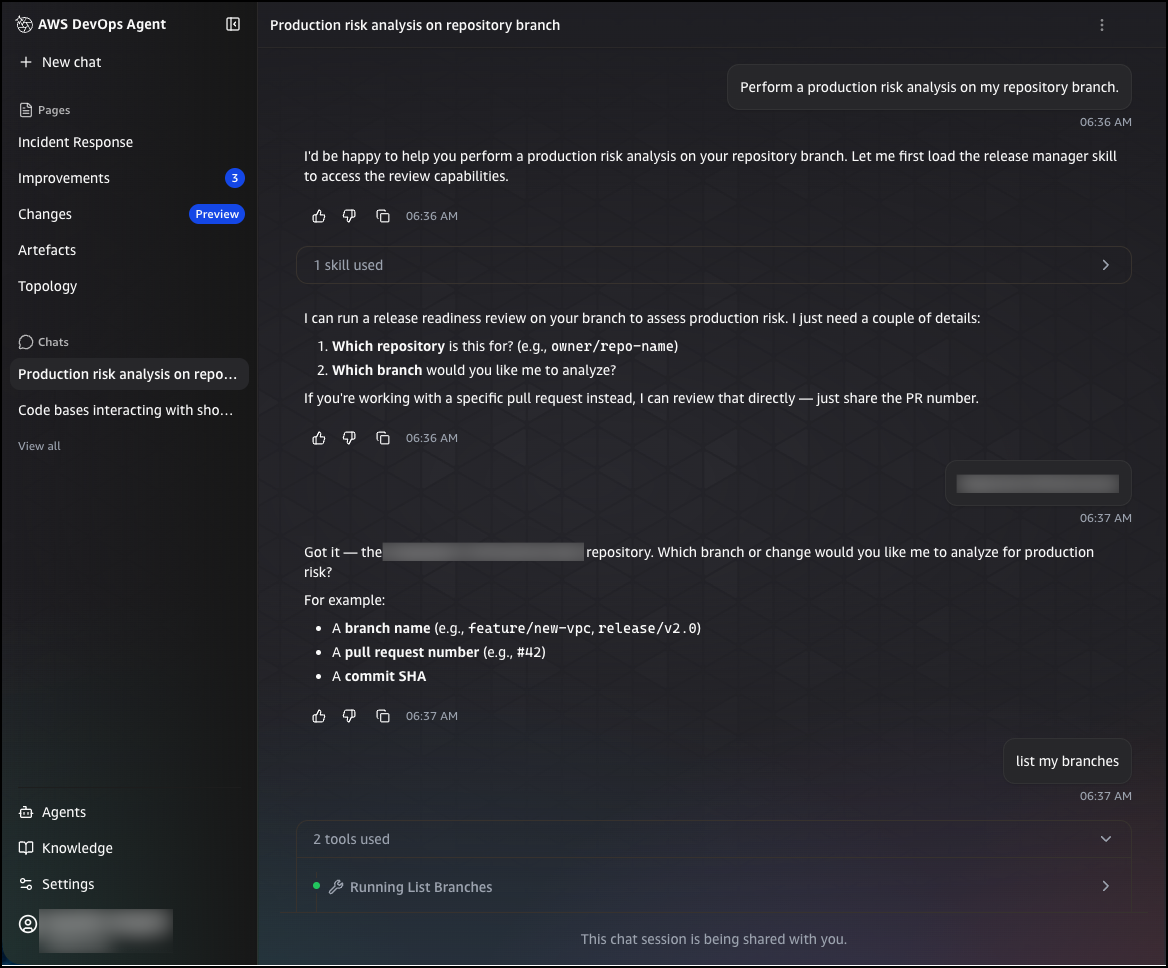
- On-Demand or Automated Triggers: Reviews can be triggered manually via chat—e.g., "Perform a production risk analysis on my repository branch"—or automatically upon pull request submission.
The "Timeline" tab within the console offers radical transparency. It provides a step-by-step audit trail of the agent’s reasoning, showing exactly which tools were consulted and what logic was applied. This auditability is essential for regulated industries that require a clear record of how release decisions were made.
Looking Ahead: The Future of the Software Lifecycle
The preview of these release management capabilities highlights a clear trajectory in the AWS vision: the move toward Autonomous DevOps.
As we look toward the future, the integration of generative AI into the software development lifecycle (SDLC) is not just about writing code faster; it is about automating the entire lifecycle, from the inception of a feature to its deployment and monitoring in production. By closing the loop between code generation and production readiness, AWS is setting a new standard for what it means to be an "autonomous teammate."
For organizations currently struggling with the friction of high-velocity development, these new tools offer a path toward a more stable, secure, and predictable release cadence. The preview is currently available in the US East (N. Virginia) Region at no additional cost, inviting teams to begin testing the next generation of DevOps orchestration.
For more information on configuration, developers are encouraged to review the official AWS DevOps Agent user guide, which provides deep-dive documentation on setting up instruction sets and connecting CI/CD pipelines.
 Neng Nana
  Suro Senen
  Lina Hope