
 By Azzam Bilal Chamdy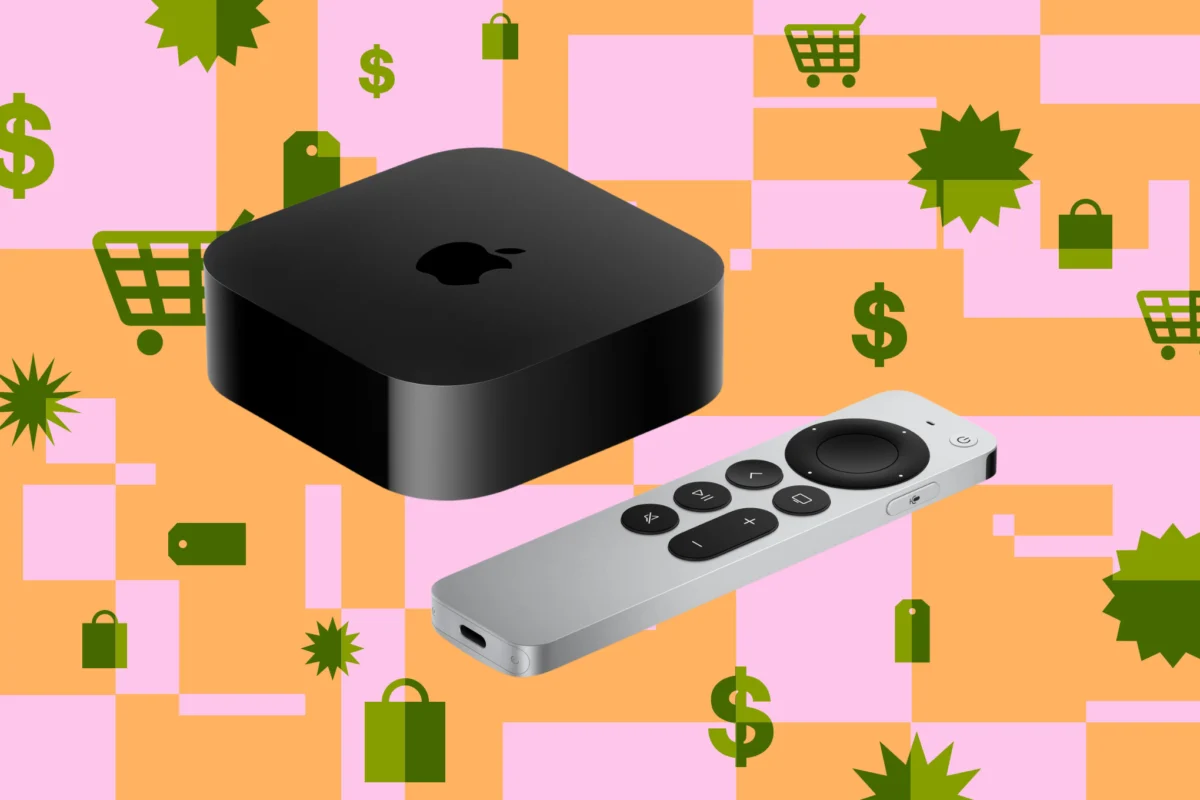
By Brad Bourque
Technology Journalist & Commerce Writer
As consumers navigate the shifting economic landscape of 2026, the cost of personal technology continues to weigh heavily on household budgets. Across the board, hardware prices have soared, driven by persistent supply chain pressures, escalating component expenses—such as widespread RAM and memory shortages—and broader inflationary trends. Apple has not been immune to these pressures, implementing notable price increases across its flagship lineups of laptops, tablets, and smart devices.
For buyers looking to upgrade their living room entertainment systems without breaking the bank, however, a reliable alternative exists. Directly addressing the pinch of rising hardware costs, Apple’s official refurbished storefront has quietly emerged as one of the best-kept secrets in tech savings. Among the most compelling offers is a significant price cut on the third-generation Apple TV 4K, providing a smart workaround for shoppers unwilling to pay peak retail prices for home entertainment technology.
Main Facts: The Refurbished Apple TV 4K Discount
With retail prices for consumer electronics climbing steadily through 2026, finding genuine discounts on current-generation hardware is increasingly rare. Apple’s certified refurbished program offers a direct remedy by slashing prices on both configurations of the third-generation Apple TV 4K:
- The 64GB Model (Wi-Fi): Currently available through Apple’s certified refurbished store for $169, saving buyers $30 off the standard new retail price.
- The 128GB Model (Wi-Fi + Ethernet): Discounted to $209, representing a $40 markdown from its full retail price.
Crucially, buying refurbished directly from Apple carries distinct advantages over third-party marketplaces. Unlike traditional used gear, Apple’s refurbished devices undergo a rigorous reconditioning process that includes full functional testing, deep cleaning, and replacement of any worn outer shells. Furthermore, every refurbished unit ships with a brand-new outer shell, a fresh battery (where applicable), all original accessories, and—most importantly—the exact same one-year limited warranty that accompanies a brand-new device straight out of the box.
Chronology: The Evolution of Apple’s Living Room Strategy
To understand the value proposition of the third-generation Apple TV 4K in 2026, it helps to examine the timeline of its development and the shifting role of set-top boxes in the modern smart home.
- Late 2022: Apple launches the third-generation Apple TV 4K. Powered by the A15 Bionic chip—the same processor found in select iPhone models—the device brings a noticeable performance boost, enhanced energy efficiency, and support for high-dynamic-range formats like HDR10+ alongside Dolby Vision. Two variants are introduced: a budget-friendly 64GB Wi-Fi-only model and a high-capacity 128GB model featuring a Gigabit Ethernet port and Thread networking support.
- 2023–2024: As streaming services fragment and smart TVs become ubiquitous with native apps, analysts question the longevity of dedicated streaming boxes. However, Apple counters this by leaning into performance, gaming via Apple Arcade, and deep smart home integration, positioning the Apple TV not just as a media player, but as a central HomeKit hub.
- 2025: Component pricing begins to fluctuate wildly across the tech sector. Global silicon shortages and rising memory costs impact margins for consumer electronics manufacturers, setting the stage for broader retail price increases.
- Early 2026: Hardware inflation hits a fever pitch. Apple implements sweeping price adjustments across laptops, tablets, and select accessories. Consumer interest pivot sharply toward value-retention strategies, thrusting official refurbished programs into the spotlight as the premier method for mitigating high retail costs.
Supporting Data: Performance, Capabilities, and Specifications
Despite launching several years ago, the third-generation Apple TV 4K remains an exceptionally powerful media streaming device that easily outpaces many contemporary competitors.
Audio-Visual Excellence
In reviews conducted upon its release, critics praised the device’s seamless integration with major streaming ecosystems. It supports both Dolby Vision and HDR10+, offering superior contrast, color accuracy, and peak brightness management compared to lower-cost streaming sticks or even dedicated gaming consoles like the PlayStation 5 when streaming media content.

Casual Gaming Powerhouse
Beyond passive video streaming, the Apple TV 4K doubles as a competent micro-console. When paired with an active Apple Arcade subscription and a modern Bluetooth controller—such as the PlayStation 5 DualSense or an Xbox Wireless Controller—the device transforms into a large-screen gaming setup. Because it is powered by the A15 Bionic chip, it handles mobile and arcade titles effortlessly, allowing games originally designed for PC or consoles to be enjoyed seamlessly in the living room.
Smart Home Integration
Both storage configurations of the third-generation Apple TV 4K function seamlessly as a HomeKit hub, allowing users to manage smart home accessories, automate routines, and view HomeKit Secure Video feeds directly from their television. However, buyers should note a crucial hardware distinction:
- The 64GB model relies exclusively on Wi-Fi connectivity.
- The 128GB model includes both an Ethernet port for a hardwired internet connection and native Thread support—a low-power mesh networking protocol essential for modern smart home ecosystems featuring Matter-compatible devices.
Official Responses and Industry Context
While Apple rarely comments directly on individual product pricing adjustments within its refurbished storefront, company executives have repeatedly emphasized the growing importance of the circular economy and certified refurbished goods during quarterly earnings calls. As manufacturing costs for semiconductors and display components remain elevated throughout 2026, tech giants are increasingly relying on refurbished ecosystems to retain price-sensitive consumers within their broader software and service silos (such as Apple TV+, Apple Arcade, and iCloud+).
Industry analysts note that official refurbished programs serve a dual purpose during inflationary periods:
- Customer Retention: They provide an accessible entry point for consumers who might otherwise abandon the ecosystem due to rising hardware costs.
- Sustainability Goals: They reinforce corporate sustainability initiatives by extending the lifecycle of premium electronics, reducing electronic waste, and maximizing resource efficiency.
Independent consumer advocacy groups have echoed these sentiments, frequently advising shoppers to prioritize manufacturer-certified refurbished hardware over third-party resale sites, where warranties are often limited or nonexistent.
Implications: Making the Smart Buy in 2026
The broader implications of the 2026 hardware price surge extend far beyond a single streaming device. Consumers are being forced to rethink how and when they upgrade their personal technology. Buying brand-new electronics is no longer an automatic default; instead, deliberate research into certified refurbished markets, open-box items, and lifecycle extensions has become standard consumer behavior.
For home entertainment enthusiasts, the choice is clear. Paying full retail price for a streaming device during a period of peak hardware inflation may stretch household budgets unnecessarily, especially when a certified refurbished Apple TV 4K delivers identical performance, aesthetic condition, and warranty protection for $30 to $40 less.
Whether you are looking to revitalize an aging living room setup, establish a robust HomeKit and Thread smart home hub, or tap into the expansive library of Apple Arcade titles with a PlayStation controller, the refurbished third-generation Apple TV 4K stands out as one of the few genuinely smart tech investments available in 2026.
 Suro Senen
  Nana Wu
  Ali Ikhwan