
 By Nana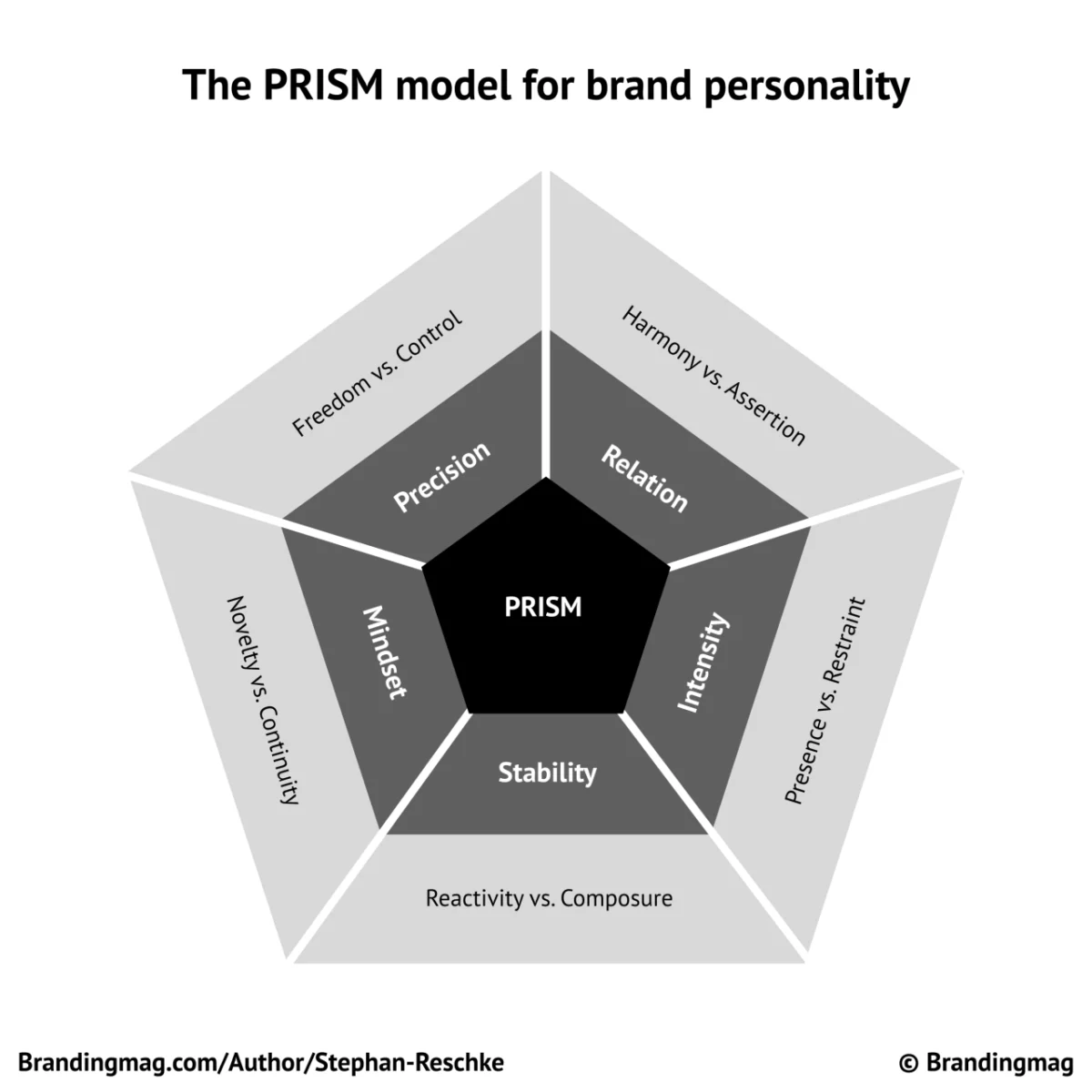
For decades, technology was a tool we operated. We sat before screens, clicked through menus, and input strict commands to yield predictable, static results. Today, that dynamic has inverted. Thanks to the explosive evolution of artificial intelligence, technology is no longer something we merely operate with—it is something we operate in.
This shift is immersive, living, and fundamentally conversational. Interactions between humans and brands have transitioned from transactional to generative. Responses no longer pull from a pre-written database of static information; instead, they spin up fresh context, tailor-made content, and dynamic experiences in real time.
As communication increasingly flows through artificial intelligence interfaces, the rulebook for marketing is being violently rewritten. To survive this paradigm shift, modern marketers must look beyond legacy frameworks and adopt a new architecture of brand building—one anchored by the emerging PRISM model.
Main Facts: The Death of the Static Brand and the Rise of "Agentic Lovemarks"
At the heart of this disruption is a stark realization: traditional branding tools are no longer sharp enough for the agentic economy.
- The Shift to Conversational AI: Consumer touchpoints have shifted from visual, static media (like billboards and banner ads) to voice-driven, conversational environments powered by Large Language Models (LLMs) and autonomous AI agents.
- The Concept of "Agentic Lovemarks": Arjan Kapteijns, former CEO of Saatchi & Saatchi Netherlands, has updated Kevin Roberts’ iconic millennium-era concept of a "Lovemark" for an AI-infused world. Earning deep emotional loyalty is no longer exclusively directed at human-to-brand relationships, but also at interactions mediated—and often autonomously executed—by digital agents.
- The Legible-Lovable Law: According to Thomas Marzano, former brand leader at Philips and ASML, brands in the agentic economy must satisfy two strict criteria: they must be legible to AI so machines can recognize and recommend them, and lovable to humans so they remain relevant in decision-making.
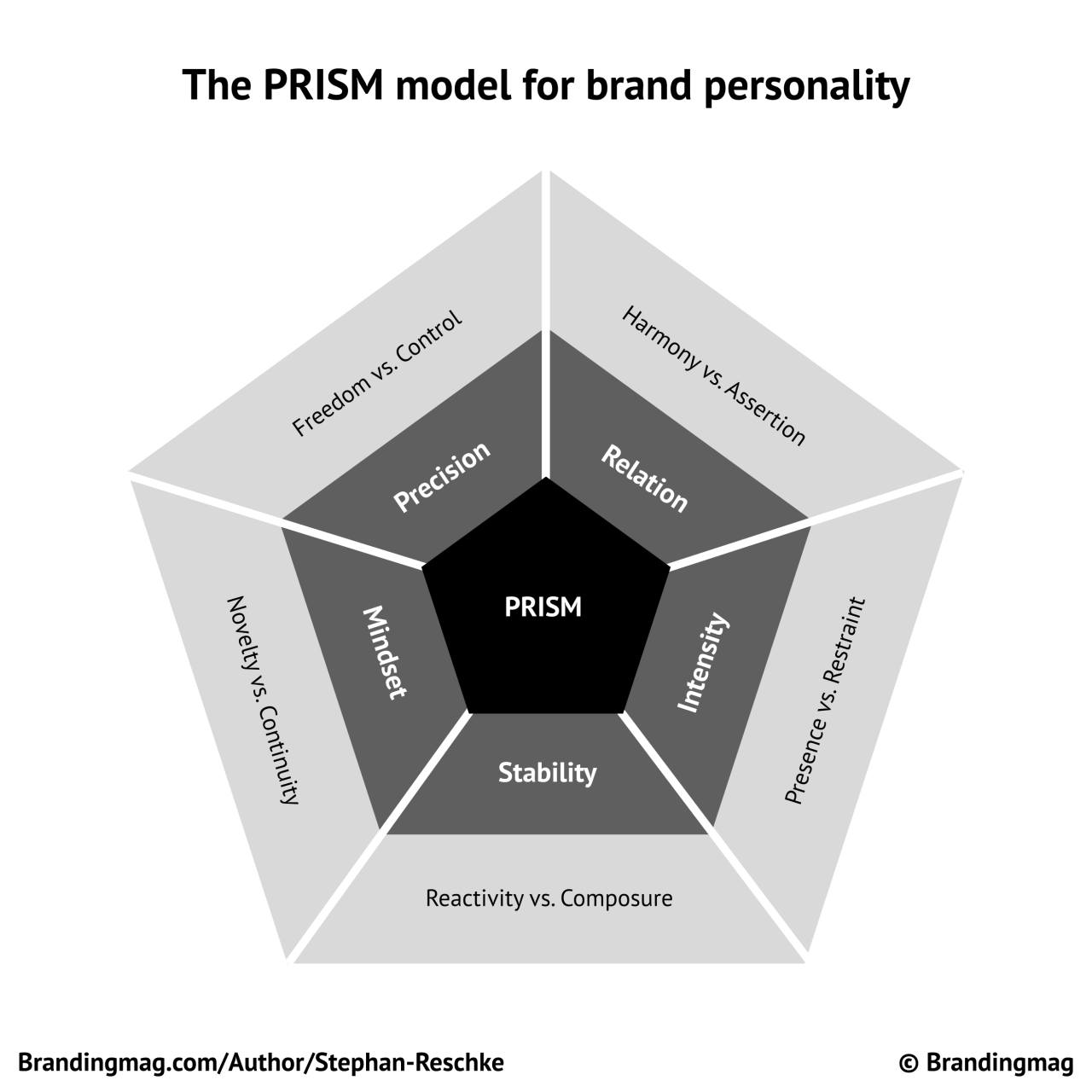
- The PRISM Model: To operationalize this, a new diagnostic tool has emerged. Adapted from the psychological "Big Five" (OCEAN) personality framework, the PRISM model translates complex human traits into a structured, machine-readable format that dictates a brand’s mindset, communication style, and behavior.
Chronology: How Brand Building Evolved into the Age of AI
To understand why a massive overhaul of brand strategy is necessary now, it helps to trace the historical timeline of how brands learned to connect with humans.
Early 20th Century: The Emotional Awakening
When psychology first crossed paths with marketing in the early 1900s, advertising shifted away from mere product utility. Experts discovered that leveraging emotions—fear, joy, aspiration, and belonging—created deep bonds between consumers and companies, driving long-term loyalty and repeat business.
The Turn of the Millennium: The Era of Archetypes
For brands to feel emotionally connectable, they needed distinct personalities. This need was radically fulfilled 25 years ago when Margaret Mark and Carol Pearson published The Hero and the Outlaw, introducing the 12-brand archetype model.
- The Impact: Marketers were given a rational, human-inspired guide to irrational consumer behavior. Archetypes defined how a brand looked, spoke, and behaved, establishing a holistic identity that consumers could easily fall in love with.
The Mid-2020s: The Agentic Disruption
As generative AI matured, autonomous agents began acting on behalf of both consumers and corporations. Consumers no longer browse brand websites directly; instead, they send out personal AI agents to research, compare, and negotiate purchases.

- The Problem: The 12 archetypes, while brilliant for human-led creative teams, leave far too much room for interpretation. If an LLM is given only a broad archetype like "The Explorer" or "The Caregiver" to generate a real-time response, the resulting user experience varies wildly—essentially generating a "random logo" or tone every time a customer interacts with the brand.
Supporting Data and Conceptual Architecture: Enter the PRISM Model
Because traditional archetypes are too vague for AI interpretation, modern brand architects have turned to structural psychology. The solution is the PRISM model, a framework built upon the widely accepted human psychology metric known as OCEAN (Openness, Conscientiousness, Extroversion, Agreeableness, and Neuroticism), but meticulously recalibrated for corporate identities.
+-------------------------------------------------------+
                THE PRISM MODEL ARCHITECTURE
+-------------------------------------------------------+
  [ OCEAN Baseline ] --------> [ Adjusted for Brands ]
         |
         +---> 5 Core Personality Domains
                 |
                 +---> 6 Defining Characteristics per Domain
                         |
                         +---> Calibrated Sliders/Scales
                                 |
                                 v
                     [ System Prompts / LLMs ]
The Five Core Domains of PRISM
Rather than forcing a brand into a single, rigid archetype box, the PRISM model maps a comprehensive spectrum of attitudes, mindsets, and cognitive approaches across five distinct pillars:
- Mindset & Outlook: How the brand perceives innovation, risk, and stability.
- Communication Dynamics: The rhythm, directness, and cadence of its voice.
- Behavioral Intent: Whether its actions are fundamentally service-oriented, disruptive, or protective.
- Emotional Resonance: The specific psychological warmth or analytical detachment it brings to interactions.
- Adaptability: How flexibly the brand handles shifting contexts, ambiguity, and user frustration.
Each of these domains breaks down further into six defining characteristics, evaluated across precise sliding scales. This granular setup allows brands to move past broad generalities and capture the nuance required for hyper-personalized, 1-on-1 AI conversations.
Official Perspectives and Industry Insights
Industry leaders are rallying around this technical evolution of brand strategy, emphasizing that operationalizing a brand’s personality is no longer optional.
"What functioned for decades as a model for building emotional connection won’t be sufficient to build Agentic Lovemarks," notes branding strategist Stephan Reschke. The friction point isn’t that legacy frameworks are fundamentally false, but rather that they lack the instructional depth required for autonomous systems.
Thomas Marzano echoes this sentiment in his seminal manifesto, Brand Constitutions, where he champions the Legible-Lovable Law:
"In an agentic economy, brands need to be both legible to AI in order to be recognized and recommended by the machine, and lovable by humans in order to be relevant in their decision-making."
According to Marzano, the PRISM model acts as a foundational layer of the "Experience Engine"—the technological architecture that allows an AI to dynamically orchestrate real-time, on-demand brand experiences without losing the soul of the company.
Implications: From Brand Campaigns to Brand Language
For marketing executives, copywriters, and CMOs, the rise of the agentic economy carries profound operational implications.
1. The Supremacy of Brand Language Over Campaigns
As technology shifts away from visual interfaces toward voice-driven interactions—where users hear and speak rather than watch and read—language becomes the primary brand touchpoint.
- Large Language Models do not read glossy advertising campaigns; they read data, parse context, and generate text.
- Consequently, building a resilient brand now requires engineering a robust framework of vocabulary, grammar, tone, and vocal cadence.
2. Moving Guidelines Out of PDFs and Into System Prompts
Historically, brand guidelines lived in static, multi-page PDF documents gathering digital dust on corporate servers. In the agentic era, brand guidelines must be operationalized directly into system prompts for LLMs.
By feeding the granular metrics of the PRISM model into a brand’s digital infrastructure, companies enable their AI interfaces to:
- Consistently maintain a specific verbal tone across millions of parallel, individualized conversations.
- Adapt vocabulary dynamically based on user sentiment without breaking character.
- Establish a persistent "digital soul" that is easily read, understood, and rendered by third-party AI agents scouring the web for recommendations.
Navigating the Future
Uncertainty naturally breeds anxiety, and the rapid encroachment of autonomous AI into marketing has left many traditionalists on edge. However, as industry consensus suggests, the best antidote to uncertainty is direct engagement—experimenting, asking difficult questions, and sharing insights across disciplines.
The PRISM model offers a vital compass for this uncharted territory. In a future where humans, AI agents, and corporate entities converse on deeply complex levels, the brands that thrive will not be those that hide behind static logos, but those whose personalities are baked directly into the machine code of everyday life.
 Asro
Asro  Muslim
  Siti Muinah