
 By Azzam Bilal Chamdy
In an era defined by aggressive search engine optimization (SEO) and the relentless pursuit of algorithmic favor, many content creators find themselves trapped in a paradox. They produce technically sound, well-researched, and impeccably structured articles, yet their traffic remains stagnant and their engagement metrics hover near zero. The "perfect" blog, it seems, is often the most forgettable.
The missing ingredient in this equation is rarely technical prowess; it is the human touch. Personalization is the bridge between a casual visitor and a loyal community member. It is the difference between a website that is merely visited and a platform that is deeply experienced. By analyzing the strategies of ten industry-leading bloggers, we can distill the core tenets of creating an online presence that resonates on a human level.
The Anatomy of an Authentic Blog
The digital landscape has become saturated with generic, AI-assisted content that mimics authority without providing intimacy. To cut through the noise, successful bloggers are shifting their focus toward "radical transparency" and distinct brand identity.

The following analysis examines how ten top-tier creators have successfully moved beyond the mechanics of blogging to cultivate a personality-driven brand, detailing their methods, the strategic implications of their choices, and the lessons for modern digital publishers.
1. Visual Storytelling: YTravel
Blog: YTravel
Travel blogging is a visual medium, but Caz and Craig of YTravel have elevated it from mere documentation to emotional connection. Their strategy relies on the strategic use of candid, high-quality imagery that showcases their family dynamic.
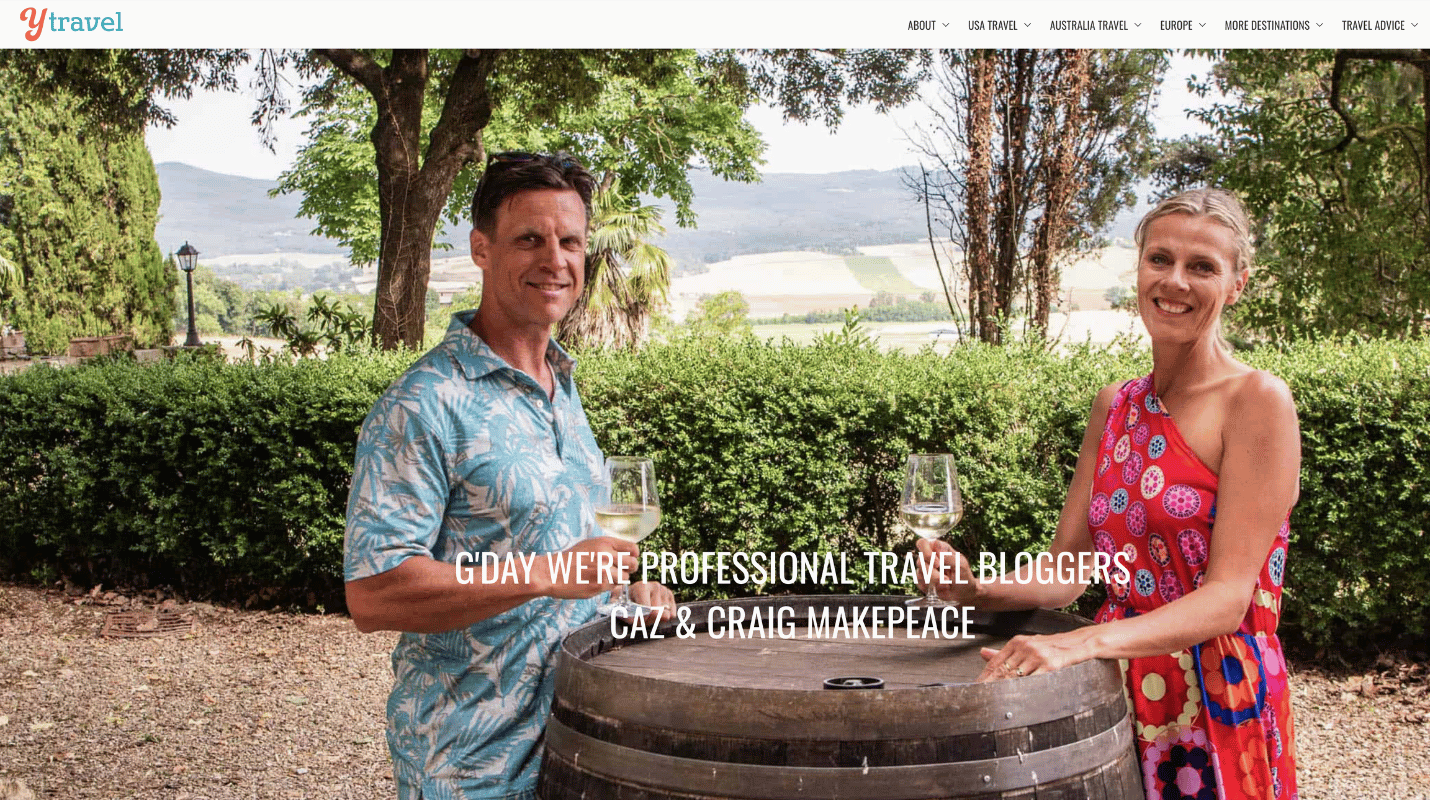
- The Strategy: Whether sharing the chaotic reality of flying with children or the serene moments of settling into a new country, their photography acts as an anchor for their written narrative.
- Implications: By prioritizing "smiley," authentic photos, they bridge the gap between aspirational travel and relatable parenting. This visual consistency builds trust, proving to the reader that the advice is born from lived experience rather than theoretical research.
2. Infusing Character and Flair: Pat Flynn
Blog: Smart Passive Income
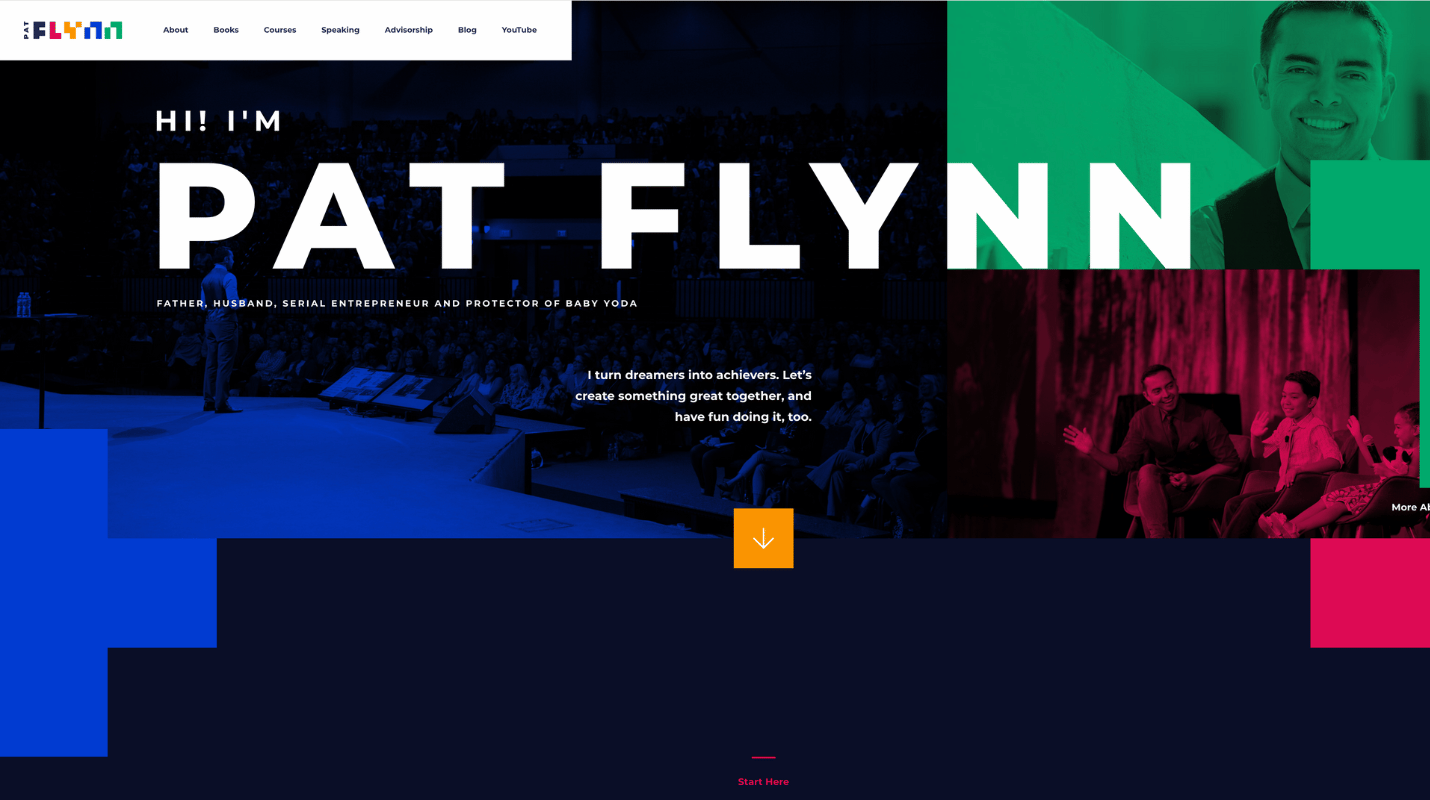
Pat Flynn has built a powerhouse brand by refusing to be a faceless business entity. His homepage serves as a masterclass in identity branding.
- The Strategy: Flynn leads with high-impact visuals of himself paired with a concise, multifaceted description. By identifying as a "father, husband, and serial entrepreneur," he humanizes his professional expertise. The addition of playful self-descriptors—such as "protector of baby Yoda"—adds a layer of quirkiness that prevents his brand from feeling sterile or overly corporate.
- Lessons: Your audience wants to do business with a human, not a logo. By showcasing your multifaceted personality, you allow readers to connect with you on common ground outside of your specific niche.
3. The Power of a Distinctive Tone: Shannon Kelly White
Blog: Shannon Kelly White
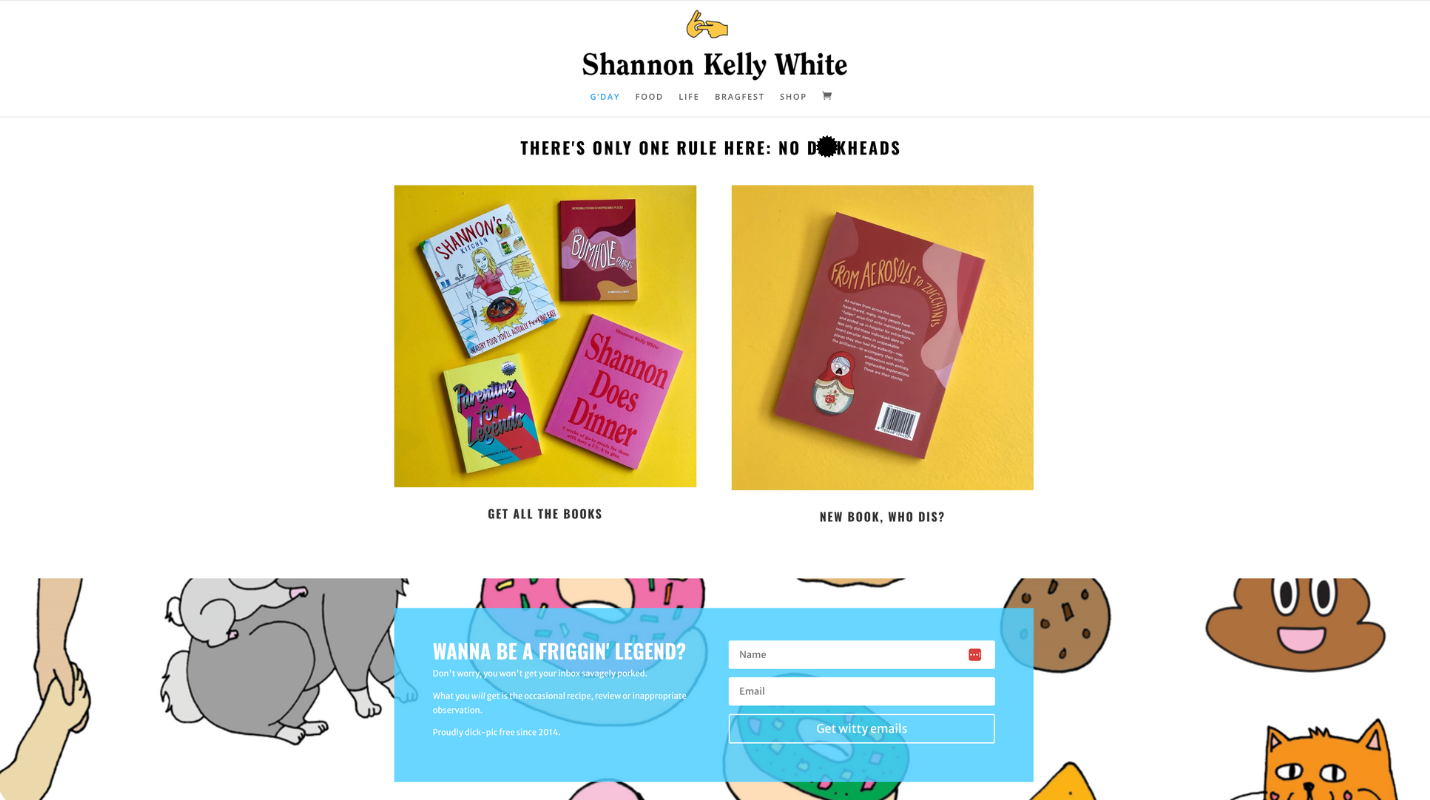
In a world of professional, sanitized corporate communication, a polarizing tone can be a powerful differentiator. Shannon Kelly White utilizes a bold, "salty" voice to filter her audience intentionally.
- The Strategy: By incorporating unfiltered language into her taglines and navigation menus, she immediately signals the nature of her brand.
- Implications: While this approach risks alienating a segment of the population, it fosters an intense, almost tribal loyalty among those who align with her voice. For modern bloggers, the goal is often not to reach everyone, but to reach the right someone. A distinct, uncompromising tone is one of the fastest ways to build an authentic tribe.
4. Establishing Iconic Visual Identity: Blog Tyrant
Blog: Blog Tyrant
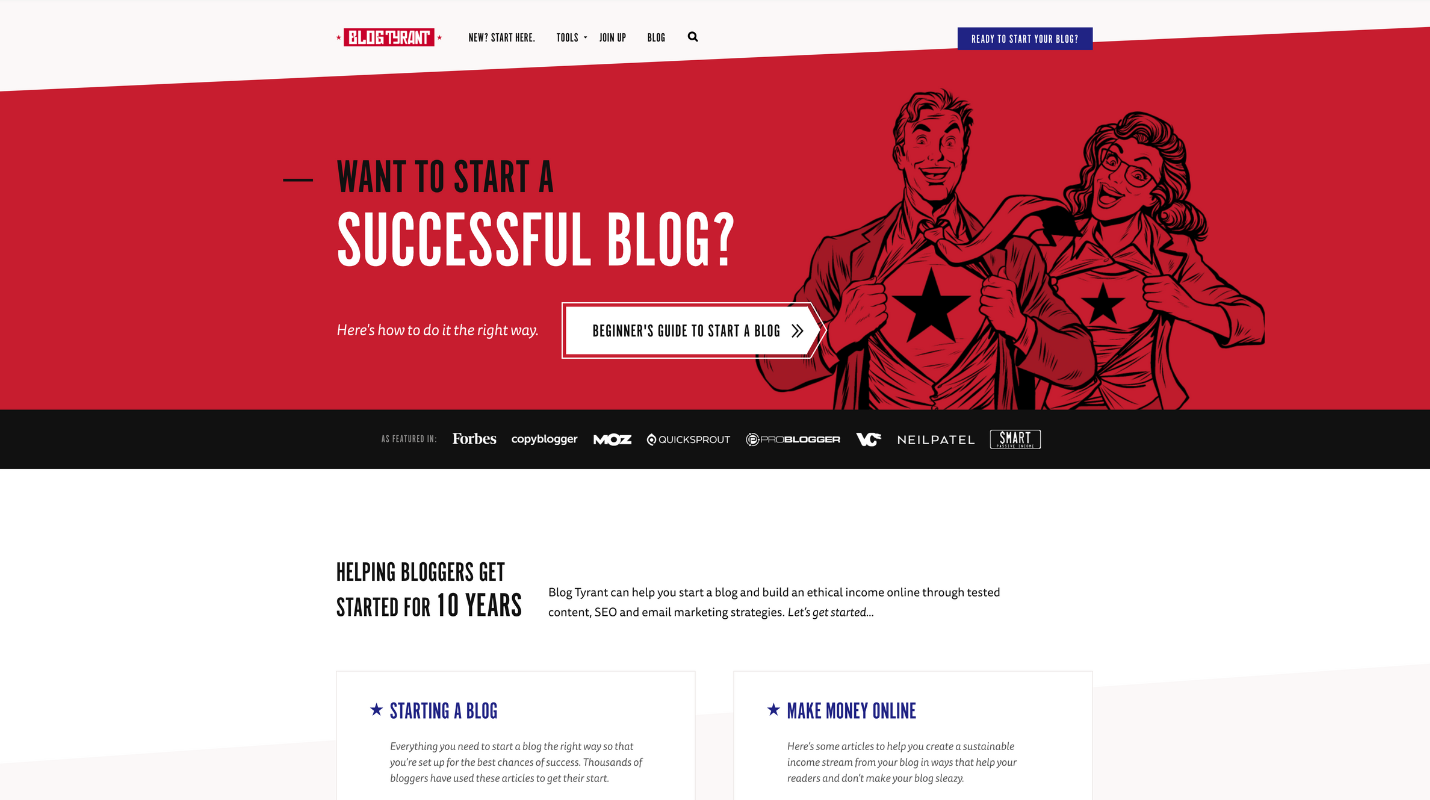
Consistency is the bedrock of branding. Ramsey, the creator behind Blog Tyrant, uses a custom-illustrated avatar to represent his brand across all digital touchpoints.
- The Strategy: The "red-shirted blogging superhero" appears in banners, feature images, and lead magnets. This creates a visual shorthand that readers recognize instantly, regardless of the topic or the specific article they are reading.
- Implications: Custom illustrations provide a sense of ownership and creative control that stock photography cannot match. They turn a brand into a character, making the content feel more like a story and less like a textbook.
5. The "About Page" as a Strategic Hub: A Beautiful Mess
Blog: A Beautiful Mess
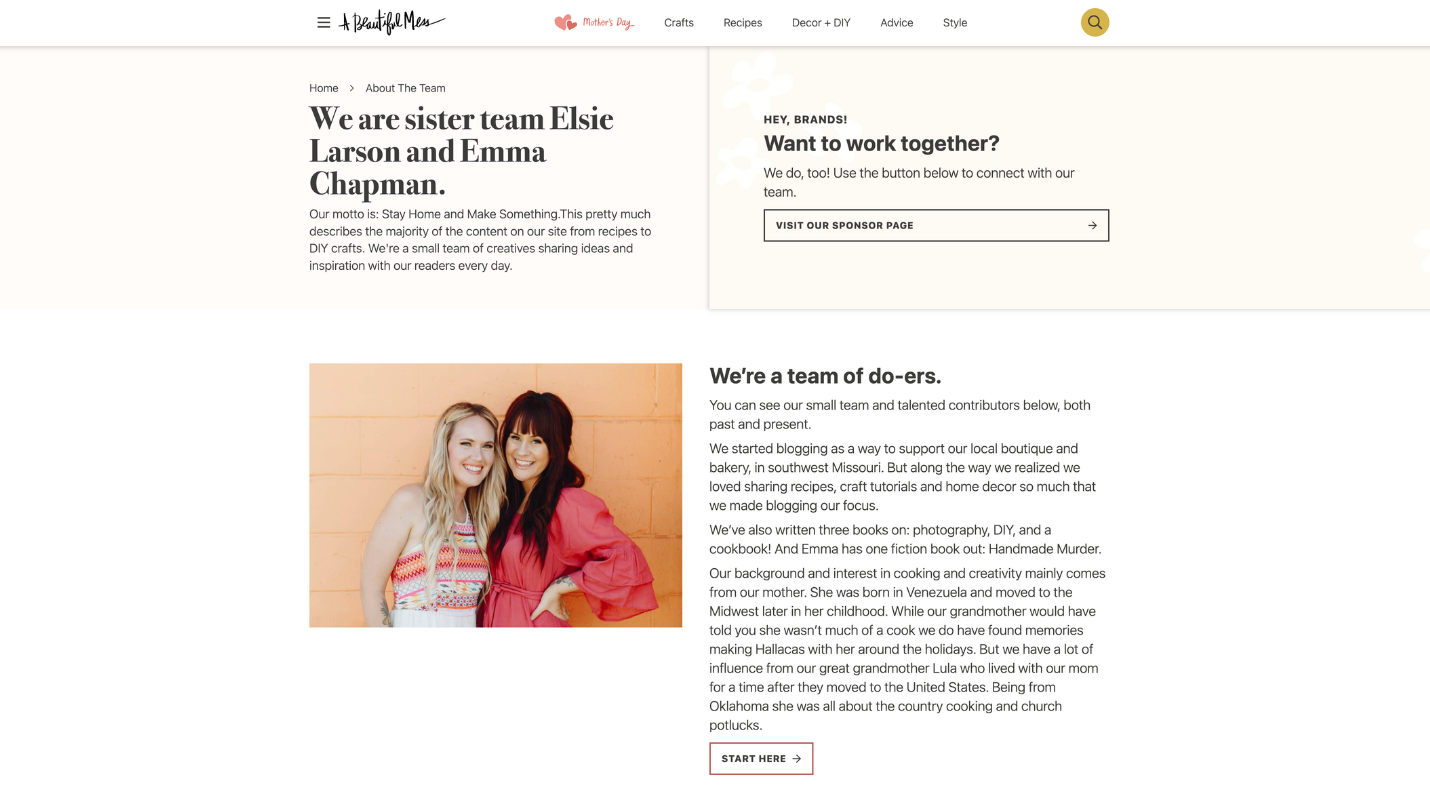
When a reader lands on a high-performing article, their next instinct is often to investigate the author. Sisters Elsie and Emma treat their "About" page as a high-conversion landing page rather than an afterthought.
- The Strategy: They combine bright, high-energy photography with a succinct, catchy introduction that explains their mission.
- Implications: The About page is your digital handshake. If it is dry or missing, you lose a critical opportunity to turn a casual reader into a fan. By injecting personality and clarity into this page, you solidify your authority and establish a rapport with your audience.
6. Omni-Platform Consistency: Chris Ducker
Blog: Chris Ducker
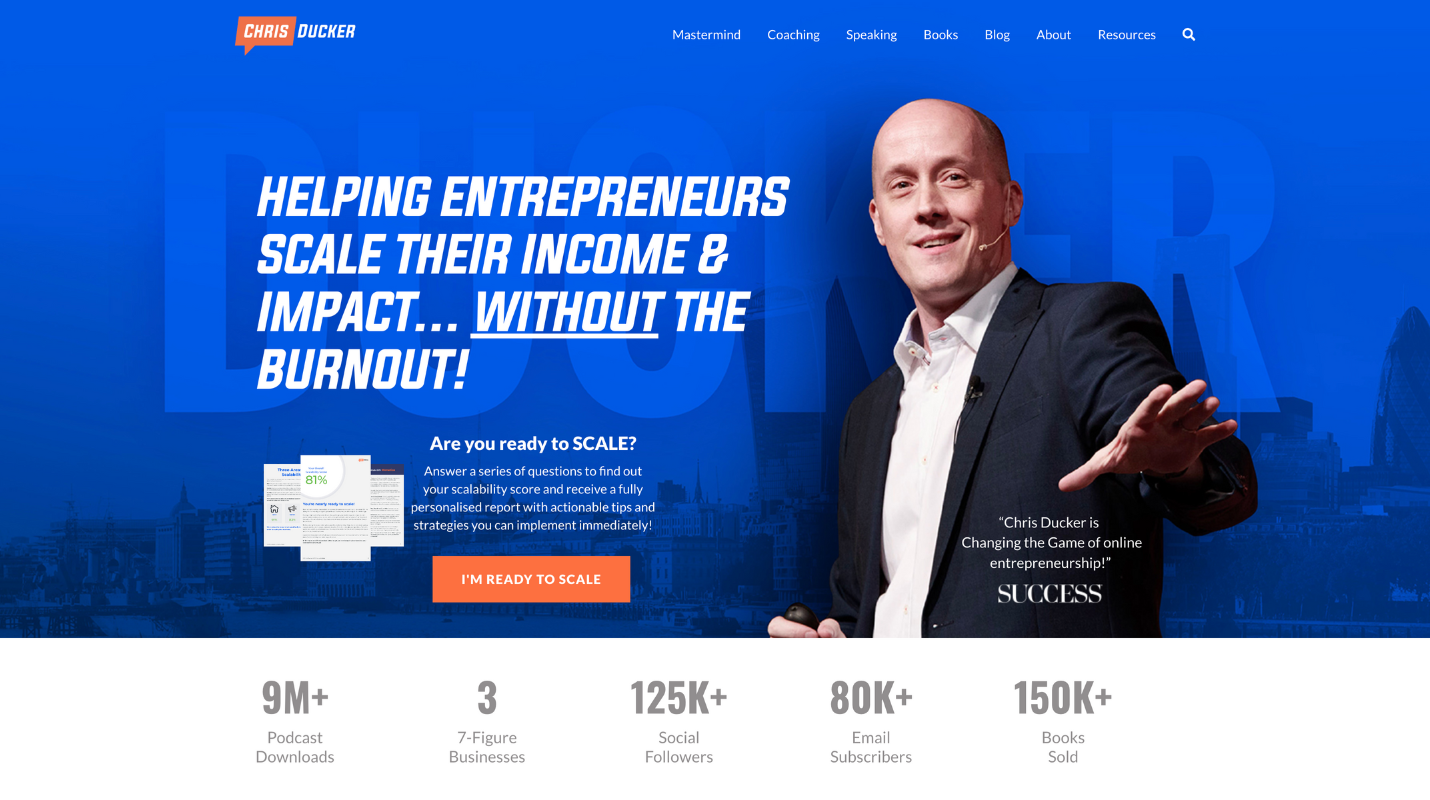
Modern blogging does not exist in a vacuum; it is part of a larger social ecosystem. Chris Ducker’s success lies in his refusal to fragment his brand identity across platforms.
- The Strategy: He utilizes identical professional headshots across his blog, Twitter, LinkedIn, and Facebook.
- Lessons: When a reader navigates from a search engine to your blog and then to your social channels, they should feel like they are entering the same room. Visual consistency reduces cognitive friction and reinforces brand recognition, making you a memorable figure in a crowded market.
7. The Psychology of Color: Jadah Sellner
Blog: Jadah Sellner
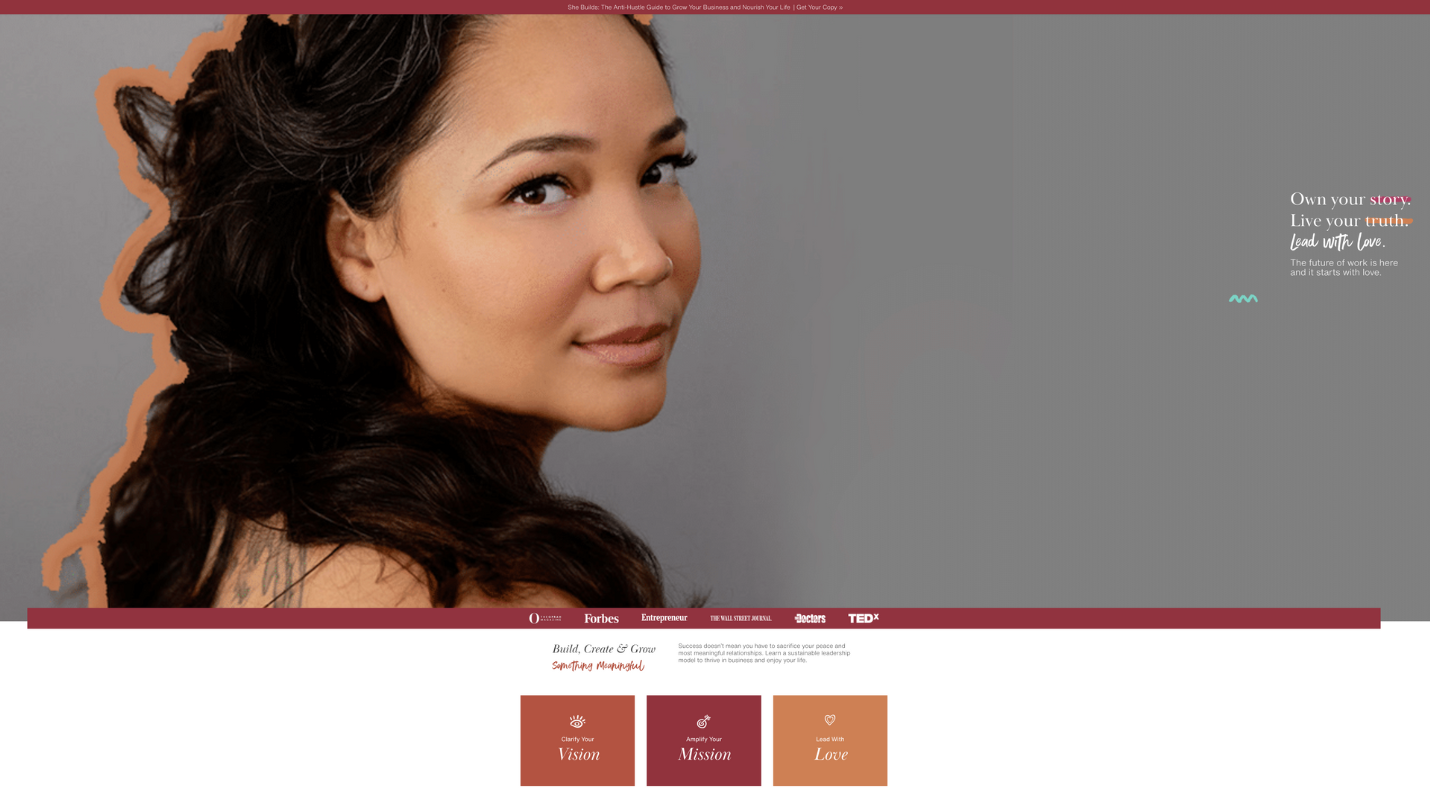
Color is a silent communicator. Jadah Sellner demonstrates how a cohesive color palette can influence the emotional state of a visitor.
- The Strategy: By aligning her personal aesthetic—the clothing she wears in photos—with the color scheme of her website, she creates a seamless, immersive environment.
- Implications: This level of detail suggests a high degree of intentionality. It creates a "warm, earthy" brand atmosphere that feels safe and inviting, encouraging longer dwell times and deeper emotional engagement.
8. Defining the Value Proposition: SuperFastBusiness
Blog: SuperFastBusiness
James Schramko employs a blunt, highly effective brand statement that acts as a gatekeeper.
- The Strategy: His site immediately clarifies his services, his expertise, and the specific target audience he serves.
- Lessons: Clarity is the ultimate form of respect for your reader’s time. By stating your value proposition upfront, you filter out unqualified traffic and ensure that the visitors who do stay are genuinely interested in what you have to offer.
9. Frictionless Calls to Action: Kelly Exeter
Blog: Kelly Exeter
Many bloggers fail because they hide their value behind complex, multi-step subscription processes. Kelly Exeter opts for the "straight to the chase" approach.
- The Strategy: Her site uses clear, human-centric taglines that explain who she is and who she helps. Her call-to-action (CTA) buttons are direct, inviting users to find answers immediately without bureaucratic barriers.
- Implications: In an attention-deficit economy, every extra click is a potential exit point. Reducing friction in your conversion process is essential for building a community.
10. Defining the Reader Identity: Puttylike
Blog: Puttylike
Perhaps the most sophisticated strategy on this list is Emily’s approach to audience definition. By coining a term ("Multipotentialite"), she gives her readers an identity to cling to.
- The Strategy: By utilizing a lead-magnet quiz, she helps visitors define themselves as part of her community.
- Implications: People love to belong to groups. When you define your audience—giving them a name or a shared set of traits—you transition from being a content provider to being a leader of a movement. This psychological hook is arguably the strongest tool for building long-term retention.
Conclusion: The Path Forward
The lesson shared by these ten successful bloggers is consistent: success is not found in the technical configuration of your WordPress theme, but in the humanity you infuse into your work.
As you move forward, ask yourself: Does my blog feel like a static page, or a living, breathing extension of my personality? The next step is not to add more plugins or chase another SEO metric. The next step is to show up, be bold, define your audience, and give them a reason to remember who you are. The algorithms may dictate the reach, but your personality will always dictate the retention.
 Laily UPN
  Iffa Jayyana
  Nana Muazin