
 By Laily UPN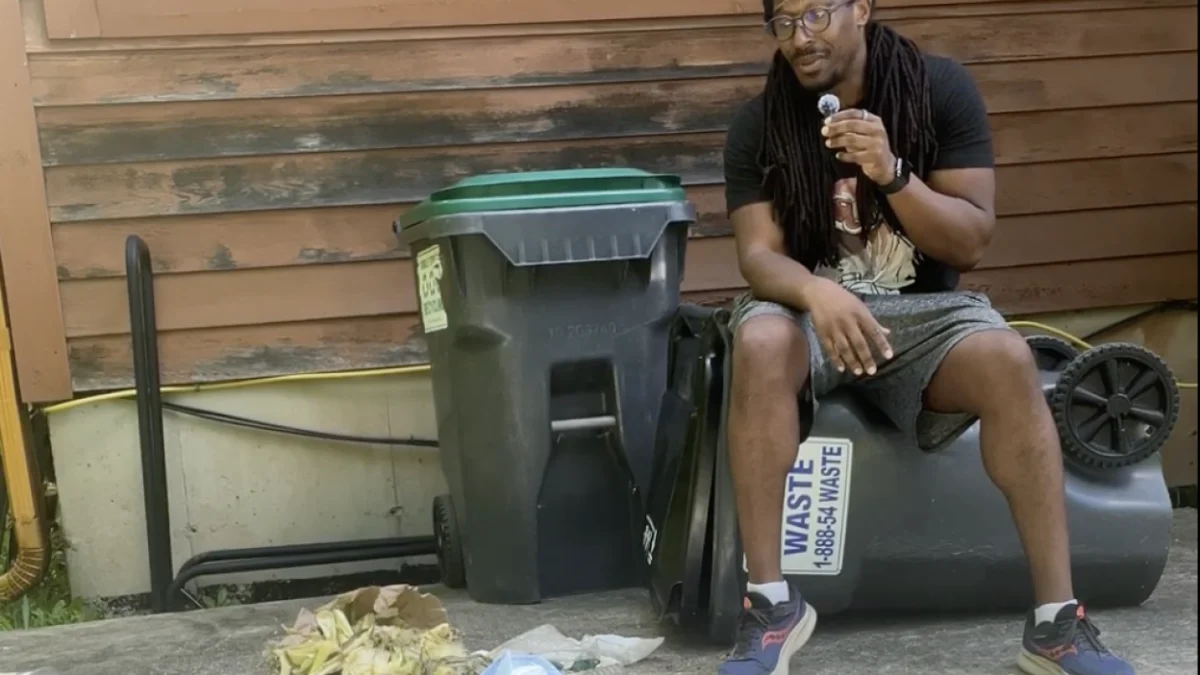
Main Facts
Moving from an urban environment to a rural setting offers a stark awakening for many first-time homeowners, bringing unique challenges that city living rarely prepares one to face. For Jordan Calhoun, Editor in Chief at Lifehacker and author of Piccolo Is Black: A Memoir of Race, Religion, and Pop Culture, a peaceful transition to the Catskill Mountains quickly turned into an unexpected lesson in wildlife management and home maintenance.
The primary catalyst for this realization occurred when 60 gallons of household garbage were found strewn across a pristine front lawn. Initially mistaken for a property break-in—evoking memories of a post-college burglary at a family home in Detroit—the true culprits were revealed to be part of the local wildlife population. The Catskill Mountains are home to an estimated 2,000 black bears, animals possessing a powerful sense of smell and an opportunistic appetite for human waste.
The core issue extended beyond a single wildlife visit. Months of neglected cleaning had allowed the household trash bins to accumulate a potent, foul odor. This reek acted as a persistent dinner bell for swarms of flies and, ultimately, local bears that quickly learned to return on a weekly basis. The incident forced a re-evaluation of standard domestic routines, emphasizing that rural property upkeep requires proactive prevention strategies rather than reactive fixes.
Chronology of Events
- The Detroit Precedent: Years prior, following college graduation, a break-in at a family residence in Detroit left Calhoun familiar with the unsettling feeling of home intrusion, where intruders ransacked the property and stole miscellaneous items, including unopened college diplomas.
- Relocation to the Catskills: Seeking a change of pace, Calhoun purchased a home in the Catskill Mountains, stepping into a rural ecosystem shared with approximately 2,000 black bears.
- The Initial Discovery: Waking up to find 60 gallons of trash scattered across the front lawn, the immediate assumption pointed toward a criminal break-in reminiscent of past experiences, before wildlife tracks and evidence pointed toward local bears.
- Identifying the Root Cause: Investigation revealed that the garbage bins had not been cleaned once since the real estate closing. The accumulated stench had drawn flies and established a reliable scent trail for area bears.
- Intervention and Cleanup: Calhoun initiated a targeted cleanup protocol, utilizing specific products to neutralize the odors and address the pest infestation.
- Future-Proofing the Property: Following the trash cleanup, plans were set in motion to upgrade the property’s infrastructure, including the installation of permanent outdoor lighting and the construction of an outdoor fire pit as part of a broader home-improvement journey.
Supporting Data and Context
Living in regions with active wildlife populations introduces distinct logistical challenges for waste management. According to state and local environmental conservation departments, human-wildlife conflicts—particularly involving black bears—rise significantly when residential trash management is suboptimal.
- Wildlife Density: The Catskill Park, spanning parts of four counties in New York State, supports a robust black bear population estimated between 1,500 and 2,000 individuals.
- Solfactory Attraction: Black bears possess a sense of smell that is estimated to be up to seven times stronger than that of a bloodhound. Unwashed garbage bins retain food odors that can travel miles on air currents, easily overcoming standard plastic container lids.
- The Economics of Homeownership: First-time rural homeowners frequently underestimate the recurring maintenance costs associated with pest control, wildlife deterrents, and specialized cleaning equipment. Transitioning from municipal waste collection—where bins are simply wheeled to the curb—to wildlife-dense regions necessitates investments in heavy-duty, bear-resistant containers, bungee mechanisms, or secure outbuildings.
Official Responses and Expert Recommendations
Wildlife management agencies and conservation officers frequently issue guidance for residents living in bear country to minimize dangerous interactions and protect local ecosystems.

State environmental agencies emphasize that preventing bears from accessing human food sources is critical for both public safety and the survival of the bears themselves. When bears become habituated to human garbage, they often lose their natural fear of humans, which can lead to property damage, aggressive behavior, and, in severe cases, the need for wildlife officials to euthanize the animal.
Key recommendations from conservation experts include:
- Secure Storage: Keep garbage bins inside a secure garage, shed, or dedicated bear-resistant enclosure until the morning of pickup.
- Odor Reduction: Regularly wash garbage cans with a disinfectant and deodorizer to eliminate residual food smells that attract wildlife.
- Alternative Fasteners: Utilize heavy-duty straps, locking mechanisms, or specialized bear-proof latches that prevent animals from easily removing container lids.
- Composting Care: Avoid placing meat, dairy, or oily foods in open compost piles, as these items are primary attractants for omnivorous mammals.
Implications for First-Time Homeowners
The experience highlights a broader cultural and practical shift for individuals moving from urban or suburban environments to rural landscapes. While urban living comes with challenges related to space, noise, and density, rural homeownership introduces variables dictated by the natural environment.
For Calhoun, the incident served as a foundational milestone in a broader journey of home improvement and adaptation. Documented across platforms like Lifehacker and social media channels, the transition from managing a messy trash bin to installing permanent outdoor lighting and building custom fire pits illustrates the step-by-step learning curve inherent in modern homeownership.
Ultimately, the event underscores a vital lesson for anyone purchasing property in a wildlife corridor: maintaining a home requires looking beyond interior aesthetics to address exterior vulnerabilities. By confronting mundane tasks like cleaning refuse containers and securing waste, homeowners can protect their property, respect local wildlife, and transform a chaotic introduction into a sustainable, long-term living arrangement.
 Pevita Pearce
  Evan Lee Salim
  Ammar Sabilarrohman