
 By Layla Zulfa
In the hyper-competitive landscape of digital commerce, the inbox has become the final frontier for consumer attention. Every holiday season, Black Friday, and seasonal transition, the digital noise reaches a deafening crescendo. For the average consumer, this manifests as a flood of “50% OFF!” subject lines and frantic “LAST CHANCE” countdowns. The predictable result? A high-volume wave of deletions, apathy, and, eventually, the dreaded "unsubscribe" click.
However, for business owners and marketing leaders, seasonal campaigns represent more than just a logistical headache; they are a critical engine for annual revenue. The challenge lies in navigating these high-stakes periods without alienating the very audience a brand has spent months—or years—nurturing. The solution is not to sell less, but to sell smarter.
The Evolution of Email Marketing: Moving Beyond the "Warzone"
The "warzone" effect of seasonal marketing is a byproduct of a transactional mindset. When brands treat their email lists as mere databases for conversion metrics, they inadvertently signal to the subscriber that their value is tied solely to their wallet.
Modern marketing research indicates that consumers are increasingly discerning. They are no longer just buying products; they are buying into narratives, values, and community. To shift from a "pitch-heavy" strategy to one that drives genuine engagement, founders must pivot toward a relationship-centric approach. This requires a fundamental shift in how campaigns are planned, crafted, and delivered.
Chronology of a Successful Seasonal Campaign
Effective seasonal marketing is never a last-minute endeavor. The most successful brands operate on a long-term horizon, treating seasonal windows as milestones in a year-long narrative.
Phase 1: Pre-Season Strategic Mapping (3 Months Out)
Success in February or November is often determined in the preceding months. This phase involves building a robust content calendar that maps out relevant cultural, seasonal, and brand-specific moments. The objective here is to identify which events genuinely resonate with your audience, rather than attempting to capitalize on every "National Day" that appears on the calendar.
Phase 2: The Trust-Building Buffer (1 Month Out)
Before asking for a sale, brands must deposit value into the relationship. A reliable rule of thumb is the "Two-to-One" ratio: for every single promotional email sent, there should be at least two pieces of content that provide education, entertainment, or inspiration. By the time a promotional email is sent, the subscriber should be conditioned to open the brand’s emails for value, not just to see a price drop.
Phase 3: The Targeted Launch (During the Season)
Once the season is live, the focus shifts to execution through segmentation. Rather than hitting the entire list with a "one-size-fits-all" blast, brands should deploy tailored messages based on engagement levels, purchase history, and browsing behavior. This ensures that the recipient feels seen, rather than just "marketed to."
Supporting Data: The Power of Narrative and Relevance
The psychological efficacy of storytelling in email marketing is well-documented. Research suggests that human brains retain approximately 63% of stories, whereas only 5% of standalone statistics or raw data points remain in memory.
When a brand leads an email with a compelling narrative—a behind-the-scenes look at product development, a customer spotlight, or a founder’s personal reflection—the discount ceases to be the primary hook. Instead, it becomes the "cherry on top" of a value-rich message.
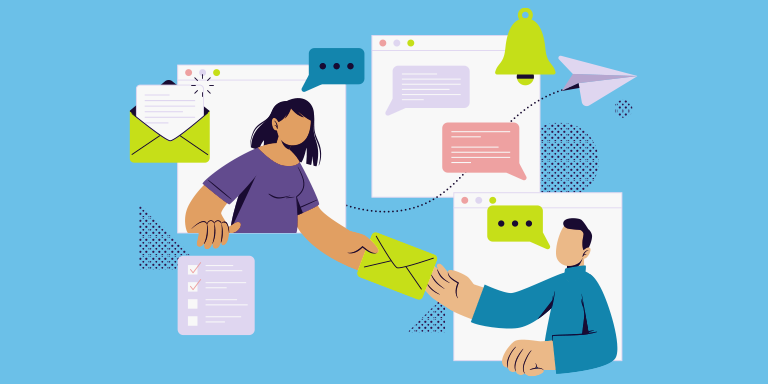
Furthermore, segmentation data confirms that relevance drives conversion. According to industry benchmarks, segmented campaigns see significantly higher open and click-through rates compared to generic blasts. By differentiating between a first-time subscriber, a repeat purchaser, and a long-term loyalist, brands can deliver messaging that meets the customer exactly where they are in their buying journey.
Professional Perspectives on Authentic Urgency
Urgency is a powerful psychological trigger, but it is frequently misused. When brands rely on manufactured, high-pressure tactics like "FINAL HOURS!" or "YOU’LL REGRET THIS!", they erode brand equity.
Industry experts advocate for "authentic urgency," which centers on exclusivity and scarcity rather than anxiety.
- Early Access: Granting your most loyal subscribers a head-start on a sale creates a sense of belonging and prestige.
- Limited Editions: True scarcity—where a product is genuinely available only for a limited window—creates a natural, non-manipulative reason for a customer to act.
A prime example is the approach taken by brands like Luu Lounge. By fostering anticipation through consistent, non-salesy communication leading up to a product drop, the brand converts the email list into an active community. When the launch arrives, the "urgency" is built into the demand, not the subject line.
Implications for Future Growth
The long-term implication of this strategy is the cultivation of a sustainable business model that is not dependent on constant discounting. Brands that prioritize the relationship over the transaction benefit from higher customer lifetime value (CLV) and lower acquisition costs.
Moreover, the rise of sophisticated marketing automation tools, such as Omnisend, has democratized these high-level strategies. Even solo founders and small teams can now implement complex segmentation and automated workflows that previously required entire marketing departments. The technology handles the technical heavy lifting, allowing the founder to focus on the human element: the story, the connection, and the product.
The Role of Automation
Automation is not about "setting it and forgetting it"; it is about scaling personalized communication. When an automated sequence is triggered by a specific user behavior—such as a specific product view or a milestone anniversary—it feels like a personal touchpoint. This level of precision is what separates high-growth brands from those struggling to stay relevant in a crowded inbox.
Conclusion: Treating Customers as People, Not Transactions
Seasonal email marketing does not have to be a source of stress or a race to the bottom in terms of pricing. By planning early, leading with stories, segmenting effectively, and creating authentic urgency, brands can transform seasonal moments into profitable, relationship-building opportunities.
Ultimately, the most successful brands of the future will be those that treat their subscribers with respect. When you stop viewing your email list as a group of targets and start viewing them as a community of individuals, the "salesy" feeling dissipates. In its place, you build a loyal, engaged audience that looks forward to hearing from you—regardless of the season.
For founders looking to elevate their email strategy, the tools are available to help you build a more meaningful connection with your audience. By leveraging the right automation and content strategies, you can turn your next seasonal campaign into your most successful yet.
 Neng Nana
  Ali Ikhwan
  Siti Muinah